
How to Sell Apparel Online Making $15,000/Month
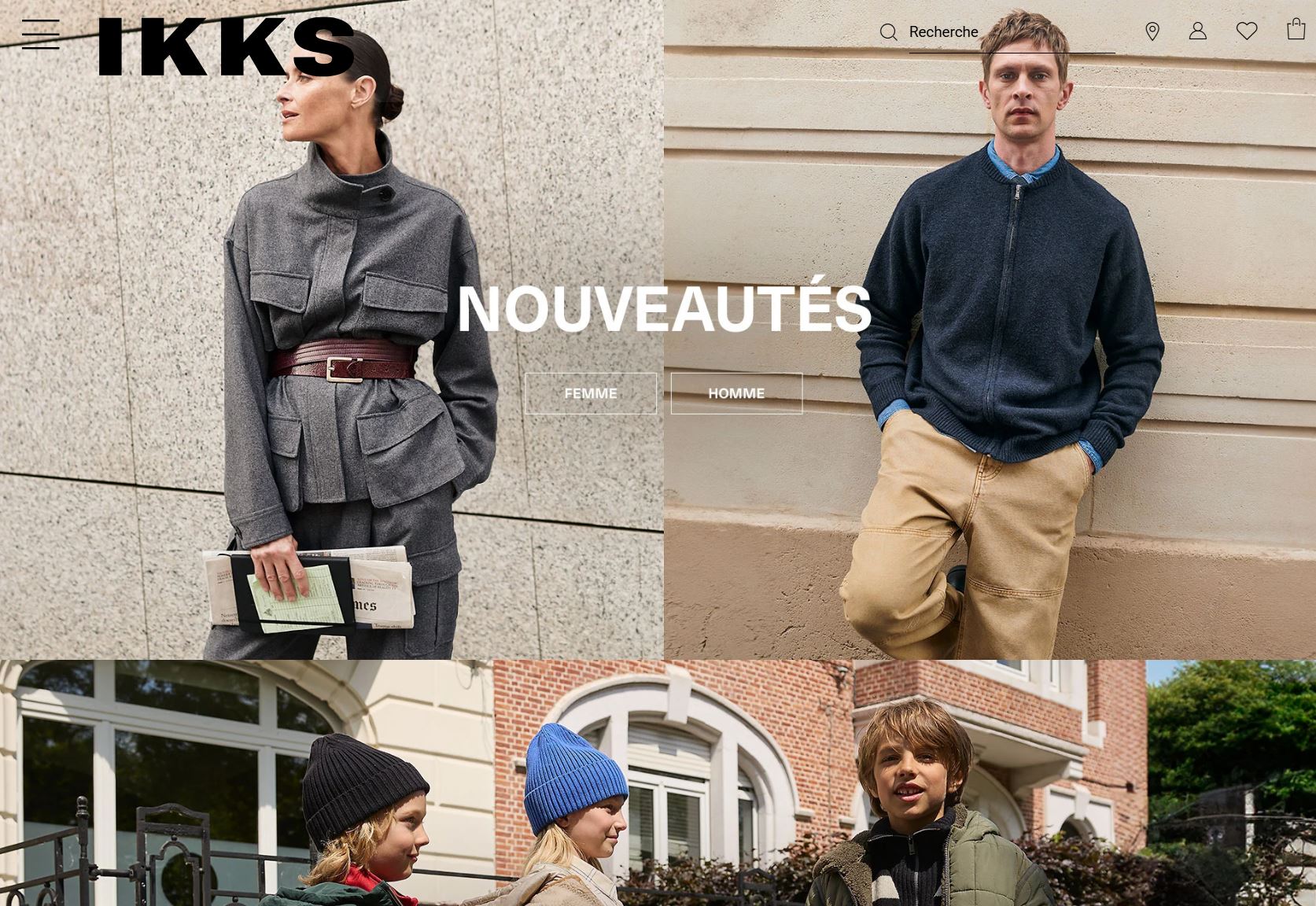
Ever scrolled through Instagram seeing stylish people in perfectly curated outfits and wondered how they afford it all?
You love fashion but hate the idea of dropping $200 on a single item from some overpriced designer brand that only cares about its logo.
There’s got to be clothing that’s both stylish and actually affordable, right?
Jacques felt that exact frustration growing up in Paris—surrounded by incredible fashion but watching people struggle to afford quality clothing that made them feel confident.
So he built his own apparel brand, now generating $15,000+ monthly by offering chic, contemporary clothing at prices that don’t require a trust fund.
No massive fashion industry connections. No celebrity endorsements. Just strategic curation of stylish clothing and smart e-commerce execution.
Here’s what makes Jacques’ approach fascinating…
Most people think you need to be a fashion designer or have industry insider connections to succeed in apparel. But Jacques proved you just need understanding of what customers want, ability to source or create quality products, and strategic thinking about branding and customer experience.
His France-based apparel store doesn’t try to compete with fast fashion giants like Zara or luxury brands like Chanel.
It occupies the middle ground—contemporary style with quality construction at accessible prices.
And that positioning? It’s generating over $180,000 annually through straightforward e-commerce with exceptional customer service.
Let’s break down exactly how Jacques built this apparel business, what’s working brilliantly, where massive opportunities exist, and how you could create your own fashion e-commerce store even without fashion industry experience.
Ad 🎯 After studying 400+ business models, here’s what actually works for beginners…
Most “make money online” advice is garbage. Complex affiliate schemes. Dropshipping nightmares. Social media “influencing.”
We found something better: lead-generation funnels for manufacturers. Simple. Profitable. Fast results.
Our Max Incubator Phase 1 students are proof—they’re going from zero to their first $1,000 in 90 days with this exact model.
→ See the business idea that’s working for beginners this year
What This Apparel Brand Actually Does (And Why Customers Choose It)
This isn’t a fast fashion brand churning out cheap trendy items that fall apart after three washes.
It’s a curated apparel store offering contemporary fashion that balances style, quality, and affordability.
The product catalog serves diverse customer segments with clothing for adult men seeking stylish everyday wear, women looking for contemporary fashion, kids and toddlers needing quality children’s clothing, and families wanting coordinated style across generations.
Think of it as the elevated everyday brand—not luxury, not disposable fast fashion, but quality clothing that makes people feel good without breaking the bank.
But here’s where the strategy becomes smart…
Instead of chasing every micro-trend or offering overwhelming variety, the brand focuses on simple designs that trend well. This timeless approach creates several advantages—clothing doesn’t look dated after one season, inventory management is simpler with fewer SKUs, production costs are lower without complex designs, and marketing emphasizes versatile style over fleeting trends.
The brand also positions itself confidently through premium policies. Free shipping removes a major purchase barrier. Conditional refunds demonstrate product confidence while protecting against abuse. And these policies, uncommon among smaller apparel brands, signal quality and customer-first thinking.
According to research from Shopify on shipping strategies, offering free shipping can increase conversion rates by 50% or more, making it one of the most effective tactics for e-commerce growth.
The Revenue Model: Direct-to-Consumer Fashion E-Commerce
Let’s talk about how this apparel brand generates $15,000+ monthly.
Understanding this direct-to-consumer model is essential if you want to build something similar.
Product Sales Through E-Commerce Platform
The business generates revenue by selling clothing directly to consumers through its online store.
The flow is straightforward:
Customers discover the brand through marketing, social media, or search. They browse collections organized by gender, age, and style. They add items to cart and complete checkout on the website. The brand fulfills orders and ships directly to customers. Revenue comes from the margin between product cost and retail price.
What makes fashion e-commerce financially attractive is the potential for healthy margins when executed well.
Apparel typically has 50-70% gross margins at retail pricing, depending on whether you’re manufacturing, white-labeling, or buying wholesale. Higher-end contemporary fashion can command even better margins. Average order values are substantial—customers often buy multiple items. And repeat purchase rates can be strong with good products and customer experience.
According to data from McKinsey’s State of Fashion report, successful fashion e-commerce brands typically see 40-60% gross margins after accounting for all costs.
With $15,000 in monthly revenue and healthy margins, this brand is likely generating $6,000-$9,000+ in monthly gross profit before operating expenses.
Geographic Focus Creating Manageable Complexity
The brand currently focuses primarily on France, creating several advantages.
Marketing can be highly targeted to one market. Shipping logistics are simpler with one country. Customer service operates in one language and timezone. And brand building is more manageable in a focused geography.
This focused approach allows the brand to dominate its home market before expanding—a smarter strategy than spreading thin across multiple countries immediately.
What This Apparel Brand Does Exceptionally Well
Building a successful fashion e-commerce business requires more than just nice clothing.
Let’s examine the strategic decisions that make this brand work.
Exceptional Customer Service and Experience
The brand prioritizes customer service at every touchpoint.
Detailed product information helps customers make informed decisions. A sizing questionnaire reduces returns by helping customers find the right fit. User-friendly website interface makes shopping effortless. Quick checkout process reduces cart abandonment. And responsive customer support handles inquiries and concerns promptly.
This customer-first approach creates several compounding benefits. It reduces returns and exchanges that eat into margins. It generates positive reviews and word-of-mouth growth. It builds loyalty that leads to repeat purchases. And it differentiates the brand from competitors with poor service.
According to Zendesk’s customer experience research, 87% of customers share good experiences with others, while 95% share bad experiences—making customer service critical for growth.
Email Marketing Driving Engagement and Sales
The brand maintains an informative email newsletter keeping subscribers engaged.
Emails showcase latest trending styles and collections. Upcoming promotions and sales are announced to subscribers first. Style guides and outfit inspiration provide value beyond just selling. And personalized recommendations based on browsing or purchase history increase relevance.
Email marketing is particularly powerful for fashion because it maintains engagement between purchases and drives repeat business.
According to Campaign Monitor’s email benchmarks, retail emails see average open rates of 18% and click rates of 2.5%, making email one of the highest-ROI marketing channels.
Quality Products Building Reputation
The brand focuses on quality at reasonable prices rather than racing to the bottom on cost.
This quality-first approach creates sustainable advantages. Products last longer, leading to satisfied customers who return. Returns and complaints are minimized because items meet expectations. Word-of-mouth recommendations drive organic growth. And brand reputation compounds over time as more customers experience the quality.
In fashion, where Instagram photos and friend recommendations drive discovery, product quality directly impacts growth velocity.
Simple Designs Trending Well
Instead of chasing every fleeting micro-trend, the brand focuses on simple, contemporary designs that trend consistently.
This strategic restraint provides several benefits. Inventory doesn’t become obsolete when trends shift. Production is more efficient with consistent design language. Marketing can focus on versatile style rather than specific trends. And customers can build cohesive wardrobes that work across seasons.
The most successful fashion brands often master timeless style with subtle contemporary updates rather than chasing every trend.
The Massive Opportunities Being Left on the Table
Despite generating solid monthly revenue, this apparel brand is missing obvious opportunities that could significantly increase income.
Let’s talk about what could easily double or triple monthly revenue.
Geographic Expansion to Higher-Value Markets
The case study explicitly identifies the biggest opportunity: geographic expansion.
Currently focused on France, the brand should expand to the US, Canada, Australia, and UK markets.
These English-speaking markets offer several advantages. They’re significantly larger than France in total addressable market. E-commerce penetration is higher in these countries. Average order values tend to be higher. And consumers are accustomed to international fashion brands.
Expansion strategy should be methodical rather than trying to enter all markets simultaneously. Start with one market—likely US given size—and test thoroughly. Adjust marketing, sizing, and positioning based on learnings. Scale up once unit economics are proven. Then replicate to additional markets.
According to Statista’s fashion e-commerce data, the US fashion market alone is 4-5x larger than France, representing enormous growth potential.
Successfully entering just the US market could add $30,000-$60,000+ in monthly revenue.
Social Media Marketing and Influencer Partnerships
Fashion is inherently visual and social, yet there’s no indication of strong social media strategy.
This represents massive missed opportunity.
The brand should be actively building Instagram presence with styled product photography. Creating TikTok content showing outfit styling and fashion tips. Partnering with fashion micro-influencers for authentic promotion. Running user-generated content campaigns encouraging customers to share photos. And leveraging Pinterest for fashion inspiration driving traffic.
Social media for fashion brands isn’t optional—it’s where discovery happens.
According to research from Business of Fashion on social media, Instagram drives 30-50% of traffic for successful fashion brands, making it critical for growth.
Subscription or Membership Model
Here’s a creative revenue opportunity most fashion brands miss…
Launch a VIP membership or subscription program offering exclusive benefits.
Members could receive early access to new collections and sales, exclusive designs not available to general customers, free shipping on all orders, special member-only discounts, or styling consultation and personalized recommendations.
Subscription revenue creates predictable monthly income beyond product sales. It increases customer lifetime value dramatically. It builds loyalty and reduces churn to competitors. And it creates a community of brand advocates.
Even just 200 members at €20/month would add €4,000 in predictable monthly recurring revenue.
Wholesale or Retail Partnerships
While direct-to-consumer is primary, wholesale partnerships could provide additional revenue and brand exposure.
Partner with select boutiques in key cities for brand visibility. Explore department store partnerships for broader reach. Consider pop-up shops or temporary retail for marketing and sales. And potentially license designs to complementary brands.
Wholesale provides several benefits beyond just revenue—it creates offline touchpoints where customers can see and feel products, it adds credibility through third-party retail presence, and it provides brand exposure to new customer segments.
Content Marketing and SEO Strategy
There’s no indication of strategic content marketing for organic growth.
The brand should be creating style guides and outfit inspiration content, publishing fashion trend analysis and seasonal guides, developing size and fit guides optimized for search, creating “how to wear” content for different pieces, and targeting fashion keywords for organic traffic.
Content marketing attracts organic traffic, establishes brand authority, provides value that builds customer relationships, and generates backlinks improving SEO.
Fashion content performs exceptionally well in search because people constantly research style ideas, trends, and how to wear specific items.
Ad 🎯 Ready to put these strategies into action?
Theory is great, but execution is what drives growth. That’s where Max Business School™ comes in.
Inside, you’ll find step-by-step digital marketing courses (SEO, ads, email, social, content, and more) — taught by professionals, designed for beginners and business owners alike.
And the best part? It’s 100% free, online, and flexible.
→ Join Max Business School Today — Free
Your Blueprint for Building a Fashion E-Commerce Brand
Ready to build your own apparel e-commerce business?
Here’s your step-by-step blueprint based on what this brand does well and where opportunities exist.
Step 1: Define Your Fashion Niche and Positioning
Don’t try to be everything to everyone—pick specific positioning.
Choose target demographic like young professionals, parents, or specific age groups. Define style aesthetic like minimalist, bohemian, streetwear, or classic. Determine price positioning from budget to contemporary to luxury. And identify what makes your brand different from existing options.
Clear positioning makes all subsequent decisions easier and creates differentiation in a crowded market.
Step 2: Source or Create Your Products
You have several options for getting products to sell.
Private label by working with manufacturers to create your designs. Wholesale by buying existing brands at wholesale prices to resell. Print-on-demand for custom designs without inventory risk. Or full manufacturing if you have capital and volume.
Most new brands start with private label or wholesale to minimize risk while building the business.
Step 3: Build Your E-Commerce Platform
Create a professional website that showcases your brand beautifully.
Use Shopify, WooCommerce, or similar e-commerce platforms. Invest heavily in professional product photography—visuals sell fashion. Write detailed product descriptions including sizing and fit information. Ensure flawless mobile experience since most shopping happens on phones. And implement size guides and tools reducing returns.
Your website is your storefront—make it reflect the quality and style you’re selling.
Step 4: Implement Customer Service Excellence
Make customer experience a competitive advantage from day one.
Provide detailed product information and sizing guidance. Offer responsive support via email, chat, or phone. Implement easy returns and exchanges building confidence. Send shipping updates and maintain communication. And gather feedback to continuously improve.
Exceptional service generates the word-of-mouth and repeat business that fuel growth.
Step 5: Launch With Strong Marketing
Drive initial traffic and sales through strategic marketing.
Build Instagram and TikTok presence showcasing your style. Partner with micro-influencers for authentic promotion. Run targeted Facebook and Instagram ads to your demographic. Implement email marketing from day one. And consider PR outreach to fashion blogs and publications.
Fashion discovery happens visually and socially—meet customers where they are.
Step 6: Optimize Operations and Fulfillment
Efficient operations protect your margins and customer experience.
Streamline order fulfillment for fast shipping. Manage inventory carefully to avoid stockouts or excess. Implement quality control processes. And use technology to automate where possible.
Operational excellence allows you to scale without proportionally increasing costs.
Step 7: Build Community and Loyalty
Create reasons for customers to return and become advocates.
Launch email campaigns showcasing new collections and styling. Create social content encouraging user-generated photos. Consider loyalty programs rewarding repeat purchases. Build community through styling tips and fashion content. And treat customers as collaborators in building the brand.
Fashion brands thrive when customers feel part of a community, not just transactions.
Step 8: Plan Strategic Expansion
Once core market is performing, expand methodically.
Test new geographic markets one at a time. Expand product categories based on customer feedback. Consider subscription or membership offerings. And explore wholesale partnerships for additional channels.
Strategic expansion multiplies revenue without starting from scratch.
Key Takeaways: What You Need to Remember
Let’s distill everything down to the essentials.
If you’re serious about building a fashion e-commerce brand, these are the non-negotiables.
Customer service creates competitive advantage. Exceptional experience generates word-of-mouth and repeat business that fuel growth. Make service a priority from day one.
Quality products build sustainable brands. Racing to the bottom on price creates a race nobody wins. Focus on quality at fair prices instead.
Simple designs often work better than trend-chasing. Timeless style with contemporary updates outlasts micro-trends and simplifies inventory management.
Email marketing drives repeat purchases. Fashion buying is often impulsive—email keeps your brand top-of-mind when inspiration strikes.
Free shipping dramatically improves conversion. The cost is easily justified by increased sales volume and customer lifetime value.
Geographic expansion multiplies market size. Starting focused is smart, but plan expansion to larger markets once proven.
Social media is where fashion discovery happens. Instagram, TikTok, and Pinterest aren’t optional for fashion brands—they’re where customers find you.
Influencer partnerships provide authentic promotion. Micro-influencers often deliver better ROI than traditional advertising for fashion brands.
Subscription models create predictable revenue. VIP memberships or styling subscriptions add recurring income beyond product sales.
Your Turn to Build
Here’s the beautiful truth about fashion e-commerce…
You don’t need fashion design skills or industry connections to succeed.
You need understanding of what specific customers want to wear, ability to source or create quality products at good economics, commitment to exceptional customer experience, strategic thinking about branding and positioning, and patience to build reputation and community over time.
Jacques built his apparel brand to $15,000+ monthly by focusing on contemporary style at accessible prices with exceptional service.
That same blueprint works for virtually any fashion niche or positioning.
Streetwear. Minimalist basics. Bohemian style. Athletic wear. The formula remains constant: define clear positioning and target customer, source quality products that deliver on brand promise, create exceptional online shopping experience, market strategically through social and influencers, and build community that generates organic growth.
The global fashion e-commerce market generates hundreds of billions annually and continues growing as consumers increasingly prefer online shopping. Brands like Everlane, Allbirds, and countless others prove that new fashion brands can succeed through direct-to-consumer models with strong positioning.
The question isn’t whether fashion e-commerce can succeed.
The question is: which style and which customers will you serve better than existing options?
Your move.