
How to Start Waterproof Footwear Brand Making $97K/Month
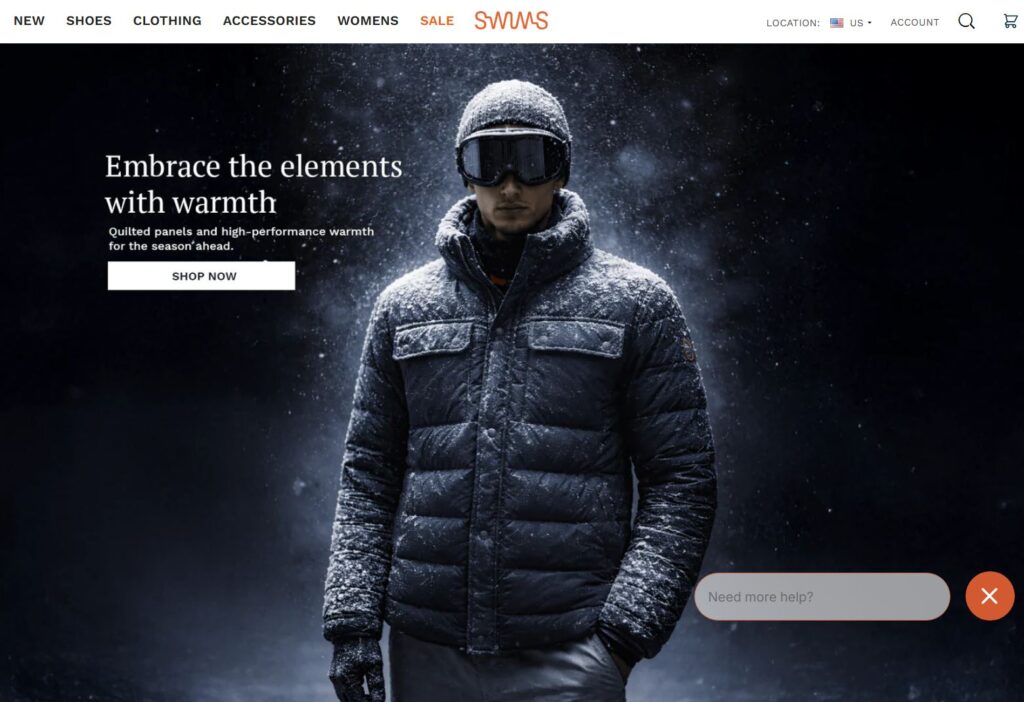
Ever ruined a perfectly good pair of shoes because you didn’t check the weather forecast?
Yeah, we’ve all been there.
You’re dressed sharp, feeling confident, and then BAM—you step directly into a puddle that’s apparently connected to the Earth’s core. Your suede loafers are now swamp creatures, and your day is ruined.
Swims looked at this universal problem and thought: “What if stylish footwear could actually handle weather like a normal product should?”
Wild concept, right?
Now they’re pulling in $97,000 monthly by selling waterproof loafers and boots that don’t look like you’re about to go deep-sea fishing.
Here’s what makes this fascinating…
Most footwear brands compete on either style or function. Fashion-forward shoes that fall apart in light drizzle, or hideous rubber boots that keep you dry but make you look like you’re cosplaying a fisherman. Swims said “why not both?” and created a category where Scandinavian minimalism meets actual waterproofing.
No revolutionary technology. No VC funding rounds. No celebrity endorsements.
Just classic footwear designs reimagined with modern materials and sold directly to style-conscious consumers who are tired of choosing between looking good and staying dry.
And we’re about to break down exactly how they did it.
Ad 🎯 After studying 400+ business models, here’s what actually works for beginners…
Most “make money online” advice is garbage. Complex affiliate schemes. Dropshipping nightmares. Social media “influencing.”
We found something better: lead-generation funnels for manufacturers. Simple. Profitable. Fast results.
Our Max Incubator Phase 1 students are proof—they’re going from zero to their first $1,000 in 90 days with this exact model.
→ See the business idea that’s working for beginners this year
What Swims Actually Does (And Why People Can’t Stop Buying)
Swims isn’t trying to compete with Nike or become the next sneaker phenomenon.
They’re focused on something much more specific: reinventing classic footwear styles with modern, functional materials that perform in real-world conditions.
Think of them as the answer to a question nobody knew they were asking until they saw the solution.
The product line centers on timeless styles reimagined for modern life.
Waterproof loafers that look sophisticated enough for the office but won’t disintegrate when you’re caught in rain. Sleek boots designed for urban environments where puddles are inevitable. Boat shoes that actually make sense beyond nautical settings. And sneakers that blend athletic comfort with water-resistant practicality.
But here’s the genius part…
Swims doesn’t position themselves as “rain shoes” or “bad weather footwear.” They’re stylish shoes that happen to be waterproof, not waterproof shoes that try to look stylish. That subtle distinction matters enormously for brand perception and customer psychology.
Nobody wants to be the person wearing obvious rain gear on a slightly cloudy day. But everybody wants shoes that won’t betray them when the weather turns.
According to research from Statista, the global footwear market generates hundreds of billions annually, with functional fashion footwear representing a growing premium segment.
The Revenue Model: How $97K Monthly Actually Works
Let’s talk numbers, because $97,000 monthly is serious money for a focused footwear brand.
Swims generates revenue through direct-to-consumer e-commerce sales of premium functional footwear.
Premium Pricing for Premium Positioning
Swims operates in the premium footwear segment, with prices typically ranging from $120-$250+ per pair.
This isn’t discount footwear, and that’s intentional.
At $97,000 monthly revenue and assuming $175 average transaction value, they’re moving roughly 550 pairs monthly, just 18 pairs daily. That’s an incredibly manageable volume that doesn’t require massive inventory or complex logistics.
The premium positioning works because quality waterproof materials cost more to source and manufacture. Scandinavian design heritage justifies sophisticated pricing. Target customers value function and fashion equally and will pay for it. And premium pricing filters for customers who appreciate craftsmanship and durability.
When you’re solving a real problem (stylish shoes that handle weather) for a specific audience (urban professionals who care about appearance), premium pricing isn’t a barrier—it’s a signal of quality.
Direct-to-Consumer Advantages
Swims sells primarily through their own e-commerce platform, which fundamentally changes the economics.
They capture full retail margins instead of wholesale rates to department stores. They control the brand experience from first impression to unboxing. They collect customer data for remarketing and relationship building. And they eliminate middlemen who would demand significant margin cuts.
Footwear typically carries 50-60% gross margins at retail pricing. For Swims, that means each $175 pair costs roughly $70-$85 to manufacture, ship, and package, leaving $90-$105 gross profit per unit.
With 550 pairs monthly, that’s approximately $49,500-$57,750 in gross profit before marketing, overhead, and operating expenses.
The Repeat Purchase Factor
While footwear isn’t a consumable product, Swims benefits from natural repeat purchase drivers.
Customers who love their waterproof loafers often buy boots for winter or sneakers for casual wear. Seasonal changes drive different footwear needs throughout the year. Successful products become gifts, expanding customer acquisition organically. And satisfied customers upgrade or replace worn pairs rather than switching brands.
According to Shopify’s e-commerce research, acquiring new customers costs 5-7 times more than selling to existing customers, making repeat purchases crucial for profitability.
What Swims Absolutely Nailed From Day One
Several strategic decisions separate Swims from the graveyard of failed footwear startups.
Category Innovation Through Material Science
Swims didn’t invent loafers or boots, they reinvented them with modern materials.
By focusing on waterproof construction while maintaining classic silhouettes, they created a new category: functional fashion footwear that doesn’t sacrifice style for performance.
This innovation matters because existing solutions forced customers to choose. Fashion brands offered beautiful shoes that failed in rain. Performance brands offered waterproof footwear that looked terrible. Swims eliminated the trade-off.
Category creation is powerful because it reduces direct competition. You’re not fighting established brands on their turf—you’re defining new turf where you’re the pioneer.
Scandinavian Design Heritage as Brand Differentiator
Swims leans heavily into their Scandinavian roots, and this isn’t accidental marketing fluff.
Scandinavian design carries specific associations: minimalism without sterility, function integrated with beauty, quality craftsmanship, and timeless rather than trendy aesthetics.
This heritage positioning accomplishes multiple goals. It justifies premium pricing through perceived quality and thoughtful design. It differentiates from American and Italian footwear brands with different design philosophies. It creates aspirational associations with Nordic lifestyle and aesthetics. And it provides authentic storytelling that resonates with target customers.
Brand heritage, even relatively recent heritage, creates emotional connections that pure product features never can.
Professional Product Photography and Lifestyle Imagery
Swims invests heavily in visual presentation, and it shows.
Every product image is shot professionally with multiple angles, detail shots, and lifestyle contexts. The photography doesn’t just show the shoes—it sells the lifestyle and occasions where you’d wear them.
This matters enormously for premium footwear sold online. When customers can’t touch or try on products physically, visual quality becomes the primary signal of actual quality. Beautiful photography suggests beautiful products.
Lifestyle imagery also helps customers visualize themselves wearing the shoes in relevant contexts: commuting to work, weekend outings, travel, casual Friday. This emotional visualization drives purchase decisions far more effectively than technical specifications.
Detailed Product Descriptions That Educate
Swims doesn’t just list features, they explain why those features matter.
Product descriptions detail the specific materials used and their functional benefits, the construction methods that ensure durability, care instructions that help shoes last longer, and versatility in styling across different occasions.
This educational approach serves multiple purposes. It justifies premium pricing by demonstrating thought and craft behind products. It reduces purchase hesitation by answering questions before they’re asked. It improves SEO through comprehensive, keyword-rich content. And it positions Swims as experts in functional footwear design.
When you’re asking customers to trust a premium-priced product sight unseen, detailed information reduces risk and builds confidence.
The Growth Opportunities Swims Should Pursue
Despite strong fundamentals, Swims has several untapped opportunities for accelerated growth.
Personalization Through Custom Fit Technology
Footwear fit remains the biggest barrier to online shoe purchases.
Swims should implement 3D foot scanning technology that allows customers to input their foot dimensions and receive personalized fit recommendations. This could be as simple as a smartphone app that creates a 3D model of the foot.
Even better, offer limited customization options. Choice of materials or colors, personalized monogramming, or custom width options would increase both average order value and emotional attachment to products.
According to Deloitte’s retail research, personalized products command 20-30% price premiums and see significantly lower return rates.
Smart Technology Integration
The footwear industry is ripe for smart technology integration, and Swims’ functional focus makes them perfect to lead.
Imagine shoes with temperature regulation technology, subtle heating or cooling based on conditions. Activity tracking sensors integrated into insoles. Or moisture-wicking materials that actively manage foot comfort.
These aren’t gimmicks when integrated thoughtfully. For premium-priced functional footwear, smart features could justify even higher pricing while dramatically increasing product differentiation.
Smart footwear also creates ongoing customer relationships through apps and data, opening subscription or service revenue opportunities.
Collaborations With Outdoor and Adventure Brands
Swims currently focuses on urban environments, but their waterproof technology could extend naturally into outdoor and adventure contexts.
Strategic collaborations with hiking gear companies, outdoor apparel brands, or adventure travel companies could introduce Swims to entirely new customer segments while maintaining brand integrity.
Limited edition collaboration collections create urgency, generate press coverage, and tap into established customer bases of partner brands.
Brands like Allbirds have successfully used collaborations to expand beyond their core audience while maintaining premium positioning.
Subscription Model for Footwear Care
Premium footwear requires proper care to maintain appearance and function.
Swims should offer a subscription service providing waterproofing spray, cleaning solutions, and care accessories tailored to their specific materials. Price it at $15-$25 quarterly and suddenly you’re adding $9,000-$15,000 in predictable monthly recurring revenue.
Subscriptions also maintain ongoing customer relationships, keeping the brand top-of-mind when customers need their next pair or want to recommend shoes to friends.
Content Marketing and SEO Expansion
Swims should be dominating content around footwear care, style guides, and functional fashion.
Create comprehensive resources like “The Complete Guide to Waterproof Footwear Care,” “How to Style Loafers for Every Occasion,” and “Functional Fashion: Merging Performance and Style.”
This content drives organic search traffic from people researching footwear topics, positions Swims as thought leaders, provides shareable assets that attract backlinks, and nurtures potential customers before they’re ready to buy.
Your Blueprint for Building a Functional Fashion Footwear Brand
Ready to build your own footwear empire?
Here’s your step-by-step roadmap based on what Swims did right and where they can improve.
Step 1: Identify Your Functional Innovation
Don’t try to compete with established footwear brands on their terms.
Find your specific angle. Sustainable materials with zero environmental compromise. Extreme comfort for people on their feet all day. Convertible styles that adapt to different occasions. Or temperature-regulating technology for extreme climates.
The key is solving a real problem for a specific audience in a way existing brands don’t.
Step 2: Source Quality Manufacturing Partners
Footwear manufacturing requires specialized expertise and equipment.
Research manufacturers specializing in your specific footwear type and materials. Request samples to evaluate quality before committing to large orders. Start with small production runs to test market demand. Build relationships with multiple suppliers to avoid single-point dependency.
Platforms like Alibaba can connect you with manufacturers, but verify quality thoroughly and consider visiting facilities if possible.
Step 3: Build Your E-Commerce Foundation
Your website is your primary sales channel, so invest in quality.
Choose Shopify or WooCommerce for robust e-commerce functionality. Invest heavily in professional product photography showing multiple angles and lifestyle contexts. Write detailed product descriptions explaining materials, construction, and care. Implement size guides and fit recommendations to reduce returns. Set up secure payment processing through Stripe or similar providers.
Your site should feel premium from the first impression.
Step 4: Develop Your Brand Story
Premium footwear needs emotional resonance beyond functional benefits.
Define your brand heritage or design philosophy clearly. Explain why you created the brand and what problem you’re solving. Share the craftsmanship and thought behind your products. Use visual storytelling through photography and video. Create consistent brand voice across all touchpoints.
People don’t just buy shoes, they buy into brands that align with their values and aspirations.
Step 5: Launch With Strategic Marketing
Focus on channels where your target customers actually spend time.
Run targeted Instagram and Facebook ads showcasing lifestyle imagery. Create Google Shopping campaigns for people actively searching for your category. Build content marketing around footwear style, care, and function. Partner with micro-influencers in fashion and lifestyle spaces. Leverage email marketing to nurture leads and drive repeat purchases.
Start with one or two channels, master them, then expand.
Step 6: Obsess Over Customer Experience
Premium brands require premium service at every touchpoint.
Offer generous return policies to reduce purchase anxiety. Provide responsive customer support through multiple channels. Package products beautifully, unboxing should feel special. Follow up after purchase to ensure satisfaction and request reviews. Create loyalty programs rewarding repeat customers.
Every interaction should reinforce that your brand is worth the premium price.
Step 7: Build for Long-Term Value
Think beyond the first sale to lifetime customer value.
Collect email addresses and build your list consistently. Create complementary products that increase purchase frequency. Develop care product subscriptions for recurring revenue. Build community around your brand’s mission and values. Continuously improve products based on customer feedback.
The goal isn’t maximizing first-order profit, it’s building customers who stay with you for years.
Key Takeaways: What Actually Matters for Footwear Success
Let’s distill everything to what really counts.
Category innovation beats direct competition. Swims succeeds by creating a new category (stylish waterproof footwear) rather than fighting established brands in existing categories. Find your unique angle.
Brand heritage justifies premium pricing. Whether Scandinavian design, American craftsmanship, or Italian luxury, authentic heritage creates emotional connections that support higher prices.
Visual quality signals product quality. For online footwear sales, professional photography and lifestyle imagery aren’t optional—they’re essential for communicating value.
Education reduces purchase hesitation. Detailed product information about materials, construction, and care builds confidence and reduces returns.
Direct-to-consumer maximizes margins. Eliminating retail middlemen allows reinvestment in product quality, marketing, and customer experience while maintaining profitability.
The functional fashion footwear market continues growing as consumers increasingly demand products that merge style with performance. Established brands like Rothy’s and Vessi have built multi-million dollar businesses using similar category innovation strategies.
Your Turn to Build
Here’s the truth about footwear businesses…
You don’t need fashion design degrees or massive capital to succeed. You need the ability to identify underserved niches with real problems, sourcing relationships with quality manufacturers, strong branding and visual execution, and commitment to genuinely solving customer problems.
Swims proves that focused footwear brands serving specific audiences can generate substantial monthly revenue through premium positioning and functional innovation.
That same opportunity exists for you.
The question isn’t whether functional footwear can be profitable.
The question is: which function will you own?
Competitors like Atoms demonstrate that even in crowded markets, thoughtful execution and clear value propositions can carve out profitable niches serving thousands of loyal customers.
Your move.