
How to Build a Six-Figure Food Blog in a Specialized Niche (Emmy Winner’s Blueprint)
Here’s something most people don’t realize about food blogging:
The market isn’t saturated. It’s just poorly targeted.
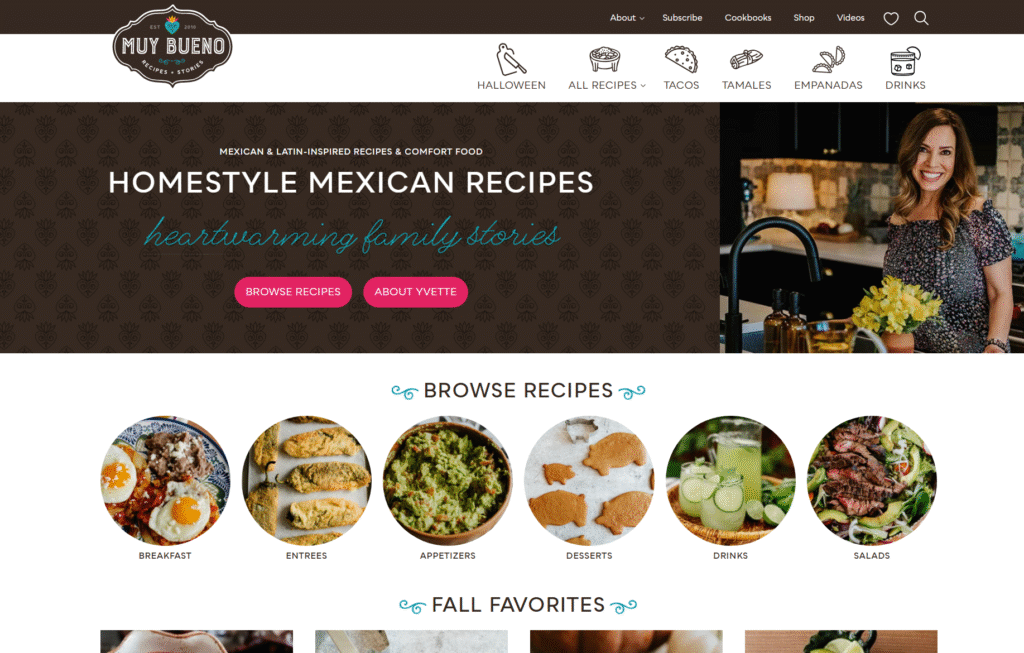
While thousands of generic food bloggers fight over “easy dinner recipes,” one Mexican cuisine blogger quietly built a six-figure empire, won an Emmy award, and partnered with brands like Toyota and Pillsbury.
The secret? She didn’t try to be everything to everyone.
Let me show you exactly how she did it—and how you can adapt her proven framework to any culinary niche.
Ad 🎯 After studying 400+ business models, here’s what actually works for beginners…
Most “make money online” advice is garbage. Complex affiliate schemes. Dropshipping nightmares. Social media “influencing.”
We found something better: lead-generation funnels for manufacturers. Simple. Profitable. Fast results.
Our Max Incubator Phase 1 students are proof—they’re going from zero to their first $1,000 in 90 days with this exact model.
→ See the business idea that’s working for beginners this year
The Food Blog Everyone Underestimated
Picture this: A passionate home cook starts documenting family recipes as an online journal while writing a cookbook. Fast forward a few years, and that simple blog attracts 54,000 monthly visitors, generates over $100,000 annually, and earns television industry recognition.
This isn’t a fairy tale.
It’s the real story of Muy Bueno, a Mexican and Latin cuisine blog that proves specialization beats generalization every single time. The founder, Yvette Marquez-Sharpnack, transformed personal grief—losing her grandmother—into a thriving digital business by preserving family recipes and cultural stories.
But here’s what makes this case study fascinating: It’s not about having secret connections or massive startup capital. It’s about implementing a systematic approach to content, monetization, and audience building that anyone can replicate.
The Five-Stream Revenue Model That Changes Everything
Most struggling bloggers make one critical mistake: they rely on a single income source. Then wonder why their revenue feels unstable.
Muy Bueno generates six figures by diversifying across five distinct revenue streams:
Display Advertising Through Premium Networks
The blog partners with Mediavine, an advertising network that handles everything from ad placement to revenue optimization. With 54,000 monthly organic visitors, those impressions add up quickly. The beauty? Once you’re accepted into Mediavine’s network, the ads run automatically while you focus on creating content.
But here’s the catch most bloggers miss: you need approximately 50,000 sessions per month to qualify for Mediavine. This requirement forces you to build real traffic before monetizing—which actually works in your favor by ensuring you have an audience worth monetizing.
Brand Sponsorships With Household Names
Toyota. Quaker. Pillsbury.
These aren’t small-time sponsors—they’re major corporations paying premium rates. Brand partnerships work because the blog established authority in a specific niche rather than trying to appeal to everyone. When brands want to reach Mexican food enthusiasts, Muy Bueno becomes an obvious choice.
The sponsorship model typically works like this: brands pay the blogger to feature products in recipes, create dedicated content, or include products in social media posts. For niche food blogs with engaged audiences, these deals can range from a few hundred to several thousand dollars per campaign.
Amazon Storefront Commissions
The blog maintains a curated Amazon storefront featuring cooking tools, ingredients, and products used in recipes. Every time someone purchases through these links, the blog earns a commission (typically 1-4% depending on the product category).
What makes this brilliant? The blog doesn’t need to maintain inventory, handle shipping, or deal with customer service. Amazon handles everything while the blog simply recommends products it genuinely uses.
Strategic Affiliate Links Within Content
Beyond the dedicated storefront, the blog weaves affiliate links naturally into recipe posts. Recommending a specific brand of masa harina in a tamales recipe? That’s an affiliate link. Suggesting a particular cast-iron skillet for making tortillas? Another commission opportunity.
The key insight: readers already trust the recommendations because the content proves expertise. They’re not buying because of aggressive sales tactics—they’re buying because they trust the source.
Book Sales and Author Revenue
As a published cookbook author, Yvette leverages the blog as a marketing platform for her books. The website drives traffic to retailers like Amazon and Barnes & Noble, where each book sale adds another revenue stream.
But here’s where it gets interesting: the books also drive traffic back to the blog. Someone discovers her cookbook, wants more recipes, searches for her online, and becomes a regular blog reader. This creates a virtuous cycle where each platform strengthens the other.
The Emmy-Winning Content Strategy Nobody Talks About
Quality matters more than quantity.
I know that sounds like generic advice everyone gives, but stick with me—because the execution here is what separates amateur bloggers from six-figure earners.
Visual Content That Commands Attention
Muy Bueno doesn’t just post recipes with amateur iPhone photos. The blog features vibrant, professionally-styled images that make you want to cook immediately. Every recipe includes clear step-by-step photos showing the cooking process, which reduces confusion and increases recipe success rates.
This visual investment paid off spectacularly when the blog won a Daytime Emmy Award in the “Short Format Program – Informational” category for a Day of the Dead celebration video. That’s right—a food blogger won a television industry award by treating video content with the same production quality as professional media companies.
Think about what that Emmy award represents: instant credibility. When pitching brands for sponsorships, having an Emmy distinguishes you from thousands of other food bloggers. It’s proof that your content meets professional broadcasting standards.
Niche Expertise That Builds Unshakeable Authority
Here’s the counterintuitive truth: the narrower your focus, the more opportunities you create.
Muy Bueno could have been another generic recipe blog covering everything from Italian pasta to Thai curry. Instead, it doubled down on Mexican and Latin cuisine, becoming the definitive resource for anyone interested in this specific culinary tradition.
This specialization strategy offers multiple advantages. First, it’s easier to rank in search engines when you’re not competing with every food blog on the planet. Searching for “authentic Mexican recipes” or “traditional tamales recipe” leads directly to Muy Bueno because the blog’s concentrated expertise signals relevance to search engines.
Second, brands specifically targeting Hispanic audiences or featuring Latin cuisine have limited partnership options. When your blog is one of the few authoritative voices in a niche, you can command higher sponsorship rates because brands have fewer alternatives.
Third—and this is crucial—passionate niche audiences engage more consistently than general audiences. Someone specifically interested in Mexican cooking will return repeatedly, share content within their community, and become a loyal follower. Compare that to someone randomly looking for “easy dinner ideas” who might never return.
Michelle Obama received a signed copy of one of Yvette’s cookbooks. That’s the kind of recognition that comes from being the best in a niche rather than mediocre in a broad category.
Multi-Platform Content Distribution
The blog doesn’t live on its website alone. Muy Bueno maintains active presences on Instagram, YouTube, Pinterest, Facebook, and Twitter—each platform serving a specific purpose in the content ecosystem.
YouTube hosts cooking videos that attract search traffic and build deeper connections with viewers. Pinterest drives recipe discovery through visual search. Instagram showcases finished dishes and builds community through Stories and Reels. Facebook facilitates longer community discussions and recipe sharing.
But here’s the smart part: the content is repurposed rather than recreated from scratch for each platform. A recipe blog post becomes a YouTube video, which gets clipped into Instagram Reels, with step photos shared on Pinterest. One core piece of content multiplies across platforms, maximizing the return on creation effort.
The blog has built an email list exceeding 30,000 subscribers using a lead magnet offering free recipes and bonus content. Email remains one of the highest-converting marketing channels because subscribers have explicitly opted in to hear from you. Unlike social media algorithms that control who sees your content, email puts you directly in someone’s inbox.
The SEO Framework Driving 54,000 Monthly Visitors
Traffic is the foundation of every monetization strategy. No visitors means no ad revenue, no affiliate sales, and no leverage when pitching sponsors.

Here’s how Muy Bueno attracts consistent organic search traffic:
Long-Tail Keyword Targeting That Actually Works
Instead of trying to rank for impossible terms like “Mexican food” (dominated by restaurant review sites and massive food publications), the blog targets specific, achievable keyword phrases with high search intent.
Think “how to make homemade flour tortillas” or “authentic pozole recipe” or “calabacitas con chile verde.” These longer, more specific search phrases have lower competition but higher conversion potential because they indicate someone looking for exactly what the blog provides.
The blog uses keyword research to identify phrases with decent search volume but lower difficulty scores. Tools like Ahrefs or Semrush reveal these opportunities—search phrases that get hundreds or thousands of monthly searches but don’t have highly authoritative sites monopolizing the first page of results.
This strategy allows a relatively small blog to compete effectively against much larger sites because you’re not fighting them head-on—you’re finding gaps they haven’t filled.
Regular Content Updates Signal Freshness
Search engines favor websites that maintain and update their content regularly. Muy Bueno revisits older posts to add new photos, refine instructions, update ingredient recommendations, and incorporate reader feedback.
This content maintenance serves multiple purposes: it signals to Google that the website is actively maintained rather than abandoned, it improves user experience by keeping information current, and it provides opportunities to add new affiliate links or optimize existing ones for better conversion.
Think about it from Google’s perspective: if you’re searching for a recipe, would you rather see a post from 2015 that’s never been touched, or one from 2015 that was updated last month with clearer instructions and better photos? The updated version serves users better, so it deserves higher rankings.
Authoritative Backlinks From Relevant Sites
When respected websites link to your content, search engines interpret those links as votes of confidence. If the Food Network or a major cooking magazine references your recipe, Google sees that as validation of your expertise.
Muy Bueno has built backlinks from high-authority websites in the food and culture space. These didn’t happen by accident—they resulted from creating genuinely useful content that other sites want to reference, participating in the broader food blogging community, and strategic outreach to relevant publications.
Quality trumps quantity with backlinks. One link from a respected food publication carries more weight than dozens of links from random low-quality sites. Focus on creating link-worthy content and building genuine relationships within your niche community.
Site Architecture That Helps Users and Search Engines
The blog organizes content into clear categories (appetizers, main dishes, desserts, beverages, cultural stories, etc.) that help both human visitors and search engine crawlers understand the site structure.
A search bar lets visitors quickly find specific recipes, and analyzing those search queries provides valuable data about what content gaps exist. If dozens of people search for “vegetarian Mexican recipes” but that category doesn’t exist, that’s a clear signal to create more content in that area.
Clean URL structures, fast page loading speeds, mobile responsiveness, proper image optimization—these technical SEO elements work invisibly in the background but significantly impact search rankings and user experience.
The Growth Opportunities Still Sitting on the Table
Despite generating six figures annually, Muy Bueno could implement several strategies to accelerate growth further:
Dramatically Boost Social Media Engagement
With 60,000+ Instagram followers and 21,000 YouTube subscribers, the blog’s videos average only 3,000 views—just 3% of the combined follower count. This represents massive untapped potential.
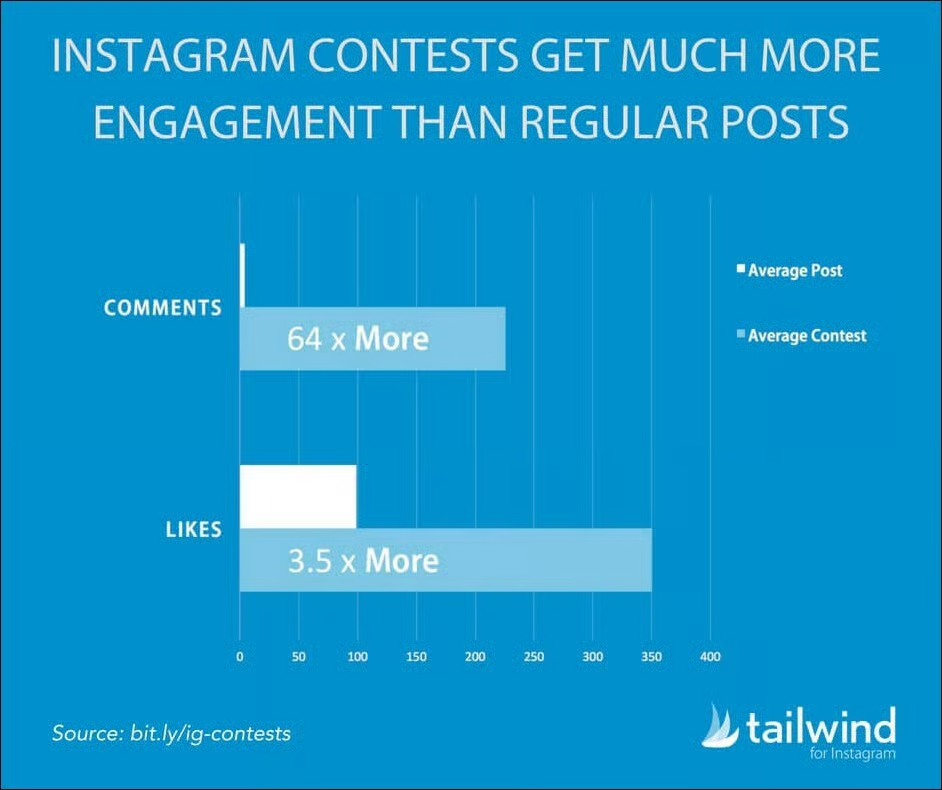
Higher engagement rates could be achieved through more consistent posting schedules, leveraging trending audio and formats (especially on TikTok, where the blog currently has no presence), hosting interactive events like live cooking sessions, and running strategic giveaways that encourage sharing.
TikTok specifically represents a huge opportunity. The platform’s algorithm favors content quality over follower count, meaning even new accounts can go viral if the content resonates. Short-form recipe videos perform exceptionally well on TikTok, and the audience demographics align perfectly with the blog’s niche.
Implement Strategic Calls-to-Action
Many blog posts lack clear next steps for readers. Someone finishes reading a recipe and then… what? The blog could guide visitors toward specific actions: subscribing to the email list, following on social media, browsing related recipes, purchasing recommended tools from the Amazon storefront, or pre-ordering the next cookbook.
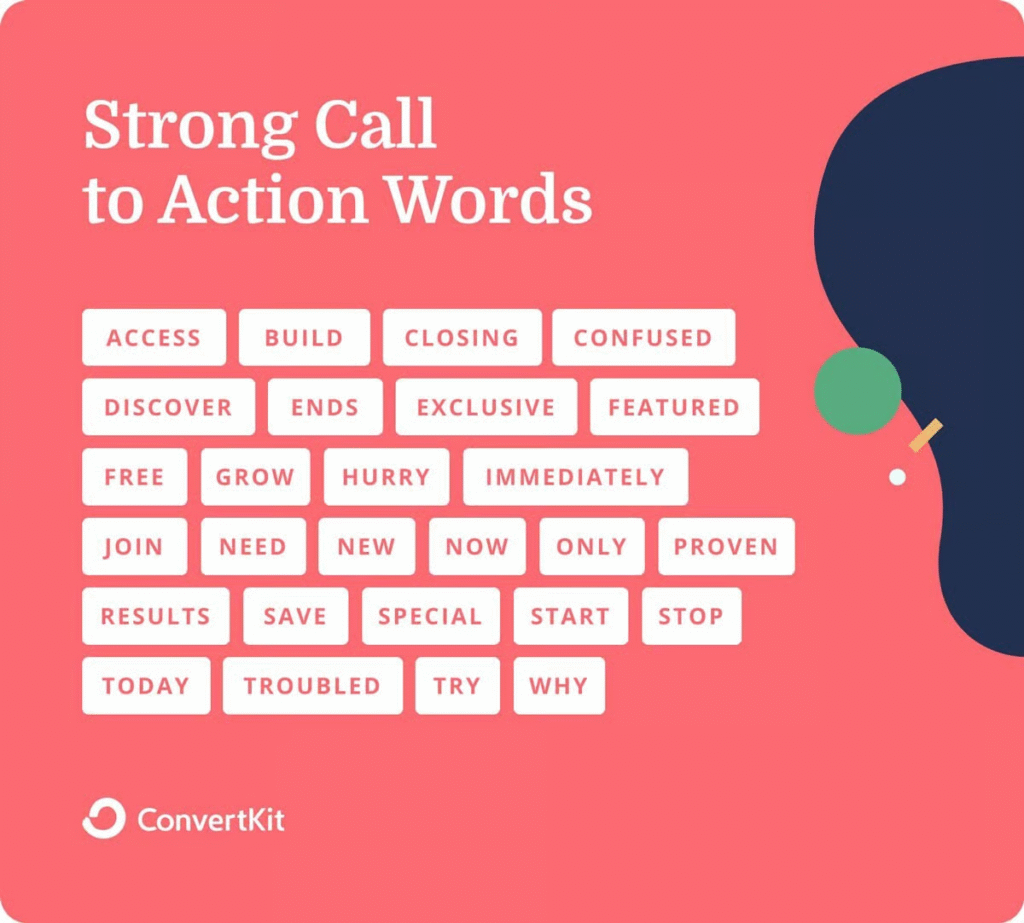
Effective calls-to-action use action-oriented language and appear at strategic points in the content—not just at the end, but woven throughout where they make contextual sense. “Before you start cooking, make sure you have these three essential tools” naturally leads into affiliate product recommendations.
Expand Revenue Streams
The blog could add additional monetization methods: creating paid digital products like meal planning guides or video cooking courses, offering premium membership tiers with exclusive content, selling branded merchandise, or hosting in-person cooking classes and culinary tours.
Each revenue stream diversifies income and reduces dependency on any single source. If display ad rates drop, the other streams maintain stability.
Ad 🎯 Ready to put these strategies into action?
Theory is great, but execution is what drives growth. That’s where Max Business School™ comes in.
Inside, you’ll find step-by-step digital marketing courses (SEO, ads, email, social, content, and more) — taught by professionals, designed for beginners and business owners alike.
And the best part? It’s 100% free, online, and flexible.
→ Join Max Business School Today — Free
Your Roadmap to Replicating This Success
You don’t need to start a Mexican food blog to apply these lessons. The framework works for any culinary niche—French baking, Korean comfort food, vegan soul food, regional American barbecue, gluten-free baking, or Mediterranean cuisine.
Here’s what actually matters:
Choose a niche you genuinely care about. You’ll be creating content about this topic for years. Fake enthusiasm dies quickly, but genuine passion sustains you through the inevitable challenges of building an audience.
Can you commit to this niche for 3-5 years? If not, find a different focus. Building authority takes time, and constantly switching niches resets your progress to zero.
Start with thorough market research. Use tools like Ahrefs to identify what content already ranks well in your chosen niche, what gaps exist, and what questions people are asking but not finding good answers to. Study your potential competitors—not to copy them, but to understand what’s working and identify opportunities they’ve missed.
Competitor analysis reveals patterns: which topics generate the most traffic, what content formats perform best, what keywords you should target first.
Build a simple, clean website optimized for user experience. If you’re not tech-savvy, platforms like WordPress make this accessible. Invest in a quality hosting service (reliability matters more than saving a few dollars monthly), choose a clean, mobile-friendly theme, and ensure fast loading speeds.
Create genuinely valuable content consistently. Not ten posts a week—that’s unsustainable. Instead, commit to publishing 2-3 exceptional posts weekly. Each recipe post should include detailed instructions, helpful tips, clear photos or videos, and personal stories that connect with readers emotionally.
Remember: you’re not just sharing recipes. You’re teaching people to cook, preserving cultural traditions, creating memories, or helping someone impress their dinner guests. That larger mission infuses your content with purpose beyond the ingredients list.
Implement proper SEO from day one. Don’t create content and hope people find it—research keywords before writing, optimize your posts for search engines, build internal links between related content, and prioritize earning backlinks from respected sites in your niche.
SEO isn’t magic—it’s systematic optimization that compounds over time. Your tenth blog post benefits from the SEO work you did on posts one through nine.
Build an email list from the start. Every visitor who leaves without subscribing is a missed opportunity for future engagement. Offer something valuable in exchange for email addresses—a free recipe ebook, meal planning templates, a shopping list guide, or exclusive recipes not published on the blog.
Email marketing consistently delivers the highest ROI of any digital marketing channel. Your list is an asset you own, unlike social media followers who exist on rented platforms.
Diversify across multiple platforms. Publish your primary content on your blog (where you control everything), but distribute it across YouTube, Pinterest, Instagram, and TikTok to maximize reach. Each platform introduces your content to new audiences who might not have found your blog otherwise.
Don’t monetize too early. Focus first on building traffic and establishing authority. Display ad networks like Mediavine require minimum traffic thresholds for a reason—monetizing before you have substantial traffic won’t generate meaningful income and might harm user experience with intrusive ads.
Build first, monetize second. The foundation determines how high you can build.
The Real Lesson Nobody Wants to Hear
Building a six-figure food blog takes years, not months.
Muy Bueno started as a simple online journal documenting cookbook research. It evolved into a thriving business through consistent effort, strategic decisions, and commitment to quality over quick wins.
Most people abandon their blogs after six months because they don’t see immediate results. That’s exactly why this opportunity exists—your willingness to persist separates you from 90% of people who start and quit.
The playbook is here. The strategies are proven. The market opportunity exists in countless underserved culinary niches.
The only remaining question: Will you actually do it?
If you’re serious about building a content-based business, the food blogging model offers clear paths to multiple revenue streams, proven monetization methods, and genuine lifestyle freedom once established. You’re trading immediate gratification for long-term assets that generate income while you sleep.
Start researching your niche today. Study the successful blogs in that space. Identify three topics you could cover better than existing content. Register your domain name before someone else takes it.
The best time to start was five years ago. The second best time is now.