
How One Realtor Earns $100K+ Yearly Using SEO (While Competitors Cold Call)
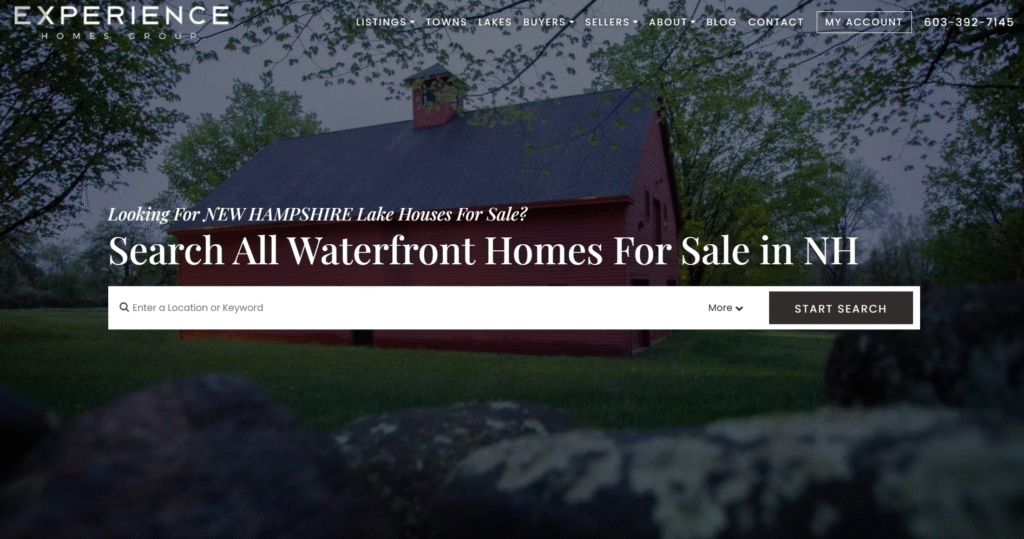
Real estate agents hate hearing this:
Cold calling is dead weight. Door knocking is a waste of shoe leather. And buying leads from Zillow is basically paying for the privilege of losing money.
Meanwhile, one realtor in New Hampshire sits at his computer and watches qualified leads flow in through his website.
Every. Single. Day.
No pestering strangers during dinner. No awkward doorstep conversations. No bidding wars over overpriced leads.
Just strategic SEO, smart lead generation systems, and a website that works harder than most agents ever will.
The business generates at least $100,000 annually—and that’s a conservative estimate based on average commission rates. The actual number is likely higher.
Here’s what makes this case study valuable: the strategy is completely portable. Whether you’re selling real estate in New Hampshire or Arizona, the principles work the same way. And honestly? They work for almost any local service business.
Let me show you exactly how this works.
Ad 🎯 After studying 400+ business models, here’s what actually works for beginners…
Most “make money online” advice is garbage. Complex affiliate schemes. Dropshipping nightmares. Social media “influencing.”
We found something better: lead-generation funnels for manufacturers. Simple. Profitable. Fast results.
Our Max Incubator Phase 1 students are proof—they’re going from zero to their first $1,000 in 90 days with this exact model.
→ See the business idea that’s working for beginners this year
The Business Model That Turns Website Traffic Into Six Figures
Most realtor websites are digital business cards. Pretty pictures of houses, a contact form nobody fills out, and traffic that bounces faster than a rubber ball on concrete.
This business does something smarter: it operates as a lead generation machine with multiple capture points.
The primary function is straightforward—the site lists waterfront properties across New Hampshire. Lakefront homes, riverfront properties, oceanfront estates. Also land for sale, new construction, and multi-family properties.
But here’s where it gets interesting: the business uses a platform model that connects multiple real estate agents with potential buyers. Other realtors can list their properties on the site, expanding the inventory without requiring direct involvement in every transaction.
Revenue stream one: Direct commissions from properties the owner personally closes. Standard real estate commissions on sales typically range from 2.5% to 3% per transaction.
Revenue stream two: Referral fees from connecting buyers with other agents on the platform. When a lead generated through the website buys a property listed by another agent, the platform owner gets a referral fee without doing the heavy lifting of closing the sale.
This dual approach creates efficiency. Every property listing serves potential buyers while also providing revenue opportunities whether the owner closes the deal personally or refers it out.
The brilliance isn’t complexity—it’s systematic lead capture that removes cold prospecting from the equation entirely.
Local SEO: The Strategy That Beats Paid Advertising
Here’s a truth that makes most realtors uncomfortable: paid advertising is a hamster wheel. You pay, you get leads. You stop paying, the leads stop coming.
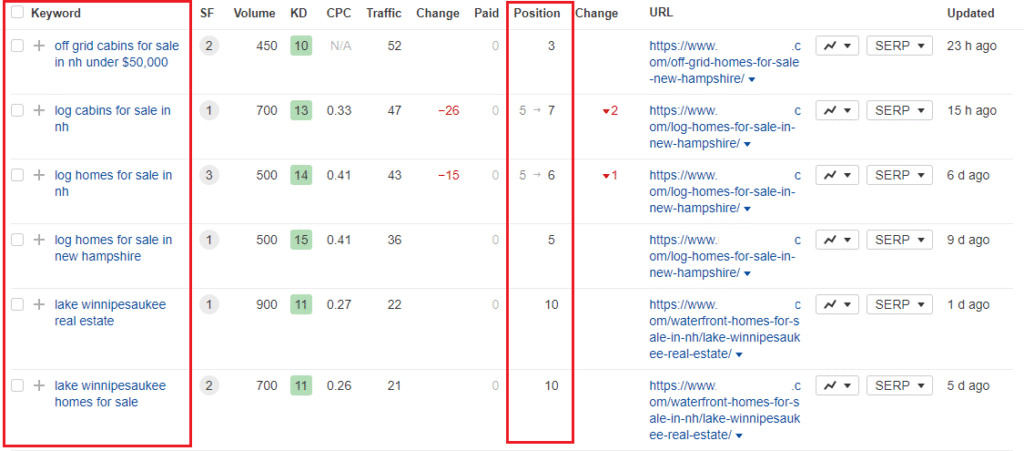
SEO is different. You build it once, and it keeps delivering.
This real estate business pulls decent traffic without published blog articles. How? Ruthlessly strategic use of relevant keywords throughout the site.
Every meta tag, title tag, header, and image alt tag includes search terms that potential buyers actually use. Not generic phrases like “waterfront homes” but specific combinations like “Lake Winnipesaukee lakefront homes under $500K” or “Squam Lake waterfront property with dock.”
The strategy focuses on long-tail keywords with medium to low competition. Instead of fighting impossible battles against Zillow and Realtor.com for generic terms, they dominate specific searches with clear buying intent.
Think about the difference between these searches:
“New Hampshire real estate” – vague, high competition, unclear intent “Lake Sunapee waterfront homes for sale” – specific, lower competition, clear intent
The second search comes from someone ready to buy, not just browsing. Those are the keywords worth ranking for.
The sites get regularly updated to incorporate new relevant keywords and maintain visibility. Search engines reward fresh, relevant content with better rankings. Stale websites get buried.
And here’s the part that most realtors miss: local SEO provides compounding returns. Every month you rank well is a month you generate leads. Those leads often convert months or even years later when buyers are finally ready to purchase.
The upfront work pays dividends forever. Compare that to pay-per-click advertising where every lead costs money and stops the second you pause your campaigns.
According to research from industry studies, businesses that rank on page one of Google for relevant local searches generate significantly more leads than those relying solely on paid advertising—and at a fraction of the long-term cost.
Lead Generation Systems That Capture Buyers at Every Stage
Most real estate websites have one pathetic contact form buried at the bottom of the page.
This business? It’s a lead capture fortress with multiple entry points designed for different stages of the buyer journey.
The VIP Buyer Program is the cornerstone strategy. Visitors sign up for personalized home searches and receive email alerts when properties matching their criteria hit the market. Not generic email blasts—tailored notifications about homes they actually want to see.
Here’s the psychological brilliance: people who sign up are pre-qualifying themselves. They’re saying “I’m serious enough about buying to create an account and set preferences.” That’s a warm lead, not a cold prospect.
When someone joins the program, their contact information goes directly to a licensed agent who reaches out to discuss their home search needs. The conversation starts from qualified interest, not intrusive cold calling.
The Home Valuation Tool captures sellers with equal effectiveness. Homeowners enter their property details to estimate current market value. In exchange, they provide contact information.
Again, the self-qualification is built in. Someone requesting a home valuation is considering selling. They’re not just browsing—they’re researching. That makes them exponentially more valuable than a random contact scraped from public records.
The submitted information routes to an agent who initiates conversation about selling needs, market timing, and listing strategy.
Additional resources for buyers and sellers create even more capture points. Information about the home buying process, property tax rates, neighborhood guides, school district ratings—all valuable content that keeps visitors engaged while building trust.
Each resource serves dual purposes: it provides genuine value while also moving prospects deeper into the funnel. Someone who reads your neighborhood guide is more likely to work with you than someone who just scrolled past property photos.
The multi-layered approach means visitors who aren’t ready for direct contact can still engage with the business through lower-commitment actions. Over time, those relationships develop into transactions.
This is what separates amateur websites from revenue-generating machines. Amateurs hope someone fills out a contact form. Professionals build systematic lead capture that works 24/7.
The Platform Strategy That Multiplies Inventory Without Multiplying Work
Here’s a problem every realtor faces: you can only personally manage so many listings and clients. There are only so many hours in a day.
The platform approach solves this by creating a marketplace where other agents list their properties, expanding available inventory without requiring direct involvement in every transaction.
It works like this: other realtors upload their listings to the site. The increased property selection attracts more buyers. More buyers create more traffic. More traffic generates more leads for everyone.
The business benefits through referral fees when leads generated through the platform result in closed sales with other agents. It’s essentially creating a network effect where growth becomes self-sustaining.
Think about the leverage here. Every property another agent adds increases the site’s value to buyers. Every buyer the site attracts increases its value to selling agents. The platform becomes more valuable to everyone as it grows.
This strategy also creates competitive advantage. A solo agent with 15 personal listings competes with brokerages managing hundreds of properties. A platform aggregating listings from multiple agents competes on inventory without requiring proportional growth in personal workload.
The model scales in ways traditional real estate businesses can’t. One person can manage a platform serving dozens of agents and hundreds of listings. Try managing that many client relationships personally and you’ll burn out in weeks.
Platform businesses dominate industry after industry precisely because they leverage other people’s assets and efforts. Uber doesn’t own cars. Airbnb doesn’t own properties. This real estate business doesn’t need to personally list every property it helps sell.
User Experience: The Underrated Conversion Factor
You can drive all the traffic in the world to your website. If the experience is confusing, slow, or ugly, that traffic converts to exactly nothing.
This business nails user experience through several key elements that sound boring but make enormous differences in conversion rates.
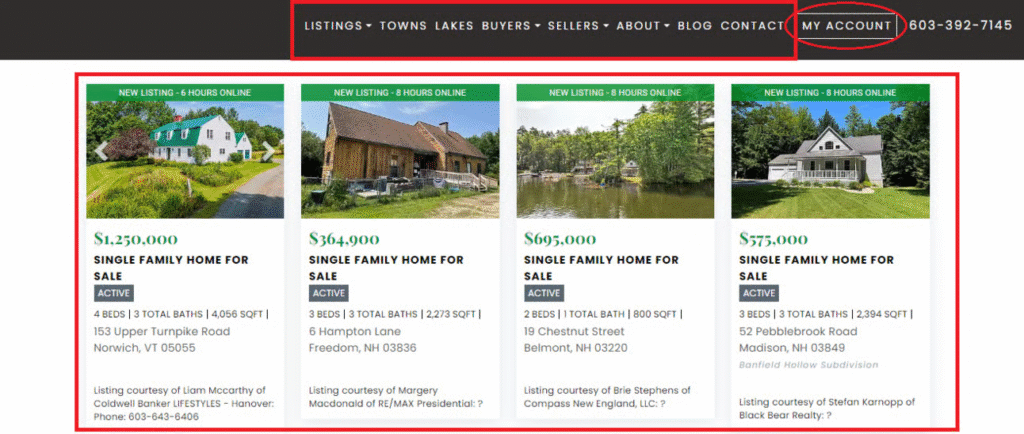
Clean, intuitive navigation means visitors find what they want quickly. Property search is prominently featured. Categories are logical. Information hierarchy makes sense.
When someone lands on the site, they immediately understand how to search for properties, learn about the buying process, or contact an agent. There’s no treasure hunt required to find basic functionality.
The account creation option provides personalized experiences. Users save search preferences, view saved properties, and receive alerts for new listings matching their criteria. This transforms one-time visitors into engaged users who return regularly.
From the business perspective, accounts provide valuable data about user preferences and behaviors. What price ranges are people searching? Which neighborhoods get the most attention? What features are most requested?
This intelligence informs everything from marketing strategy to which properties to prioritize in outreach.
Mobile responsiveness ensures the site works flawlessly on smartphones and tablets. Considering that more than half of real estate searches happen on mobile devices, a site that looks broken on phones is leaving massive money on the table.
Page load speed stays fast even with high-resolution property photos. Every second of delay increases bounce rate. Patient internet users are a myth—people leave slow sites immediately.
The visual design is professional without being flashy. It showcases properties effectively while maintaining credibility. Think “established business” rather than “made this website in 2003 and never updated it.”
Here’s what many business owners miss: user experience is not about making your website pretty. It’s about removing friction from the path between visitor and conversion. Every confusing element, every slow-loading page, every broken link is money walking away.
The Opportunities They’re Ignoring (And You Shouldn’t)
Despite six-figure annual revenue, this business leaves obvious opportunities unexploited. Understanding these gaps helps you build a more complete strategy from day one.
Social media presence is essentially abandoned. Facebook and YouTube accounts exist but show no recent activity. This matters because social platforms are where people spend enormous amounts of time—and where real estate content performs exceptionally well.
Home tours on Instagram Stories. Market update videos on YouTube. Neighborhood spotlights on Facebook. Behind-the-scenes TikToks showing what realtors actually do all day. All of these formats work brilliantly for real estate content.
Research from social media strategy firms shows that consistent social presence increases brand awareness and consumer trust dramatically more than sporadic posting or no presence at all.
The platform algorithms reward consistency. Posting three times weekly builds momentum. Posting once every three months is invisible.
Content marketing is completely absent. The site has zero blog posts. No articles about the home buying process, no neighborhood guides, no market analysis, no renovation tips, no staging advice—nothing.

This is particularly frustrating because blog content serves multiple crucial functions for real estate businesses:
It improves SEO by creating fresh, keyword-rich content that search engines love. Every blog post is a potential entry point for organic traffic.
It establishes thought leadership and expertise. People work with agents they perceive as knowledgeable. Regular helpful content demonstrates that knowledge.
It provides shareable material for social media. Those platforms demand content. Blog posts become that content.
It generates backlinks from other sites. Quality content gets referenced and linked to by others, which boosts domain authority and search rankings.
Studies from HubSpot reveal that companies publishing regular blog content generate significantly more leads than those without blogs. For a business already succeeding through organic traffic, adding content marketing would be like switching from a rowboat to a motorboat.
Imagine publishing two articles weekly about New Hampshire real estate markets, waterfront property buying tips, and local area guides. Each post ranks for additional keywords, attracts new visitors, and demonstrates expertise that converts readers into clients.
Testimonials are not prominently featured. Social proof exists somewhere on the site, but it’s not front and center on the homepage where every visitor sees it immediately.
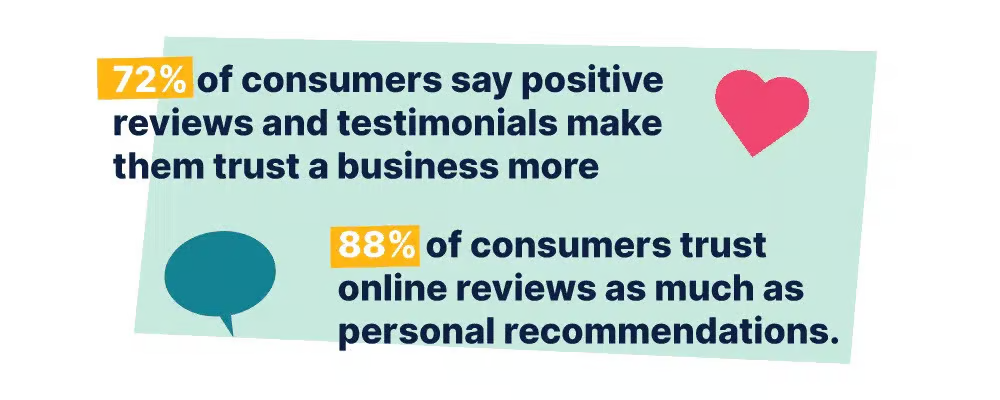
Success stories and client testimonials should be impossible to miss. They should appear on the homepage, on property listings, on the contact page—everywhere potential clients might need that final nudge toward reaching out.
Video testimonials are especially powerful for real estate because they capture authentic emotion that written text can’t match. Seeing a happy couple talk about finding their dream home creates trust no amount of written copy achieves.
Ad 🎯 Ready to put these strategies into action?
Theory is great, but execution is what drives growth. That’s where Max Business School™ comes in.
Inside, you’ll find step-by-step digital marketing courses (SEO, ads, email, social, content, and more) — taught by professionals, designed for beginners and business owners alike.
And the best part? It’s 100% free, online, and flexible.
→ Join Max Business School Today — Free
The Real Person Behind the Results
The business we’ve been examining is Experience Homes Group, founded by Link Moser.
His entry into real estate came through unusual circumstances. At age 20, a neighbor invited him to join their real estate company. With background in marketing and web design, Link built the company’s website and handled online marketing.
During that work, he encountered inquiries he couldn’t personally satisfy. Rather than turning them away, he referred those leads to other agents in exchange for referral fees upon closing.
That referral system sparked the idea for his platform-based approach.
Eventually he went all-in, purchasing two established websites—Cutoffscores.com and Ncoonfire.com (note: these domain names appear to reference his other business ventures)—as foundations for his real estate operations.
Actually, the correct domains for his real estate business are related to NH waterfront properties.
The decision to buy existing domains with established traffic rather than building from scratch gave him immediate advantages. Existing domain authority, some established rankings, and traffic that wasn’t starting from zero.
Link’s marketing and web design background created competitive advantages that traditional realtors lack. He understood SEO, user experience, and digital marketing before entering the industry. Most realtors learn these skills slowly and reluctantly after years of frustration with ineffective marketing.
That technical expertise combined with real estate knowledge created the perfect skillset for building an online-dominant real estate business.
What This Case Study Teaches About Local Service Businesses
The real estate specifics are interesting, but the underlying principles apply to almost any local service business. Let’s extract the universal lessons:
Local SEO is non-negotiable. If you serve customers in specific geographic areas, ranking in local search results is the most cost-effective lead generation strategy available. Optimize for location-specific keywords, maintain consistent NAP (name, address, phone) citations, and gather reviews.
Lead magnets work for offline businesses too. The VIP Buyer Program and Home Valuation Tool are lead magnets. They provide immediate value in exchange for contact information. What’s your equivalent? Free consultations, assessment tools, planning guides—anything that solves a small problem while qualifying prospects.
Platform strategies create unfair advantages. If your business model allows aggregating offerings from multiple providers, you gain inventory and variety that solo practitioners can’t match. This works for real estate, consulting, creative services, and many other industries.
User experience directly impacts revenue. Slow sites, confusing navigation, and mobile-unfriendly designs cost you money every single day. Investing in excellent user experience isn’t optional—it’s fundamental.
Abandoned opportunities are everywhere. Even successful businesses leave money on the table. The gaps in their strategy become opportunities in yours. Don’t just copy what’s working—also implement what they’re missing.
Technical skills multiply domain expertise. Link’s combination of real estate knowledge and digital marketing skills created competitive advantage neither skillset provides alone. What technical skills could you develop that would multiply your domain expertise?
Content marketing compounds over time. Every blog post, every video, every resource you create continues attracting visitors and generating leads indefinitely. The work you do this month still pays dividends five years from now.
Your Action Plan for Replicating This Success
If you’re in real estate or any local service business, here’s how to build similar results:
Audit your current web presence. Be brutally honest. Does your site load quickly? Is navigation intuitive? Does it work perfectly on mobile? Is there a clear path for visitors to become leads?
Implement local SEO fundamentals. Research keywords your ideal customers actually search for. Optimize every page for relevant local terms. Ensure your Google Business Profile is complete and optimized. Build citations on local directories.
Create systematic lead capture. Don’t rely on a single contact form. Build multiple entry points for prospects at different stages. Lead magnets for early-stage researchers. Consultation requests for those ready to talk. Property alerts, valuation tools, or assessment services appropriate to your industry.
Develop content that ranks and converts. Start publishing regular content targeting keywords your audience searches for. Answer common questions. Provide helpful resources. Demonstrate expertise through teaching.
Build or join a platform. If your business model allows it, create ways to aggregate offerings from others in your field. If you can’t build a platform yourself, consider joining one that already exists and has traffic.
Gather and display social proof. Request testimonials immediately after successful transactions. Ask for specifics—what problem was solved, what result was achieved, why they’d recommend you. Display these prominently everywhere potential customers might look.
Invest in user experience. Fast loading, intuitive navigation, mobile-friendly design, clear calls-to-action. These aren’t luxuries. They’re requirements.
Show up consistently somewhere social. Choose one or two platforms where your ideal customers spend time. Post valuable content regularly. Engage authentically. Build relationships that eventually become transactions.
Track what works. Use Google Analytics to understand where traffic comes from and what converts. Double down on effective channels. Eliminate or fix ineffective ones.
The $100,000+ annual real estate business we examined didn’t happen overnight. It’s the result of strategic SEO, systematic lead generation, and platform thinking applied consistently over time.
Your market is different. Your specific tactics will vary. But the underlying principles remain constant: be findable, be helpful, make conversion easy, and build systems that work while you sleep.
Most realtors are still cold calling and door knocking because they don’t know there’s a better way. Now you do. The only question is whether you’ll actually implement it.