
How to Build a $20K/Month Dropshipping Business (Without Touching Inventory)
Most people think dropshipping died in 2017.
They’re wrong, but I understand why they think that.
The internet is cluttered with abandoned stores selling generic products nobody wants, built by people following outdated YouTube tutorials promising “passive income while you sleep.”
Spoiler alert: that doesn’t work. Never did.
But here’s what does work: finding a specific niche, solving a real problem with genuinely innovative products, and building a brand that customers actually remember and trust.
One European makeup accessories brand proves this brilliantly, generating $20,000 in monthly net profit while maintaining zero physical inventory. Annual revenue sits around half a million dollars.
Not bad for a business model the internet keeps declaring dead.
The difference between this success story and the thousands of failed dropshipping stores comes down to strategic choices that most entrepreneurs skip entirely. Let me walk you through exactly how this works.
Ad 🎯 After studying 400+ business models, here’s what actually works for beginners…
Most “make money online” advice is garbage. Complex affiliate schemes. Dropshipping nightmares. Social media “influencing.”
We found something better: lead-generation funnels for manufacturers. Simple. Profitable. Fast results.
Our Max Incubator Phase 1 students are proof—they’re going from zero to their first $1,000 in 90 days with this exact model.
→ See the business idea that’s working for beginners this year
The Dropshipping Model That Actually Works
Let’s clear something up immediately:
Dropshipping isn’t inherently bad. Lazy dropshipping is bad. Generic dropshipping is bad. Dropshipping random products from AliExpress with zero quality control is bad.
But strategic dropshipping? That’s a legitimate business model that eliminates massive capital requirements while maintaining healthy profit margins.
Here’s how this makeup accessories brand structures its operations:
Zero inventory risk. The business doesn’t purchase products until customers order them. No warehouse full of unsold merchandise. No capital tied up in inventory that might never sell. No panicking about seasonal overstock.
Traditional retail requires massive upfront investment in inventory based on sales projections that are educated guesses at best. Get those projections wrong, and you’re stuck with products you can’t move. Dropshipping eliminates that risk entirely.
Streamlined fulfillment. When orders come in, suppliers ship products directly to customers. The business never physically handles the products. This reduces operational overhead dramatically—no warehouse staff, no packaging materials, no shipping logistics to manage internally.
The business focuses on the parts that matter most: marketing, customer service, and brand building. Everything else is outsourced to suppliers who specialize in fulfillment.
Diverse product range without proportional investment. Traditional retailers are limited by how much inventory they can afford to stock. Dropshippers can offer extensive catalogs because they don’t purchase inventory upfront.
This brand carries a full range of makeup accessories and tools. Expanding the product line requires finding new supplier relationships, not raising capital for inventory purchases. That flexibility enables rapid response to market trends and customer requests.
Enhanced scalability. As sales grow, the business doesn’t need to invest proportionally in infrastructure. Suppliers handle the increased volume. The brand focuses on driving more traffic and optimizing conversion rates.
Compare that to traditional retail where growth requires warehouse expansion, additional staff, and more working capital to maintain larger inventory levels. Dropshipping scales without those constraints.
Focus on customer satisfaction. By outsourcing fulfillment, the business dedicates resources to exceptional customer service rather than operational logistics. Fast response times, helpful support, and smooth shopping experiences build loyalty that compounds over time.
This is where most dropshippers fail. They think the business is finding products and running ads. It’s actually about building trust and delivering excellent experiences. Get that backwards, and all the paid advertising in the world won’t save you.
The Product Strategy That Commands Premium Prices
Here’s the uncomfortable truth about dropshipping:
You can’t win on price if you’re selling the same products everyone else sells.
Someone will always undercut you. Always. Race to the bottom is a race you lose even if you win.
This brand sidesteps price competition entirely through one key decision: they feature an exclusive, innovative signature product.
The Vanity LED Smart Case is their star offering. It’s a portable makeup mirror with LED lighting built directly into a protective case. Simple concept. Massive value proposition.
Think about the problem it solves: applying makeup in poor lighting leads to uneven application, mismatched shades, and mistakes you don’t notice until you’re outside in natural light. Embarrassing. Frustrating. Common.
The LED mirror case solves this completely. Consistent, flattering lighting anywhere—dark hotel rooms, dim bathrooms, backstage areas, early morning before sunrise, late evening after sunset.
And because it’s packaged in a protective case, it’s actually portable unlike traditional lighted vanity mirrors that are bulky and fragile.
The product positioning is brilliant: “providing the perfect amount of light for makeup application.” That’s not a feature description. That’s a benefit statement that resonates immediately with anyone who’s ever struggled with makeup in poor lighting.
Rather than competing on price for generic makeup tools that customers can buy anywhere, they compete on innovation for a specific product that solves a real problem better than alternatives.
Price becomes secondary when you’re the best solution. People pay premium rates for products that genuinely improve their lives.
The signature product strategy also creates word-of-mouth growth. When someone uses the LED mirror case and loves it, they tell friends. They share it on social media. They become unpaid brand advocates because the product legitimately improved their makeup routine.
Generic dropshipped products don’t create advocates. They create indifferent customers who forget about you immediately after delivery.
The Branding That Turns Commodities Into Premium Products
Let’s play a game.
Close your eyes and picture a typical dropshipping store. What do you see?
Probably a generic Shopify theme. Stock photos. Descriptions copy-pasted from suppliers. No personality. No brand identity. Nothing memorable whatsoever.
That’s exactly what NOT to do.
This makeup accessories brand built distinctive branding that makes the business memorable and positions products as premium offerings rather than cheap alternatives.
Clear, concise value proposition immediately communicates benefits. Visitors understand within seconds what problems get solved and why the products matter. No confusion. No vague marketing speak. Just straightforward communication about how LED mirrors improve makeup application.
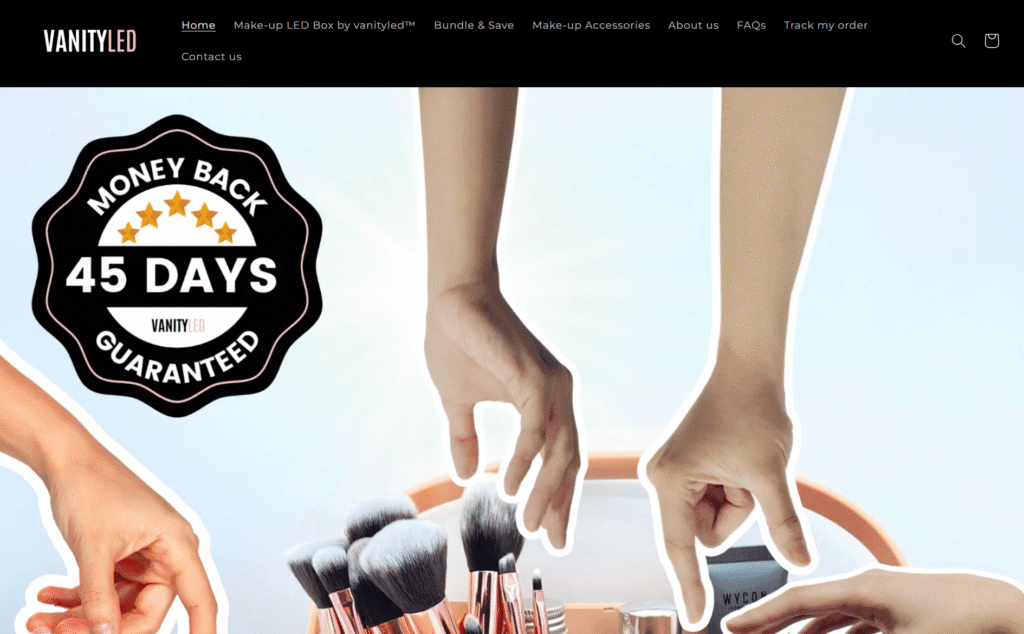
Visual appeal through high-quality imagery. The homepage features professional photos and videos showing products in use. Not just product shots on white backgrounds—actual demonstrations of the mirror being used in real scenarios.
The featured image shows a woman gracefully applying makeup in front of a VanityLED mirror. That single image communicates the entire value proposition wordlessly. You see it and immediately understand what the product does and why someone would want it.
Easy navigation organized by clear categories. The site structure helps visitors find exactly what they want quickly. Browse by product type, browse by use case, browse by bestsellers—multiple paths to discovery that accommodate different shopping behaviors.
Friction kills conversions. Every second of confusion is a potential bounce. Intuitive navigation reduces friction.
Compelling calls-to-action guide visitors toward desired actions. The homepage prominently features “Shop Our Best Seller” which directs traffic toward the highest-converting product. Other CTAs encourage newsletter signups to build the email list.
The button copy matters. “Shop Our Best Seller” outperforms “Shop Now” because it combines urgency (everyone else is buying this) with social proof (it’s popular) with direction (this is where to start).
Highlighting the signature product’s unique benefits throughout the site reinforces why this particular mirror is special. The messaging consistently emphasizes portability, lighting quality, and the problems solved by having perfect lighting available anywhere.
Consistent messaging across all touchpoints—homepage, product pages, about page, social media—builds brand recognition and trust. Customers encounter the same core message repeatedly until it becomes familiar and credible.
This is premium branding applied to a dropshipping business. The products might ship from suppliers, but the brand experience is entirely unique and controlled by the business.
The Missing Opportunities That Could Double Revenue
Despite healthy profit margins, several obvious growth opportunities remain unexploited.
Content marketing is essentially nonexistent. The site lacks a blog with makeup tutorials, lighting tips, beauty advice, or any educational content beyond basic product descriptions.
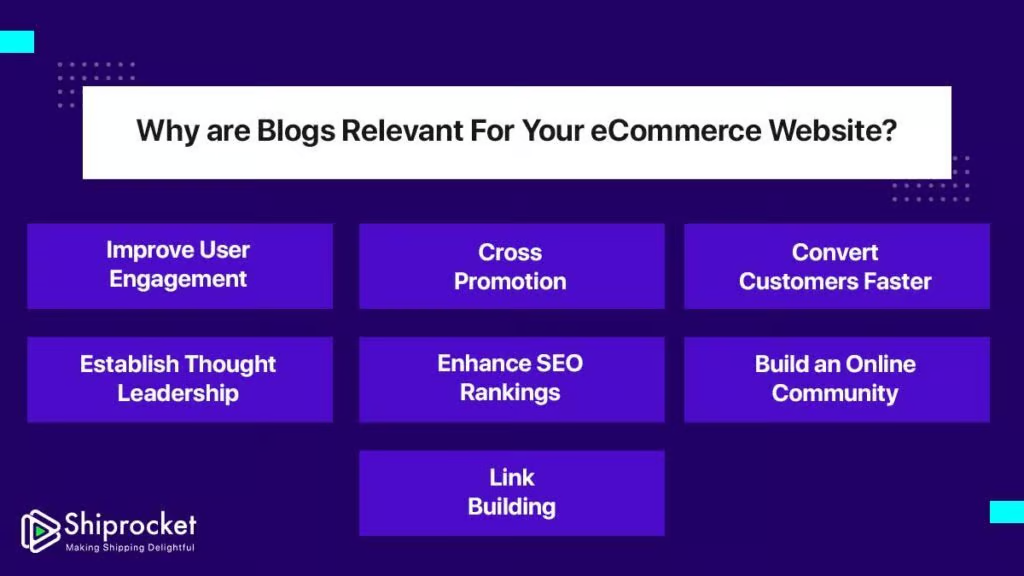
This matters enormously for several reasons:
Content attracts organic search traffic. People searching “how to apply makeup in low light” or “best portable makeup mirrors” or “makeup lighting tips” could discover the brand through helpful articles that rank in search results.
Content establishes authority. Publishing genuinely useful makeup tips and tutorials positions the brand as experts in beauty and lighting, not just sellers of products.
Content provides material for social media. Instead of only posting product photos, the brand could share tips, tutorials, and advice that adds genuine value to followers’ lives.
Research from content marketing studies shows that brands publishing regular helpful content generate significantly more organic traffic and leads than those without content strategies.
Imagine if this brand published two articles weekly about makeup techniques, lighting strategies, and beauty tips. Each post would be a potential discovery point for new customers while building trust with existing audiences.
Social media presence needs dramatic improvement. While profiles exist on Instagram and Facebook, posting frequency and engagement are lackluster.
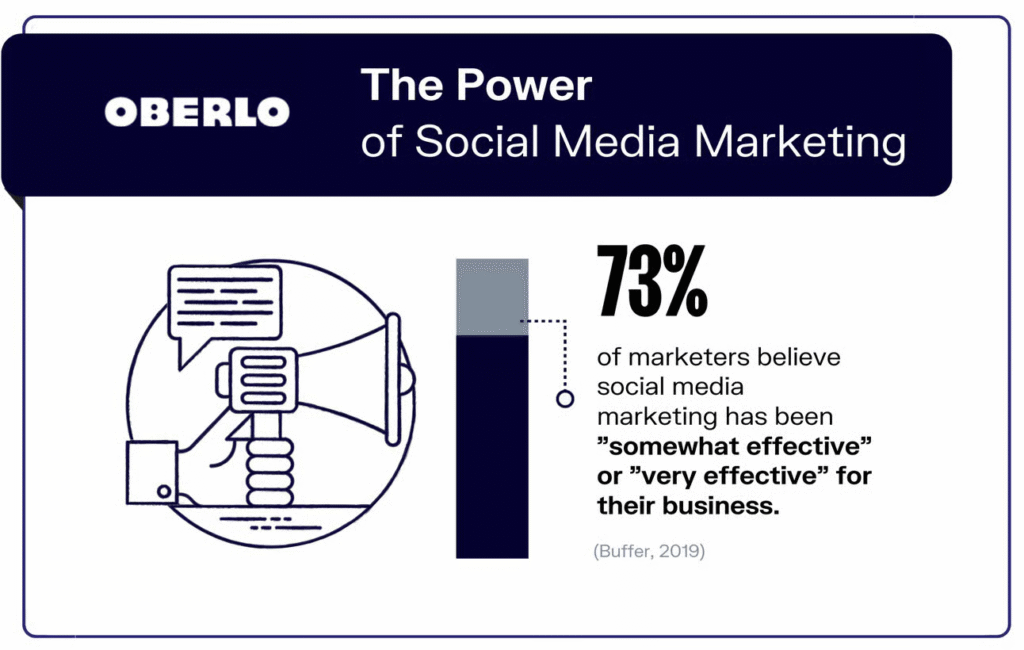
For a visual product like lighted makeup mirrors, Instagram is absolutely perfect. Yet the brand underutilizes it completely.
Consider the content opportunities: before/after makeup photos showing the difference proper lighting makes, video tutorials demonstrating the mirror in use, user-generated content from satisfied customers, behind-the-scenes glimpses of new product development, makeup tips and tricks that showcase the products.
Regular, engaging social content would drive traffic, build community, and create more touchpoints with potential customers. And paid social advertising—particularly Instagram and Facebook ads—would enable precise targeting of makeup enthusiasts most likely to purchase.
SEO optimization is minimal. The site doesn’t appear to target relevant keywords aggressively or implement comprehensive technical SEO.
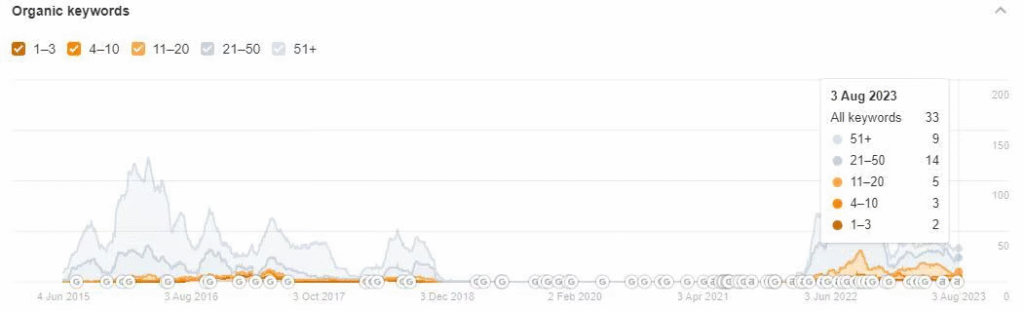
Keywords like “LED vanity mirror,” “portable makeup mirror,” “lighted makeup case,” and variations thereof have substantial search volume. Ranking for those terms would generate passive traffic without ongoing ad spend.
The site could benefit from keyword research to identify high-volume, medium-competition terms to target through optimized product pages and blog content. Technical SEO improvements—page speed optimization, structured data markup, mobile responsiveness enhancements—would improve search visibility further.
These aren’t minor optimizations. They’re fundamental marketing channels that this business largely ignores while relying primarily on paid advertising and word-of-mouth.
Ad 🎯 Ready to put these strategies into action?
Theory is great, but execution is what drives growth. That’s where Max Business School™ comes in.
Inside, you’ll find step-by-step digital marketing courses (SEO, ads, email, social, content, and more) — taught by professionals, designed for beginners and business owners alike.
And the best part? It’s 100% free, online, and flexible.
→ Join Max Business School Today — Free
The European Brand Making Waves in Beauty
The business is Vanityled, a European makeup accessories brand that’s become synonymous with portable LED mirrors.
Their mission is clear: modernize and simplify the makeup experience for everyone from professional makeup artists to everyday users.
The signature product—The Original Vanityled Box with LED Mirror—has become a best-seller by solving a problem so common that most people didn’t even realize it could be solved: inconsistent lighting during makeup application.
The brand specifically targets makeup enthusiasts, influencers, and professionals who understand that lighting is the difference between flawless application and visible mistakes. That audience self-selects for people willing to invest in quality tools.
Positioning as a premium brand rather than a budget alternative allows higher margins and attracts customers who value quality over price. These customers become repeat buyers and brand advocates rather than one-time bargain hunters who disappear forever after purchase.
The European origin adds perceived quality and sophistication. Fairly or not, European beauty brands carry associations with elegance and superior craftsmanship. Vanityled leverages that positioning without explicitly calling attention to it.
What This Case Study Teaches About Modern Dropshipping
Forget everything you think you know about dropshipping from outdated courses and YouTube videos. Here’s what actually works:
Innovation beats commodity every time. Selling the same products as everyone else is a losing strategy. Find unique products that solve real problems, or create exclusive arrangements with suppliers for products competitors can’t access.
Branding matters more than inventory ownership. Customers don’t care whether you physically stock products. They care about the experience you provide, the problems you solve, and the trust you build. Invest in branding like a traditional retailer even though you’re dropshipping.
Visual appeal is non-negotiable for visual products. High-quality images and videos aren’t optional extras. They’re fundamental requirements that directly impact conversion rates. If you’re selling anything customers need to see to understand, invest heavily in visual content.
Clear value propositions convert. Vague marketing copy loses to specific benefit statements. “Perfect lighting for flawless makeup application” beats “high-quality LED mirror” every single time. Lead with benefits, not features.
Strategic product focus prevents commoditization. A signature product that defines your brand protects against price competition and creates memorable differentiation. You become known for something specific rather than just another store selling random stuff.
Content and SEO are force multipliers. Paid advertising works, but organic traffic is more sustainable and profitable long-term. Businesses that ignore content marketing and SEO leave enormous amounts of money on the table.
Social media is especially critical for visual products. If your products look good and solve visible problems, social platforms become natural growth channels. Underutilizing social media for beauty products is malpractice.
Your Action Plan for Profitable Dropshipping
If you’re considering dropshipping or struggling with an existing store, here’s your roadmap to success:
Find genuine innovation, not me-too products. Spend serious time researching products that solve real problems in unique ways. Look for items that make people say “oh wow, that’s clever” not “yeah, I’ve seen that before.”
Choose a specific niche and own it. Don’t be a general store selling everything. Be the definitive brand for one particular category. Own that space completely.
Invest in branding from day one. Professional logo, cohesive visual identity, clear value proposition, quality product photography. These aren’t luxuries for later—they’re requirements for launching successfully.
Build a real website, not a dropshipping template. Generic Shopify themes scream “dropshipper.” Custom design (or at minimum, heavily customized themes) communicates “legitimate brand worth trusting.”
Develop content that attracts and educates. Blog posts, videos, tutorials, guides—whatever format fits your niche. This content drives organic traffic while establishing authority.
Optimize for search engines. Research keywords your target customers search for. Optimize product pages for those keywords. Build legitimate backlinks through quality content. SEO compounds over time into your most profitable traffic source.
Take social media seriously. Choose platforms where your target audience spends time. Post consistently. Engage authentically. Run targeted ads to amplify reach.
Focus on customer experience obsessively. Fast responses, helpful support, clear policies, smooth checkout, reliable shipping. Every interaction either builds or destroys trust. Make sure you’re building.
Test and optimize continuously. Track metrics. A/B test product pages. Experiment with ad creative. Try different price points. Successful dropshipping requires constant refinement based on data.
Build email lists aggressively. Email remains the highest-ROI marketing channel. Capture addresses through compelling offers. Nurture subscribers with valuable content. Convert them with strategic promotions.
The $20,000 monthly profit dropshipping business we examined succeeds because it breaks all the rules that failing dropshippers follow. It builds a real brand. It solves real problems. It invests in customer experience.
Your niche will be different. Your products will be different. But the principles remain constant: innovation, branding, value, and experience.
Dropshipping isn’t dead. Lazy dropshipping is dead. There’s a difference.