
How to Earn $10K Monthly Food Blogging (While Everyone Else Starves)
Here’s a dirty secret about food blogging:
Most food bloggers make approximately zero dollars.
They spend hours photographing beautifully plated meals, writing detailed recipes, and sharing their culinary adventures with… crickets.
Maybe they get a few dozen page views. Maybe a handful of Pinterest saves. Maybe Aunt Susan leaves an encouraging comment.
But actual income? Nope.
Meanwhile, a small percentage of food bloggers generate serious money. Five figures monthly. Sometimes six figures annually. From recipes.
The difference isn’t cooking skill. It’s not photography talent. It’s not even recipe quality, though that matters.
The difference is strategic thinking about traffic, monetization, and audience targeting.
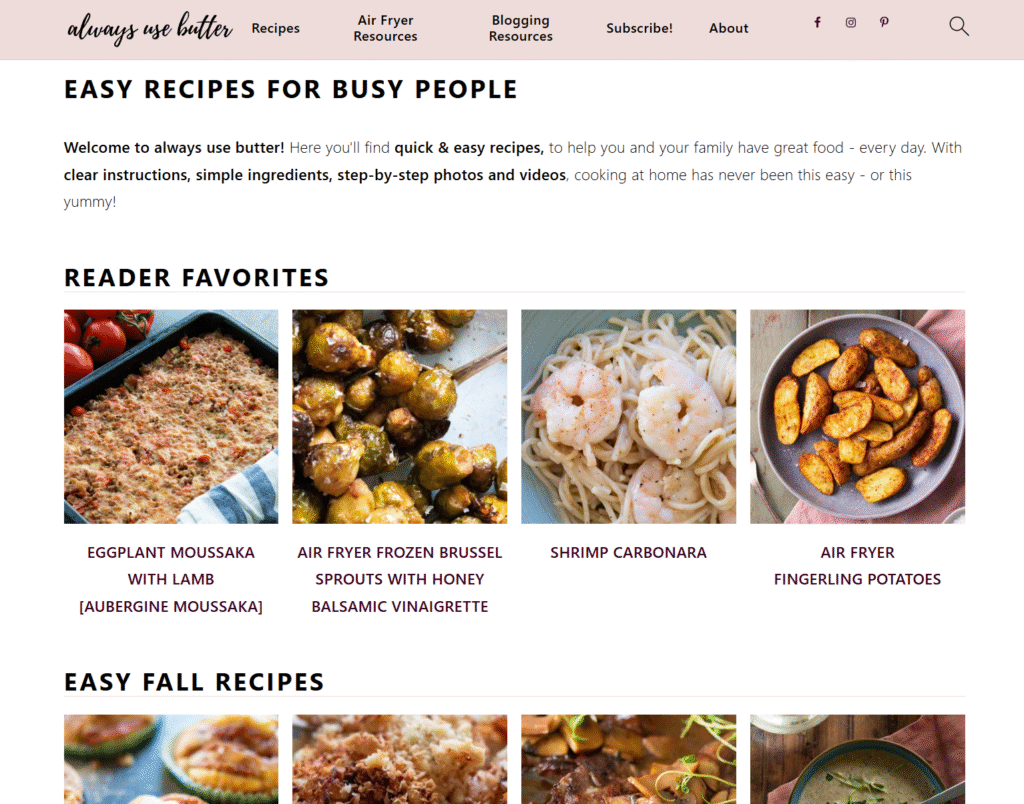
One food blogger generates $10,000 monthly by focusing on a hyper-specific audience: busy people who want quick, simple meals that don’t sacrifice quality. Not foodies. Not culinary enthusiasts. Not people who enjoy spending hours in the kitchen.
People who are hungry, pressed for time, and tired of choosing between healthy home-cooked food and convenient fast food.
That positioning changes everything.
Let me show you exactly how this works, because the model transfers beautifully to any food niche if you understand the underlying principles.
Ad 🎯 After studying 400+ business models, here’s what actually works for beginners…
Most “make money online” advice is garbage. Complex affiliate schemes. Dropshipping nightmares. Social media “influencing.”
We found something better: lead-generation funnels for manufacturers. Simple. Profitable. Fast results.
Our Max Incubator Phase 1 students are proof—they’re going from zero to their first $1,000 in 90 days with this exact model.
→ See the business idea that’s working for beginners this year
The Audience That Actually Converts
Most food bloggers make a critical mistake:
They create recipes they personally enjoy, then hope someone out there will care.
That’s backwards.
Smart food bloggers identify underserved audiences first, then create content specifically designed to solve their problems.
This blog targets busy parents, working professionals, and students who share a common challenge: limited time to cook but a genuine desire to eat well.
Think about how specific that is. Not “everyone who eats food” (which is everyone). Not “people who like cooking” (which is many). But rather “people with time constraints who still value quality meals.”
That specificity does several things simultaneously:
It enables laser-focused content creation. Every recipe answers the question “how can I make something delicious quickly?” Air fryer recipes, 15-minute meals, one-pot dishes, minimal-prep dinners—everything aligns with the time-saving promise.
It attracts high-intent traffic. Someone searching “quick healthy dinner recipes for busy parents” is actively seeking solutions, not just browsing for entertainment. That intent translates directly to engagement, email signups, and affiliate purchases.
It differentiates from competition. The food blogging space is absurdly crowded. Standing out requires clear positioning. Being “another food blog” is invisible. Being “the go-to resource for quick, quality meals” is memorable.
The target audience self-selects. Busy professionals looking for fast recipes arrive and stay. Culinary enthusiasts seeking complex French techniques arrive and leave. That filtering improves all metrics—time on site, pages per session, conversion rates—because visitors who stick around are genuinely interested.
Geographic targeting adds another strategic layer. The blog specifically focuses on American audiences, which matters for monetization. US traffic commands higher advertising rates and better affiliate commission rates than international traffic.
That demographic focus isn’t accidental. It’s strategic positioning that makes everything else work better.
The Revenue Model That Reaches Five Figures Monthly
Food blogging income isn’t mysterious. Three primary monetization channels dominate the industry, and this blog leverages all three effectively.
Affiliate marketing generates the bulk of revenue, particularly through Amazon Associates. When the blog recommends kitchen tools, ingredients, or equipment, affiliate links allow the blog to earn commissions on resulting purchases.
The star performer? Air fryers.
Think about why that works so perfectly. The blog publishes air fryer recipes regularly—quick, healthy alternatives to traditional fried foods. Readers discover these recipes through search engines. They make the recipes. They love the results. Then they think “I should buy an air fryer so I can make these regularly.”
When they click through the blog’s Amazon affiliate link to purchase that air fryer, the blog earns a commission. It’s not pushy sales tactics—it’s natural recommendation that aligns perfectly with the content strategy.
The same pattern repeats with other frequently recommended products: instant pots, quality knives, meal prep containers, spices, specialty ingredients. The blog helps readers cook better, and readers reward that help by purchasing through affiliate links.
According to the blog’s income reports, affiliate commissions represent the majority of monthly revenue. That makes sense for food blogs specifically because cooking inherently requires tools and ingredients, making product recommendations natural rather than forced.
Display advertising through networks like Adthrive provides the second revenue stream. As the blog’s traffic grew, it qualified for premium ad networks that design custom layouts optimized for revenue without destroying user experience.
Here’s what most people don’t understand about display advertising: it’s a volume game. You need substantial traffic before the income becomes meaningful. With current traffic levels around 162,000 monthly visitors, display ads generate reliable passive income.
The beautiful part about ad revenue is that it’s completely passive. Content published years ago still displays ads and generates income today. That’s evergreen revenue that compounds as your content library grows.
The blog hasn’t yet monetized through digital products like courses or recipe eBooks, which represents significant untapped potential we’ll discuss shortly. The focus remains on affiliate marketing and advertising, both of which scale naturally with traffic growth.
This diversification protects against income volatility. When affiliate sales slow seasonally, ad revenue remains steady. When ad rates dip, affiliate income compensates. Multiple streams create stability.
The SEO Strategy That Dominates Search Results
Want to know the real secret to food blogging success?
Forget Instagram. Forget Pinterest (though it helps). Forget TikTok viral moments.
The real money comes from Google.
This blog generates 78% of its traffic from organic search. Not social media. Not email. Not direct traffic. Search engines.
That statistic represents years of strategic SEO execution that’s now paying massive dividends.
The approach combines several key elements that work synergistically:
Keyword research identifies exactly what potential readers search for. Tools like Ahrefs reveal search volume and competition for phrases like “easy air fryer recipes,” “quick weeknight dinners,” “15 minute meals,” and thousands of related variations.
Rather than guessing what people might want, the blog creates content specifically targeting proven search demand. That’s working backwards from market need rather than forwards from personal interest.
Long-form, comprehensive recipe posts thoroughly address each topic. These aren’t 300-word recipe descriptions. They’re detailed guides that explain techniques, provide substitution options, discuss common mistakes, and genuinely help readers succeed.
Search engines reward depth and thoroughness. Comprehensive content that leaves readers fully satisfied ranks higher than surface-level posts that create more questions than they answer.
Consistent publishing builds domain authority over time. The blog has published hundreds of recipes over several years. Each new post is another opportunity to rank for additional keywords. Each successful post builds the overall site’s credibility with search engines.
This compounds beautifully. New blogs struggle to rank even with excellent content because their domains lack authority. Established blogs rank more easily for new content because accumulated authority provides a head start.
Strong backlink profile from other sites signals content quality to search engines. Other food blogs, recipe aggregators, and cooking websites link to this blog’s recipes because they’re genuinely useful. Each backlink is a vote of confidence that improves rankings.
The blog currently targets over 94,000 keywords. That’s not a typo. Ninety-four thousand. That diversity means traffic comes from countless different searches, protecting against algorithm changes that might impact rankings for specific terms.
Some food bloggers chase viral social media traffic. That creates temporary spikes but no lasting foundation. This blog built a traffic machine that generates consistent, qualified visitors month after month, year after year.
The SEO advantage compounds indefinitely. Content published in 2020 still ranks today and will likely rank in 2030. That’s asset creation, not just content creation.
The Social Media Strategy That Actually Works
Let’s be honest about food blogging and social media:
Visual content dominates Instagram, TikTok, and Pinterest. Food is inherently visual. This should be a perfect match.
This blog leverages social platforms effectively but realistically. The presence focuses on Instagram, TikTok, and Facebook—platforms where food content naturally thrives.
The strategy isn’t about viral moments or millions of followers. It’s about consistent visibility that drives incremental traffic while building community around the brand.
Instagram works beautifully for food content. Quick recipe videos, finished dish photos, behind-the-scenes kitchen shots—all perform well. The blog uses Instagram as a visual extension of the brand, showcasing recipes and directing interested viewers to the full posts on the website.
TikTok’s short video format suits quick recipe demonstrations perfectly. “Watch me make a 15-minute dinner” naturally fits into 60-second videos that introduce viewers to recipes they can explore fully on the blog.
Facebook provides community-building opportunities. The blog’s Facebook page shares new recipes, engages with comments, and creates conversation around quick cooking strategies. It’s less about algorithmic reach and more about relationship building with existing fans.
The social strategy serves specific purposes rather than chasing vanity metrics:
It provides additional discovery channels. Some people find recipes through search. Others discover them scrolling social media. Multi-channel presence captures both audiences.
It humanizes the brand. Seeing the person behind the recipes builds connection and trust that static blog posts alone can’t create.
It generates engagement data. Comments and messages reveal what audiences struggle with, what recipes they want next, and what questions need answering. That intelligence informs content strategy.
It drives traffic back to the blog. Social platforms are traffic sources, not destinations. Every post includes clear calls-to-action directing interested viewers to the full recipe on the website where monetization happens.
The realistic approach avoids the trap many food bloggers fall into: spending endless hours creating social content that generates likes but no income. Social media supports the business. It doesn’t become the business.
The Content Strategy That Keeps Readers Coming Back
Here’s what separates successful food blogs from struggling ones:
Successful blogs create content their audience actually needs, not just content the blogger wants to make.

This blog’s entire content strategy revolves around solving the time constraint problem for busy people. Every recipe, every post, every resource reinforces that core value proposition.
Air fryer recipes dominate the content calendar because air fryers align perfectly with the quick-cooking promise. Faster than traditional ovens, healthier than deep frying, minimal cleanup—everything about air fryers resonates with time-pressed home cooks.
The blog doesn’t just publish one or two air fryer recipes and call it done. It goes deep, creating comprehensive guides covering every meal type: air fryer breakfasts, lunches, dinners, snacks, desserts. That depth makes the blog the definitive resource rather than just another site with a few air fryer recipes.
Holiday meal planning provides seasonal traffic spikes. Thanksgiving recipes, Christmas dinner ideas, Fourth of July barbecue guides—these seasonal posts generate massive traffic during relevant weeks while creating evergreen value that returns each year.
Diet-specific content expands addressable audience. Keto recipes, vegetarian options, gluten-free alternatives—each dietary specification attracts a subset of readers actively seeking those specific constraints combined with quick preparation times.
The content structure remains consistent: clear recipe titles that include relevant keywords, detailed ingredient lists, step-by-step instructions, helpful photos showing key stages, nutritional information, and storage/reheating guidance.
That comprehensive approach means readers can successfully recreate recipes without additional research. They’re not left wondering “how long exactly is a ‘medium’ dice?” or “what temperature is ‘medium-high’ heat?” Everything is specified clearly.
The blog also excels at SEO-friendly recipe formatting with proper schema markup that enables rich results in search engines. When someone searches for a recipe, they see star ratings, cooking time, and calorie information directly in search results. That visibility increases click-through rates substantially.
The Missing Revenue Stream That Could Add $3-5K Monthly
Despite healthy income, one obvious opportunity remains completely unexplored:
Digital products.
The blog has built substantial traffic, established trust, and demonstrated expertise. Yet it offers no courses, eBooks, meal plans, or other digital products.
This is leaving serious money on the table.
Consider what’s possible: A comprehensive course on meal planning for busy families could easily sell for $97-$197. Even conservative conversion rates (1% of monthly traffic) would generate $1,500-$3,200 monthly from course sales alone.
An eBook collecting the blog’s best quick recipes organized by meal type and cooking method could sell for $19-$29. That’s impulse-purchase territory for readers who already love the free content and want a convenient compiled reference.
Weekly meal plans with shopping lists, prep guides, and full recipes could operate as a subscription service. At $9.99 monthly, reaching just 300 subscribers generates another $3,000 in monthly recurring revenue.
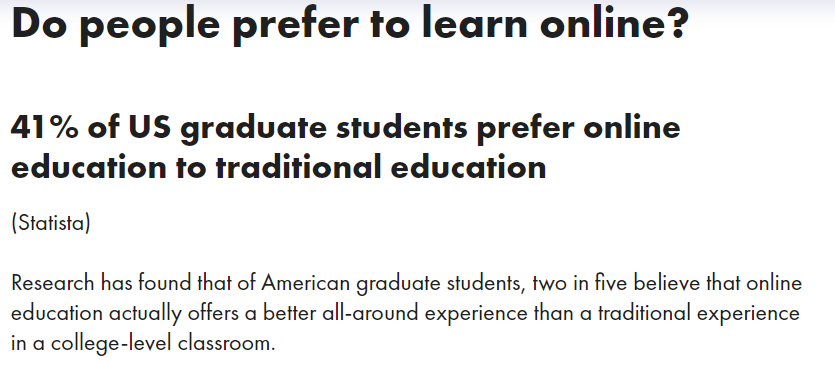
According to education industry statistics, consumers increasingly prefer online learning over traditional formats. Two in five people now favor digital courses. That trend creates enormous opportunity for expertise-based businesses like food blogs.
The audience is already there. The trust is already established. The expertise is proven. The only missing piece is product creation.
Recipe development, photography, and content creation already happen regularly. Packaging that into paid products isn’t additional work—it’s monetizing work that’s already happening.
This isn’t theoretical. Successful food bloggers routinely generate $50,000-$100,000+ annually from digital product sales on top of advertising and affiliate revenue. The market exists. The opportunity is real.
Ad 🎯 Ready to put these strategies into action?
Theory is great, but execution is what drives growth. That’s where Max Business School™ comes in.
Inside, you’ll find step-by-step digital marketing courses (SEO, ads, email, social, content, and more) — taught by professionals, designed for beginners and business owners alike.
And the best part? It’s 100% free, online, and flexible.
→ Join Max Business School Today — Free
The Founder Who Turned Passion Into Profit
The blog is Always Use Butter, founded in 2018 by Emmeline.
Her origin story follows a pattern common among successful bloggers: she solved her own problem, shared the solutions with friends, then realized the market extended far beyond her immediate circle.
During college and through her corporate career, Emmeline faced a challenge that millions share: limited time to cook combined with desire for delicious, quality meals. She developed quick recipes out of necessity, not as a business strategy.
Friends started asking for her recipes. She kept sharing them informally. Eventually, the lightbulb moment arrived: “If my friends need this, probably many other people do too.”
That realization led to launching the blog in 2018 with a specific mission: help always-on-the-run busy people enjoy good food without spending hours in the kitchen.
The name itself—Always Use Butter—reflects personality and philosophy. It’s memorable, slightly irreverent, and communicates a food philosophy (flavor matters, don’t sacrifice taste for convenience).
The journey from launch to $10,000 monthly took several years of consistent execution. Early months generated minimal traffic and income. But systematic content creation, SEO optimization, and audience building compounded over time until traffic and revenue reached sustainable levels.
Emmeline’s background in corporate work rather than professional cooking actually became an advantage. She understands her audience intimately because she is her audience. The recipes aren’t adapted from culinary school training—they’re solutions created by someone facing the same time constraints as her readers.
That authenticity resonates. Readers sense immediately that recipes come from genuine understanding of their challenges rather than a professional chef trying to “dumb down” complex techniques.
What This Case Study Teaches About Modern Food Blogging
Strip away the specific recipes and look at the underlying strategy:
Niche positioning beats general appeal. “Food blog for busy people” outperforms “food blog” because it immediately signals who the content serves. Anyone can start a food blog. Not everyone can own a specific position in readers’ minds.
SEO is non-negotiable for food blogs. Social media provides supplementary traffic. Search engines provide foundational traffic that scales sustainably. Master keyword research and on-page optimization or struggle indefinitely.
Affiliate marketing aligns naturally with food content. Cooking requires tools and ingredients. Recommending quality products isn’t pushy—it’s helpful. Choose products you genuinely use and recommend them authentically.
Consistency compounds dramatically. One recipe doesn’t build traffic. One hundred recipes start building traffic. Five hundred recipes create substantial traffic. Consistent publishing over years creates traffic machines that generate income long-term.
Display advertising becomes more valuable with traffic. Early-stage blogs earn pennies from ads. Established blogs with substantial traffic earn thousands monthly from the same model. Focus on building traffic first, then monetize through premium ad networks.
Digital products represent untapped potential. Most food bloggers leave huge revenue opportunities unexplored. Courses, eBooks, and meal plans leverage existing expertise for premium income streams.
Mobile-first content matters increasingly. More people browse recipes on phones than computers. Mobile-friendly formatting, readable fonts, and thumb-friendly navigation directly impact engagement and conversion rates.
Community building enhances sustainability. Email lists and social followers provide direct audience relationships independent of algorithm changes. Build owned audiences, not just rented attention on platforms you don’t control.
Your Roadmap to Food Blogging Success
If you’re considering food blogging or struggling with an existing blog, here’s your action plan:
Define your specific niche clearly. Not just “food” but food for whom? Solving what problem? With what constraint or philosophy? Specificity creates positioning that general approaches can’t achieve.
Research keywords obsessively. Use tools like Ahrefs, SEMrush, or Keywords Everywhere to identify what your target audience actually searches for. Create content targeting those proven searches rather than guessing what people might want.
Publish consistently for extended periods. Plan on 100+ recipes before expecting meaningful traffic. Food blogging rewards persistence. The first fifty posts build foundation. Posts 50-150 start generating traffic. Posts 150+ compound into substantial visitor numbers.
Master food photography basics. You don’t need professional equipment, but you need decent photos. Natural lighting, simple backgrounds, and multiple angles showing key preparation stages. Invest time learning photography fundamentals or budget for a photographer.
Implement proper recipe schema markup. This technical SEO element enables rich results in search engines that dramatically improve click-through rates. It’s not optional—it’s fundamental for modern food blogging success.
Build email lists from day one. Offer free meal plans, shopping list templates, or recipe eBooks as lead magnets. Email subscribers are your owned audience that you can reach regardless of algorithm changes.
Diversify monetization strategically. Start with affiliate marketing and display ads. Add digital products once you have traffic and know what your audience wants. Consider sponsored content from relevant brands as traffic grows.
Engage authentically on social platforms. Choose one or two platforms where your audience spends time. Post consistently but realistically—quality beats quantity. Use social to drive traffic to your blog where monetization happens.
Track metrics religiously. Google Analytics reveals which content performs, where traffic comes from, and what converts. Use data to inform strategy rather than guessing. Double down on what works. Fix or eliminate what doesn’t.
Consider digital products once established. After building substantial traffic and understanding your audience deeply, create courses, eBooks, or meal planning services that monetize expertise directly rather than only through ads and affiliates.
The $10,000 monthly food blog we examined didn’t happen overnight. It’s the result of strategic positioning, consistent execution, and smart monetization across multiple channels over several years.
Your recipes will be different. Your niche might be different. But the principles remain constant: clear positioning, strategic SEO, consistent publishing, and diversified monetization.
Food blogging isn’t a get-rich-quick scheme. It’s a legitimate business model that rewards expertise, consistency, and strategic thinking.
Someone will build a successful food blog in your area of expertise. It might as well be you.