
How to Make $100K Yearly Travel Blogging (Without Selling Your Soul to Sponsors)
Most travel bloggers are broke.
Like, legitimately struggling to pay rent between trips kind of broke.
They post stunning photos from Bali, write poetic captions about finding themselves in Peru, and accumulate thousands of followers who think they’re living the dream.
Reality? They’re maxing out credit cards and calling it “investing in experiences.”
Meanwhile, a small percentage of travel bloggers actually make serious money. Six figures annually. While traveling full-time. Without compromising their authenticity or becoming walking billboards for brands they don’t care about.
One solo female travel blogger generates over $100,000 yearly doing exactly this. Not through selling out. Not through constant sponsored posts that scream “I’m just here for the paycheck.” Through strategic diversification that turns expertise into multiple revenue streams.
The difference isn’t better photography (though that helps). It’s not more followers (though that helps too). It’s understanding that successful travel blogging is a business, not an extended vacation you occasionally post about.
Let me show you exactly how this works.
Ad 🎯 After studying 400+ business models, here’s what actually works for beginners…
Most “make money online” advice is garbage. Complex affiliate schemes. Dropshipping nightmares. Social media “influencing.”
We found something better: lead-generation funnels for manufacturers. Simple. Profitable. Fast results.
Our Max Incubator Phase 1 students are proof—they’re going from zero to their first $1,000 in 90 days with this exact model.
→ See the business idea that’s working for beginners this year
The Six Revenue Streams That Hit Six Figures
Here’s what struggling travel bloggers get wrong:
They think the business is creating pretty content and hoping brands notice them.
That’s not a business. That’s hoping to win the lottery while standing in line at the convenience store.
Real travel blogging income comes from intentional diversification across multiple channels. When one stream slows down, others compensate. When one explodes, it pulls the others up with it.
This travel blog operates six distinct revenue streams that combine for six-figure annual income:
Online courses generate the largest revenue chunk. Both single-purchase courses and subscription-based learning programs cater to aspiring travel bloggers who want to learn from someone who’s already succeeded.
The genius here is obvious: travel bloggers are an underserved niche with passionate interest in learning how to monetize their own blogs. Someone who’s already figured it out can teach others while generating serious income.
Single-purchase courses cover specific topics: SEO for travel blogs, photography fundamentals, working with brands, building email lists. Each addresses a particular skill gap that aspiring bloggers face.
Subscription-based courses provide ongoing education and community. Members pay monthly for continuous content, updates, and support. That recurring revenue creates financial stability that one-time purchases can’t match.
One-on-one consulting provides premium pricing for personalized guidance. Aspiring bloggers willing to invest seriously in their own growth pay for direct access to proven expertise.
Consulting commands higher rates than courses because it’s personalized, immediate, and intensive. A course might sell for $197. A consulting package might run $2,000+. The time investment is higher per client, but so is the revenue per sale.
Affiliate marketing weaves naturally into content. When recommending travel gear, booking platforms, insurance providers, or photography equipment, affiliate links generate commissions on resulting purchases.
The key is authenticity. Recommending products actually used during travels feels helpful rather than salesy. “This backpack survived three months in Southeast Asia” converts better than “Buy this backpack please.”
Display advertising provides passive baseline income. Strategic ad placement on blog posts generates revenue from traffic without requiring active sales effort.
It’s not huge revenue individually, but it’s completely passive. Content published years ago still displays ads and generates income today. That compounds beautifully as your content library grows.
Brand campaigns and tourism board partnerships create larger projects with substantial paydays. When destinations or brands want exposure to engaged travel audiences, they pay for sponsored content, destination guides, or campaign participation.
The authority built through consistent quality content makes the blog attractive to brands seeking authentic partnerships rather than transactional sponsored posts.
Public speaking at travel conferences and events extends influence beyond digital channels while generating speaker fees.
Speaking positions you as an industry expert, provides networking opportunities that lead to other partnerships, and diversifies income beyond purely online channels.
The brilliance of this model is resilience. When course sales slow seasonally, affiliate income remains steady. When consulting spots fill up, brand campaigns provide large paydays. When one stream dips, others compensate.
The Content Strategy That Built 64K Monthly Visitors
Want to know what separates successful travel blogs from pretty Instagram feeds?
Traffic. Real, sustainable, search-engine-driven traffic.
This blog generates 63,900 monthly visitors. Not from viral moments. Not from algorithm luck. From strategic content creation targeting what people actually search for.

The approach combines several elements that work synergistically:
Extensive range of content serves multiple audience segments. Solo travelers find solo travel guides. Aspiring bloggers find blogging education. Adventure seekers find adventure travel content. Budget travelers find money-saving tips.
That diversity prevents pigeonholing while attracting broader audiences. Someone might arrive for solo travel tips, discover blogging education, and become a course customer. Multiple entry points mean multiple conversion opportunities.
Strong SEO foundation with 29,100 backlinks signals authority to search engines. Each backlink is a vote of confidence from another site saying “this content is valuable enough to reference.”
Building backlinks requires creating content genuinely worth linking to. Comprehensive destination guides, detailed how-to articles, and original research earn backlinks naturally because other sites find them useful to reference.
Geographic and niche specificity within broader travel topics helps content rank for long-tail searches. Instead of trying to rank for “Paris travel guide” (impossible competition), targeting “solo female travel Paris safety tips” or “budget Paris itinerary 3 days” provides realistic ranking opportunities.
Those specific searches come from people actively planning trips, which means higher engagement and better conversion rates than generic browsing traffic.
Consistent publishing over years builds compound growth. Each new post is another opportunity to rank for additional keywords. Each successful post attracts links that boost overall domain authority, helping future posts rank more easily.
This isn’t overnight success. This is systematic content creation over extended periods that creates a traffic machine generating consistent visitors month after month, year after year.
The SEO advantage compounds indefinitely. Articles published in 2020 still drive traffic in 2025 and will likely continue driving traffic in 2030. That’s asset creation that appreciates over time.
The Newsletter Strategy That Monetizes Relationships
Here’s what most travel bloggers don’t understand:
Social media followers are rented attention. Email subscribers are owned relationships.
Instagram can change its algorithm tomorrow and tank your reach. Email addresses in your database? Those are yours regardless of what any platform does.

This blog uses newsletters strategically to maintain audience engagement and introduce income opportunities:
Regular updates keep the blog top-of-mind even when subscribers aren’t actively visiting. Out of sight becomes out of mind quickly in today’s attention economy. Newsletters ensure regular touchpoints.
Exclusive offers for subscribers create incentive to join the list. Early access to courses, subscriber-only discounts, or exclusive content available nowhere else rewards people for subscribing.
Income stream announcements reach engaged audiences directly. Launching a new course? The email list hears first. Offering limited consulting spots? Subscribers get priority access. Each product launch has a built-in audience ready to buy.
Content notifications drive traffic back to the blog where monetization happens. New articles announced via newsletter generate traffic spikes that boost engagement metrics, improve SEO, and expose visitors to affiliate links and ad impressions.
The newsletter serves as connective tissue holding the entire business together. It’s the direct relationship channel that makes everything else work better.
Compared to hoping people remember to check your blog or hoping the Instagram algorithm shows them your posts, email provides reliable reach to people who’ve explicitly asked to hear from you.
The Multi-Platform Presence That Expands Reach
Travel is inherently visual, which makes social platforms natural channels for content distribution and audience building.
This blog maintains presence across Facebook, Instagram, Pinterest, and Twitter (now X), with each platform serving specific strategic purposes:
Instagram showcases visual storytelling through photos and videos that capture the visceral appeal of travel. Stunning landscape shots, authentic cultural moments, and behind-the-scenes travel glimpses perform well on a platform built around visual discovery.
Stories provide daily updates that build parasocial relationships. Followers feel like they’re traveling along, which strengthens connection and makes them more receptive to recommendations and offers.
Pinterest functions as a visual search engine where users actively plan trips and seek inspiration. Pins linking to comprehensive blog guides drive substantial referral traffic from people in active planning mode.
Travel content performs exceptionally well on Pinterest because the platform’s user base skews toward people planning activities, trips, and experiences. That’s high-intent traffic.
Facebook enables community building through groups and pages where engaged followers interact, share experiences, and support each other. Community creates stickiness that pure content consumption can’t match.
Twitter/X provides real-time engagement and industry networking. Connecting with other travel bloggers, tourism boards, and brands happens naturally through conversation and interaction.
The multi-platform strategy expands reach beyond any single channel while providing backup if one platform’s algorithm changes unfavorably. Diversification protects against platform risk the same way income diversification protects against revenue risk.
Each platform feeds the others. Instagram content gets repurposed for Pinterest. Blog posts get shared on Facebook. Twitter conversations inspire blog topics. It’s an ecosystem where each element strengthens the others.
The Personal Brand That Commands Premium Rates
Here’s an uncomfortable truth about travel blogging:
Brands don’t pay for pretty pictures. They pay for access to engaged audiences that trust the blogger’s recommendations.
This blog commands premium rates for brand partnerships because of the personal brand built around authentic, experienced solo travel.
The positioning is clear: veteran solo female traveler who shares honest experiences, practical advice, and genuine recommendations. Not an influencer chasing trends. Not a lifestyle blogger who occasionally travels. A serious traveler who’s built expertise through years of experience.
That authenticity creates trust with audiences. When recommendations come from someone who’s actually there doing the thing rather than someone paid to say nice things, people listen.
The solo female travel angle provides additional specificity. It’s not just “travel blogger” (generic, crowded). It’s “solo female travel expert” (specific, memorable). That positioning attracts a particular audience and makes her the obvious choice for brands targeting that demographic.
The education component—teaching other bloggers—adds another layer of authority. You don’t teach unless you know your stuff. The mere act of educating others positions you as an expert, which enhances credibility for everything else you do.
Public speaking reinforces authority. Speaking at travel conferences and blogging events signals industry recognition. If conferences invite you to speak, you must be legitimate. That social proof enhances the personal brand’s value.
The combination creates a virtuous cycle: Authority enables premium pricing. Premium projects enhance authority. Increased authority attracts better opportunities. Better opportunities strengthen the brand. Round and round it goes, compounding over time.
The Opportunities They’re Missing (That You Shouldn’t)
Despite six-figure revenue, several obvious opportunities remain unexploited. Understanding these gaps helps you build more complete strategies from the start.
Video content is dramatically underutilized. While the blog maintains some presence, TikTok and YouTube represent massive missed opportunities for travel content.
Travel is intensely visual and experiential. Video captures the feeling of places in ways written words and static photos can’t match. The sound of markets in Marrakech. The movement of crowds in Tokyo. The scale of landscapes in Patagonia.
Short-form video on TikTok could attract entirely new audiences who prefer that format. Long-form YouTube content could establish presence on the second-largest search engine in the world while generating additional ad revenue.
Video also creates more intimate connections than written content. Seeing someone on camera, hearing their voice, watching them experience places—that builds relationships faster than reading blog posts alone.
Monetization opportunities through video platforms compound the missed potential. YouTube ad revenue. Sponsored video content. Affiliate links in video descriptions. It’s leaving money on the table while simultaneously missing audience reach.
Mobile performance needs serious attention. Site speed issues frustrate mobile visitors, which is particularly problematic when most people browse travel content on phones while planning trips or killing time.

Slow load times increase bounce rates dramatically. Someone searching for Paris travel tips who lands on a page that takes eight seconds to load isn’t waiting—they’re hitting back and choosing a faster competitor.
Google penalizes slow mobile sites in search rankings. Poor mobile performance doesn’t just frustrate users—it actively harms SEO and reduces the organic traffic that drives the entire business.
Simple fixes like image compression, code minification, and caching implementation could dramatically improve mobile experience and boost all downstream metrics: time on site, pages per session, conversion rates.
User-generated content remains largely untapped. Encouraging followers to share their own travel experiences using branded hashtags would create engagement, provide authentic content, and expand reach through followers’ own networks.
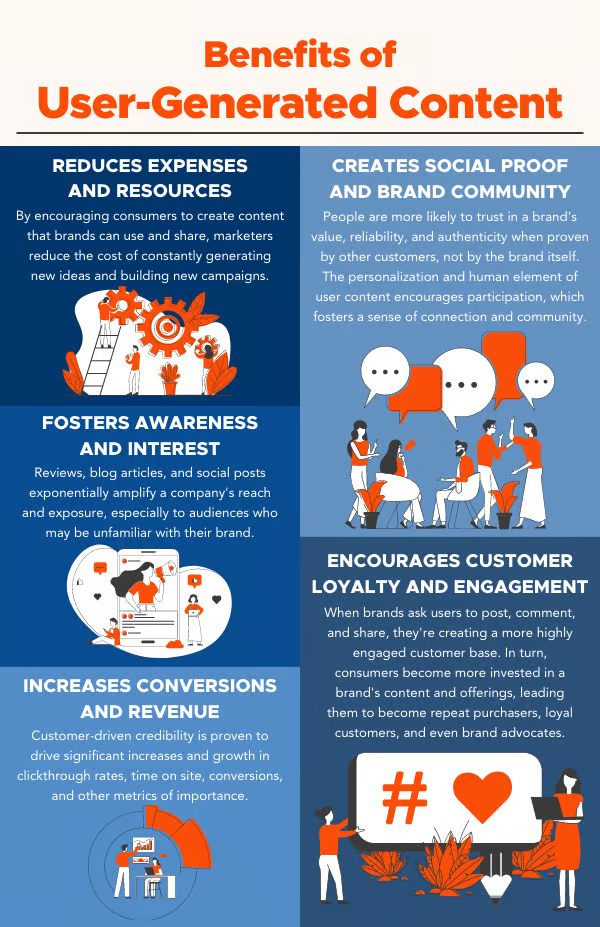
Travel bloggers have inherently engaged audiences who love talking about their trips. Creating frameworks for them to share—photo contests, story features, community challenges—would generate mountains of authentic content while building stronger community bonds.
That user-generated content could be repurposed across platforms, supplementing original content while making followers feel valued and seen. It’s community building that simultaneously generates marketing materials.
Ad 🎯 Ready to put these strategies into action?
Theory is great, but execution is what drives growth. That’s where Max Business School™ comes in.
Inside, you’ll find step-by-step digital marketing courses (SEO, ads, email, social, content, and more) — taught by professionals, designed for beginners and business owners alike.
And the best part? It’s 100% free, online, and flexible.
→ Join Max Business School Today — Free
The Woman Behind the Wanderlust
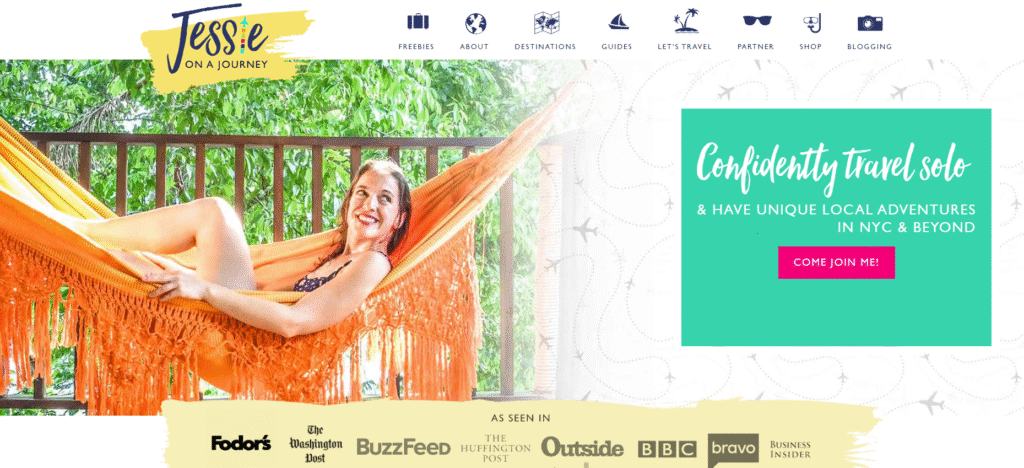
The blog is Jessie On A Journey, founded by Jessie Festa—a solo female travel blogger who transformed a study abroad experience into a six-figure business.
Her journey started like many: studying abroad in Australia sparked curiosity about the wider world. But the pivotal moment came later when friends backed out of a planned backpacking trip through Europe.
Faced with a choice between canceling or going solo, Jessie chose solo.
That decision changed everything.
The solo travel experience proved she didn’t need travel companions to explore the world. More importantly, it revealed a gap in the market: resources for women traveling alone were limited, often fear-based, and not particularly helpful.
Jessie started sharing her experiences, tips, and honest advice about solo female travel. What began as personal documentation evolved into helping others feel confident traveling solo.
The blog grew systematically over years. Each trip provided content. Each article attracted a few more readers. Each reader who traveled solo because of the blog’s encouragement became a potential testimonial for others considering it.
The business model evolved organically from the audience’s needs. Readers wanted to know how to start their own blogs. So Jessie created courses. They wanted personalized guidance. So she offered consulting. Brands wanted access to her engaged audience. So she developed media kits and partnership opportunities.
Rather than forcing a monetization strategy onto an audience, she listened to what they wanted and provided it. That audience-first approach built loyal followers willing to invest in her products and trust her recommendations.
The transformation from blogger to business owner happened gradually through treating the blog as a business from early on rather than just a hobby that might eventually make money.
What This Case Study Teaches About Modern Travel Blogging
Strip away the specific destinations and look at the underlying strategy:
Diversification creates resilience. Six income streams protect against volatility in any single channel. When one slows, others compensate. That stability is crucial for full-time travel blogging sustainability.
Education monetizes expertise effectively. Teaching others what you know creates scalable income that doesn’t require constant content creation or brand negotiations. Courses sell while you sleep. Consulting commands premium rates for direct expertise access.
Personal branding enables premium pricing. Generic travel bloggers compete on follower counts. Distinctive personal brands compete on authority and trust. The latter commands better rates for everything from brand partnerships to course pricing.
Email ownership matters more than social followers. Platforms change. Algorithms shift. Email lists remain constant and controllable. Build owned audiences, not just rented attention.
Content diversity attracts broader audiences. Serving multiple reader segments creates multiple conversion opportunities. Someone might arrive for destination guides and leave as a course customer.
SEO compounds indefinitely. Content published years ago continues generating traffic, leads, and revenue. Social media posts disappear within days. Search-optimized articles work forever.
Multi-platform presence expands reach. Different people prefer different platforms. Being present across channels captures audiences you’d miss with single-platform focus.
Authenticity beats follower count. Engaged micro-audiences that trust recommendations convert better than massive audiences that scroll passively. Build real relationships, not vanity metrics.
Mobile experience directly impacts revenue. Slow sites lose visitors. Lost visitors mean lost income. Mobile optimization isn’t optional—it’s foundational.
Your Roadmap to Travel Blogging Income
If you’re considering travel blogging or struggling with an existing blog, here’s your action plan:
Choose specific positioning within the broad travel space. “Travel blogger” is generic. “Solo female adventure travel blogger” or “budget family travel expert” or “luxury travel over 50” provides memorable positioning that differentiates from generic competition.
Build traffic through strategic content. Research keywords your target audience searches for. Create comprehensive guides that thoroughly answer questions. Publish consistently. Traffic doesn’t arrive overnight but grows systematically with proper execution.
Develop email list infrastructure immediately. From day one, capture email addresses. Offer compelling lead magnets—downloadable travel guides, packing lists, destination itineraries. Email subscribers are your business foundation.
Create educational products once you have experience. After establishing expertise through your own success, package that knowledge into courses, eBooks, or consulting services. Teach others what you’ve learned.
Build authentic brand partnerships. Work with brands you genuinely use and recommend. Authenticity builds trust that transactional sponsored posts destroy. Fewer authentic partnerships beat dozens of obvious paid promotions.
Optimize relentlessly for mobile. Most travel content consumption happens on phones. Test your site on mobile devices regularly. Improve load speeds. Ensure smooth navigation. Mobile experience directly impacts bounce rates and conversions.
Diversify across platforms strategically. Don’t spread thin trying to maintain presence everywhere. Choose two or three platforms where your audience spends time. Execute those well rather than dabbling everywhere poorly.
Invest in video content. Travel is visual and experiential. Video captures that better than written words or static photos. YouTube and TikTok represent massive discovery and monetization opportunities.
Engage your community actively. Respond to comments. Ask questions. Feature follower content. Build relationships rather than just broadcasting. Engaged communities convert better than passive audiences.
Treat it like a business from the start. Track metrics. Monitor revenue. Optimize systems. Test strategies. Successful travel blogging isn’t extended vacation with occasional posts—it’s systematic business building that happens to involve travel.
The $100,000+ travel blogging business we examined didn’t happen overnight. It’s the result of strategic positioning, consistent execution, and smart monetization across multiple channels over years of work.
Your destinations will be different. Your positioning might be different. But the principles remain constant: clear positioning, audience building, diversified income, and treating blogging as business rather than hobby.
Most travel bloggers stay broke because they treat it like a hobby that might eventually pay. The ones making six figures treat it like a business from day one.
Someone will build a successful travel blog in your niche. It might as well be you.