
How to Start a Legal Blog Earning $78K Monthly

Most bloggers worry about traffic and sponsorships.
Smart bloggers worry about getting sued.
That’s the gap one lawyer noticed and turned into a $78,000 monthly business serving online entrepreneurs who had no idea their blogs were legal time bombs waiting to explode. And she did it without expensive ads or a massive following.
Want to know how she pulled it off? Keep reading.
Ad 🎯 After studying 400+ business models, here’s what actually works for beginners…
Most “make money online” advice is garbage. Complex affiliate schemes. Dropshipping nightmares. Social media “influencing.”
We found something better: lead-generation funnels for manufacturers. Simple. Profitable. Fast results.
Our Max Incubator Phase 1 students are proof—they’re going from zero to their first $1,000 in 90 days with this exact model.
→ See the business idea that’s working for beginners this year
The Problem Nobody Talks About (Until It’s Too Late)
Picture this: you’ve spent two years building your blog. You’re finally making decent money. Traffic is growing. Everything’s clicking.
Then you get the letter.
Someone’s suing you for copyright infringement. Or because you didn’t properly disclose affiliate relationships. Or because your website’s privacy policy was copied from some random template you found online.
Legal fees start at $5,000 and climb from there. Fast.
This happens more often than you’d think. Most bloggers and online business owners treat legal compliance as something they’ll “get to eventually.” They’re too busy creating content, building audiences, and chasing revenue to worry about terms of service or GDPR compliance.
Until the problem finds them.
That’s where this week’s case study comes in. A business lawyer noticed this massive gap in the market and built an entire business around solving it. Not through expensive retainer agreements, but through something far more scalable: digital products and strategic consulting.
How a Legal Blog Generates $78K Monthly
The revenue model here is brilliant in its simplicity and diversification.
Digital legal templates form the foundation, accounting for roughly $67,000 of the monthly revenue. These aren’t generic documents you’d find on LegalZoom. They’re specialized templates designed specifically for bloggers and online business owners, covering everything from affiliate disclosure policies to content licensing agreements to GDPR compliance.
Twenty-five different templates address virtually every legal concern an online entrepreneur might face. Clients purchase templates individually or in bundles, then work with the blog’s representatives to customize them for their specific situation.
Think about the scalability here. Create a template once, sell it hundreds of times. No ongoing time commitment once it’s built.
One-on-one consultation services via video calls provide the high-touch option for clients who need personalized guidance. While this doesn’t scale like digital products, it commands premium pricing and serves clients with complex situations that templates alone can’t address.
Affiliate marketing adds another revenue layer. The blog promotes blogging software and tools—web hosts like Bluehost and SiteGround, WordPress themes, and other platforms online entrepreneurs need. These high-commission partnerships align perfectly with the target audience.
Additional income flows from sponsorships with YouTubers and online businesses, paid speaking engagements, private blog coaching, and full legal audits for websites. The legal services industry continues evolving as more professionals find ways to package expertise into scalable formats.
This diversification matters. Multiple revenue streams create stability. If template sales dip one month, consulting or affiliate income compensates.
What Makes This Legal Blog Exceptionally Profitable
Walk into the online legal advice space and you’ll find a wasteland of generic information and confusing jargon. This blog succeeds by doing the opposite.
Service diversification addresses clients wherever they are in their journey. Someone just starting out might buy a basic template bundle for $97. An established business with complex needs might invest in a full legal audit. This range captures customers at different price points and needs.
The quality of digital products sets a high standard. These aren’t PDF documents with blanks to fill in. The templates come with guidance, explanations, and support to ensure proper implementation. Clients can customize them with help from the blog team, which transforms a commodity product into a premium offering.
An interactive Facebook group creates community while serving as a customer service hub. Members ask questions, share experiences, and get guidance on implementing the legal frameworks they’ve purchased. This ongoing engagement increases customer lifetime value and generates testimonials and case studies.
The YouTube channel works as both an educational resource and a marketing engine. Videos explain legal concepts in accessible language, link back to the blog, and establish authority. Smart creators understand that different audiences prefer different formats, and video captures attention that text alone might miss.
Consistent traffic growth over several years demonstrates the compound effect of good SEO and valuable content. According to analytics data, organic traffic steadily climbed as the blog published more helpful content targeting keywords their audience actually searches for.

Strategic calls-to-action and conversion optimization guide visitors toward products and services naturally. The site includes a helpful quiz that identifies which bundle or template best fits a visitor’s specific needs. This personalized approach improves conversion rates by removing decision paralysis.

Perhaps most importantly, client testimonials are displayed prominently throughout the site. Social proof from business owners who avoided legal nightmares thanks to these templates builds trust with new visitors more effectively than any marketing copy could.
The Gaps That Could Unlock Even More Revenue
Even highly successful businesses leave money on the table. This blog has several clear opportunities for expansion.
Website user experience improvements would immediately impact conversion rates. Adding a FAQ section would address common questions without requiring one-on-one interaction. The importance of FAQ pages for complex topics like legal compliance can’t be overstated—they save time while building trust.
A search bar would help visitors navigate the extensive content library. With years of valuable articles published, making that content easily discoverable improves user experience and keeps visitors on site longer.
Social media advertising remains largely untapped. While organic content performs well, paid ads could reach busy entrepreneurs who aren’t actively searching for legal solutions but absolutely need them. Facebook and Instagram advertising allows precise targeting of online business owners by interest, behavior, and demographics.

Store page optimization would reduce friction in the buying process. The current layout overwhelms visitors with information. Simplifying product displays, reducing text density, and streamlining the purchase flow would likely increase conversion rates noticeably.
Recommending complementary templates during checkout could increase average order value substantially. If someone’s buying an affiliate disclosure policy, they probably also need a privacy policy and terms of service. Strategic bundling and upselling at point of purchase would boost revenue without requiring additional traffic.
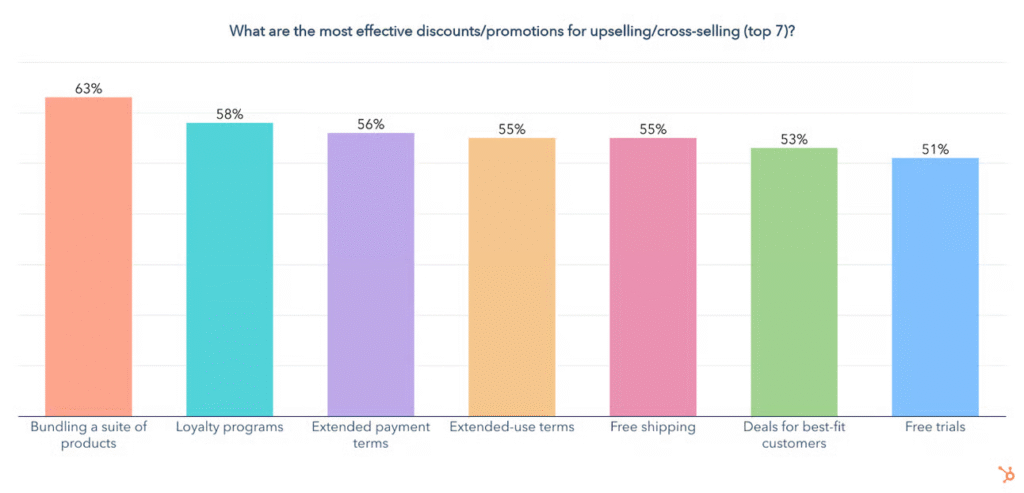
These aren’t fundamental problems. They’re optimization opportunities that could add tens of thousands in monthly revenue with relatively modest effort.
Ad 🎯 Ready to put these strategies into action?
Theory is great, but execution is what drives growth. That’s where Max Business School™ comes in.
Inside, you’ll find step-by-step digital marketing courses (SEO, ads, email, social, content, and more) — taught by professionals, designed for beginners and business owners alike.
And the best part? It’s 100% free, online, and flexible.
→ Join Max Business School Today — Free
The Founder Behind This Seven-Figure Blog
Meet Amira, the business lawyer who built A Self Guru from side project to seven-figure business. Her journey started while juggling a day job as a business attorney, blogging in whatever spare time she could find.
Everything changed after her father’s experience. He was sued for $90,000 related to his blog—a devastating situation that highlighted how vulnerable online content creators are to legal action when they don’t properly protect themselves.
That experience became Amira’s mission. She realized most blogs across the internet operate in legal gray areas, exposing their owners to potentially catastrophic liability. The knowledge existed to prevent these situations, but it wasn’t accessible to the average blogger.
So she made it accessible.
She left her day job and invested fully in building A Self Guru. The blog now serves over 50,000 online entrepreneurs, helping them avoid the legal nightmares that could destroy years of hard work.
Her approach combines legal expertise with genuine understanding of online business realities. She doesn’t talk down to her audience or make legal concepts unnecessarily complex. She translates attorney-speak into plain English and packages it into products that actually get implemented.
Lessons You Can Apply Regardless of Your Niche
This case study offers insights that extend far beyond legal blogs.
Platforms like YouTube and Facebook work as powerful marketing engines when used strategically. Don’t just post content—create ecosystems where different platforms feed into each other. YouTube videos link to blog posts. Blog posts drive Facebook group membership. Facebook group members become customers.
Balance commercial and educational content. A Self Guru excels at this mix. Plenty of free, valuable information builds trust and authority. Strategic placement of paid products provides solutions for those ready to invest.
Digital products create scalable revenue that services alone never will. Your time has limits. Digital products don’t. Create once, sell repeatedly. The digital product market continues growing as consumers become comfortable paying for digital solutions.
Target underserved niches within larger markets. Amira didn’t try to compete with massive legal information sites covering everything. She focused specifically on bloggers and online entrepreneurs—a defined audience with specific needs.
Diversify service delivery to match different customer needs and budgets. Some people want done-for-you solutions. Others prefer DIY options with guidance. Some need quick answers; others require deep consultation. Offer options across that spectrum.
Build community around your expertise. The Facebook group doesn’t just support customers—it creates connection, generates user-generated content, and provides ongoing engagement that keeps the brand top-of-mind.
Proof matters more than promises. Show client results. Share testimonials. Document case studies. Let outcomes speak louder than marketing copy.
Your Path to Building a Profitable Expert Blog
Ready to build something similar in your area of expertise? The framework works across industries.
Start by identifying a genuine knowledge gap in a market you understand. Not just any topic—something where people have expensive problems and inadequate solutions. Amira found it in legal compliance for bloggers. Where’s the equivalent in your field?
Develop deep expertise before attempting to monetize it. Credibility matters enormously in expert-driven businesses. You need genuine knowledge, not just cleverness with marketing.
Create valuable free content that demonstrates your expertise while building trust. Educational content attracts your ideal clients, qualifies leads, and positions you as an authority. Don’t hold back the good stuff—share genuinely useful information.
Design scalable digital products that solve specific problems. Templates, frameworks, courses, tools—whatever format makes sense for your expertise. Ensure they’re high quality and actually deliver results.
Build multiple service tiers to capture clients at different investment levels. Entry-level products get people in the door. Premium services serve clients with complex needs or larger budgets.
Leverage multiple platforms to reach your audience where they already spend time. Blog for SEO. YouTube for visual learners. Social media for community building. Email for direct relationship building.
Invest in conversion optimization from day one. A beautiful website that doesn’t convert is useless. Clear calls-to-action, strategic product placement, and friction-free purchasing processes matter enormously.
The legal blog niche specifically requires formal legal education and credentials, but the business model translates to any field where specialized expertise solves expensive problems. Accounting for small businesses. HR compliance for startups. Technical writing for SaaS companies. Countless niches need expert guidance packaged in accessible formats.
The opportunity is there. The playbook is proven. Now it’s about execution.