
How a Vegetarian Recipe Blog Makes $30,000 Monthly (And You Can Too)

Here’s something most people don’t know about food blogging.
While everyone’s chasing the next viral TikTok trend or Instagram aesthetic, there’s a vegetarian recipe blog quietly banking thirty thousand dollars every single month.
Not from a celebrity chef. Not from someone with a Michelin star gathering dust on their mantle.
From Sarah Bond, a nutrition scientist who figured out that people don’t just want pretty food pictures—they want solutions to the eternal question: “What’s for dinner tonight?”
And here’s the kicker: she’s doing it without any paywall, membership fees, or selling $97 ebooks about the “secret” to plant-based eating.
Ad 🎯 Ready to put these strategies into action?
Theory is great, but execution is what drives growth. That’s where Max Business School™ comes in.
Inside, you’ll find step-by-step digital marketing courses (SEO, ads, email, social, content, and more) — taught by professionals, designed for beginners and business owners alike.
And the best part? It’s 100% free, online, and flexible.
→ Join Max Business School Today — Free
The Business Model Nobody Talks About (But Everyone Should Copy)
Let’s slice into the revenue pie, shall we?
Sarah’s primary income stream is display advertising. Think of it as passive income’s favorite cousin—the one who actually shows up and pays rent on time. By partnering with ad networks, every recipe view translates into consistent cash flow. The beauty? Once the content’s published, those ads work around the clock. While Sarah’s sleeping, someone in Tokyo is discovering her black bean burger recipe, and cha-ching—another fraction of a cent hits the account.
But she’s not putting all her eggs in one basket.
Sponsored content forms another significant revenue stream. Brands in the vegetarian and health food space pay to have their products featured authentically within her content. This isn’t the obnoxious “BUY THIS NOW” sponsorship that makes readers sprint for the back button. It’s thoughtful integration—recommending a specific brand of tahini in a hummus recipe because it genuinely elevates the dish.
Then there’s affiliate marketing, which deserves its own spotlight.
Sarah prominently discloses affiliate partnerships at the top of posts. When readers click through and purchase that immersion blender she swears by for making the creamiest butternut squash soup, she earns a commission. The genius here? She’s solving problems (how do I make restaurant-quality soup at home?) while monetizing the solution (with this specific tool).
According to industry data, successful food blogs typically earn 40-60% of revenue from display ads, with the remainder split between affiliates and sponsored content. LiveEatLearn follows this proven model while maintaining editorial integrity.
What Makes LiveEatLearn Actually Work (When Most Food Blogs Fail)
Most food blogs die a quiet death in the crowded digital kitchen. So what’s different here?
The Visual Strategy That Converts Browsers Into Believers
Sarah doesn’t just share recipes—she creates visual experiences. Every recipe features original photography and videography, all shot in-house. This serves three critical purposes that most bloggers completely miss.
First, it makes the content genuinely useful. Step-by-step photos answer the questions readers didn’t even know they had. (What does “fold in the egg whites gently” actually look like? Here’s a photo.)
Second, it builds trust through authenticity. Stock photos scream “content farm.” Personal photos whisper “I actually made this in my kitchen, and it turned out great.”
Third, it creates connection. When you see the same kitchen, the same hands, the same cutting board across hundreds of recipes, you start feeling like you’re cooking alongside a friend rather than following instructions from a faceless corporation.
The Pinterest Goldmine Everyone Overlooks
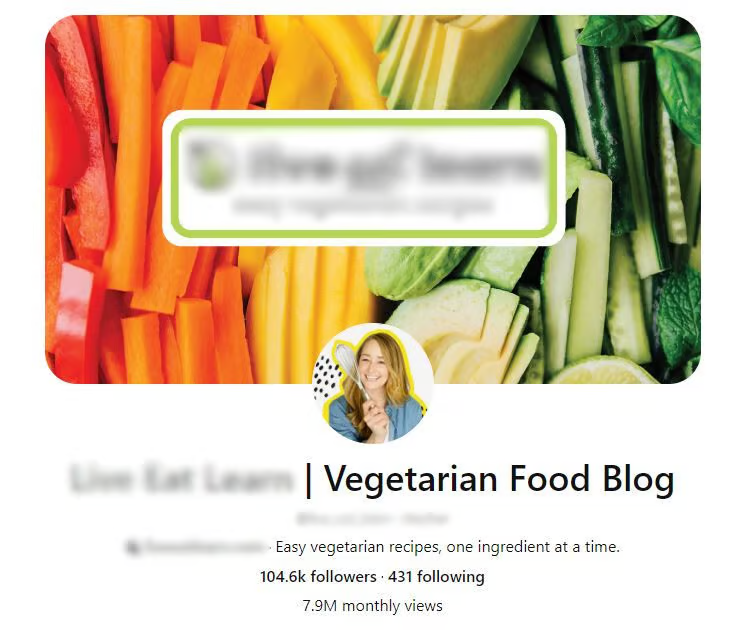
While other bloggers are chasing Instagram followers like they’re collecting Pokemon cards, Sarah’s quietly dominating Pinterest with 100,000+ followers and 7.9 million monthly views.
Why does this matter?
Pinterest functions as a visual search engine. People don’t go there to scroll mindlessly—they go with intent. They’re planning next week’s meals, searching for “easy weeknight vegetarian recipes,” or solving the problem of what to make with that random eggplant in the fridge.
Pinterest drives more referral traffic to food and recipe sites than any other social platform, making it the secret weapon for content discovery. Each pin is essentially a tiny billboard with a direct highway to your website.
Sarah’s Pinterest strategy isn’t complicated. Beautiful vertical images. Keyword-rich descriptions. Boards organized by meal type, dietary restriction, and cooking method. Consistency over flash.
The Credentials That Matter (And The Ones That Don’t)
Here’s where things get interesting.
Sarah holds a bachelor’s degree in Human Nutrition and a master’s degree in Sensory Science from Penn State. In the crowded world of food blogging where anyone with a smartphone can claim expertise, these credentials establish immediate authority.
But here’s the plot twist: the degrees aren’t what make her successful.
The passion is what drives success. The expertise creates the foundation, but the genuine enthusiasm for helping people eat better—that’s the secret sauce you can’t fake. It bleeds through every recipe introduction, every nutrition note, every response to reader comments.
You can feel the difference between someone who studied nutrition because it leads to a stable career versus someone who studied it because they genuinely geek out over how different cooking methods affect nutrient retention.
Guess which one builds a loyal following?
The SEO Strategy That Actually Generates Traffic
Sarah understands something crucial: Google is the world’s largest recipe box.
Her SEO approach combines three elements that most food bloggers stumble over.
Targeted keyword optimization means she’s not just writing about “pasta salad”—she’s creating content around “easy vegetarian pasta salad for meal prep” and “Mediterranean pasta salad with chickpeas.” These longer, more specific phrases (called long-tail keywords) face less competition while attracting readers with higher purchase intent.
High-quality content creation goes beyond the recipe itself. Each post includes personal stories, cooking tips, common mistakes to avoid, and nutritional information. This comprehensive approach keeps readers on the page longer (which Google loves) and establishes the site as an authoritative resource worth ranking.
Technical SEO excellence operates behind the scenes. Fast loading times. Mobile responsiveness. Proper heading structure. Schema markup for recipes. These technical elements might sound boring, but they’re the difference between ranking on page one versus page eight. And let’s be honest—nobody clicks to page eight.
The results speak volumes: LiveEatLearn ranks for thousands of vegetarian-related keywords, driving consistent organic traffic month after month. This is the holy grail of online business—traffic you don’t have to pay for.
The Community Building Playbook
Sarah runs monthly cooking challenges. Simple concept, powerful execution.
Each month, participants choose a recipe, make it, share photos, and compete for prizes. This transforms passive readers into active community members. It generates user-generated content. It creates social proof. It builds emotional investment in the brand.
The newsletter strategy deserves attention too. In exchange for subscribing, visitors receive three free ebooks. Not thin, thrown-together PDFs—substantial guides offering genuine value. This builds the email list (the most valuable asset in digital business) while immediately delivering on promises.
Once someone’s on the email list, Sarah maintains the relationship through consistent, valuable content. No spammy sales pitches. No weekly bombardment. Just useful recipes, cooking tips, and the occasional promotion for premium products.
Where LiveEatLearn Could Grow Even Bigger
Here’s what’s fascinating: despite generating $30,000 monthly, there’s still significant untapped potential.
The Online Course Opportunity
With her expertise and proven teaching ability, Sarah could develop premium courses. Imagine a comprehensive program like “Vegetarian Cooking Fundamentals: From Kitchen Novice to Confident Cook” or “Meal Prep Mastery: Plant-Based Edition.”
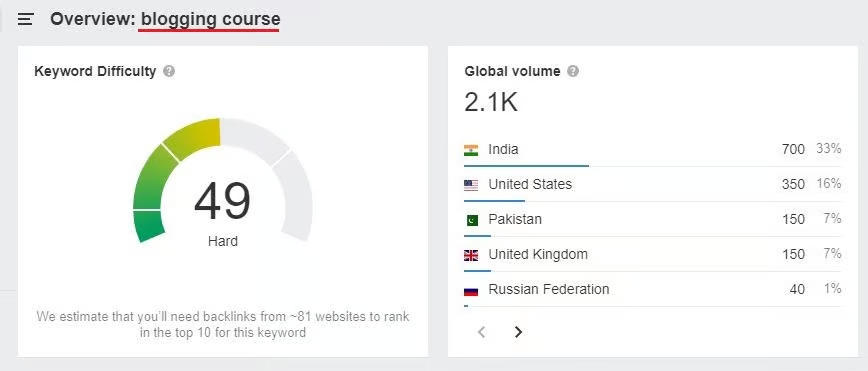
The beauty of courses? High-profit margins. Create once, sell repeatedly. Unlike advertising (which requires constant traffic) or affiliate marketing (which depends on third-party products), courses put control directly in the creator’s hands.
Successful online course creators in the food niche report earning $5,000-$50,000 per launch, depending on audience size and pricing strategy.
Expanding Beyond Digital
Kitchen tools and equipment recommendations currently generate affiliate commissions. But what about curating a branded product line? Partner with manufacturers to create “Sarah’s Essential Vegetarian Kitchen Tools” or develop a line of specialty ingredients.
Companies like Zwilling offer affiliate programs that could serve as stepping stones toward deeper partnerships or private-label opportunities.
Virtual Events and Workshops
Live cooking classes, nutrition Q&A sessions, panel discussions with nutrition experts—these create engagement, demonstrate expertise, and generate both direct revenue (ticket sales) and indirect benefits (lead generation, brand building, content creation).
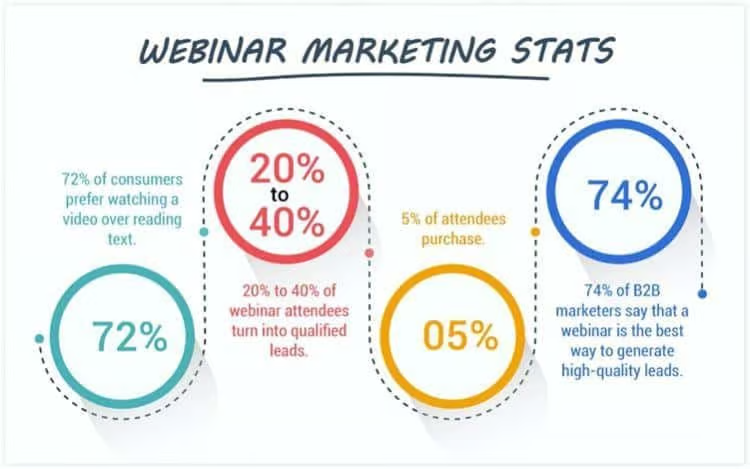
The pandemic proved that people will pay for quality virtual experiences. The infrastructure’s already in place. The audience is already engaged. The expertise is undeniable.
Ad 🎯 Ready to put these strategies into action?
Theory is great, but execution is what drives growth. That’s where Max Business School™ comes in.
Inside, you’ll find step-by-step digital marketing courses (SEO, ads, email, social, content, and more) — taught by professionals, designed for beginners and business owners alike.
And the best part? It’s 100% free, online, and flexible.
→ Join Max Business School Today — Free
The Revenue Reality Check
Let’s address the elephant in the kitchen: can you really make $30,000 monthly from a food blog in 2025?
Yes. But.
(There’s always a but, isn’t there?)
This level of income doesn’t materialize overnight. LiveEatLearn generates approximately 400,000+ monthly visitors. Building that traffic requires consistent content creation, strategic SEO, and time for compound growth to work its magic.
Most successful food bloggers report it takes 1-2 years of consistent effort before seeing significant income. Years 3-5 is when the exponential growth typically kicks in, as older content continues ranking and driving traffic while new content builds on the established authority.
The 80/20 rule applies viciously here: roughly 20% of posts will generate 80% of the traffic and revenue. The challenge? You won’t know which 20% until after publishing. So you create consistently, optimize relentlessly, and let the data reveal the winners.
Skills You Actually Need (And Don’t Need)
You don’t need:
- Professional culinary training
- Expensive photography equipment
- A massive social media following to start
- Venture capital funding
You absolutely need:
- Genuine expertise or deep interest in your niche
- Consistent content creation discipline
- Basic photography skills (smartphone cameras work fine initially)
- Fundamental SEO knowledge
- Patience for compound growth
The expertise piece deserves emphasis. Sarah’s nutrition degrees provide credibility, but more importantly, they give her the knowledge to create genuinely helpful content. If you’re considering this path, ask yourself: what’s my unfair advantage? What do I know that others don’t?
Maybe it’s navigating vegetarian eating on a tight budget. Maybe it’s adapting recipes for high altitude cooking. Maybe it’s creating vegetarian meals that meat-loving husbands actually enjoy.
Find your angle. Own your expertise.
The Bottom Line (Plus Tax)
Sarah Bond built LiveEatLearn into a $30,000-monthly business by combining genuine expertise, strategic content creation, smart SEO, and diversified revenue streams. She prioritized user experience over quick profits, invested in quality visual content, and built a community rather than just an audience.
The path isn’t revolutionary. It’s proven.
Create exceptional content in a specific niche. Optimize for search engines. Build an email list. Diversify income streams. Engage your community. Improve consistently.
Simple? Yes. Easy? Absolutely not.
But if you’re willing to put in consistent effort, develop genuine expertise, and play the long game, the vegetarian food blogging space—and adjacent niches—offer legitimate opportunities for building substantial online income.
The recipes for success are out there. You just have to actually cook them.
Key Takeaways:
- Display advertising, sponsored content, and affiliate marketing create stable revenue foundations
- Original visual content (photos and videos) builds trust and improves engagement
- Pinterest drives more targeted traffic than Instagram for recipe content
- Technical SEO and content quality compound over time to generate consistent organic traffic
- Email lists and community building create long-term business sustainability
- Premium products, courses, and partnerships offer expansion opportunities
Ready to start your own food blog? The kitchen’s open. The ingredients are available. Time to get cooking.