
How to Build a Pool and Hot Tub Blog That Makes $30,000 Monthly
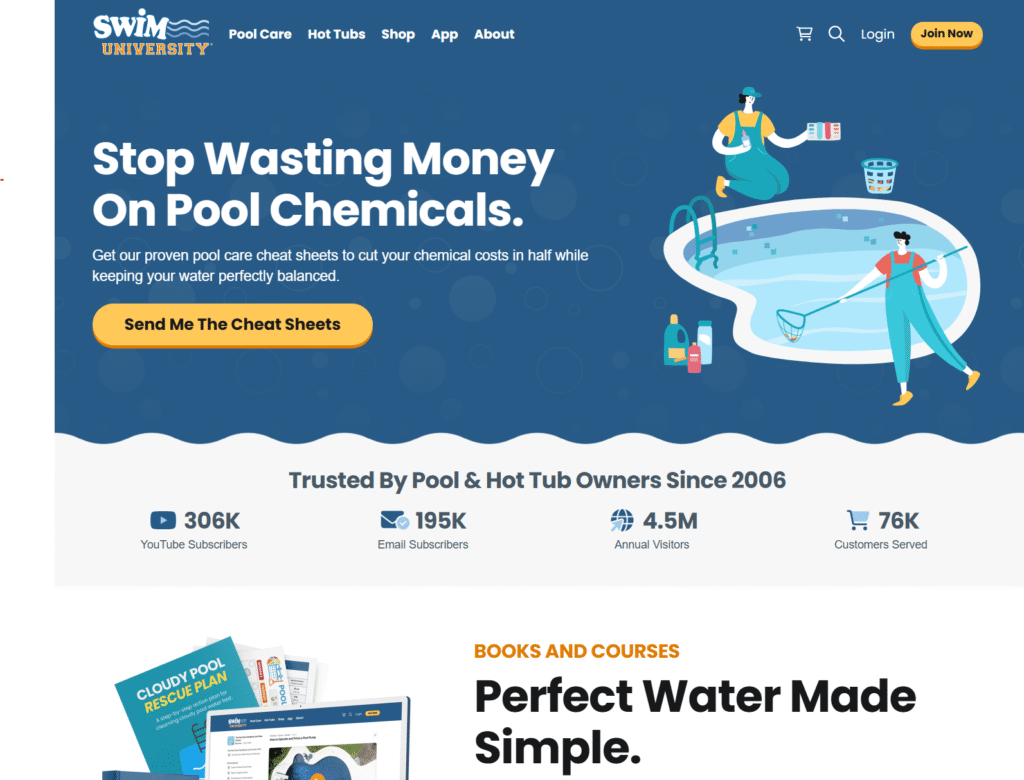
Most people think pool maintenance is boring.
Matt Giovanisci thought differently – and it made him rich.
While others were chasing flashy tech startups and crypto schemes, Matt quietly built an empire around something every pool owner desperately needs: clear, helpful advice on keeping their water sparkling clean.
His website? Swim University. His monthly revenue? Over $30,000.
Here’s the kicker: he started with nothing more than a passion for pools and a willingness to help frustrated homeowners who were tired of cloudy water and broken equipment.
But this isn’t just another “follow your passion” fairy tale…
This is a blueprint for turning specialized knowledge into serious money – even if your niche seems “unsexy” to everyone else.
Ad 🎯 After studying 400+ business models, here’s what actually works for beginners…
Most “make money online” advice is garbage. Complex affiliate schemes. Dropshipping nightmares. Social media “influencing.”
We found something better: lead-generation funnels for manufacturers. Simple. Profitable. Fast results.
Our Max Incubator Phase 1 students are proof—they’re going from zero to their first $1,000 in 90 days with this exact model.
→ See the business idea that’s working for beginners this year
The Pool Empire That Started With One Problem
Back when Matt started Swim University, pool owners were drowning in conflicting advice. Some “expert” would tell them to add more chlorine. Another would say they were using too much. Equipment manuals read like ancient hieroglyphics.
Sound familiar?
Matt saw an opportunity where others saw a boring topic. He realized that millions of homeowners were struggling with the same problems he’d learned to solve during his years in the pool industry.
So he did something simple but revolutionary: he started teaching.
Today, Swim University pulls in over 90,500 monthly visitors and ranks for 55,300+ keywords. The site has accumulated more than 24,000 backlinks from websites that trust Matt’s expertise.
But here’s what makes this story fascinating…
The Three-Revenue-Stream Strategy That Changed Everything
Most bloggers obsess over ad revenue and wonder why they’re making pennies per click.
Matt built something different – a diversified income machine with three powerful engines:
Engine #1: Strategic Affiliate Marketing
Instead of slapping random Amazon links everywhere, Matt partners with companies that make products his audience actually needs. Pool chemicals, testing kits, maintenance equipment – stuff that solves real problems.
When someone reads his guide on balancing pH levels and clicks through to buy a testing kit, Matt earns a commission. But here’s the crucial part: he only recommends products he’d use himself.
This builds trust, which builds recurring income.
Engine #2: Premium Courses That Solve Specific Problems
Matt noticed his readers asking the same questions repeatedly. Instead of answering them individually forever, he created comprehensive courses covering:
- Water chemistry mastery
- Equipment installation and repair
- Seasonal maintenance routines
- Troubleshooting common problems
Each course sells for premium prices because it saves homeowners hundreds (sometimes thousands) in professional service calls.
Engine #3: Physical Products That Complement the Content
This is where many content creators miss out. Matt doesn’t just teach – he also sells the tools his audience needs to implement what they’ve learned.
Cleaning supplies, maintenance checklists, water testing products – all branded under Swim University and sold through his website and Facebook shop.
The beauty? Each revenue stream reinforces the others. Blog readers discover his courses. Course students buy his products. Product customers read his content for tips.
Why Most Pool Blogs Fail (And How Matt Avoided These Traps)
Here’s what separates Swim University from the thousands of failed pool blogs scattered across the internet…
He Mastered SEO Before It Became Overcomplicated
With 55,300+ targeted keywords, Matt’s SEO strategy is surgical. He doesn’t chase vanity metrics or try to rank for “pool” (impossible and pointless).

Instead, he targets specific problems: “how to clear cloudy pool water,” “pool pump making noise,” “hot tub pH too high.”
These searches have commercial intent. People typing these phrases are ready to buy solutions.
Social Media That Actually Converts
Most businesses treat social media like a vanity contest, obsessing over follower counts while ignoring conversions.
Matt’s YouTube channel has 178,000 subscribers and over 25 million views. His Facebook page has 21,000 followers, Pinterest has 19,000.
But here’s the difference: every piece of content serves a purpose. Educational videos drive traffic to his blog. Blog posts promote his courses. Courses recommend his products.
Conversion Optimization That Actually Works
Ever notice how some websites make buying feel effortless while others frustrate you into leaving?
Matt nailed the psychology:
- Prominent CTA buttons that contrast with the site design (no camouflaged buttons here)
- Free lead magnets like his “Pool and Hot Tub Care Cheat Sheet” to capture email addresses
- Smart upselling during checkout (suggesting complementary products)
- Free shipping thresholds that increase average order value
- Exit-intent popups offering discounts to recover abandoning visitors
The 50% Affiliate Program That Builds an Army
Here’s where Matt got really smart: he offers affiliates 50% commissions on every sale they generate.
This isn’t generosity – it’s strategic brilliance.
By giving affiliates a massive incentive to promote his courses and products, he’s essentially built a sales team that only gets paid for results.
The Untapped Opportunities Every Pool Blogger Misses
Even with all his success, there are still goldmines Matt hasn’t fully explored…
User-Generated Content: Imagine thousands of satisfied customers sharing before-and-after photos of their sparkling pools, along with testimonials about which products worked best. This social proof would be worth more than any advertising campaign.

Personalized Consulting: Some pool problems are too unique for generic courses. High-end homeowners would gladly pay premium prices for personalized troubleshooting sessions via video call.
Expanded Product Lines: Matt could easily branch into related areas like pool safety equipment, outdoor entertaining accessories, or even pool construction consulting.
The pool industry is worth billions annually, yet most of it remains offline and fragmented. There’s enormous opportunity for someone willing to build the definitive online resource.
Ad 🎯 Ready to put these strategies into action?
Theory is great, but execution is what drives growth. That’s where Max Business School™ comes in.
Inside, you’ll find step-by-step digital marketing courses (SEO, ads, email, social, content, and more) — taught by professionals, designed for beginners and business owners alike.
And the best part? It’s 100% free, online, and flexible.
→ Join Max Business School Today — Free
Your Step-by-Step Blueprint for Pool Blogging Success
Ready to dive in? Here’s your roadmap…
Phase 1: Foundation (Days 1-30)
Choose Your Angle: While pool maintenance is Matt’s focus, you could specialize in pool design, safety, entertaining, or regional-specific advice (pools in cold climates, saltwater pools, etc.).
Secure Your Digital Real Estate: Register a domain name that’s memorable and SEO-friendly. Something like “ClearPoolSecrets.com” or “PoolPerfectionGuide.com” works better than your personal name.
Build Your Content Hub: Create a professional website using platforms like WordPress. You’ll need clean navigation, fast loading speeds, and mobile optimization. If this feels overwhelming, services like DreamHost offer beginner-friendly hosting with one-click WordPress installation.
Phase 2: Content Strategy (Days 31-90)
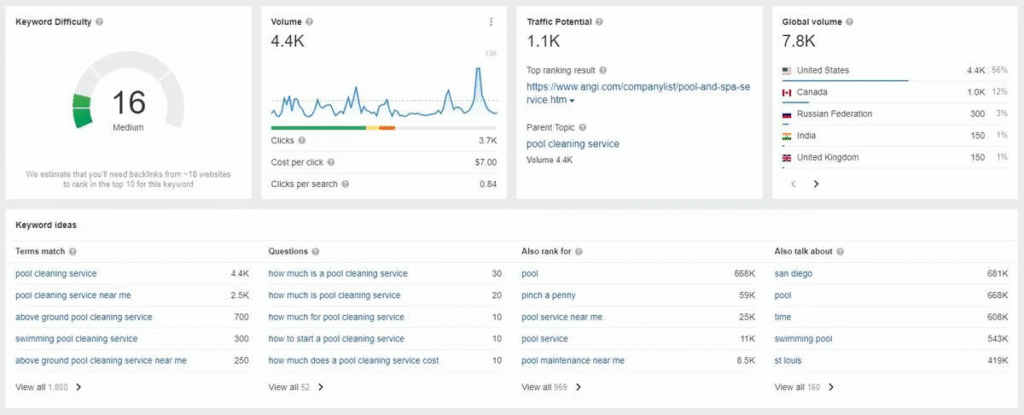
Research Your Audience’s Pain Points: Use tools like Ahrefs to identify what pool owners are actually searching for. Focus on problems with commercial intent – searches that indicate readiness to buy solutions.
Create Your Content Calendar: Plan blog posts around seasonal needs. Spring preparation guides in March, summer maintenance tips in June, winterization advice in September.
Establish Your Voice: Matt succeeds because he explains complex chemistry in simple terms. Find your unique angle – maybe you’re the “pool maintenance for busy professionals” expert or the “eco-friendly pool care” authority.
Phase 3: Traffic and Trust (Days 91-365)
SEO Optimization: Every piece of content should target specific keywords while providing genuine value. Don’t stuff keywords – focus on answering questions completely and clearly.
Social Media Strategy: YouTube is particularly powerful for pool content because people want to see techniques demonstrated. Facebook groups let you build community. Pinterest drives traffic to seasonal content.
Email List Building: Offer valuable free resources (maintenance schedules, chemical calculators, troubleshooting checklists) in exchange for email addresses. This becomes your most valuable asset.
Phase 4: Monetization (Year 2+)
Affiliate Partnerships: Start with obvious partners like pool supply companies, equipment manufacturers, and chemical brands. Focus on products you’d genuinely recommend.
Premium Course Creation: Once you understand your audience’s biggest challenges, create comprehensive solutions. Price based on the value you provide, not your costs.
Physical Product Development: Consider creating your own branded maintenance tools, testing kits, or chemical packages. The margins are higher and you control the entire customer experience.
The Skills That Separate Winners from Wannabes
Success in this business requires more than pool knowledge…
Content Creation: You’ll need to write clearly, shoot decent videos, and create helpful visuals. The good news? These skills improve with practice.
Basic SEO Understanding: Learn how search engines work, what keywords matter, and how to optimize content without overdoing it.
Email Marketing: Your email list becomes your business’s most valuable asset. Learn to write subject lines that get opened and content that drives action.
Customer Psychology: Understanding what motivates purchases is more valuable than any technical knowledge. Why do people buy? What objections do they have? How can you make buying feel like the obvious choice?
The Bottom Line
While everyone else chases the latest business trends, there’s serious money to be made in “boring” niches like pool maintenance.
The key isn’t finding a sexy industry – it’s finding an underserved audience with real problems and enough money to pay for solutions.
Pool owners definitely qualify.
They have expensive equipment that breaks. Water chemistry that confuses them. Safety concerns that keep them up at night. And seasonal maintenance that overwhelms them.
Most importantly? They’re willing to pay for expert guidance.
Matt Giovanisci proved it’s possible to build a $30,000+ monthly business by helping people solve these problems. His approach works because it’s based on providing genuine value, not just chasing quick profits.
The question isn’t whether this business model works – Matt’s success proves it does.
The question is whether you’re willing to commit to serving an audience consistently over the long term, even when the results aren’t immediately visible.
Because that’s what separates the pool bloggers making serious money from those wondering why their AdSense earnings barely cover their hosting costs.