
How to Make $5K Monthly With a DIY Blog
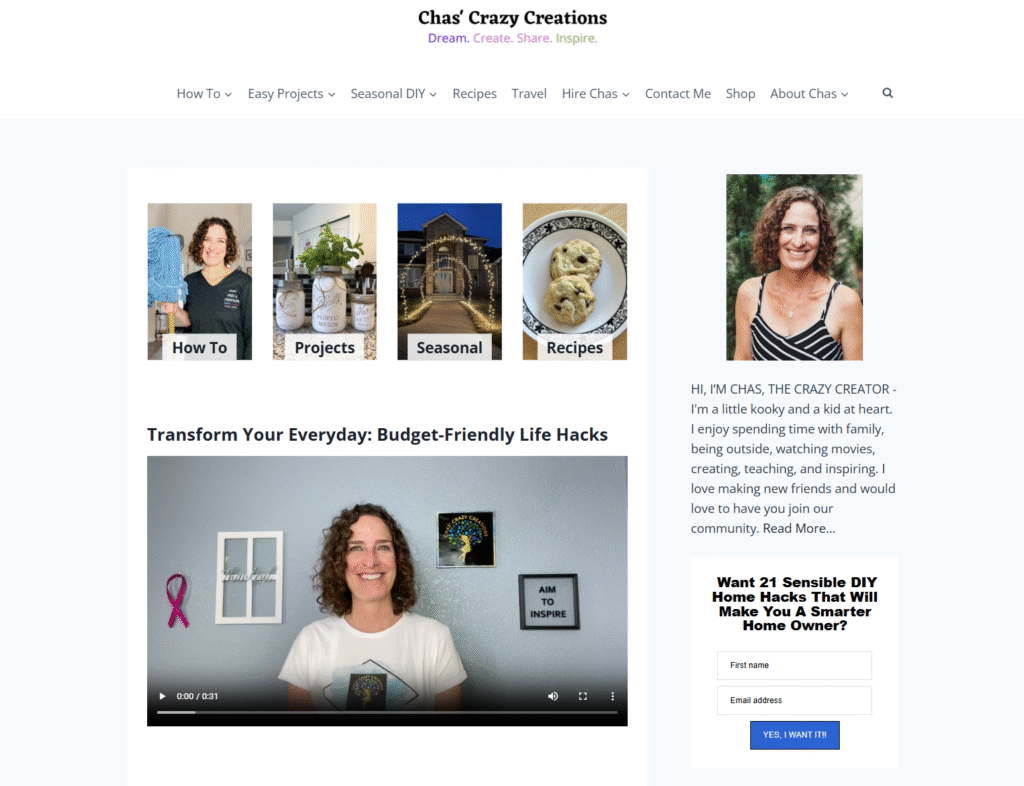
Chas Greener spent 24 years as a professional dancer before her body said “absolutely not” and forced an early retirement in 2019.
Two hip surgeries and breast cancer treatment will do that.
Most people facing that situation would spiral into anxiety about career prospects and financial security. Chas decided to make money teaching people how to transform Dollar Store junk into surprisingly decent home decor.
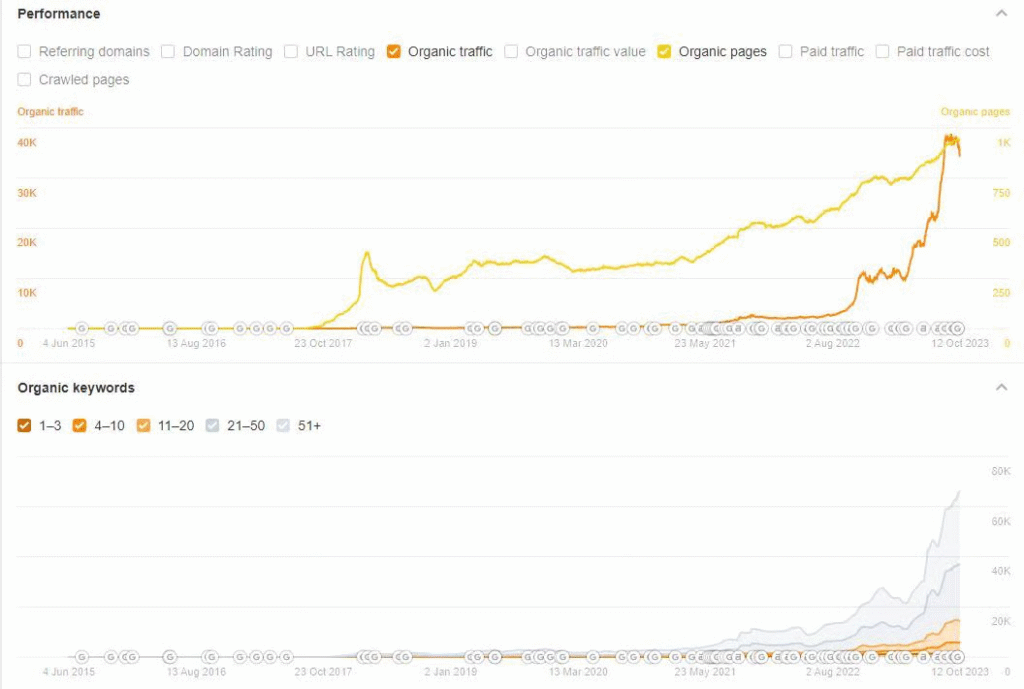
Today, Chas’ Crazy Creations generates $5,000 monthly through a strategic mix of affiliate marketing, display advertising, consulting services, and YouTube monetization. Her blog attracts 36,300 organic visitors every month—people actively searching for DIY project ideas, organization hacks, and budget-friendly home improvement tips.
She’s not a professional designer. She doesn’t have a degree in interior decorating. She’s just someone who genuinely loves creating things and figured out how to monetize that passion.
Let me show you her exact playbook.
Ad 🎯 After studying 400+ business models, here’s what actually works for beginners…
Most “make money online” advice is garbage. Complex affiliate schemes. Dropshipping nightmares. Social media “influencing.”
We found something better: lead-generation funnels for manufacturers. Simple. Profitable. Fast results.
Our Max Incubator Phase 1 students are proof—they’re going from zero to their first $1,000 in 90 days with this exact model.
→ See the business idea that’s working for beginners this year
The Craft Blog Gold Rush Nobody’s Talking About
The global craft market hit $44.5 billion in 2023 and projects to reach $50.9 billion by 2028, according to Grand View Research. That’s a compound annual growth rate of 2.73%.
Not exactly cryptocurrency-level excitement, but steady, predictable growth in a massive market.
More importantly for bloggers like Chas, the DIY and crafting audience is incredibly engaged online. They actively search for:
- Project tutorials and how-to guides
- Product reviews and recommendations
- Organization solutions and life hacks
- Budget-friendly alternatives to expensive decor
- Seasonal craft ideas for holidays
According to Niche Pursuits research, food bloggers earn the highest median income at $9,169 monthly, but DIY/craft bloggers aren’t far behind—and the niche has advantages food blogging doesn’t.
DIY content isn’t as saturated as food blogging. Search competition is lower. Affiliate commission rates on craft supplies and tools are often higher than kitchen products. And DIY bloggers can diversify revenue through consulting, digital products, and courses more easily than food bloggers.
Chas launched her blog in late 2017 after contributing DIY content to Hometalk (a popular DIY community platform) since 2015. When health issues forced her out of dance in 2019, she dove headfirst into growing the blog and consulting business.
She reached $60,000 annual revenue ($5,000 monthly) within six years of launching—all while recovering from surgery and cancer treatment.
The secret? A strategic combination of SEO-optimized content, Pinterest marketing mastery, and genuine personality that makes her content feel like advice from a crafty friend rather than sterile tutorials.
How Chas’ Crazy Creations Makes Money
Chas doesn’t rely on a single income stream. She’s built a diversified revenue model that provides stability even if one channel underperforms.
Affiliate Marketing: Recommending Products She Actually Uses
Throughout Chas’ blog posts and videos, you’ll find affiliate links to craft supplies, tools, and materials she genuinely uses in projects.
She participates in multiple affiliate programs including Amazon Associates, Dollar Tree (yes, they have an affiliate program), Shop Your Likes, Skimlinks, ShareASale, Walmart, LTK, and Collective Voice.
When readers click her links and purchase products, Chas earns commissions—typically 3-7% for physical products, though specialized programs pay more.
Here’s why her affiliate strategy works: She only promotes products featured in actual tutorials. If she’s showing you how to transform plastic drawers into decorative storage, the affiliate link goes to those specific drawers—not random Dollar Store items she’s never touched.
This authenticity matters. According to Influencer Marketing Hub data, 83% of consumers trust peer recommendations over branded advertising. When Chas says “I used this hot glue gun and it worked great,” readers believe her.
The affiliate marketing industry globally reached $16 billion in 2024 and continues growing. DIY and craft niches perform particularly well because:
- Projects require specific supplies
- Readers are already in “buying mode” when searching for tutorials
- High-quality tools and materials genuinely improve results
- Product recommendations feel helpful rather than salesy
Display Advertising: Getting Paid When People Read
Chas monetizes her traffic through display ads via networks like Mediavine or similar premium ad services.
These ads appear throughout her blog—in the sidebar, within content, and as recommended content widgets. She earns revenue based on ad impressions (how many people see the ads) rather than clicks.
Most premium ad networks require 50,000 monthly pageviews before acceptance. With 36,300 monthly visitors, Chas likely qualifies (especially since visitors often read multiple articles per visit).
Display ad revenue for DIY blogs typically ranges from $15-25 per 1,000 pageviews with premium networks, compared to just $1-3 with Google AdSense. At 36,300 visitors generating perhaps 50,000+ pageviews, Chas could earn $750-1,250 monthly from ads alone.
That might seem modest, but remember—it’s completely passive once implemented. Chas creates content once, and ads generate revenue every time someone views that content for years afterward.
Site Consulting Services: Helping Other Bloggers Grow
Beyond her DIY blog, Chas runs Site Consulting Services, coaching other bloggers on:
- Business strategy and growth
- Digital marketing and brand building
- Content creation and SEO
- Website development
- Social media management
She conducts content priority reports showing clients which old posts to update for better rankings. She performs website audits. She runs mastermind groups.
Consulting allows Chas to charge premium rates—$100-500+ per hour depending on the service—while working directly with motivated clients.
This creates a high-value revenue tier beyond the blog’s passive income. A single consulting client paying $2,000 monthly represents 40% of her total $5,000 monthly revenue.
YouTube: Complementing Blog Content
Chas maintains a YouTube channel featuring video versions of her DIY tutorials.
YouTube monetization kicks in after reaching 1,000 subscribers and 4,000 watch hours. Once monetized, creators earn $1-3 per 1,000 views through AdSense, plus higher amounts through sponsorships.
More importantly for Chas, YouTube videos:
- Drive traffic back to the blog
- Improve SEO (Google owns YouTube and favors video content)
- Provide another format for people who prefer watching over reading
- Create additional monetization opportunities
Her videos aren’t Hollywood productions. They’re filmed with decent equipment in her home, featuring her personality and genuine enthusiasm. That authenticity resonates more than polished corporate content.
The SEO Strategy That Drives 36,000 Monthly Visitors
Chas’ traffic engine is content-led SEO—creating valuable articles optimized for search engines.
She identifies keywords people are actively searching: “Dollar Store organization hacks,” “easy DIY Christmas crafts,” “repurpose old clothes ideas,” “plastic drawer makeover.”
Then she creates comprehensive tutorials targeting those exact queries. Each article includes:
- Step-by-step instructions with photos
- Supply lists with affiliate links
- Tips for customization
- Video tutorials embedded from YouTube
According to Backlinko SEO research, comprehensive content that thoroughly answers search queries ranks higher than short, superficial articles.
Chas’ tutorials average 1,000-2,000 words with 15-30 photos. They’re genuinely helpful—not keyword-stuffed garbage designed to trick Google.
She also optimizes technical SEO elements:
- Clear header structure (H1, H2, H3 tags)
- Descriptive alt text on images
- Fast loading speeds
- Mobile-responsive design
- Internal linking between related articles
Her most successful content focuses on:
- Seasonal Projects: Halloween decorations, Christmas crafts, Valentine’s Day ideas
- Organization Hacks: Closet organization, drawer dividers, storage solutions
- Upcycling: Repurposing thrift store finds, transforming old clothes, renovating furniture
- Dollar Store DIY: Budget-friendly projects using $1 supplies
These topics have several advantages:
- High search volume (lots of people searching)
- Moderate competition (not dominated by major brands)
- Evergreen value (tutorials remain relevant for years)
- Visual appeal (perfect for Pinterest)
The Pinterest Strategy That Multiplies Traffic
Pinterest is Chas’ secret weapon.
While most bloggers treat Pinterest as an afterthought, Chas uses it strategically to drive consistent traffic. According to Pinterest business data, 89% of users actively seek purchase inspiration on the platform.
DIY and craft content performs exceptionally well on Pinterest because:
- The platform is inherently visual
- Users actively search for project ideas
- Pins have extremely long lifespans (years, not days)
- Pinterest functions more like a search engine than social media
Chas creates eye-catching pins for every blog post featuring:
- Bold text overlay stating the project benefit
- Bright, appealing images of finished projects
- Clear branding so people remember her
- Multiple pin variations to test performance
She doesn’t just pin once and forget. She:
- Joins relevant group boards in the DIY niche
- Pins consistently (not in sporadic bursts)
- Repins valuable content from others
- Engages with followers who comment on pins
A single high-performing pin can drive thousands of monthly visitors for years. Unlike Instagram posts that disappear from feeds within hours, Pinterest pins continue appearing in search results indefinitely.
Chas’ Pinterest strategy creates compounding traffic growth. Each new pin potentially drives visitors long-term, and the cumulative effect of hundreds of pins generates substantial ongoing traffic without paid advertising.
The Free Lead Magnet That Builds Her Email List
Chas offers a free eBook to capture email addresses from blog visitors.
This is Marketing 101, but most DIY bloggers skip it entirely. They create great content, attract traffic, and then… never hear from those visitors again when they leave.
Chas is smarter. She offers genuine value upfront (the free eBook) in exchange for email addresses. Once someone joins her list, she can:
- Share new tutorials directly via email
- Promote affiliate products to an engaged audience
- Announce new consulting services or courses
- Build relationships beyond one-time blog visits
Email marketing delivers exceptional ROI. According to marketing research, email generates $42 for every $1 spent—a 4,200% return.
The specific eBook content matters less than the perceived value. It could be:
- “50 Dollar Store Craft Ideas”
- “Complete Guide to Organizing Your Home on a Budget”
- “Seasonal Decor Planning Calendar”
What matters is that it solves a specific problem for her target audience and provides enough value that people willingly exchange email addresses to receive it.
Once someone’s on the list, Chas can nurture that relationship through:
- Weekly newsletters featuring new tutorials
- Exclusive tips not published on the blog
- Early access to new products or services
- Occasional promotional emails with affiliate recommendations
The key is maintaining a ratio of roughly 80% valuable content to 20% promotional content. Subscribers tolerate occasional product recommendations when they’re primarily receiving genuine value.
The Monetization Opportunities Chas Hasn’t Seized Yet
Despite earning $5K monthly, Chas has significant untapped potential.
Live Interactive DIY Workshops
Imagine real-time crafting sessions where participants create projects alongside Chas, asking questions and learning techniques through live interaction.
She could charge $20-50 per participant for 90-minute workshops. With just 50 attendees, that’s $1,000-2,500 for a single event. Host two workshops monthly, and that’s potentially $2,000-5,000 in additional revenue.
According to Eventbrite virtual event data, live online workshops saw explosive growth and maintain strong attendance because they provide community, accountability, and real-time feedback.
Workshops also:
- Deepen audience relationships
- Create urgency (limited spots available)
- Generate testimonials and social proof
- Provide material for future content
Membership Subscription Model
Chas could launch a membership tier offering:
- Exclusive monthly project patterns
- Early access to new tutorials
- Members-only Facebook group
- Discounts on consulting services
- Live monthly Q&A sessions
Charging just $10-20 monthly for a membership creates recurring revenue. With 200 paying members at $15/month, that’s $3,000 in predictable monthly income.
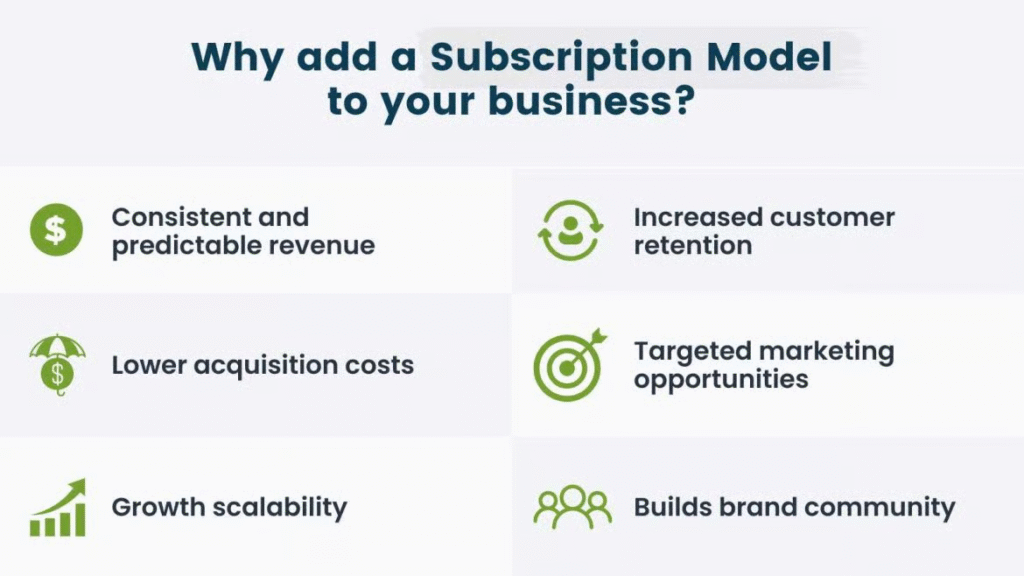
The subscription economy continues growing because consumers increasingly prefer access over ownership. A $15 monthly membership feels more accessible than a $180 annual fee, even though they’re equivalent.
Digital Product Sales
Beyond physical crafts, Chas could sell:
- Printable organization labels
- Project planning checklists
- Seasonal decor calendars
- Video courses on specific techniques
- eBooks with comprehensive tutorials
Digital products have zero marginal cost. Create once, sell infinitely. No inventory, shipping, or production expenses.
According to Shopify passive income research, digital products like eBooks and templates represent one of the most profitable online business models because of these characteristics.
Strategic Sponsored Content
Chas could partner with craft supply brands for sponsored tutorials, provided the sponsorships align with her authentic voice.
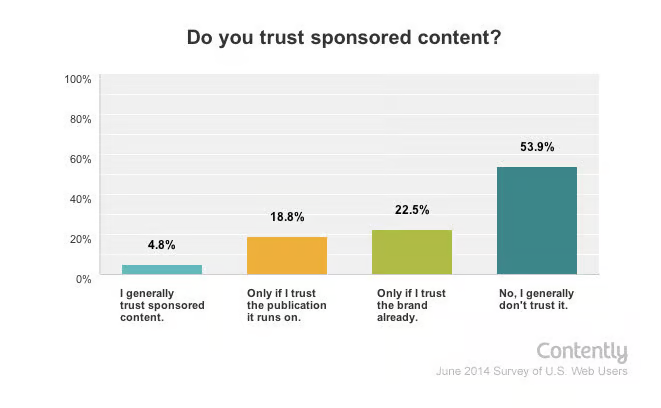
For example, collaborating with a paint company to create tutorials featuring their products—but only if she genuinely likes the paint and would use it anyway.
The keys to successful sponsored content:
- Transparency (clearly label sponsored posts)
- Selectivity (only partner with brands you actually endorse)
- Integration (create genuinely useful tutorials, not thinly veiled ads)
- Value-first (teach something worthwhile that happens to feature sponsored products)
Major craft brands like Plaid Enterprises, Behr Paint, and Mr. Coffee have already partnered with Chas, according to her LinkedIn. She knows how to secure sponsorships—she just hasn’t scaled them aggressively yet.
Ad 🎯 Ready to put these strategies into action?
Theory is great, but execution is what drives growth. That’s where Max Business School™ comes in.
Inside, you’ll find step-by-step digital marketing courses (SEO, ads, email, social, content, and more) — taught by professionals, designed for beginners and business owners alike.
And the best part? It’s 100% free, online, and flexible.
→ Join Max Business School Today — Free
The Resilience Lesson That Matters Most
Here’s what makes Chas’ story powerful beyond the revenue numbers.
When her 24-year dance career ended abruptly due to health issues that were completely beyond her control, she didn’t collapse into despair. She pivoted hard into something she’d been building on the side.
That kind of creative resilience is rare and worth studying.
She demonstrated several crucial characteristics:
She started before she was ready. Chas began contributing to Hometalk and building her blog while still working full-time as a dance director. She didn’t wait for perfect conditions—she started small and built momentum.
She stayed authentic. Chas describes herself as “a little kooky and a kid at heart,” and that personality shines through her content. She’s not trying to be some polished professional designer—she’s a real person who loves crafts and wants to share that enthusiasm.
She diversified income strategically. Rather than betting everything on one monetization method, Chas built multiple revenue streams. If display ad rates drop, she still has affiliate income. If affiliate commissions decline, she has consulting revenue.
She served a specific audience exceptionally well. Chas targets budget-conscious crafters looking for accessible DIY ideas, not high-end designers spending $500 on materials. She knows exactly who she’s helping and creates content specifically for them.
She leveraged visual platforms. DIY content is inherently visual, and Chas maximizes that advantage through Pinterest, YouTube, and Instagram rather than relying solely on text-based SEO.
According to comprehensive blog monetization research, most bloggers see their first earnings within 3-6 months, but building substantial income ($2,000+ monthly) typically takes 12-24 months of consistent effort.
Chas reached $5,000 monthly within six years—slower than some, but she was simultaneously recovering from major health issues and rebuilding her entire career.
The craft blog space remains viable in 2025. While blog monetization continues evolving, quality content combined with strategic traffic generation and diversified revenue still works.
If you’re navigating a career transition, wondering how to monetize creative skills, or just looking for an online business model that doesn’t require coding expertise or venture capital, Chas’ blueprint offers a roadmap.
Start creating valuable content around something you genuinely enjoy. Build traffic through SEO and Pinterest. Monetize through multiple channels. Scale gradually and sustainably.
The hot glue gun empire awaits. (Though seriously, be careful—those things get surprisingly hot.)