
How to Build a Grilling Blog That Makes $25,000 Monthly
Most people think food blogging is oversaturated.
They see the thousands of recipe sites out there and assume there’s no room for another player in the market.
Shawn Hill thought differently – and it made him $25,000 monthly.
While others were chasing broad “lifestyle” or “general cooking” audiences, Shawn laser-focused on one specific passion: grilling.
Not just any grilling content, mind you…
Content that solved real problems for real people who were tired of dry burgers, overcooked steaks, and confusing equipment reviews written by people who’d never actually fired up a grill.
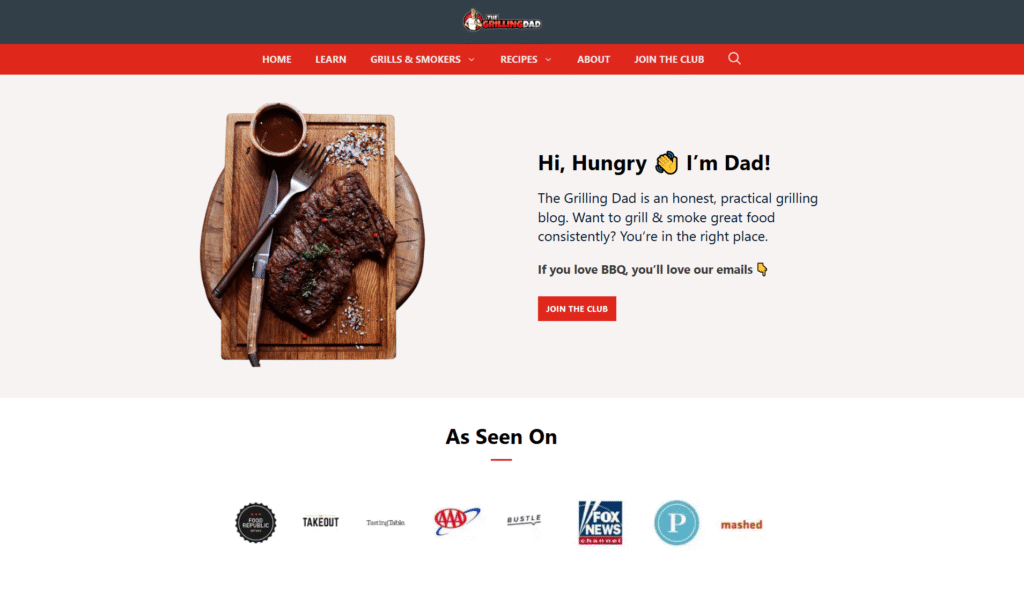
His blog? The Grilling Dad. His monthly revenue? Over $25,000.
Here’s what makes this story brilliant…
Shawn didn’t just stumble into success. He systematically built an empire around a “boring” topic that most food bloggers ignore – and turned it into serious money.
Ad 🎯 After studying 400+ business models, here’s what actually works for beginners…
Most “make money online” advice is garbage. Complex affiliate schemes. Dropshipping nightmares. Social media “influencing.”
We found something better: lead-generation funnels for manufacturers. Simple. Profitable. Fast results.
Our Max Incubator Phase 1 students are proof—they’re going from zero to their first $1,000 in 90 days with this exact model.
→ See the business idea that’s working for beginners this year
The Problem Every Grilling Enthusiast Faces
Picture this: It’s Saturday afternoon, friends are coming over, and you want to impress them with perfectly grilled food.
But here’s what actually happens…
You search online for grilling advice and get overwhelmed by contradictory information. One “expert” says high heat for steaks, another swears by low and slow. Equipment reviews are clearly written by people who’ve never touched a grill.
Most grilling content falls into two categories:
- Generic fluff written by content mills with zero expertise
- Overly technical guides that assume you’re already a pitmaster
There was a massive gap in the market for practical, trustworthy grilling advice from someone who actually understands the struggles of cooking for a family.
Shawn saw this gap and decided to fill it.
As a father of seven children, he needed to master efficient, delicious grilling that could feed a crowd without breaking the bank or taking all day.
His audience? Other parents, weekend warriors, and grilling enthusiasts who wanted results, not theory.
The Two-Stream Revenue Engine That Changes Everything
Most food bloggers make the same critical mistake: they rely entirely on display ads and wonder why they’re making pennies per pageview.
Shawn built something smarter – a diversified income machine with two perfectly balanced streams:
Stream #1: Strategic Affiliate Marketing
This isn’t about slapping random Amazon links on every post and hoping for the best.
Shawn partners with grilling equipment manufacturers, spice companies, and tool makers whose products he actually uses and recommends.
When someone reads his review of the best pellet grills under $500 and clicks through to buy, he earns a commission. But here’s the crucial difference: he only recommends products he’d buy himself.
This builds massive trust, which creates recurring income as readers return for more recommendations.
Stream #2: Targeted Display Advertising
Instead of generic banner ads that pay pennies, Shawn’s content attracts highly engaged visitors who spend serious time on his site.
His average session duration and pages per visit are significantly higher than typical food blogs because people actually read his detailed equipment guides and recipe instructions.
This engagement translates to premium advertising rates and better ad placement opportunities.
The genius? Each revenue stream amplifies the other. Affiliate content drives engagement, which improves ad performance. Ad revenue provides stability while affiliate income scales with audience growth.
Why Most Grilling Blogs Fail (And How The Grilling Dad Avoided These Traps)
Here’s what separates successful food blogs from the thousands that never make real money…
He Dominated SEO Before Everyone Else Caught On
With 87,000+ monthly visitors and ranking for 63,000+ keywords, Shawn’s SEO strategy is surgical.

He doesn’t try to rank for impossible terms like “grilling” or “BBQ recipes.”
Instead, he targets specific problems with commercial intent:
- “best gas grill under $300”
- “how to grill chicken without drying out”
- “pellet grill vs gas grill comparison”
These searches indicate people ready to buy solutions, not just browse casually.
His 2,200+ backlinks come from genuinely helpful content that other grilling enthusiasts and industry sites naturally want to reference.
Internal Linking That Actually Works
Most bloggers write posts in isolation, missing massive SEO opportunities.
Shawn creates content clusters that work together. His pellet grill buying guide links to specific product reviews, which link to recipe posts using those grills, which link back to technique articles.
This approach keeps readers engaged for multiple pageviews while telling search engines that his site is a comprehensive authority on grilling topics.
Social Media That Builds Community, Not Just Followers
23,000 Facebook followers might not sound massive, but here’s what matters: engagement and conversion.
Shawn’s Facebook strategy focuses on driving traffic back to his website, not just accumulating vanity metrics.
His Instagram account (2,600 followers) showcases mouth-watering food photos and equipment in action. These aren’t just pretty pictures – they’re strategic content that builds desire for the products he reviews.
His YouTube channel (800 subscribers) provides video demonstrations of grilling techniques and equipment reviews. Video content builds trust faster than text because viewers can see him actually using the products.
Niche Authority That Commands Premium Prices
By focusing exclusively on grilling, Shawn positioned himself as the authority in this space.
When readers need grilling advice, they don’t just visit his site – they bookmark it, subscribe to his newsletter, and recommend it to friends.
This level of trust translates directly to higher conversion rates on affiliate recommendations and premium advertising opportunities.
The Untapped Opportunities Every Grilling Blogger Misses
Even with The Grilling Dad’s success, there are still goldmines waiting to be explored…
Conversion Funnel Optimization: Most visitors browse and leave. By creating compelling lead magnets (like “The Ultimate Grilling Temperature Guide”), Shawn could capture email addresses and nurture visitors into buyers through targeted email sequences.
Industry Influencer Partnerships: Collaborating with celebrity chefs, YouTube grilling channels, or barbecue competition winners could dramatically expand reach and credibility.
Private Label Products: With his established authority, Shawn could create signature spice blends, grilling tools, or even branded grills. The margins on proprietary products far exceed affiliate commissions.
Premium Content Subscriptions: Advanced grilling techniques, exclusive recipes, or personalized equipment recommendations could justify monthly subscription fees from serious enthusiasts.
Ad 🎯 Ready to put these strategies into action?
Theory is great, but execution is what drives growth. That’s where Max Business School™ comes in.
Inside, you’ll find step-by-step digital marketing courses (SEO, ads, email, social, content, and more) — taught by professionals, designed for beginners and business owners alike.
And the best part? It’s 100% free, online, and flexible.
→ Join Max Business School Today — Free
Your Step-by-Step Blueprint for Grilling Blog Success
Ready to fire up your own grilling empire? Here’s your roadmap…
Phase 1: Foundation and Focus (Days 1-30)
Choose Your Angle: While general grilling works, consider specializing further. Maybe you’re the “grilling for beginners” expert, the “budget BBQ” authority, or the “competition grilling techniques” guru.
Research Your Competition: Study not just The Grilling Dad, but also Amazing Ribs, Weber’s website, and other established players. Look for gaps in their content or underserved audience segments.
Secure Your Digital Assets: Register a memorable domain name (something like “BackyardGrillMaster.com” or “GrillSmartDad.com”). Set up professional hosting that can handle traffic spikes when your content goes viral.
Plan Your Content Pillars: Organize around core themes like equipment reviews, cooking techniques, recipes, and troubleshooting guides. This structure helps with both user experience and SEO.
Phase 2: Content Strategy and Creation (Days 31-90)
Keyword Research: Use tools like Ahrefs to identify grilling-related keywords with decent search volume but manageable competition. Focus on buyer-intent keywords like “best,” “review,” “vs,” and “how to choose.”
Create Your Content Calendar: Plan posts around seasonal trends (summer grilling season, holiday cooking), product launches, and evergreen topics that provide year-round value.
Develop Your Voice: Shawn succeeds because he writes like he’s talking to a neighbor over the fence. Find your authentic voice – maybe you’re the scientific grilling nerd, the budget-conscious family cook, or the weekend warrior maximizing limited time.
Build Your Foundation Content: Start with comprehensive guides that can become your most-linked resources. Think “Complete Guide to Gas Grill Maintenance” or “Grilling Temperature Chart for Every Cut of Meat.”
Phase 3: Traffic and Authority Building (Days 91-365)
SEO Optimization: Every post should target specific keywords while providing genuine value. Include detailed product specifications, cooking times, temperature guides – the practical information people actually need.
Internal Linking Strategy: Connect related posts strategically. Your grill buying guide should link to specific product reviews, which should link to recipes that work well on those grills.
Social Media Execution: Focus on platforms where your audience actually spends time. Facebook for community building, Instagram for food photography, YouTube for technique demonstrations.
Email List Building: Offer valuable lead magnets like printable temperature guides, seasonal grilling checklists, or exclusive recipe collections.
Phase 4: Monetization and Scale (Year 2+)
Affiliate Program Applications: Start with Amazon Associates for easy product linking, then apply to manufacturer affiliate programs for higher commissions. Weber, Traeger, and other major brands offer lucrative partnerships.
Display Ad Optimization: Once you hit 10,000+ monthly pageviews, apply for premium ad networks like Mediavine or AdThrive. These pay significantly more than Google AdSense.
Product Creation: Consider developing your own grilling accessories, spice blends, or digital guides. The margins are higher and you control the entire customer experience.
Authority Building: Guest post on established food blogs, appear on grilling podcasts, or speak at local cooking events. Building your personal brand increases trust and referral traffic.
The Skills That Separate Winners from Wannabes
Success in grilling blogging requires more than just knowing how to cook…
Photography Skills: Food photography makes or breaks a grilling blog. Learn to capture appetizing images that make readers hungry enough to try your recipes and buy your recommended equipment.
Technical Writing: You need to explain complex grilling techniques in simple terms. Practice breaking down processes into clear, numbered steps with specific temperatures and timing.
Product Evaluation: Readers trust you to test products thoroughly. Develop systematic approaches for comparing grills, evaluating tools, and identifying the best value options.
SEO Fundamentals: Understanding how search engines work isn’t optional. Learn keyword research, on-page optimization, and link building strategies specific to food content.
Community Building: Engaging with readers through comments, social media, and email builds the loyalty that drives long-term success.
The Bottom Line
While everyone chases trendy food topics, there’s serious money in serving specific, passionate communities that need genuine expertise.
Grilling enthusiasts represent a perfect blogging audience: they’re passionate about their hobby, willing to invest in quality equipment, and constantly seeking new techniques and recipes.
The key isn’t finding a “sexy” niche – it’s finding an underserved audience with real problems and enough disposable income to pay for solutions.
Grilling enthusiasts definitely qualify.
They buy expensive equipment. They experiment with premium ingredients. They invest in tools, accessories, and learning resources that help them improve their skills.
Most importantly? They’re willing to pay for expert guidance.
Shawn Hill proved it’s possible to build a $25,000+ monthly business by solving real problems for people who take grilling seriously.
His success comes from understanding that readers don’t just want recipes – they want confidence. Confidence that their investment in that new grill is smart. Confidence that they can cook restaurant-quality food at home. Confidence that they won’t embarrass themselves at the next neighborhood barbecue.
The grilling market isn’t going anywhere. If anything, it’s growing as more people invest in outdoor living spaces and seek alternatives to dining out.
The question isn’t whether this business model works – The Grilling Dad’s success proves it does.
The question is whether you’re willing to commit to serving a specific audience consistently over the long term, even when the results aren’t immediately visible.
Because that’s what separates the food bloggers making serious money from those wondering why their AdSense earnings barely cover their hosting costs.
Focus on solving real problems for people who are passionate about grilling, and the money will follow.