
How to Build an Authentic Travel Blog Earning $15K Monthly Through SEO
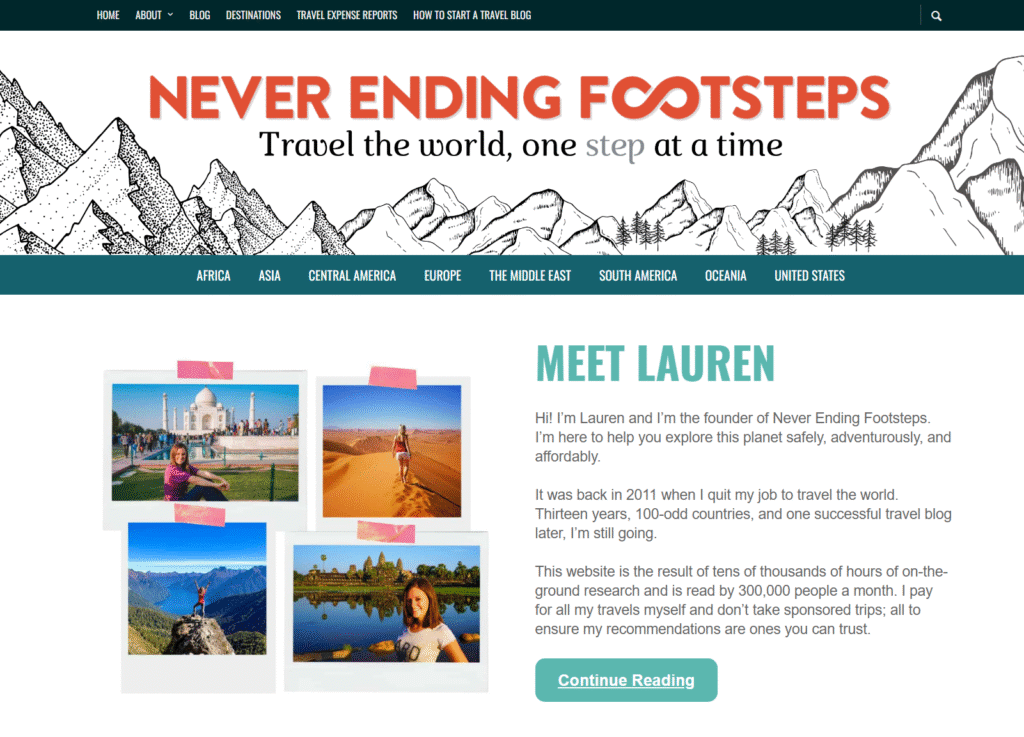
Lauren Juliff quit her job in 2011 to travel the world with zero plan beyond “I need to get out of here.”
Dramatic? Maybe.
But twelve years later, that reckless decision transformed into Never Ending Footsteps—a travel blog generating $15,000 monthly by doing something most influencers refuse to do: telling the unvarnished truth.
No sponsored trips. No press junkets. No “everything is amazing” Instagram fakery.
Just honest travel experiences funded entirely by Lauren herself, which creates something rare in the travel blogging world: actual credibility.
Here’s why this matters economically.
While influencers chase brand deals and free hotel stays, Lauren built a business model that doesn’t depend on maintaining relationships with sponsors who expect glowing reviews. That independence translates directly into reader trust, which converts into income.
Ad 🎯 After studying 400+ business models, here’s what actually works for beginners…
Most “make money online” advice is garbage. Complex affiliate schemes. Dropshipping nightmares. Social media “influencing.”
We found something better: lead-generation funnels for manufacturers. Simple. Profitable. Fast results.
Our Max Incubator Phase 1 students are proof—they’re going from zero to their first $1,000 in 90 days with this exact model.
→ See the business idea that’s working for beginners this year
The Two-Pillar Revenue Model
Never Ending Footsteps generates $15,000 monthly through a deliberately simple monetization strategy.
Display Advertising provides the baseline income. Premium ad networks pay based on page views and engagement. With 57,500 organic monthly visitors and high dwell time (people actually read the content because it’s genuinely helpful), Lauren earns substantial ad revenue.
The math works like this: Quality travel blogs with engaged audiences typically earn $15-$25 RPM through premium ad networks. At 57,500 monthly visitors generating roughly 140,000 page views, that’s $2,100-$3,500 from ads alone.
But that’s just the foundation.
Affiliate Marketing generates the bulk of income through strategic partnerships with travel brands. When readers book hotels, purchase travel insurance, or buy gear through Lauren’s recommendations, she earns commissions.
Here’s the crucial difference from most travel bloggers.
Lauren only promotes products and services she’s actually used. No generic “best travel backpacks” lists featuring items she’s never touched. No hotel recommendations for places she’s never stayed. Every affiliate link connects to genuine firsthand experience.
That authenticity converts at dramatically higher rates because readers trust she’s not chasing commissions—she’s sharing what actually worked for her travels.
The Authenticity Strategy That Changes Everything
Most travel bloggers accept free trips in exchange for coverage.
It makes economic sense on the surface. Why pay for hotels when brands will comp you in exchange for posts?
Lauren refuses this entire model. She funds her own travels, visits destinations anonymously, and writes honest reviews that reflect genuine experiences rather than sponsor-influenced fluff.
This approach costs more upfront but pays massive dividends in credibility.
The “Where I’ve Been” section showcases her extensive travel history across continents, immediately establishing authority. Unlike influencers whose “travel experience” consists of three sponsored resort stays, Lauren has genuinely explored the destinations she writes about.
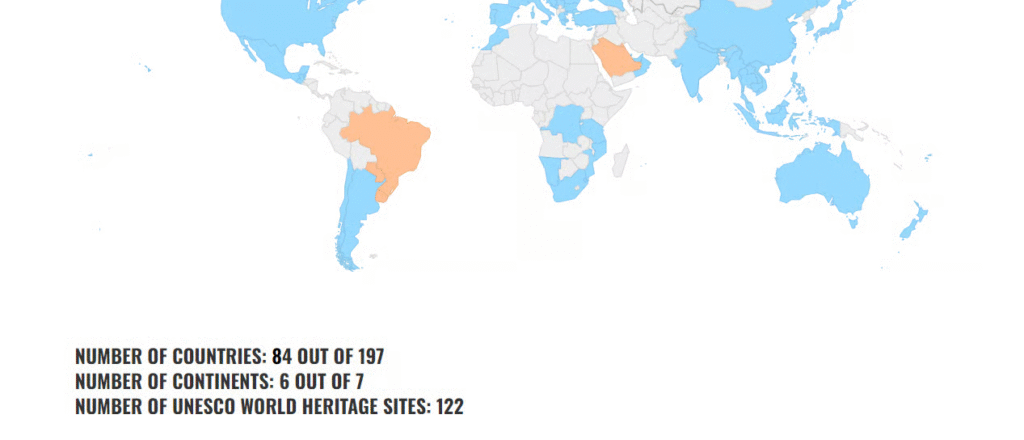
Her About page transparency explicitly states her funding approach: “I fund my own travels. I don’t accept sponsored trips or press junkets. This means my recommendations are completely unbiased.”
Think about the psychology here. Readers constantly wonder whether travel bloggers are being honest or just promoting whoever paid them. Lauren eliminates that uncertainty entirely, which creates fierce loyalty and higher conversion rates on affiliate recommendations.
When she says “this hotel is worth the money,” readers believe her because they know she actually paid that money herself.
The SEO Performance That Drives Everything
Social media might get the glamorous attention, but search engines pay the bills.
Never Ending Footsteps attracts 57,500 monthly visitors primarily through organic search. That’s traffic Lauren doesn’t pay for with ads or maintain through daily Instagram posting. It’s sustainable, compounding traffic that grows over time.

The SEO strategy focuses on answering specific travel questions better than competitors:
“Is Peru safe for solo female travelers?” “How much does it cost to travel Thailand for a month?” “What to pack for two weeks in Southeast Asia?”
These queries show clear search intent. People asking these questions are actively planning trips and need real answers from someone who’s been there.
Content depth separates Never Ending Footsteps from superficial travel blogs. Articles run 2,000-3,000 words with comprehensive information, troubleshooting sections, and practical advice. Google rewards thorough content that fully answers queries.
Technical SEO optimization includes fast loading speeds, mobile responsiveness, intuitive navigation, and proper site structure. These factors signal quality to search algorithms while improving user experience.
Significant backlinks from various travel resources improve domain authority and search rankings. When reputable sites link to Lauren’s content as a trusted resource, Google interprets that as validation of quality.
The content strategy creates engaging material that increases dwell time. When visitors spend five minutes reading an article instead of bouncing after ten seconds, search engines recognize the content satisfies user intent and boost rankings accordingly.
What Most Travel Bloggers Miss Completely
The travel blogging space overflows with gorgeous photography and vague inspiration.
Lauren wins by being useful. Not “follow your dreams”—but rather “here’s exactly what it costs, what can go wrong, and how to handle it.”
Niche expertise through firsthand experience establishes unquestionable authority. She’s not regurgitating information from other blogs or summarizing TripAdvisor reviews. Every destination guide reflects personal experience with specific details that only come from actually being there.
The transparency about funding differentiates her from competitors constantly promoting sponsors. While other bloggers write “10 amazing hotels in Bali” featuring whoever paid for placement, Lauren writes “where I actually stayed in Bali and whether it was worth the cost.”
That honesty attracts readers sick of influencer marketing disguised as travel advice.
Website optimization prioritizes functionality over flash. Clear navigation helps visitors find information quickly. Fast load times prevent frustration. Mobile responsiveness ensures good experiences across devices. These basics matter more than trendy designs that sacrifice usability.
The Massive Opportunities She’s Leaving Behind
Even at $15,000 monthly, there’s substantial room for growth.
Social media presence is essentially nonexistent. In an industry where Instagram and YouTube drive massive traffic, Lauren’s absence from these platforms means she’s missing entire audience segments.
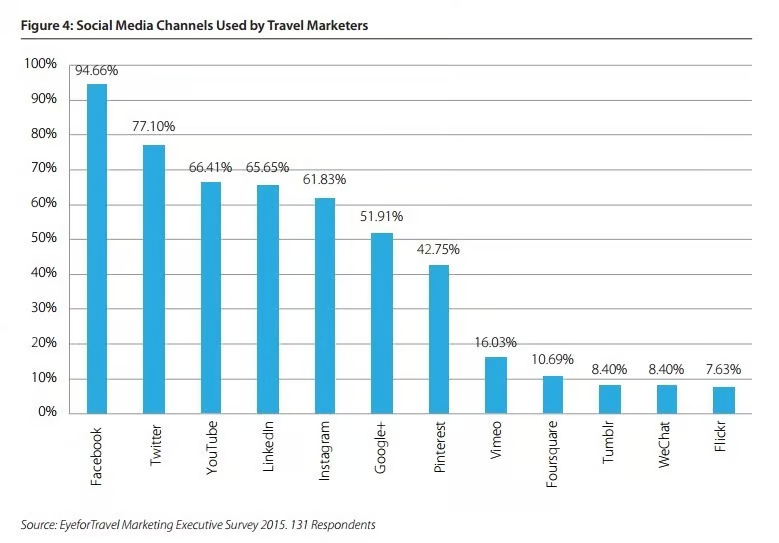
Instagram works perfectly for travel content. Stunning photos attract followers who then visit the blog for detailed guides. YouTube allows video destination guides, packing tutorials, and travel vlogs that monetize through ads while driving blog traffic.
Competitors like Hey Nadine and The Planet D leverage social media to build audiences that multiply their blog traffic by 3-5x.
Email marketing appears underdeveloped or absent. Building a substantial email list allows direct communication with the most engaged audience members who convert at dramatically higher rates than random website visitors.
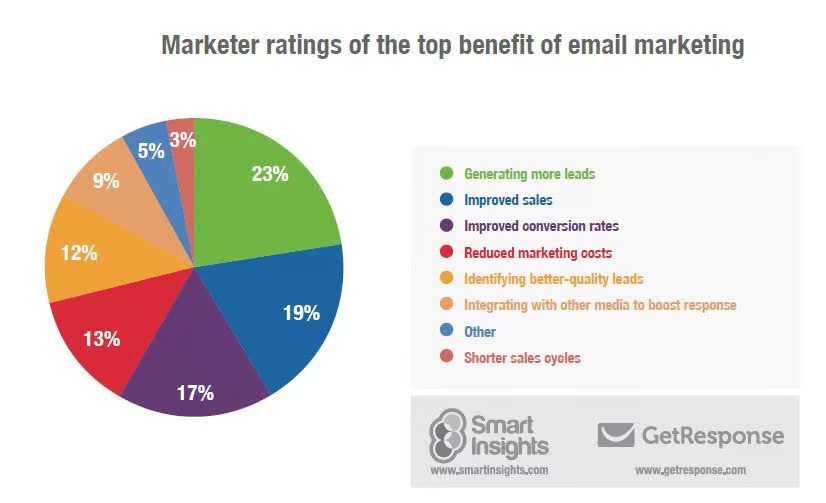
The typical email signup offer: “Get my free packing checklist” or “7 money-saving travel hacks.” These lead magnets capture emails, then nurture subscribers through helpful content before promoting affiliate products.
Email subscribers are worth approximately 10x more than casual visitors because they’ve explicitly opted in to hear from you.
Content frequency could accelerate growth. Publishing more frequently (3-5 posts weekly instead of 1-2) would capture more keywords, attract more traffic, and compound SEO benefits faster. With twelve years of travel experience, Lauren has unlimited content material.
Ad 🎯 Ready to put these strategies into action?
Theory is great, but execution is what drives growth. That’s where Max Business School™ comes in.
Inside, you’ll find step-by-step digital marketing courses (SEO, ads, email, social, content, and more) — taught by professionals, designed for beginners and business owners alike.
And the best part? It’s 100% free, online, and flexible.
→ Join Max Business School Today — Free
What You Actually Need to Start This Type of Blog
Let’s destroy some myths about starting a profitable travel blog.
You don’t need to visit 100 countries before launching. You don’t need professional photography equipment. You definitely don’t need sponsorships from tourism boards.
Essential Skills:
- Writing clearly about travel experiences
- Basic photography (smartphone quality works)
- SEO fundamentals to attract organic traffic
- Affiliate marketing strategy
- Consistency to publish regularly
Required Tools:
- WordPress website ($10-20/month hosting)
- Domain name ($15/year)
- SEO tool like Ubersuggest or Ahrefs
- Email marketing platform like ConvertKit
- Travel affiliate accounts (Booking.com, travel insurance companies)
The Reality Timeline: Lauren launched Never Ending Footsteps in 2011 as a documentation platform for her travels. The first year generated essentially zero income—it was purely personal documentation.
Years 2-3 saw traffic growth through consistent content creation and natural SEO as Google recognized the site’s value. Income reached maybe $500-$1,000 monthly through basic affiliate partnerships and early display ads.
Years 4-6 brought meaningful growth as content compounded, search rankings improved, and affiliate strategy matured. Income grew to $5,000-$10,000 monthly.
Current revenue of $15,000 monthly reflects twelve years of consistent content creation, SEO optimization, and strategic affiliate partnerships. This wasn’t overnight success—it was patient, disciplined execution.
The Strategic Genius of Radical Honesty
Most businesses think they need to present a polished, perfect image.
Lauren proved the opposite: Vulnerability and honesty create deeper connections than manufactured perfection.
Her self-funded travel approach costs more initially but eliminates conflicts of interest that undermine credibility. While competitors write lukewarm reviews of mediocre hotels that sponsored them, Lauren writes honest assessments that readers actually trust.
That trust translates directly into affiliate conversion rates.
When someone reads “I stayed here and it was genuinely worth the money,” they click the booking link because they believe her. When they read “this amazing hotel (sponsored)” on another blog, they wonder what the reviewer really thinks but can’t say.
The anonymous travel method ensures she experiences destinations the way normal tourists do rather than receiving VIP treatment that doesn’t reflect reality. This authenticity shows up in content quality—she knows which restaurants have rude service, which hotels have terrible WiFi, which tours are overpriced.
That level of detail only comes from paying out of pocket and experiencing everything firsthand.
The Bottom Line on Authentic Travel Blogging
The travel blogging industry drowns in sponsored content and influencer marketing that sacrifices honesty for free trips.
Lauren Juliff built a sustainable business by refusing that entire model. She pays her own way, writes honest reviews, and prioritizes reader trust over brand relationships.
The approach works because credibility converts. Readers sick of wondering “is this review real or sponsored?” find a blog where every recommendation reflects genuine experience. That trust drives higher affiliate conversion rates and more sustainable long-term income.
You don’t need brand deals or sponsorships to build a profitable travel blog. You need expertise from actual travel experience, strategic SEO to attract organic traffic, and the patience to let compound growth work over years.
The model proves that authenticity isn’t just ethically superior—it’s economically viable. Honest content attracts loyal audiences who trust recommendations and convert at higher rates than audiences skeptical of sponsored posts.
Lauren’s quit-my-job-and-travel decision in 2011 transformed into a $15,000 monthly business by doing something deceptively simple: telling the truth about travel experiences without sponsor filters.
Sometimes the most radical business strategy is just being honest.