
How to Build an Aquarium E-Commerce Store That Makes $30,000 Monthly
Most people think pet stores are dying.
Amazon’s crushing small retailers, big box stores are dominating, and starting an e-commerce business in 2025 seems impossible without millions in funding.
Mark Valderrama thought differently – and it made him $30,000 monthly.
While others were trying to compete with Petco and Amazon on everything from dog food to hamster wheels, Mark laser-focused on one specific passion: aquariums.
Not just any aquarium products, mind you…
Carefully curated, expert-vetted equipment for serious fish enthusiasts who were drowning in confusing choices and unreliable reviews.
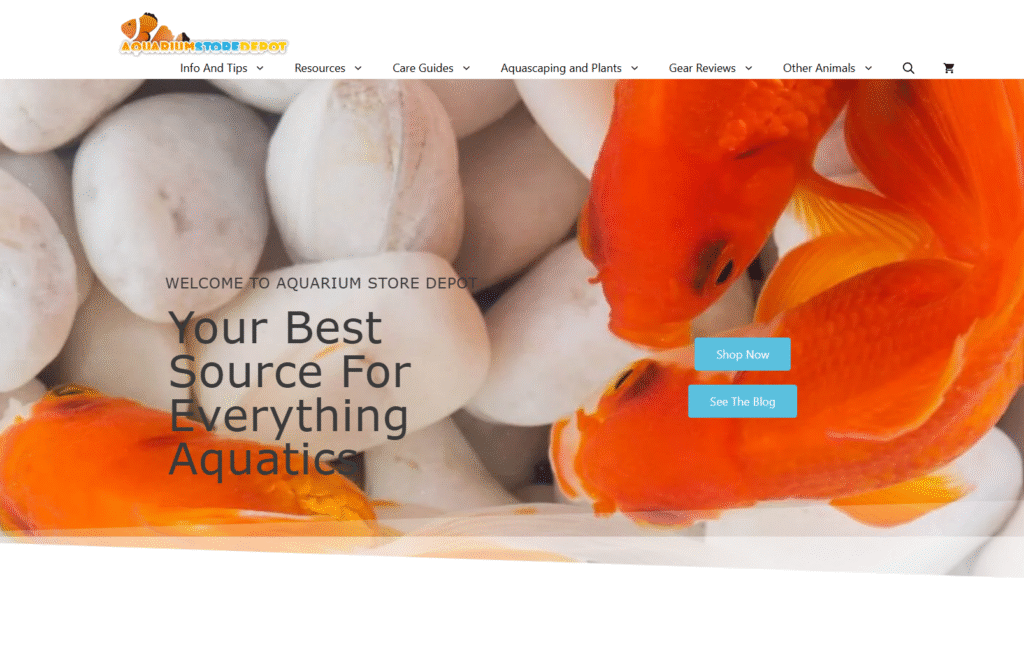
His store? Aquarium Store Depot. His monthly revenue? Over $30,000.
Here’s what makes this story fascinating…
Mark didn’t try to be everything to everyone. Instead, he became the trusted authority for people who take their aquatic hobby seriously.
And that made all the difference.
Ad 🎯 After studying 400+ business models, here’s what actually works for beginners…
Most “make money online” advice is garbage. Complex affiliate schemes. Dropshipping nightmares. Social media “influencing.”
We found something better: lead-generation funnels for manufacturers. Simple. Profitable. Fast results.
Our Max Incubator Phase 1 students are proof—they’re going from zero to their first $1,000 in 90 days with this exact model.
→ See the business idea that’s working for beginners this year
The Problem Every Aquarium Enthusiast Recognizes
Picture this: You’ve decided to set up your dream saltwater tank. You’re excited, you’ve got the space, and you’re ready to invest.
Then you start researching equipment…
Information overload hits like a tsunami.
Hundreds of filter options with conflicting reviews. Lighting systems with technical specs that require an engineering degree to understand. Water testing kits where half the Amazon reviews say “works great” and the other half say “completely inaccurate.”
Most aquarium retailers fall into two categories:
- Big box stores with uninformed staff selling whatever’s cheapest
- Overwhelming catalogs with thousands of products but zero guidance
There was a massive gap in the market for curated, expert-recommended products with honest guidance from someone who actually keeps fish.
Mark filled that gap.
After 20+ years in the hobby, he understood that aquarium enthusiasts don’t want more choices – they want better choices.
They need someone to cut through the marketing noise and recommend products that actually work.
The Three-Revenue-Stream Strategy That Built an Empire
Most e-commerce stores make the same critical mistake: they compete on price and wonder why their margins disappear.
Mark built something smarter – a trust-based business model with three complementary income streams:
Stream #1: Affiliate Marketing with Authority
This isn’t about slapping random affiliate links on product pages and hoping for sales.
Mark partners with aquarium equipment manufacturers whose products he’s personally tested and trusts. When customers buy through his recommendations, he earns commissions.
But here’s the crucial difference: he only promotes products he’d use in his own tanks.
This builds massive trust. When Mark recommends a protein skimmer, customers know he’s actually used it, not just copying manufacturer specs.
Stream #2: Private Label Products
Instead of competing with Amazon on generic products, Mark developed his own line of aquarium equipment.
These aren’t just rebranded imports – they’re products designed to solve specific problems he identified through years of community engagement.
Higher margins, better quality control, and exclusive products customers can’t find elsewhere.
Stream #3: Strategic Display Advertising
With over 163,000 monthly visitors and high engagement rates, Mark’s site attracts premium advertising opportunities.
Aquarium enthusiasts spend serious time researching purchases, creating valuable ad inventory that commands higher rates than typical e-commerce sites.
The genius? Each revenue stream reinforces the others. Affiliate content builds trust, private label products provide margins, and both drive the traffic that makes advertising valuable.
Why Most Aquarium Stores Fail (And How Aquarium Store Depot Dominated)
Here’s what separates successful niche e-commerce from the thousands of failed pet stores…
He Chose Curation Over Selection
While competitors tried to stock everything aquarium-related, Mark took the opposite approach: fewer products, better choices.
His tagline? “Simplifying the aquarium hobby so beginners can thrive.”
Instead of overwhelming customers with 47 different filters, he offers 3-5 carefully selected options with clear explanations of when to use each one.
This curation becomes a competitive advantage. Customers pay premium prices for expert guidance, not rock-bottom prices on generic products.
SEO Strategy That Actually Converts
With 61,000+ targeted keywords, Mark’s SEO approach is surgical.

He doesn’t try to rank for impossible terms like “aquarium” or “fish tank.”
Instead, he targets specific problems with buyer intent:
- “best protein skimmer under $200”
- “how to cycle a saltwater tank”
- “LED lighting for coral growth”
These searches indicate people ready to buy solutions, not just browsing casually.
Social Proof That Builds Confidence
Customer reviews and ratings appear prominently on every product page.
But here’s what most stores miss: Mark actively responds to reviews, both positive and negative. This demonstrates that real people stand behind the business.
When someone leaves a negative review about installation difficulty, Mark responds with helpful tips or offers personal support. This level of engagement builds incredible loyalty.
Community Building That Creates Switching Costs
Mark maintains active presences on YouTube and Pinterest platforms where aquarium enthusiasts actually spend time.

His YouTube channel provides equipment reviews and setup tutorials. Pinterest showcases stunning tank designs. Discord creates a community where customers help each other and share experiences.
When customers build relationships within your ecosystem, they’re far less likely to shop elsewhere.
The “No Sponsorship” Policy That Builds Trust
Here’s Mark’s secret weapon: he refuses paid sponsorships.
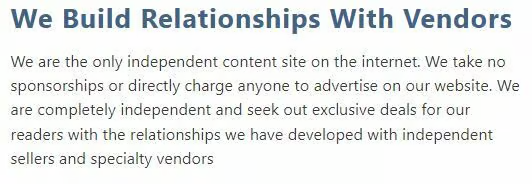
While competitors accept money to promote mediocre products, Mark only recommends what he genuinely believes works best.
This policy costs short-term revenue but builds long-term trust worth far more than any sponsorship deal.
The Untapped Opportunities Every Aquarium Store Misses
Even with Aquarium Store Depot’s success, there are still goldmines waiting to be explored…
Subscription Box Services: Monthly deliveries of water testing supplies, fish food, or maintenance equipment could create predictable recurring revenue while serving customer convenience needs.
Advanced Filtration Consultation: High-end reef keepers would pay premium fees for personalized equipment recommendations and system design consultations via video calls.
Local Aquarium Maintenance Services: Expanding into physical services for local customers could create high-margin revenue streams while building deeper community relationships.
Educational Course Development: Creating comprehensive courses on topics like “Saltwater Tank Setup” or “Coral Propagation” could establish additional authority while generating substantial digital product revenue.
Ad 🎯 Ready to put these strategies into action?
Theory is great, but execution is what drives growth. That’s where Max Business School™ comes in.
Inside, you’ll find step-by-step digital marketing courses (SEO, ads, email, social, content, and more) — taught by professionals, designed for beginners and business owners alike.
And the best part? It’s 100% free, online, and flexible.
→ Join Max Business School Today — Free
Your Step-by-Step Blueprint for Aquarium E-Commerce Success
Ready to dive into this market? Here’s your detailed roadmap…
Phase 1: Foundation and Niche Selection (Days 1-30)
Choose Your Specialization: While general aquarium supplies work, consider specializing further. Maybe you’re the “nano tank” expert, the “freshwater planted tank” authority, or the “budget-friendly setup” specialist.
Market Research Deep Dive: Study not just Aquarium Store Depot, but also Marine Depot, Bulk Reef Supply, and local fish stores. Identify gaps in their product offerings or underserved customer segments.
Validate Your Expertise: Join aquarium forums, Facebook groups, and Reddit communities. Start answering questions and sharing knowledge. This builds credibility and helps you understand real customer pain points.
Secure Digital Assets: Register a memorable domain that conveys expertise (like “TankExpertSupply.com” or “ReefMasterDepot.com”). Choose hosting that can handle product catalogs and high-resolution images.
Phase 2: Product Strategy and Supplier Relations (Days 31-90)
Curate Your Initial Catalog: Start with 20-30 carefully selected products across essential categories: filtration, lighting, water testing, and basic maintenance supplies.
Focus on quality over quantity. Better to offer 3 excellent protein skimmers with detailed comparisons than 15 mediocre options with generic descriptions.
Establish Supplier Relationships: Contact manufacturers directly for better wholesale pricing and exclusive products. Many aquarium equipment companies prefer working with knowledgeable retailers over general pet stores.
Create Buying Guides: Develop comprehensive guides that explain when to use different products. “Choosing Your First Saltwater Filter” becomes evergreen content that drives both traffic and sales.
Phase 3: Content Strategy and Authority Building (Days 91-180)
Educational Content Calendar: Plan content around aquarium cycles – new tank setups in spring, maintenance guides year-round, holiday gift guides in winter.
Video Content Strategy: YouTube tutorials showing product installations, tank maintenance, and troubleshooting build trust faster than text alone.
Community Engagement: Join existing aquarium communities before creating your own. Build relationships and reputation before asking for business.
SEO Implementation: Target long-tail keywords like “best canister filter for 75-gallon freshwater tank” rather than competing for “aquarium filter.”
Phase 4: Monetization and Scale (Days 181-365)
Affiliate Program Applications: Start with manufacturer programs offering higher commissions than general networks. Aquarium companies often pay 8-15% vs Amazon’s 3-4%.
Private Label Development: Once you understand customer needs, consider developing signature products. Custom-blended fish foods or tank maintenance kits work well.
Email List Monetization: Build lists around specific interests (saltwater vs freshwater, beginner vs advanced) for targeted product recommendations.
Customer Service Excellence: Aquarium enthusiasts have complex questions. Providing expert support creates loyal customers who become brand ambassadors.
Phase 5: Advanced Growth Strategies (Year 2+)
Subscription Services: Monthly supply boxes for testing supplies, filter media, and consumables create predictable revenue.
Local Market Expansion: Consider adding local delivery or pickup options to compete with nearby fish stores.
Educational Products: Courses, e-books, and consultation services leverage your expertise for higher-margin revenue.
Community Platform Development: Building your own forum or Discord server creates switching costs and valuable customer data.
The Skills That Separate Winners from Wannabes
Success in aquarium e-commerce requires more than just loving fish…
Product Photography: Aquarium equipment needs to look professional and trustworthy. Learn to capture clear, detailed images that highlight important features and build confidence.
Technical Writing: You’ll need to explain complex filtration systems, lighting spectrums, and water chemistry in terms beginners can understand.
Customer Service Excellence: Aquarium enthusiasts have detailed questions about compatibility, sizing, and setup. Your ability to provide expert guidance drives loyalty and referrals.
Community Management: Building relationships in aquarium forums, social media groups, and your own customer community requires consistent, valuable engagement.
Inventory Management: Balancing seasonal demand, supplier lead times, and storage costs becomes critical as you scale.
The Skills Investment Reality
Building a successful aquarium business requires specific knowledge that takes time to develop…
Aquarium Science Understanding: You need to understand water chemistry, filtration principles, lighting requirements, and species compatibility well enough to provide expert guidance.
Product Testing Experience: Customers trust recommendations from someone who’s actually used the equipment, not just read marketing materials.
Photography and Content Creation: Product images and educational videos require investment in equipment and skills development.
Supply Chain Management: Managing inventory levels, seasonal demand, and supplier relationships becomes increasingly complex.
Customer Education: Your success depends on helping customers succeed with their tanks, which requires ongoing education and support capabilities.
The Bottom Line
While everyone chases trendy dropshipping opportunities, there’s serious money in serving passionate niche communities that need genuine expertise.
Aquarium enthusiasts represent a perfect e-commerce market: they’re dedicated to their hobby, willing to invest in quality equipment, and constantly seeking advice from trusted sources.
The key isn’t finding the biggest market – it’s finding an underserved audience with specific needs and enough disposable income to pay for expertise.
Aquarium keepers definitely qualify.
They invest thousands in equipment setups. They buy premium foods and supplements. They upgrade lighting, filtration, and monitoring systems regularly.
Most importantly? They’re willing to pay for expert guidance.
Mark Valderrama proved it’s possible to build a $30,000+ monthly business by serving this community with curated products and honest recommendations.
His success comes from understanding that aquarium enthusiasts don’t want more choices – they want better choices from someone they trust.
The aquarium industry isn’t going anywhere. If anything, it’s growing as more people invest in home hobbies and seek stress-relief activities.
The question isn’t whether this business model works – Aquarium Store Depot’s success proves it does.
The question is whether you’re willing to invest the time necessary to build genuine expertise and community relationships before expecting significant revenue.
Because that’s what separates the aquarium retailers making serious money from those wondering why their generic dropshipping store never gains traction.
Focus on becoming a trusted authority in the aquarium community, and the business success will follow.