
How to Launch a Healthy Recipe Blog That Earns $10K+ Monthly
You’re scrolling through Instagram at 2 AM (again), watching someone pour honey over a perfectly stacked pancake tower.
And you think: “I could do that.”
Plot twist—you absolutely can. And unlike those pancake towers that inevitably collapse, a recipe blog can actually generate serious income. We’re talking five figures per month.
But here’s the thing nobody tells you about starting a food blog in 2025…
The internet is drowning in recipe content. Type “healthy dinner ideas” into Google and you’ll get approximately 847 million results. So how does anyone break through that noise and actually build something profitable?
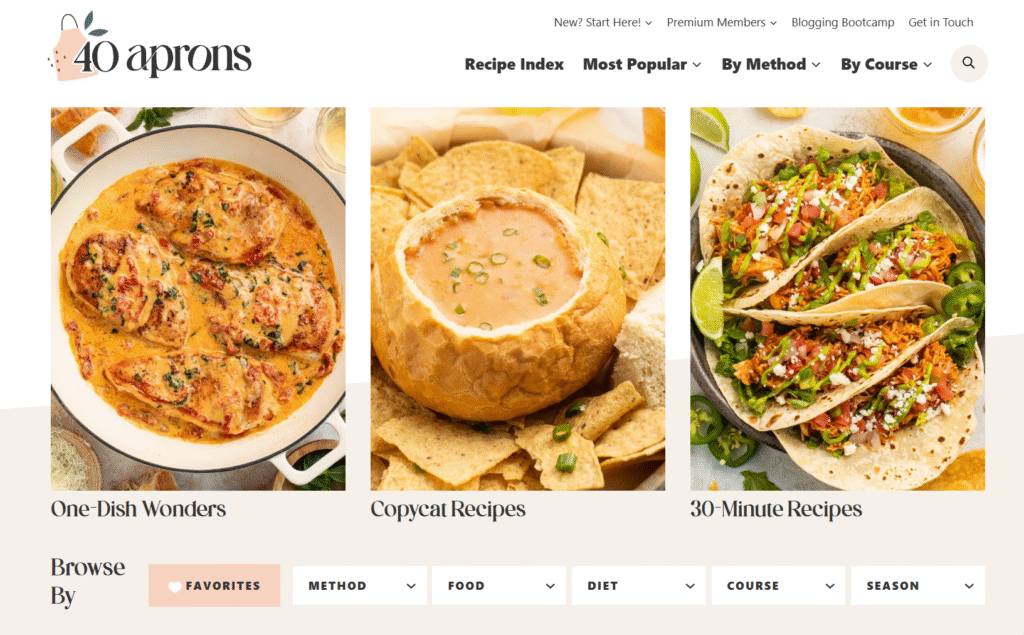
Enter Cheryl from 40 Aprons—a mom of three who turned her love of healthy cooking into a blog that now pulls in over $10,000 monthly. Not from some secret algorithm hack or by going viral on TikTok (though she’s there too). She did it with a strategy so straightforward, it’s almost annoying.
Let me show you how she built this thing from scratch.
Ad 🎯 After studying 400+ business models, here’s what actually works for beginners…
Most “make money online” advice is garbage. Complex affiliate schemes. Dropshipping nightmares. Social media “influencing.”
We found something better: lead-generation funnels for manufacturers. Simple. Profitable. Fast results.
Our Max Incubator Phase 1 students are proof—they’re going from zero to their first $1,000 in 90 days with this exact model.
→ See the business idea that’s working for beginners this year
What Makes a Recipe Blog Actually Profitable
Here’s what most aspiring food bloggers get wrong—they think it’s all about the recipes.
It’s not.
Sure, you need good content. But the real money comes from understanding the business model. And Cheryl’s approach is a masterclass in diversification.
The 40 Aprons revenue stack looks something like this: affiliate partnerships form the foundation, bringing in the lion’s share through strategic recommendations. Then comes sponsored content, where brands pay to feature their products alongside recipes. Finally, digital products like cookbooks and photography guides add predictable income that doesn’t require constant content creation.
Think of it like a three-legged stool. Remove any leg, and you’re sitting on the floor with a plate of burnt cookies.
The real genius move? Cheryl focuses on affiliate marketing with companies that align perfectly with her health-focused audience. Her partnership with Thrive Market, an online organic food retailer, makes sense because her readers already want healthy ingredients. When someone clicks through and buys, she earns a commission. No inventory, no shipping, no customer service headaches.
It’s the kind of passive income that lets you actually enjoy your morning coffee instead of frantically checking your phone.
The SEO Strategy That Changed Everything
Want to know the secret weapon behind 40 Aprons’ success?
Traffic. Specifically, organic search traffic that flows in 24/7 without spending a dime on ads.
The blog pulls 68% of its traffic from Google searches. That translates to roughly 426,000 monthly visitors who are actively looking for what Cheryl offers. These aren’t random people scrolling past—they’re searching for “healthy instant pot recipes” or “paleo meal prep ideas” and landing directly on her content.

This kind of targeted traffic is marketing gold. Unlike social media followers who might glance at your post while waiting for their burrito, search visitors arrive with intent. They want a solution right now, and when your recipe solves their “what’s for dinner” crisis, they remember you.
Here’s how the SEO game actually works for food blogs: You create content targeting specific search terms (called keywords), optimize your recipes for search engines, and build authority over time. Search Engine Journal breaks down the technical aspects, but the core principle is simple—answer the exact questions people are typing into Google.
40 Aprons targets over 191,000 different keywords. Not by accident. By design.
Each recipe is carefully crafted to rank for specific searches while actually being, you know, good. The “healthy” angle gives Cherol a competitive edge in the crowded recipe space, where food blogs are projected to grow 25% annually through 2026.
Building Community Beyond the Blog
But wait—there’s more. (I know, I sound like a infomercial. Stay with me.)
Cheryl doesn’t just publish recipes and disappear into the sunset. She’s built an ecosystem across Instagram, TikTok, and Facebook that keeps readers engaged and coming back. This multi-platform approach serves two purposes: it drives traffic back to the blog where the real money is made, and it creates multiple touchpoints with her audience.
Think about your own browsing habits. You probably follow food accounts on Instagram, watch cooking videos on TikTok, and maybe even joined a meal planning group on Facebook. That’s exactly what Cheryl leverages. Different platforms for different types of engagement, all funneling back to the main revenue-generating blog.
The personality factor matters more than you’d think. Food blogs aren’t just about pristine plating and perfect lighting anymore. Readers want to connect with actual humans who burn the occasional batch of cookies and have toddlers screaming in the background. This authenticity turns casual visitors into loyal readers who trust your recommendations—and actually click those affiliate links.
The Digital Product Goldmine
Now we’re getting to the really interesting part.
While affiliate income and ads provide steady cash flow, digital products offer something else entirely: high-profit, scalable revenue with zero marginal cost. Once you create an ebook or cookbook, you can sell it infinitely without additional production expenses.
40 Aprons sells “The Paleo Instant Pot” cookbook and an ebook on food photography improvement. These products serve the existing audience while solving specific problems. The cookbook gives readers curated recipes in one convenient package. The photography guide helps aspiring food bloggers improve their craft.
Smart. Very smart.
The beauty of digital products is the margin. No printing costs, no shipping logistics, no inventory management. Just pure profit after the initial creation effort. And because these products align perfectly with the blog’s content and audience, they sell naturally without aggressive marketing.
Compare that to the razor-thin margins in meal kit delivery services where companies struggle to break even. Digital products? That’s where the real money hides.
The Learning Curve Nobody Talks About
Creating recipes is the fun part. Learning SEO, email marketing, and monetization strategies? That’s where most people get stuck.
The gap between “I can cook” and “I can build a profitable blog” involves mastering several digital skills. You need to understand how search engines work, how to grow an email list, how to negotiate with sponsors, and how to analyze traffic data. It sounds overwhelming because, well, it kind of is at first.
But here’s the good news: you don’t need to master everything before launching. Cheryl learned as she went, implementing one strategy at a time. Start with the fundamentals—creating quality content and basic SEO—then layer on more advanced tactics as you grow.
The food blogging community is surprisingly supportive too. Unlike some industries where everyone guards their secrets like dragon treasure, food bloggers tend to share openly. Facebook groups, blogging courses, and podcasts offer guidance from people who’ve already figured out this puzzle.
Resources like Food Blogger Pro provide structured learning paths for building profitable food blogs. And sites like Mediavine, the ad network 40 Aprons uses, offer requirements and benchmarks for monetization, giving you concrete goals to work toward.
The Expansion Opportunities Hiding in Plain Sight
Let’s talk about where 40 Aprons could grow even bigger.
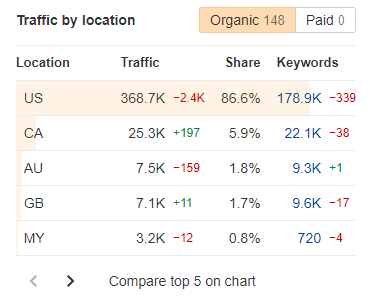
Currently, the blog attracts a primarily US-based audience. But healthy eating transcends borders. Expanding content to appeal to Canadian and Australian markets could unlock significant additional traffic. This might involve creating region-specific recipes using local ingredients or addressing dietary trends popular in those markets.
Collaboration opportunities remain largely untapped. Partnering with other food bloggers, nutritionists, or wellness influencers could expose the blog to new audiences. These partnerships might include guest posts, joint webinars, or collaborative recipe projects that benefit everyone involved.
The video content game is changing fast. While 40 Aprons has a presence on social platforms, longer-form YouTube content could provide another revenue stream through ad revenue. YouTube’s food content category sees billions of monthly searches, and established blogs have a built-in advantage when launching channels.
The lesson here? Even successful blogs leave money on the table. There’s always room to expand, experiment, and evolve.
Ad 🎯 Ready to put these strategies into action?
Theory is great, but execution is what drives growth. That’s where Max Business School™ comes in.
Inside, you’ll find step-by-step digital marketing courses (SEO, ads, email, social, content, and more) — taught by professionals, designed for beginners and business owners alike.
And the best part? It’s 100% free, online, and flexible.
→ Join Max Business School Today — Free
Your Action Plan for Building This
Ready to actually do this thing?
Start by choosing your niche within the health food space. “Healthy recipes” is too broad. But “budget-friendly paleo meals for families” or “15-minute vegetarian dinners for professionals”? Now you’re talking. Specificity helps you stand out and attracts a more engaged audience.
Your first three months should focus on content creation and learning the basics. Aim for 2-3 high-quality recipe posts weekly, each optimized for search. Use free keyword research tools to understand what people are actually searching for. Document your journey and lessons learned—that content becomes valuable later.
Months four through six involve adding monetization layers. Apply for affiliate programs with brands you genuinely use and recommend. Set up an ad network once you hit the traffic requirements (typically 50,000 monthly sessions). Start building an email list from day one, offering a free recipe ebook in exchange for subscriptions.
The six-to-twelve-month mark is where consistent effort starts showing returns. Your content gains search engine authority. Affiliate income starts trickling in. Readers begin recognizing your name. This is when most people quit, right before things get interesting. Don’t be most people.
The Real Secret Nobody Wants to Hear
You know what the actual secret is to building a profitable food blog?
There isn’t one.
Cheryl succeeded through consistent effort, strategic thinking, and patience. She created valuable content, optimized for search, diversified income streams, and showed up day after day even when growth felt painfully slow. The formula works precisely because it’s not a shortcut or hack—it’s a sustainable business model.
The food blogging space will continue evolving. Algorithm changes, new platforms, shifting consumer preferences—all of this creates both challenges and opportunities. But the core principles remain constant: provide genuine value, understand your audience, and build multiple revenue streams.
So yeah, you could absolutely build a healthy recipe blog that generates five-figure monthly income. It won’t happen overnight. It won’t be easy. But it’s entirely possible, proven by Cheryl and countless other food bloggers who’ve turned their kitchen experiments into thriving businesses.
The only question left is whether you’ll actually start.
Your move, chef.