
How to Build a WordPress Themes Business Earning $3K Monthly
Most people think the website business is about building custom sites for clients.
They’re half right.
The real money is in building once and selling infinitely. Creating digital products that generate income while you sleep, vacation, or work on the next product.
Like WordPress themes.
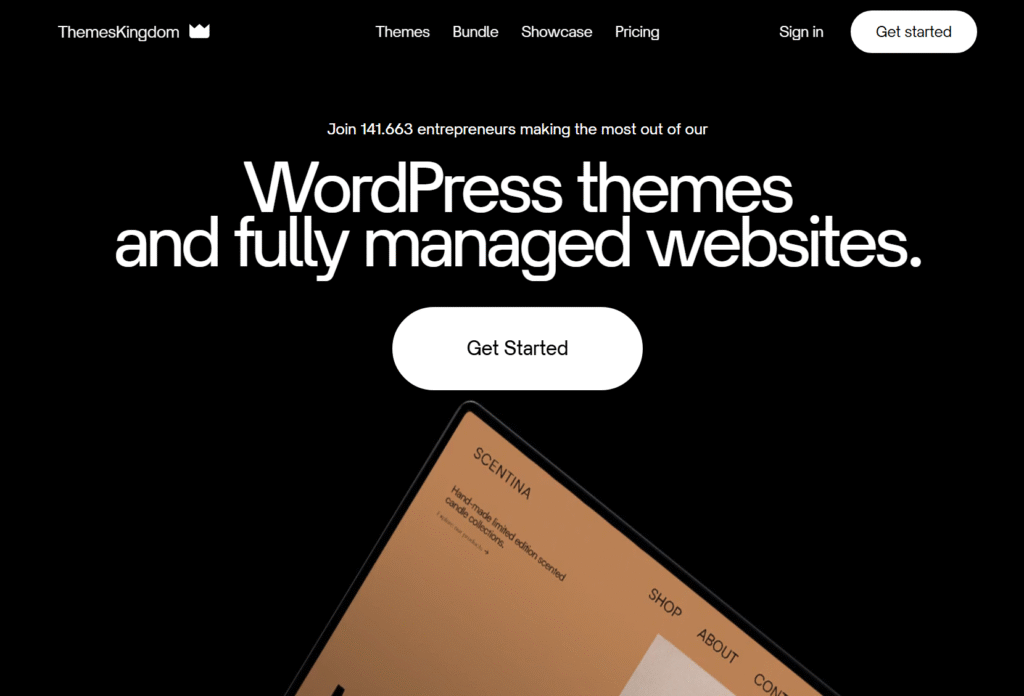
Consider Themes Kingdom, a small operation that’s been designing and selling WordPress themes since 2010. They’re quietly pulling in around $3,000 monthly by creating beautiful, functional website templates that people actually want to use.
No massive team. No venture funding. Just great design, smart positioning, and a sustainable business model that compounds over time.
Here’s the beautiful part: every theme they create becomes a permanent asset in their catalog. Build it once, sell it thousands of times. That’s leverage most businesses never achieve.
Let me break down exactly how this works and how you could build something similar.
Ad 🎯 After studying 400+ business models, here’s what actually works for beginners…
Most “make money online” advice is garbage. Complex affiliate schemes. Dropshipping nightmares. Social media “influencing.”
We found something better: lead-generation funnels for manufacturers. Simple. Profitable. Fast results.
Our Max Incubator Phase 1 students are proof—they’re going from zero to their first $1,000 in 90 days with this exact model.
→ See the business idea that’s working for beginners this year
The Money Machine: How Theme Sales Generate Income
The revenue model for selling WordPress themes is delightfully straightforward.
Individual theme sales form the foundation. Someone needs a website for their restaurant, yoga studio, or consulting business. They browse your theme catalog, find one that fits their vision, and buy it. Transaction complete, money in your account, and the buyer gets instant access to their theme files.
These sales typically range from $50 to $150 per theme depending on complexity and niche positioning.
But here’s where it gets more interesting…
Theme bundles let customers grab multiple themes at a discounted rate. Maybe they’re an agency building sites for multiple clients, or someone experimenting with different looks. Either way, bundling increases average order value dramatically. Someone who might have spent $80 on one theme suddenly drops $200 on a bundle of five.
Then there’s the subscription model, which is basically the holy grail of digital product businesses. Customers pay recurring monthly or annual fees for access to your entire theme library. They get every theme you’ve ever created plus all future releases.
For you, this means predictable recurring revenue instead of the feast-or-famine cycle of individual sales.
Themes Kingdom also offers drag-and-drop website builder kits and even takes on custom branding projects for companies that want something unique. These higher-ticket services diversify revenue and serve customers at different price points.
What Themes Kingdom Nailed (Your Blueprint for Success)
Let’s dissect what’s working so you can steal these strategies.
Diverse theme portfolio solves a critical problem: different customers need different things. Themes Kingdom doesn’t just make generic business themes. They create specialized designs for restaurants, creative agencies, e-commerce stores, portfolios, SaaS companies, and more.
This approach increases total addressable market. When someone lands on your site looking for a specific solution, you either have it or you don’t. Having it means making the sale.
Design quality can’t be overstated in this business. Every theme features clean, modern aesthetics with smooth animations, high-quality imagery, and mobile-responsive layouts. These aren’t amateur template jobs—they’re polished products that make buyers confident in their purchase.
Remember: people judge websites in milliseconds. If your theme demos look dated or clunky, potential customers bounce immediately.
The user experience optimization extends beyond just the themes themselves to the entire buying journey. Themes are categorized by industry and style, making navigation effortless. Find what you need in seconds, not minutes.
Detailed showcase sections displaying real websites built with each theme provide social proof and inspiration. Potential buyers can see exactly how their site could look, removing uncertainty from the purchase decision.
Customer testimonials and reviews scatter across the site, building trust at every turn. People want validation that others succeeded with these themes before they pull out their credit cards.
Here’s a subtle but powerful move: Themes Kingdom positions itself as more than just a theme shop. They position themselves as experts who also help companies build complete brand identities. This premium positioning attracts higher-value clients and justifies premium pricing.
The Growth Gaps Nobody’s Filling (Your Opportunities)
Even established theme shops like Themes Kingdom have blindspots you can exploit.
Content marketing appears minimal or non-existent. No regular blog publishing tutorials, design trends, or WordPress tips. This represents a massive missed opportunity because content attracts organic traffic, establishes authority, and nurtures potential customers through the buying process.

Imagine publishing weekly articles like “How to Choose the Right WordPress Theme for Your Industry” or “5 Design Trends Dominating 2025 Websites.” Each piece becomes a permanent traffic asset ranking in Google and bringing qualified visitors to your theme catalog.
SEO optimization needs serious work. Basic technical SEO like meta descriptions, optimized headers, site speed, and internal linking structure could dramatically increase organic visibility. In the WordPress theme space, people are constantly searching for solutions. The question is whether they find your themes or your competitors’.
According to BuiltWith, WordPress powers over 43% of all websites globally, creating an enormous and growing market for premium themes. The opportunity isn’t shrinking—it’s expanding.
Email marketing could nurture relationships and drive repeat purchases. Capture emails with a lead magnet like a free starter theme or design guide. Then run automated sequences educating subscribers about web design, showcasing new themes, and offering bundle deals.
Previous customers could receive upgrade offers when you release new versions or notify them about themes in adjacent categories they might need.
Social media presence remains largely untapped. Sharing design inspiration, theme previews, customer showcases, and web design tips on platforms like Instagram, Pinterest, and Twitter could build community and drive discovery. Every platform becomes another channel funneling potential customers to your theme catalog.
Ad 🎯 Ready to put these strategies into action?
Theory is great, but execution is what drives growth. That’s where Max Business School™ comes in.
Inside, you’ll find step-by-step digital marketing courses (SEO, ads, email, social, content, and more) — taught by professionals, designed for beginners and business owners alike.
And the best part? It’s 100% free, online, and flexible.
→ Join Max Business School Today — Free
Your Launch Strategy for a Theme Business
Ready to build your own WordPress theme empire? Here’s the tactical roadmap.
Develop design and coding skills in HTML, CSS, JavaScript, and PHP. You don’t need to be an expert in all of these initially, but you need working proficiency. Platforms like Envato Tuts+ offer comprehensive WordPress theme development tutorials.
Alternatively, partner with a developer if design is your strength but coding isn’t. Many successful theme businesses pair designers with developers.
Study the competitive landscape. What themes sell well on marketplaces like ThemeForest? What niches seem underserved? Where are existing themes weak? Your goal is finding gaps you can fill with superior products.
Create your first theme targeting a specific niche rather than trying to appeal to everyone. A killer restaurant theme beats a mediocre “business” theme every time. Specificity sells.
Ensure your theme is clean, fast-loading, mobile-responsive, and genuinely useful. Cut every feature that doesn’t serve a clear purpose.
Build your storefront using—you guessed it—WordPress. Set up e-commerce functionality with plugins like WooCommerce or Easy Digital Downloads. Make purchasing frictionless.
Price strategically. Research competitor pricing for similar themes. Your first themes might be priced lower to build traction, but don’t undervalue your work. Quality themes command quality prices.
Submit to established marketplaces like ThemeForest or Creative Market for initial distribution and validation. These platforms have built-in traffic, though they take significant commissions. Use them to get sales and testimonials while building your own site.
Launch with at least three themes so your catalog doesn’t look sparse. One theme looks like a hobby, three themes looks like a business.
Create bundle offers immediately to increase average order values. Even if someone only wanted one theme, a compelling bundle discount might convince them to buy more.
Implement tracking and analytics from day one. You need to know which themes generate the most interest, where your traffic comes from, and what marketing efforts actually convert.
Skills That Separate Winners from Strugglers
Let’s talk about what really matters in this business.
Design sense is non-negotiable. You must understand color theory, typography, layout, white space, and visual hierarchy. Mediocre designs don’t cut it when buyers have thousands of alternatives.
Front-end development skills let you turn designs into functional themes. HTML and CSS are minimum requirements. JavaScript knowledge helps create interactive elements that wow buyers.
WordPress expertise goes beyond basics. You need to understand theme structure, template hierarchy, custom post types, hooks, and best practices. Poorly coded themes break easily and generate support nightmares.
Marketing fundamentals determine whether anyone discovers your themes. Understanding SEO, content marketing, email marketing, and basic copywriting transforms your technical skills into actual revenue.
Customer support capabilities matter more than you’d think. Buyers will have questions, need customization help, and occasionally encounter issues. Responsive, helpful support generates positive reviews and repeat customers.
What the Industry Looks Like in 2025
The WordPress theme market is mature but far from saturated.
Major players like Elegant Themes and StudioPress dominate certain segments, but that just proves the market exists and people pay for quality themes.
Page builders like Elementor and Divi have changed the game by letting non-coders customize themes easily. Smart theme developers now create themes specifically designed to work seamlessly with popular builders.
The trend toward niche-specific themes continues growing. Generic multipurpose themes face more competition than specialized themes targeting specific industries or use cases.
Subscription models are increasingly popular among both theme developers and customers. Predictable recurring revenue benefits you while unlimited access benefits customers. It’s genuinely win-win.
The Real Talk About Building This Business
A WordPress theme business won’t make you rich overnight. Your first theme might take weeks to build and months to gain traction.
But here’s the thing…
Every theme you create compounds your earning potential. Your tenth theme doesn’t just add more revenue—it makes all your previous themes more valuable because customers see a more complete catalog.
Theme businesses scale efficiently because digital products have zero marginal cost. Selling your hundredth copy costs nothing more than selling your first.
And unlike service businesses where you trade hours for dollars, theme businesses generate passive income. You could build themes for six months, then spend the next six months traveling while sales continue.
Themes Kingdom has been at this since 2010, steadily growing their catalog and customer base. They’re not crushing it with viral growth, but they’re building sustainable income that persists year after year.
That’s the real opportunity.
The Bottom Line on Theme Businesses
Selling WordPress themes is a proven path to building a digital product business that generates consistent income with high margins and excellent scalability.
You need design skills, development knowledge, and marketing fundamentals. You need patience because growth compounds slowly at first.
But if you create quality themes, price them appropriately, market them consistently, and build your catalog over time, you can absolutely reach $3K monthly and beyond.
The WordPress ecosystem isn’t shrinking. More websites get built every day, and many of them need themes.
Your themes could be the ones they choose.
Start with one excellent theme. Nail the niche. Perfect the design. Launch it properly. Then do it again with theme number two.
Before you know it, you’ll have a portfolio of digital assets generating income while you work on the next creation.
Themes Kingdom proved this model works. Thousands of other theme developers have proven it works.
Now it’s your turn to build something.
Time to open that code editor and start designing.