
How to Earn $4,500 Monthly with Digital Business Cards ($54K Yearly)
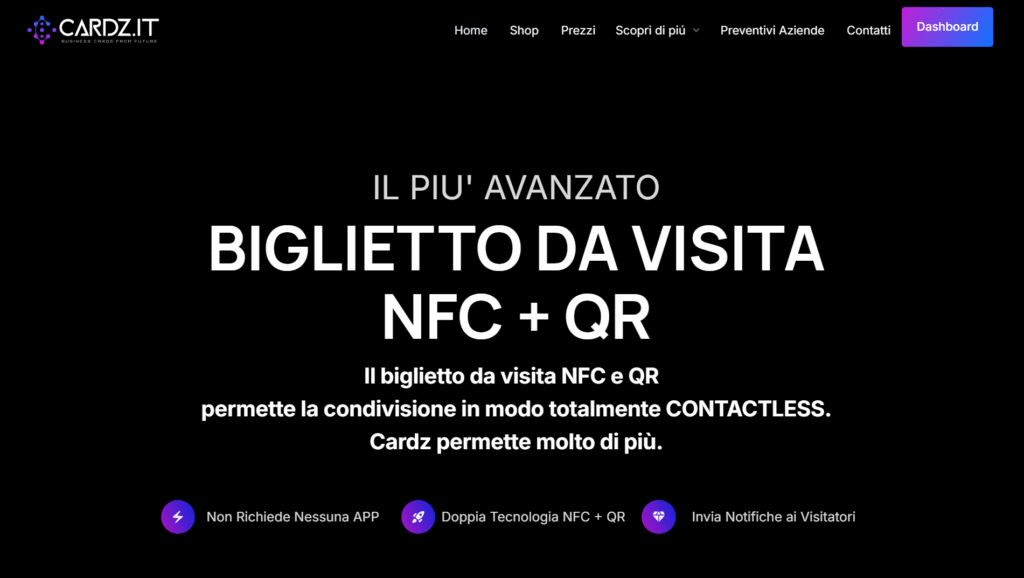
Paper business cards are dying, and someone’s making $4,500 a month killing them.
Not with some complicated technology nobody understands. Just smart, simple digital business cards using NFC chips and QR codes that people can share by tapping phones together.
The business card industry is overdue for disruption. We’ve been handing out pieces of paper with contact info for literally centuries. The fact that digital alternatives are finally gaining traction isn’t surprising—what’s surprising is how few people are capitalizing on it.
Let me walk you through exactly how this business works and why it’s positioned for explosive growth.
Ad 🎯 Ready to put these strategies into action?
Theory is great, but execution is what drives growth. That’s where Max Business School™ comes in.
Inside, you’ll find step-by-step digital marketing courses (SEO, ads, email, social, content, and more) — taught by professionals, designed for beginners and business owners alike.
And the best part? It’s 100% free, online, and flexible.
→ Join Max Business School Today — Free
The Product That Replaces Paper
Traditional business cards suck for about seventeen reasons. You run out at the worst times. Information goes out of date. They end up in junk drawers or landfills. People lose them before they enter your contact info.
Digital business cards solve all of that.
NFC and QR Code Technology
The core product uses NFC (Near Field Communication) technology—the same tech that powers contactless payments. You tap your card or phone to someone else’s phone, and boom, your contact information transfers instantly.
For people who don’t have NFC-enabled phones (though most modern smartphones do), there’s a QR code backup. Scan the code, get the info. Either way, the exchange takes seconds and the information goes directly into their phone contacts.
Here’s why this matters beyond convenience: when someone’s contact info is already in my phone, I’m dramatically more likely to actually follow up. With paper cards, there’s friction—I have to manually enter the info or scan it with an app. Most people never do it. The card becomes a bookmark or gets thrown away.
Digital cards remove that friction entirely, which means better networking outcomes for your customers. That’s real value, not just novelty.
Multiple Material Options
The platform offers cards in different materials: PVC (standard plastic), hybrid metal, and wood bamboo.
This isn’t just aesthetic choice—it’s strategic pricing tiers. PVC is your entry-level option for price-conscious customers. Hybrid metal is premium, positioning users as tech-forward professionals. Wood bamboo appeals to environmentally-conscious buyers who want sustainability messaging.
Same core functionality, different price points and positioning. This lets you capture customers across the value spectrum rather than competing solely on price.
The Software Ecosystem
Here’s where it gets interesting: the cards are just the entry point. The real platform is the software ecosystem behind them.
Users get dashboards to update their information anytime without reprinting cards. Analytics showing who viewed their profile and when. Team management tools for companies rolling this out to employees. Email collection features for sales professionals. Appointment scheduling integration.
This is classic SaaS product strategy: sell hardware to get customers in the door, then make ongoing revenue from the software platform that makes the hardware useful.
Someone buying a digital business card pays once for the physical item, but premium features in the software create potential for subscription revenue. That’s how you transform one-time customers into recurring revenue streams.
What This Platform Executes Brilliantly
Let’s break down the specific strategies making this business successful despite being relatively small and early-stage.
A Product People Actually Need
The positioning is perfect: they’re not selling novelty tech for early adopters. They’re selling a better solution to a real problem professionals face constantly.
Think about it—networking events, conferences, client meetings, sales calls. How many times do you exchange contact info? If you’re in any kind of business development or professional services role, it’s constantly.
Digital business cards aren’t replacing something that works great. They’re replacing something everyone’s been tolerating despite it being inconvenient and outdated. That’s a strong value proposition.
The innovation isn’t inventing something new—it’s applying existing technology (NFC, QR codes) to a use case that makes perfect sense.
Value-Added Services That Increase Stickiness
The platform doesn’t just give you a digital card and call it done. They’ve built comprehensive features that make the product indispensable.
Email collectors let sales professionals grow their lists. Team organization tools make enterprise deployment manageable. Push notifications alert you when someone views your profile. Web POS integration for retail businesses. Call-to-action blocks directing people to specific pages or offers.
Each feature increases switching costs. Once you’ve set up your profile with all these integrations and customizations, moving to a competitor means rebuilding everything. That’s customer retention without being manipulative about it—you’re just providing so much value that leaving isn’t worth the hassle.
User-Friendly Website That Converts
The website design is clean, fast, and conversion-focused. No clutter. No confusing navigation. Clear value proposition explained in seconds.
This matters more than most people realize. Studies show you have about 10-20 seconds to communicate why someone should care before they leave. Bad design, slow loading, or unclear messaging kills conversions before you ever get a chance.
This platform nails the basics: prominent call-to-action buttons, comprehensive product information, persuasive descriptions that emphasize benefits over features. The user flow from “I’m curious” to “I’m buying” is smooth and obvious.
They also incorporate user profiles and dashboards, making the experience feel personalized rather than transactional. When customers feel like they’re part of a platform rather than just buyers of a product, engagement and lifetime value increase.
Social Proof and Testimonials Throughout
The site is loaded with customer testimonials and social proof elements. This isn’t accidental—it’s strategic trust-building.
When you’re selling something relatively new that requires behavior change (switching from paper to digital cards), skepticism is your biggest enemy. Social proof combats that by showing “other people like you already did this and loved it.”
The testimonials are specific and detailed, not just “Great product!” generic praise. They talk about specific use cases and results, which helps potential customers envision themselves getting similar benefits.
Price comparisons showing the value versus competitors position the product as reasonably priced rather than expensive. You’re not just listing your price—you’re framing it against alternatives to control the perception.
Instagram Marketing That Shows the Product in Action
Their Instagram presence demonstrates the product rather than just talking about it. Videos of cards being tapped to phones. Before-and-after comparisons of networking effectiveness. Customer stories about closing deals because follow-up was easier.
For a tech product like this, demonstration is crucial. Reading about NFC business cards is abstract. Seeing someone tap their card to a phone and watching the contact info appear is concrete and compelling.
Social media for B2B products is tricky, but this platform handles it well by focusing on real use cases and practical benefits rather than corporate jargon and feature lists.
Where This Business Could Accelerate Growth
At $4,500 monthly, there’s obvious room to scale. Here are the low-hanging opportunities being missed.
SEO Strategy Is Barely Existent
Organic traffic is around 2,000 visitors monthly. For a digital product in a growing market, that’s leaving massive opportunity untapped.

Terms like “digital business cards,” “NFC business cards,” “best business card alternatives,” and “how to network better” get thousands of monthly searches. Creating comprehensive content targeting these keywords would drive qualified traffic consistently.
Blog posts teaching networking strategies, explaining NFC technology, comparing digital vs. traditional cards, showcasing creative use cases—all of this content would rank in search engines and bring people actively researching the exact problem this product solves.
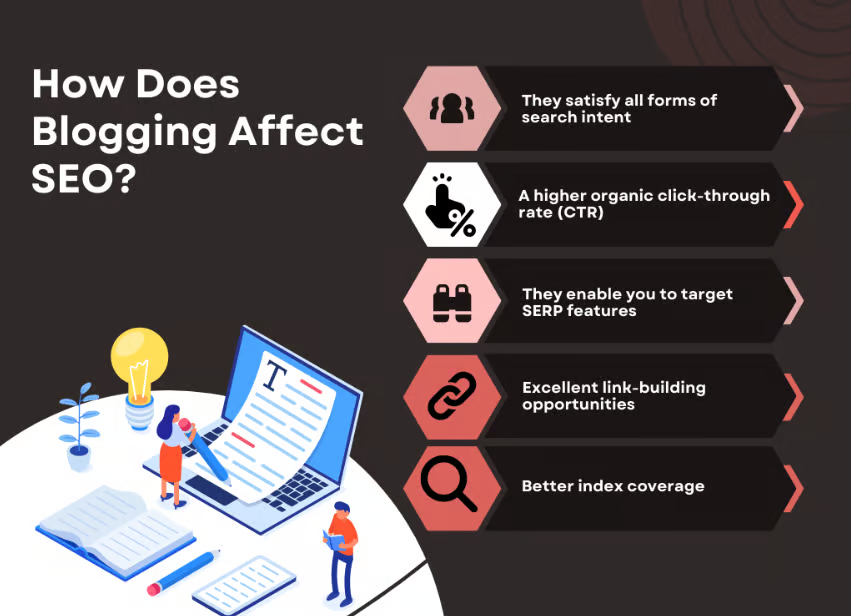
Content marketing for SaaS requires patience but delivers compounding returns. Articles ranking well continue bringing traffic for years without ongoing ad spend.
The competitive analysis and backlink building would boost domain authority, improving rankings across the board. Right now they’re competing with both hands tied behind their backs by ignoring SEO.
Email Marketing Completely Missing
There’s no apparent email marketing strategy beyond basic transactional emails after purchase.
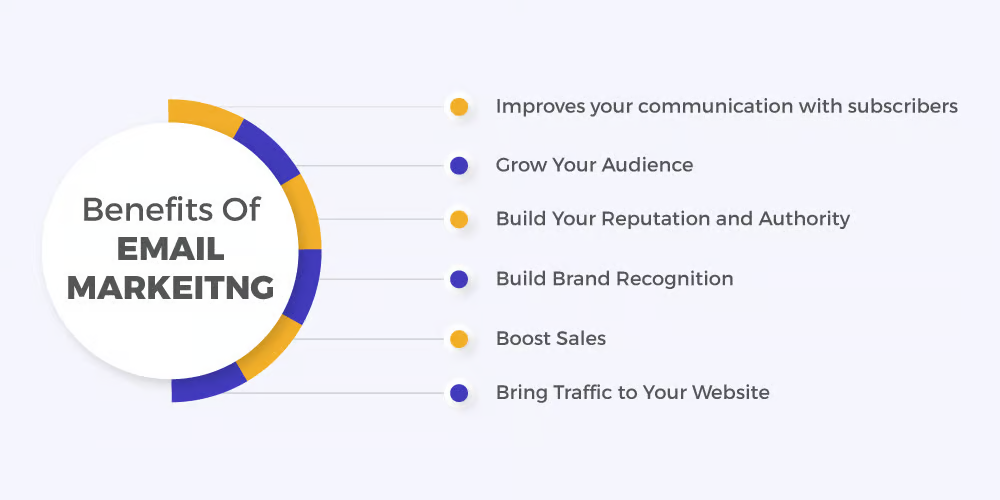
That’s astonishing for a business model that could benefit enormously from nurture sequences. Someone visits the site, doesn’t buy immediately (which is most visitors), and they’re gone forever unless they remember to come back.
With proper lead capture—offering a free guide on “Modern Networking Strategies” or “How to Make Memorable First Impressions”—you’d capture emails from interested people who aren’t ready to buy yet.
Then you nurture them with educational content, use cases, customer stories, and eventually special offers. Email conversion rates for warm leads are dramatically higher than cold traffic.
Building the email list should be a top priority. It’s the most valuable owned asset an online business can have because you control access to those people without paying platforms for the privilege.
Ad 🎯 Ready to put these strategies into action?
Theory is great, but execution is what drives growth. That’s where Max Business School™ comes in.
Inside, you’ll find step-by-step digital marketing courses (SEO, ads, email, social, content, and more) — taught by professionals, designed for beginners and business owners alike.
And the best part? It’s 100% free, online, and flexible.
→ Join Max Business School Today — Free
The Platform and the Founder
The business we’ve been analyzing is Cardz, founded by Mattia Rossi.
Mattia recognized that the business card industry was ripe for disruption and built a platform that’s practical, professional, and genuinely useful. The vision is to transform how professionals exchange information and network.
What’s notable is the focus on being global from day one. Digital business cards work anywhere smartphones exist, which is basically everywhere. There are no geographic limitations like there would be with a physical product requiring shipping logistics.
The platform has grown steadily through word-of-mouth and organic growth, which suggests strong product-market fit. When people actually use and recommend your product without being incentivized to do so, you’ve built something valuable.
Your Essential Lessons
Pull out the universally applicable insights from this case study:
Unique product positioning beats competing on features. “Modern alternative to paper business cards” is clearer and more compelling than listing tech specs.
Value-added services increase both customer satisfaction and revenue. The software platform makes the hardware more valuable while creating subscription opportunities.
User experience directly impacts conversion. Clean, fast, obvious website design removes friction from the buying process.
Social proof builds trust for innovative products. When something’s new, skepticism is high. Testimonials and real customer stories overcome that resistance.
Active social media presence matters for visual products. Showing the product working is more persuasive than describing it.
SEO is non-negotiable for sustainable growth. Paid ads work, but organic traffic compounds over time without ongoing cost.
Email marketing captures lost opportunities. Most visitors won’t buy immediately. Email lets you continue the conversation.
What You’d Need to Launch This
Let’s be realistic about starting a digital business card company.
You need technical capability—either development skills yourself or the budget to hire developers. The software platform requires real engineering, not just a template website.
Product sourcing for the physical cards requires finding manufacturers who can produce NFC cards, QR code cards, and different materials reliably. The tech isn’t complicated, but quality matters.
The skill stack includes software development, user experience design, basic understanding of NFC technology, marketing and SEO, and B2B sales knowledge since many customers are businesses buying for multiple employees.
Starting capital depends on your approach. Minimum viable product focusing on software-only solution (users buy generic NFC cards elsewhere and use your platform): $5,000-10,000. Full solution with custom-branded cards and comprehensive platform: $20,000-50,000.
The honest truth? This market is still early but heating up fast. As more people become familiar with contactless technology through payments and other applications, digital business cards will feel less “innovative” and more “obvious.”
Being an early mover has advantages, but the window is closing. In five years, digital business cards will likely be normal, and whoever established early will have significant advantages in brand recognition and market position.
At $4,500 monthly, Cardz is proving the concept works. With proper SEO, email marketing, and potentially some strategic paid advertising, there’s no reason this couldn’t scale to $15K-20K monthly within 12-18 months.
The foundation is solid. The market is ready. Now it’s about execution.