
How to Build a $3,000/Month Kitchen Appliances Business (Without Cooking a Single Meal)
Here’s something most people don’t realize about the kitchen appliance industry:
You don’t need to be a chef to profit from cooking.
Sophia Chen proved this when she turned her frustration with mediocre kitchen tools into a thriving e-commerce business that now pulls in $3,000 per month. And she did it without inventing a single product or operating a warehouse.
Intrigued?
You should be. Because what Sophia discovered is that the kitchen accessory market has a massive gap—and filling that gap doesn’t require culinary school or manufacturing expertise.
It just requires understanding what home cooks actually want.
Ad 🎯 After studying 400+ business models, here’s what actually works for beginners…
Most “make money online” advice is garbage. Complex affiliate schemes. Dropshipping nightmares. Social media “influencing.”
We found something better: lead-generation funnels for manufacturers. Simple. Profitable. Fast results.
Our Max Incubator Phase 1 students are proof—they’re going from zero to their first $1,000 in 90 days with this exact model.
→ See the business idea that’s working for beginners this year
The Problem Every Home Cook Faces (And Most Businesses Ignore)
Growing up in a family obsessed with food, Sophia noticed something bizarre. While her relatives would spend hours perfecting recipes, they’d compromise on the tools they used. Not because they wanted to, but because finding modern, high-quality kitchen accessories felt like searching for a needle in a haystack.
The market was flooded with two extremes: cheap junk that broke after three uses, or professional-grade equipment with price tags that made your eyes water.
Where was the middle ground for enthusiastic home cooks who wanted quality without taking out a second mortgage?
Spoiler: it didn’t exist.
So Sophia created it.
From Frustration to Freedom: Building an Online Kitchen Empire
Rather than complaining about the problem, Sophia did what all successful entrepreneurs do—she built the solution. Her e-commerce platform launched with a simple promise: modern, high-quality kitchen accessories that inspire creativity without destroying your budget.
Think sleek appliances, elegant tableware, and essential cooking tools curated for people who actually use their kitchens.
But here’s where most wannabe e-commerce founders mess up…
They think slapping products on a Shopify store is enough. It’s not. Sophia’s success came from understanding three critical pillars that most competitors completely ignore.
The Three Pillars That Generate $3K Monthly
Pillar #1: User Experience That Actually Makes Sense
Ever clicked through to an online store and immediately felt lost? Like you needed a map just to find the “Add to Cart” button?
Sophia’s platform does the opposite.
Her website is clean, intuitive, and designed for humans (revolutionary concept, right?). Categories make sense. Product pages load fast. The checkout process doesn’t require a PhD in computer science.
This isn’t sexy marketing—it’s the foundation that keeps customers coming back. According to Baymard Institute’s research, the average cart abandonment rate is nearly 70%, often due to complicated checkout processes. Sophia’s streamlined approach directly combats this industry-wide problem.
Pillar #2: Branding That Sticks in Your Brain
Here’s what separates the kitchen stores making $500/month from those hitting $3,000+:
Memorable branding.
Sophia created a visual identity so consistent and recognizable that customers can spot her products from across a room. The logo, color scheme, and overall aesthetic weren’t random choices—they were strategic decisions designed to build trust and differentiation.
In the crowded e-commerce jungle, standing out isn’t optional. It’s survival.
Major brands like Williams Sonoma and Sur La Table have built empires on strong brand recognition in the kitchen space. Sophia applied the same principle on a smaller, more nimble scale.
Pillar #3: Multiple Revenue Streams (Not Just Product Sales)
Most kitchen e-commerce stores make one fatal mistake: they rely entirely on product margins.
Sophia doesn’t.
While her core revenue comes from selling kitchen appliances, knives, tableware, and cooking electronics, she’s diversified her income through affiliate partnerships, strategic collaborations, and seasonal promotions that keep cash flowing even during slow months.
What Sophia Got Right (And What You Can Steal)
Let’s break down the specific tactics that turned this into a sustainable business:
The Website Functionality Play: Browsing her store feels effortless because it is. Fast load times, mobile optimization, and clear product categories mean customers spend less time frustrated and more time buying. Google’s research shows that 53% of mobile users abandon sites that take longer than three seconds to load.
The Brand Consistency Strategy: Every touchpoint—from product photography to packaging—reinforces the same premium-yet-accessible vibe. This creates an emotional connection that transcends price comparison.
The Quality Curation Approach: Sophia doesn’t sell everything. She sells the right things. Every product is vetted for quality and durability, which reduces returns and builds customer trust.
The Gaps Still Waiting to Be Filled
Even with $3,000 in monthly revenue, Sophia’s business has room to grow. And these gaps represent opportunities for anyone looking to enter this space:
Customer Service Enhancement: The e-commerce kitchen industry thrives on trust. Shoppers need to know that if their garlic press arrives broken, someone will fix it fast. Implementing robust customer service systems—easy returns, quick response times, accurate product information—can transform one-time buyers into lifetime customers.
Strategic Discount Deployment: Right now, many kitchen stores either over-discount (destroying margins) or under-discount (missing sales). The sweet spot is targeted promotions during key buying seasons: wedding season, holiday cooking months, and back-to-school meal prep time.
Expanded Product Ecosystem: Currently focused on essentials, there’s massive opportunity to expand into emerging categories like sustainable cooking tools, smart kitchen devices, and specialty ethnic cooking equipment. The global smart kitchen appliance market is projected to reach $40.2 billion by 2030.
Ad 🎯 Ready to put these strategies into action?
Theory is great, but execution is what drives growth. That’s where Max Business School™ comes in.
Inside, you’ll find step-by-step digital marketing courses (SEO, ads, email, social, content, and more) — taught by professionals, designed for beginners and business owners alike.
And the best part? It’s 100% free, online, and flexible.
→ Join Max Business School Today — Free
Your Three-Step Action Plan to Start Your Own Kitchen Business
Ready to build your own kitchen empire? Here’s how to start:
Step 1: Identify Your Niche Within the Niche
Don’t try to be everything to everyone. Maybe you focus exclusively on sustainable bamboo kitchenware. Or perhaps you specialize in tools for people with arthritis who still love to cook. The riches are in the niches, especially when competing against giants like Amazon.
Step 2: Master the Fundamentals
You’ll need basic skills in e-commerce platform management, digital marketing, and customer service. The barrier to entry is lower than you think—platforms like Shopify and WooCommerce have simplified the technical side dramatically.
Step 3: Build, Test, Iterate
Launch with a curated selection of 20-30 products rather than 500. Test your marketing messages. Listen to customer feedback. Refine your offering based on what actually sells, not what you think should sell.
The Bottom Line
Sophia Chen turned kitchen frustration into a $3,000 monthly revenue stream by solving a problem millions of home cooks face: finding quality kitchen tools that don’t suck.
She didn’t reinvent the wheel.
She didn’t raise millions in venture capital.
She simply identified a gap in the market, built a clean e-commerce experience, created consistent branding, and curated products people actually want.
The kitchen appliance industry is projected to keep growing as more people cook at home and invest in their culinary spaces. The question isn’t whether there’s opportunity—it’s whether you’ll seize it.
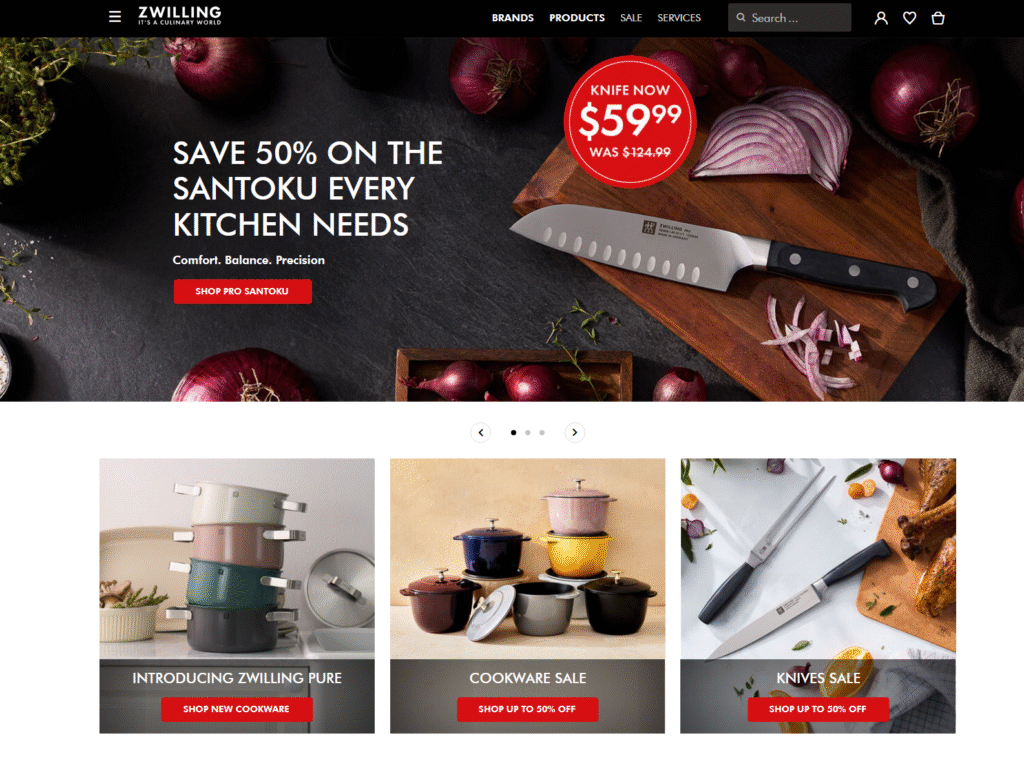
Want to explore how Sophia’s business continues to evolve? Check out Zwilling, the brand that’s redefining modern kitchen retail.
Now if you’ll excuse me, I need to go judge my own kitchen tools with newfound harshness.