
How Two Moms Built a $7K/Month Printables Business (And Scaled to 107K Monthly Visitors)
Ever stared at those generic planners at Target and thought, “There has to be something better”?
That’s exactly what Vee Rae and Karla Midwood were thinking. Except they didn’t just complain about it over coffee.
They did something about it.
And accidentally built a business pulling in over $7,000 every month selling digital downloads.
Here’s the thing nobody tells you about the printables business: it’s not about being the most artistic person in the room. It’s about solving problems people actually have.
Ad 🎯 After studying 400+ business models, here’s what actually works for beginners…
Most “make money online” advice is garbage. Complex affiliate schemes. Dropshipping nightmares. Social media “influencing.”
We found something better: lead-generation funnels for manufacturers. Simple. Profitable. Fast results.
Our Max Incubator Phase 1 students are proof—they’re going from zero to their first $1,000 in 90 days with this exact model.
→ See the business idea that’s working for beginners this year
The Problem That Launched a Business
Vee and Karla were drowning in the chaos that comes with being moms.
They needed calendars that actually worked for their lives. To-do lists that didn’t make them feel like failures by 9 AM. Wall art that made their homes feel like, well, homes instead of chaotic child-containment facilities.
What they found in stores? Either boring corporate nonsense or overpriced boutique items that cost more than their monthly coffee budget.
So they started designing their own.
And here’s where it gets interesting.
When they shared their creations with friends and family, something unexpected happened. People didn’t just say “oh, that’s nice” and move on. They wanted copies. They asked where to buy them. They had friends who needed them.
That’s when the lightbulb went off: if we’re struggling with this, maybe we’re not alone.
Spoiler alert: they weren’t.
From Kitchen Table to $7K Months
Starting LittleHaloj wasn’t some perfectly planned business strategy.
It was two moms with personal savings, zero web design experience, and a hunch that other people wanted what they’d created.
They had to learn everything from scratch. Website building. Digital marketing. SEO. (The kind of stuff that makes your eyes glaze over until you realize it’s the difference between making $100 and $7,000.)
The learning curve was brutal. Balancing a startup with actual children who need things like food and attention? Even more brutal.
But here’s what kept them going: every problem they solved made them better at solving the next one.
And gradually, something shifted.
The Numbers Don’t Lie (And They’re Pretty Impressive)
Let’s talk about what actually happened when they started doing things right.
In just one year, their organic traffic exploded from 3,141 monthly visitors to 107,472.
That’s not a typo.
That’s a 3,323% increase in people finding their site through Google, Pinterest, and other platforms without paying for ads.
How did they pull this off? Three key moves:
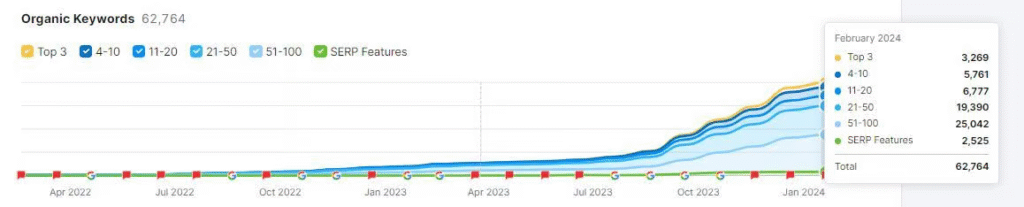
They created a blog that ranks #1 for over 800 keywords. Not random keywords. Keywords that people actually search for when they’re looking for printables.
They focused on SEO that actually works. The kind where you understand what problems people are trying to solve, then create content that solves those problems better than anyone else.
They made products people genuinely wanted, not just what they thought would look pretty.
The result? Their blog alone drives 25,000+ organic visitors monthly. That’s 25,000 people showing up ready to buy, without spending a dollar on advertising.
How LittleHaloj Actually Makes Money
The business runs on three main channels, each serving a different type of customer:
Etsy is their marketplace play. Think of it as setting up shop where millions of people are already browsing for handmade and printable items. When someone searches “printable meal planner” or “nursery wall art,” LittleHaloj’s products show up.
Their own website is where they build the brand. It’s not just a store but a destination filled with tips, inspiration, and their full product catalog. This is where they control the entire customer experience and keep 100% of the profits.
TeachersPayTeachers taps into an entirely different market: millions of educators looking for classroom resources. Smart move, considering teachers are always searching for affordable, high-quality materials.
What They’re Doing Right (And What You Can Steal)
Here’s what separates LittleHaloj from the thousands of failed printables shops:
Competitive pricing without racing to the bottom. They’re not the cheapest option, but they’re priced right alongside competitors while delivering better quality. This keeps customers coming back.
Multiple payment options. Sounds simple, but offering various ways to pay means you never lose a sale because someone’s preferred payment method isn’t available.
Product diversity that makes sense. They don’t just sell one type of printable. They’ve got planners, wall art, organizational tools, and seasonal items. Different products for different needs and events. More reasons for customers to return.
But here’s the real secret sauce: that blog.
Ranking for 800+ keywords isn’t luck. It’s creating genuinely helpful content that answers real questions people are asking. Content that positions them as authorities in their niche.
When someone Googles “how to organize a busy mom schedule,” guess whose blog post shows up? And guess what’s conveniently linked in that blog post?
The Opportunities They’re Missing
Even successful businesses leave money on the table. LittleHaloj has three glaring opportunities:
Social media traffic is practically untapped. They have the products and the brand recognition, but they’re not leveraging platforms like Instagram, Pinterest, and Facebook to their full potential. These platforms are goldmines for visual products like printables.
A few targeted social media campaigns could drive massive traffic. Pinterest, especially, is where people actively look for printable planners and organizational tools.
No cross-selling or upselling. When someone buys a printable planner, the perfect time to suggest matching stickers or an upgraded premium version is right there at checkout. They’re not doing it.
This isn’t sleazy salesmanship; it’s helpful suggestions that improve the customer’s experience while boosting average order value.
Missing discount and freebie strategy. First-time buyer discount? Nope. Seasonal sales? Rarely. Free printable to build an email list? Not happening.
These tactics aren’t just about making quick sales. They’re about building a loyal community that feels valued and keeps coming back.
Ad 🎯 Ready to put these strategies into action?
Theory is great, but execution is what drives growth. That’s where Max Business School™ comes in.
Inside, you’ll find step-by-step digital marketing courses (SEO, ads, email, social, content, and more) — taught by professionals, designed for beginners and business owners alike.
And the best part? It’s 100% free, online, and flexible.
→ Join Max Business School Today — Free
What You Can Learn From This
You don’t need to be a graphic designer to start a printables business.
You need to:
Identify a real problem people are struggling with. (Vee and Karla found theirs in their own frustration with existing products.)
Create solutions that are genuinely better than what’s available. Not perfect. Just better.
Learn the basics of SEO and content marketing. This isn’t optional if you want organic traffic. The good news? It’s entirely learnable, and there are free resources to get you started.
Show up consistently. One product won’t build a business. One blog post won’t rank. You need to keep creating, publishing, and improving.
Price competitively while maintaining quality. Don’t compete on price alone.
Build multiple sales channels. Don’t put all your eggs in the Etsy basket.
The printables market is crowded, sure.
But it’s also huge and growing. According to industry research, the digital content creation market is expected to reach over $38 billion by 2030.
People will always need organizational tools, decorative elements for their homes, and educational resources.
The question isn’t whether there’s opportunity.
It’s whether you’re willing to do the work to capture it.
The Bottom Line
Two moms with no business background and no web design skills built a $7,000+ monthly business selling digital downloads.
They did it by solving real problems, learning essential skills, and showing up consistently.
The printables business isn’t a get-rich-quick scheme. It’s a legitimate way to build income by creating value for people.
And if Vee and Karla can figure it out while managing kids and life, chances are you can too.
The real question is: what problem are you going to solve?