
Calculator Website Makes $584/Mo
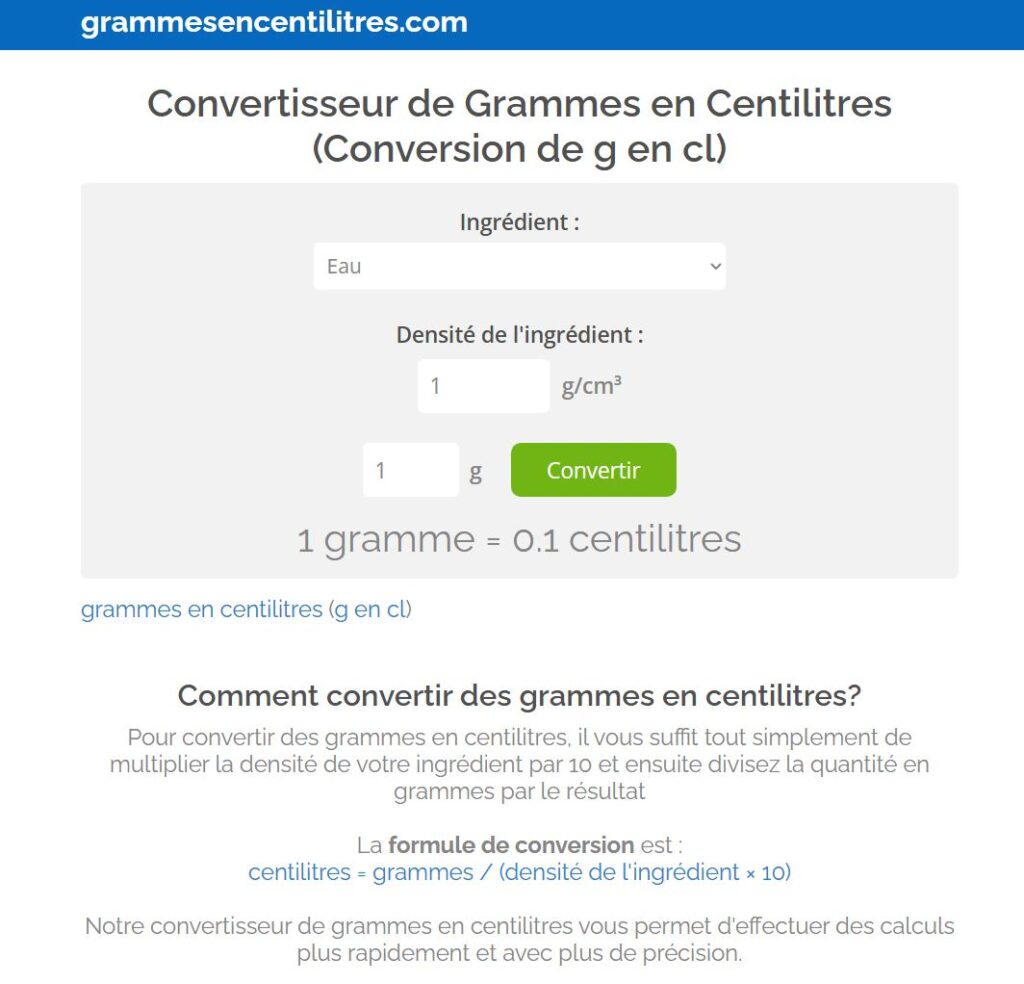
What if I told you someone is making $584 every single month from a simple calculator that converts grams to centiliters? No products to ship, no customer service headaches, just pure passive income from solving one tiny cooking problem.
This is the kind of business that makes you slap your forehead and think, “Why didn’t I think of that?” Because here’s the thing: you don’t need a revolutionary idea to build a profitable online business. Sometimes the best opportunities are hiding in plain sight, in the small everyday frustrations people face.
Elena, a home baker from France, turned her own kitchen measurement headache into a steady income stream. And the best part? She did it without any tech background or business degree.
Ad 🎯 After studying 400+ business models, here’s what actually works for beginners…
Most “make money online” advice is garbage. Complex affiliate schemes. Dropshipping nightmares. Social media “influencing.”
We found something better: lead-generation funnels for manufacturers. Simple. Profitable. Fast results.
Our Max Incubator Phase 1 students are proof—they’re going from zero to their first $1,000 in 90 days with this exact model.
→ See the business idea that’s working for beginners this year
What This Calculator Business Actually Does
GrammesEnCentilitres is exactly what it sounds like: a website that converts grams to centiliters. That’s it. No fancy features, no complicated membership tiers, just one tool that does one thing really well.
The genius is in the simplicity. Home cooks and bakers around the world constantly run into this problem when following recipes from different countries. They need quick, accurate conversions without digging through cluttered conversion sites loaded with ads and pop-ups.
This website gives them exactly what they want in about five seconds. Users land on the page, plug in their numbers, get their answer, and move on with their baking. The site attracts people who need these conversions regularly, making it a go-to bookmark for anyone serious about cooking.
💰 Monthly Revenue: $584
🌍 Traffic Source: Organic search (Google)
💼 Business Model: Display advertising + potential affiliate income
⚡ Startup Cost: Under $100 (domain + basic hosting)
🎯 Target Audience: Home bakers, cooks, and recipe enthusiasts
How This Simple Tool Makes Money
The revenue model couldn’t be more straightforward. Display advertisements placed strategically around the calculator generate income based on page views and clicks. Every visitor who lands on the site to make a conversion potentially triggers ad revenue.
Think about it this way: someone searching “convert 200 grams to centiliters” is actively looking for this specific tool. They’re not casually browsing, they’re in the middle of cooking and need an answer right now. That focused intent makes for engaged visitors who actually spend time on the page.
The site also has potential for affiliate revenue by recommending related products. Kitchen scales, measuring tools, specialty baking equipment, even cookbooks could fit naturally into the context. A well-placed recommendation for a digital kitchen scale alongside the conversion tool makes perfect sense to someone obsessed with precise measurements.
The beauty of this model is that it scales with traffic. More visitors equals more ad impressions equals more revenue. And since the tool solves a real problem, people keep coming back and sharing it with fellow bakers in Facebook groups and cooking forums.
What Makes This Calculator Site Actually Work
Let’s talk about why this isn’t just another forgotten website collecting digital dust. The site nails three critical elements that most online tools completely mess up.
Speed Wins Everything
When you’re standing in your kitchen with flour-covered hands and a recipe that needs immediate conversion, you don’t have patience for slow-loading pages. This calculator loads instantly. No spinning wheels, no progress bars, just immediate results.
That speed keeps bounce rates low and user satisfaction high. People get what they came for and leave happy, which signals to Google that this site deserves to rank well. Fast loading also means more page views per session since users can quickly convert multiple measurements without frustration.
Design That Doesn’t Get In The Way
The homepage puts the calculator front and center. No scrolling past walls of text, no hunting through menus, no signing up for newsletters before accessing the tool. The conversion form is literally the first thing you see.
This sounds obvious, but you’d be shocked how many utility sites bury their actual functionality under layers of unnecessary content. They’re so busy trying to look professional or stuff in more ads that they forget why people visited in the first place.
Simple navigation and clean design mean users can convert their measurements and go. If they need multiple conversions, they stick around. If they only need one, they got what they wanted and might remember the site next time.
SEO That Actually Brings Traffic
Here’s where the real magic happens. The site ranks well for specific search queries because it targets long-tail keywords that big sites ignore. “Convert grams to centiliters” might not have massive search volume, but the people searching for it have serious intent.
By focusing on this niche conversion, the site avoids competing with massive conversion tool sites that try to do everything. It’s the classic case of being excellent at one thing versus mediocre at many things. Search engines reward focused expertise, especially when the user experience backs it up.
The Massive Opportunities Being Left On The Table
Now let’s get to the frustrating part. This site is making $584 monthly, but it could easily be making three to five times that amount with some straightforward improvements. The foundation is solid, but there’s so much untapped potential it’s almost painful to see.
Content Could Multiply Traffic
Right now the site is basically a one-page tool. Imagine adding a blog section with articles like “The Complete Guide to Baking Measurement Conversions” or “Common Cooking Mistakes When Converting Measurements.” These posts would target related keywords and bring in readers who might not be searching for the exact calculator yet.
Content marketing would also create opportunities for affiliate links that feel natural rather than forced. A post about “Essential Tools for Precise Baking” could recommend kitchen scales, measuring cups, and digital thermometers with Amazon affiliate links. The traffic is already interested in precise measurements, so these recommendations would actually provide value.
More content also means more pages to rank in search engines. Instead of competing for one keyword, you’re competing for dozens. Each blog post becomes another doorway for potential visitors to discover the site.
User Engagement Is Practically Zero
There’s no email capture, no way to save favorite conversions, no ability for users to request new features. The site provides its service and that’s it. While simplicity is good, some engagement mechanisms could significantly boost revenue without destroying the user experience.
A simple “Save Your Conversions” feature where users can bookmark their most-used measurements would increase return visits. An email newsletter with weekly baking tips and new conversion tools would build an audience that could be monetized in multiple ways.
Even just adding a comment section or feedback form would provide user-generated content and social proof. When potential visitors see others finding the tool useful, they’re more likely to trust it and spend time on the site.
The key is implementing these features without cluttering the main calculator page. Keep the tool simple and fast, but offer optional engagement for users who want more.
What this business could improve
Let me be straight with you about the challenges here. This business model works, but it’s not going to make anyone wealthy without significant scaling. The $584 monthly revenue is nice passive income, but it reflects the limitations of relying purely on display ads.
Ad rates for cooking and kitchen-related content aren’t particularly high. You’re not in finance or legal niches where cost-per-click rates are through the roof. This means you need substantial traffic to generate meaningful revenue, and substantial traffic requires ongoing SEO effort.
Competition is also growing. Once people realize how simple these niche calculator sites are to build, more will pop up targeting similar conversions. The early-mover advantage in SEO won’t last forever. Staying ahead means continuously improving the site and expanding into related conversion tools.
There’s also the risk of Google algorithm updates. Sites heavily dependent on search traffic can see dramatic drops if Google changes how it ranks pages. Diversifying traffic sources through social media, email marketing, or partnerships with cooking blogs would reduce this vulnerability.
Monetization beyond ads requires building additional revenue streams, which takes time and strategy. You can’t just slap affiliate links everywhere and expect conversions. The recommendations need to fit naturally and provide genuine value to maintain user trust.
Ad 🎯 Ready to put these strategies into action?
Theory is great, but execution is what drives growth. That’s where Max Business School™ comes in.
Inside, you’ll find step-by-step digital marketing courses (SEO, ads, email, social, content, and more) — taught by professionals, designed for beginners and business owners alike.
And the best part? It’s 100% free, online, and flexible.
→ Join Max Business School Today — Free
Your Step-by-Step Blueprint For Building A Calculator Site
Ready to build your own niche calculator business? Here’s the exact process, no fluff, just actionable steps you can start implementing today.
Step 1: Find Your Conversion Niche
Don’t just copy the grams-to-centiliters idea. Find your own underserved conversion need. Start by thinking about your own frustrations or hobbies. What do you constantly need to convert or calculate? What tools do you wish existed but don’t?
Use Google Keyword Planner or Ubersuggest to research search volume for different conversion queries. You want something with enough searches to generate traffic but not so competitive that you’ll never rank. Look for monthly search volumes between 1,000 and 10,000 for your primary keyword.
Check what already exists. If there are five polished calculator sites already dominating the first page of Google, that niche might be too competitive. But if the existing options are outdated or cluttered, you’ve found an opportunity.
Step 2: Build The Calculator
You don’t need to be a developer. Simple calculators can be built using basic HTML, CSS, and JavaScript. Sites like CodePen have free calculator templates you can customize. If coding intimidates you, WordPress plugins like WP Calculator can create calculators without writing a single line of code.
Focus on making the calculator accurate first, pretty second. Test it extensively with different inputs to ensure the math always works correctly. Nothing kills trust faster than a calculator that gives wrong answers.
Keep the interface clean. One input field, one output field, one calculate button. Don’t overthink it. The best calculator is the one people can use without instructions.
Step 3: Optimize For Search
Your page title should include your exact conversion keyword. “Convert X to Y – Fast and Accurate Calculator” is a solid template. Your meta description should emphasize speed and accuracy.
Write a brief explanation above the calculator (200-300 words) that naturally includes your target keywords. Explain what the conversion is, why it matters, and how your calculator helps. This gives search engines context while helping users understand what they’re looking at.
Make sure your site loads fast. Use a lightweight WordPress theme or build with static HTML. Compress images, minimize JavaScript, and choose good hosting. Google PageSpeed Insights will tell you exactly what needs fixing.
Step 4: Set Up Monetization
Apply for Google AdSense once you have some traffic. Place ads strategically but don’t overwhelm the page. Two or three ad units maximum. The calculator should still be the dominant element on the page.
Research relevant affiliate programs. Amazon Associates works for physical products, but look for specialized programs in your niche. Kitchen sites might partner with cookware brands directly for better commission rates.
Consider creating a premium version with additional features. Advanced calculators, printable conversion charts, or ad-free access could justify a small one-time payment or monthly subscription.
Step 5: Expand With Content
Once your main calculator page is live and getting some traffic, start adding supporting content. Write blog posts that target related keywords and link back to your calculator. Create guides, tutorials, and helpful resources that establish your site as an authority.
This content serves multiple purposes. It brings in additional traffic from different keywords, keeps visitors on your site longer, and provides opportunities for more ad impressions and affiliate links.
Aim for at least one new piece of quality content per week. Consistency matters more than volume when you’re building search engine authority.
Key Takeaways From This Calculator Business
Simple, focused tools that solve specific problems can generate genuine passive income. You don’t need a complex business model or revolutionary technology. Find a frustration point, build a clean solution, optimize for search, and monetize the traffic.
Speed and simplicity beat fancy features every time. Users visiting calculator sites want immediate results, not beautiful designs or extensive feature sets. Nail the core functionality and don’t let anything else get in the way.
SEO is the lifeblood of these niche tool sites. Without organic search traffic, the business model falls apart. Focus on long-tail keywords where you can actually rank rather than chasing high-volume terms dominated by massive sites.
Revenue potential grows dramatically with content expansion. A single calculator page has limited earning potential, but add valuable content around it and you multiply your traffic sources and monetization opportunities.
The best part about businesses like this is they require minimal ongoing maintenance once built. No inventory, no customer support, no shipping logistics. Just a tool that works, content that ranks, and traffic that converts into revenue.
If you’re looking to start an online business but feeling overwhelmed by complex models, this is your entry point. Pick a conversion need, build the tool, optimize for search, and let it run. It might not make you rich, but it can absolutely generate meaningful passive income while you sleep.
Ready to build your own calculator business? The opportunity is sitting there waiting for someone to take action. Why not you?