
How to Build an Ebook Cover Marketplace to $1K Monthly

Charlie loved books.
Not in that casual “I enjoy reading” way, but in the obsessive way where you notice cover designs, study typography, and silently judge self-published authors whose amazing stories are trapped behind terrible covers.
And here’s what drove him crazy…
Self-published authors were getting absolutely fleeced by professional cover designers. We’re talking $500-2000 for a single book cover. For authors already gambling on themselves financially, those prices were devastating.
Meanwhile, talented designers couldn’t access the author market efficiently. No centralized marketplace. No way to showcase their work to the thousands of authors desperately seeking affordable, professional designs.
Charlie saw the disconnect and did what any reasonable person would do: he built The Book Cover Designer (TBCD) to bridge that gap.
Today, that marketplace generates $1,000+ monthly by taking a simple 30% commission on cover sales while designers keep 70%. No upfront fees. No subscription model. Just pure marketplace economics connecting supply and demand.
Here’s what makes this fascinating…
This isn’t a complex business model requiring revolutionary technology or venture capital. It’s just smart marketplace mechanics applied to an underserved niche. The self-publishing industry continues exploding (Amazon Kindle Direct Publishing alone hosts millions of indie authors), and every single one needs a cover that doesn’t make readers cringe.
Let me show you exactly how TBCD captured this market, why it works, and the surprising opportunities they’re still missing.
Ad 🎯 After studying 400+ business models, here’s what actually works for beginners…
Most “make money online” advice is garbage. Complex affiliate schemes. Dropshipping nightmares. Social media “influencing.”
We found something better: lead-generation funnels for manufacturers. Simple. Profitable. Fast results.
Our Max Incubator Phase 1 students are proof—they’re going from zero to their first $1,000 in 90 days with this exact model.
→ See the business idea that’s working for beginners this year
Why Ebook Cover Marketplaces Print Money
Let’s talk numbers that matter.
According to Bowker’s industry statistics, self-publishing continues growing rapidly year over year, with hundreds of thousands of new titles published annually by independent authors. Each one needs a cover. Period.
But here’s the economics that make this beautiful…
Traditional cover design agencies charge $500-2500 per custom cover. For authors self-funding their publishing dreams, that’s often 20-40% of their entire book budget. It’s painful. It’s prohibitive. It’s why so many settle for mediocre designs that doom their books to obscurity.
Pre-made covers on TBCD? They range from $50-300 typically. Still professional. Still unique (each design sells only once, then gets removed from the catalog). But suddenly affordable for authors working with tight budgets.
This pricing disruption creates a massive market. Authors who couldn’t justify $1500 for custom design suddenly become customers at $150 for pre-made covers. You’re not stealing customers from high-end agencies—you’re creating an entirely new market segment.
And designers love it because instead of hoping to land one $1000 project monthly, they can sell ten $100 covers with way less effort. Upload once, collect 70% when it sells, move on to creating more designs.
It’s marketplace economics working exactly as they should: reducing transaction costs, increasing market efficiency, and creating value for both sides.
Inside The Book Cover Designer: The $1K Blueprint
Let’s dissect exactly how this marketplace generates consistent monthly revenue.
The 30/70 Commission Split
TBCD’s business model is beautifully straightforward: designers upload pre-made book covers for free (zero listing fees), authors browse thousands of designs across every genre imaginable, when a cover sells, TBCD takes 30% commission and designers keep 70%.
This commission structure aligns incentives perfectly. TBCD succeeds only when designers succeed. No shady fees. No bait-and-switch subscription models. Just clean marketplace economics.
At $1K monthly revenue with 30% commission, that means approximately $3,333 in monthly gross marketplace volume. If average cover price is $150, that’s roughly 22 covers sold monthly. Completely manageable for a marketplace with hundreds of designers and thousands of listed covers.
The beauty? As the marketplace grows and traffic increases, revenue scales automatically without proportional cost increases. That’s the marketplace flywheel every platform builder dreams about.
The Editing Services Add-On
Beyond cover sales, TBCD partners with Luna Imprints Author Services to offer professional editing services. When authors book editing through TBCD, the marketplace earns a referral commission or affiliate fee.
This diversifies revenue streams beyond just cover sales. An author buying a $150 cover might also need $500-2000 in editing services. That referral could represent more profit than the cover sale itself.
It’s smart bundling. Authors need both covers and editing. Why send them elsewhere when you can facilitate both transactions and capture value at each step?
The Customization Upsell
While covers are pre-made, TBCD offers free minor customization—authors can request small adjustments like title changes, author name updates, or slight color modifications.
This service differentiates TBCD from pure “what you see is what you get” stock cover sites. For more extensive customization, they likely charge additional fees, creating another revenue opportunity.
What The Book Cover Designer Absolutely Crushed
Charlie didn’t just throw up a website and hope designers would appear. Several strategic decisions set TBCD up for success.
Extreme Niche Focus
Rather than being a generic design marketplace selling logos, business cards, and random graphics, TBCD focuses exclusively on book covers. This specialization creates several advantages:
They can optimize the entire user experience specifically for author needs—browsing by genre, filtering by style, and showcasing designs in context. They attract only relevant designers who specialize in book covers, ensuring quality and relevance. They build domain authority and SEO strength around book cover-related search terms. They become the category leader in a specific niche rather than a nobody in the general design marketplace space.
When authors Google “pre-made book covers,” TBCD ranks prominently. When designers want to sell book covers specifically, TBCD is the obvious platform. That focus creates powerful network effects.
Massive Selection as Competitive Moat
TBCD boasts one of the largest selections of pre-made book covers available anywhere online—thousands of designs spanning every conceivable genre from romance to sci-fi to non-fiction.
This selection creates a powerful moat. Authors visit because they’re virtually guaranteed to find something suitable. More author traffic attracts more designers. More designers create more covers. More covers attract more authors. The flywheel spins.
Smaller competitors can’t easily overcome this advantage. Building comparable selection requires either massive content creation investment or years of organic designer growth. By the time competitors catch up, TBCD has moved further ahead.
User-Centric Policies That Build Trust
TBCD implements several policies that might seem to hurt short-term revenue but actually build long-term trust and loyalty:
They allow free minor customization so authors can personalize covers without extra charges. They offer covers at various price points so budget-conscious authors aren’t excluded. They enforce a “one sale only” policy—once a cover sells, it’s removed forever, guaranteeing uniqueness. They explicitly ban AI-generated covers, emphasizing human creativity and originality.
These policies signal to both designers and authors that TBCD prioritizes quality and fairness over squeezing every possible dollar. That reputation compounds over time, creating customer loyalty that’s nearly impossible to buy through advertising.
SEO That Actually Drives Traffic
According to SEO analysis tools, TBCD ranks well for numerous book cover-related search terms, driving substantial organic traffic. This didn’t happen by accident. They implement solid SEO fundamentals including keyword optimization in titles, descriptions, and metadata, strong backlink profile from author blogs and publishing resources, fast-loading, mobile-responsive website design, and organized site structure that search engines can easily crawl.
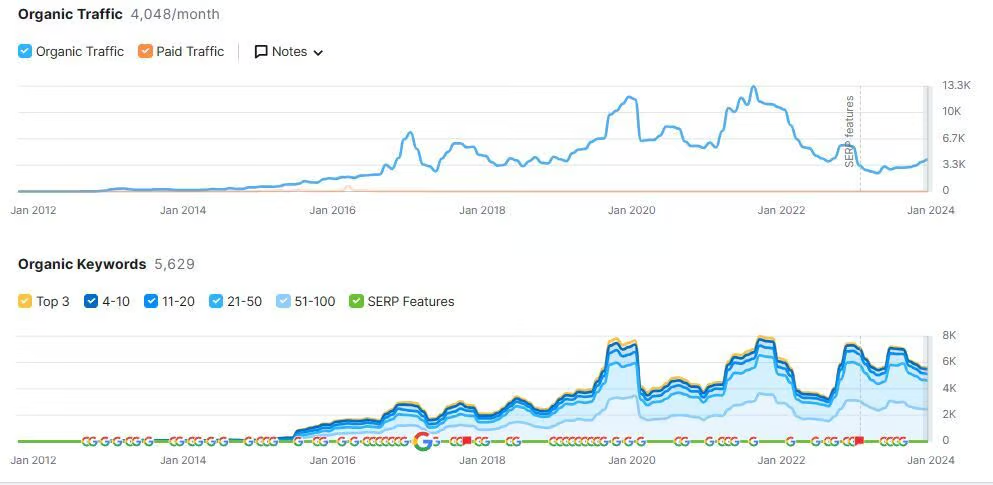
Organic search traffic is the holy grail for marketplaces—it’s essentially free customer acquisition that compounds over time. Every ranking improvement increases traffic without increasing costs.
The Million-Dollar Gaps (Okay, Maybe $10K)
Despite doing so much right, TBCD is leaving significant revenue on the table. I’m talking about relatively straightforward improvements that could 5-10x current monthly revenue.
The Missing Content Marketing Machine
TBCD has a blog, but it’s not being leveraged nearly enough. The self-publishing niche is hungry for educational content: how to choose the right cover for your genre, publishing industry trends and what’s selling, cover design trends readers respond to, marketing strategies for self-published authors, formatting guides for different publishing platforms.
A robust content marketing strategy publishing 2-3 valuable articles weekly would dramatically increase organic traffic, establish TBCD as an authority (not just a marketplace), create backlink opportunities from author blogs and publishing sites, provide material for social media and email marketing, and naturally drive more cover sales.
According to Demand Metric’s research, content marketing generates 3x more leads than traditional marketing while costing 62% less. For a marketplace model where customer acquisition is everything, content marketing is nearly irresistible ROI.
The Dormant Email List
TBCD collects email addresses (presumably), but there’s no evidence of sophisticated email marketing. This is leaving stacks of money on the table.
Imagine automated email sequences like welcoming new visitors with curated cover selections based on their genre interest, highlighting new cover additions weekly organized by genre, showcasing designer spotlights and their stories, sending seasonal promotions and discounts, and re-engaging authors who browsed but didn’t purchase.
Email marketing typically generates $36-42 for every dollar spent according to Litmus research. For a low-cost marketplace like TBCD, email represents one of the highest ROI channels available.
The Social Media Ghost Town
Self-published authors practically live on social media—particularly Facebook groups, Twitter writing communities, and Instagram bookstagram accounts. Yet TBCD maintains minimal social presence.
Strategic social media engagement could include showcasing before/after transformations (author’s original cover vs. TBCD cover), featuring author success stories about books that succeeded after cover upgrades, running design contests and community engagement, partnering with author influencers for exposure, and creating Pinterest boards organized by genre (Pinterest is massive for book discovery).
Authors are already gathering in these spaces, discussing covers constantly. TBCD just needs to show up where they already are.
The Designer Recruitment Gap
TBCD’s growth is ultimately limited by designer supply. More designers mean more covers, more variety, and more reasons for authors to visit repeatedly. Yet there’s no obvious aggressive designer recruitment strategy.
Potential approaches include actively recruiting on design platforms like Dribbble and Behance, offering bonus commissions for new designer referrals, creating case studies of top-earning designers on the platform, hosting design competitions to attract talent and generate buzz, and partnering with design schools to recruit emerging talent.
Every great marketplace eventually hits supply constraints. TBCD should obsess over designer recruitment before it becomes the growth bottleneck.
Ad 🎯 Ready to put these strategies into action?
Theory is great, but execution is what drives growth. That’s where Max Business School™ comes in.
Inside, you’ll find step-by-step digital marketing courses (SEO, ads, email, social, content, and more) — taught by professionals, designed for beginners and business owners alike.
And the best part? It’s 100% free, online, and flexible.
→ Join Max Business School Today — Free
The Skills Required (Easier Than You Think)
Building a marketplace like TBCD doesn’t require software engineering genius or design expertise. Here’s what you actually need:
You need understanding of marketplace dynamics and how to balance supply and demand. You need basic website development skills or ability to hire/partner with someone who does. You need knowledge of your target niche (in this case, self-publishing). And you need customer service and community management abilities.
What you DON’T need: To be a designer yourself. Programming expertise (marketplace platforms exist). Publishing industry insider connections. Massive startup capital.
Platforms like Sharetribe and Kreezalid allow you to launch marketplace websites without custom development. You can have a functional marketplace live within days, not months.
The barrier to entry is surprisingly low for someone willing to do the unglamorous work of building supply and demand simultaneously.
Getting Started: The Realistic Blueprint
If an ebook cover marketplace (or similar niche marketplace) intrigues you, here’s the actual path forward:
Identify a niche where buyers and sellers struggle to find each other efficiently. Book covers work. So might stock photos for specific industries, music tracks for content creators, or 3D models for game developers.
Research that niche deeply to understand pain points on both sides. What do buyers complain about? What prevents sellers from reaching customers? Where do inefficiencies exist?
Choose your marketplace platform—either a DIY solution like Sharetribe or custom development if you have budget and technical resources.
Start building supply first—this is critical. You need inventory before you can attract buyers. Personally recruit your first 20-50 suppliers (in TBCD’s case, designers) even if it means offering favorable terms initially.
Only then launch to buyers. A marketplace with no supply is useless. Better to have limited selection than empty shelves.
Drive traffic through a combination of content marketing, SEO, and niche community engagement. Paid advertising often doesn’t work until you have enough supply to convert visitors effectively.
Obsess over reviews and testimonials from both sides—these become your competitive moat.
Continuously recruit new suppliers while improving buyer experience. The flywheel starts slowly but accelerates as network effects kick in.
Why Marketplace Models Work (When Done Right)
Marketplaces are beautiful business models for several reasons:
They scale efficiently—revenue grows faster than costs as volume increases. They create network effects—more supply attracts more demand, which attracts more supply. They generate data about both sides that creates competitive advantages. They’re defensible once established because users are locked into the ecosystem.
But they’re also brutally difficult to launch. The “cold start problem”—needing supply to attract demand, but needing demand to attract supply—kills most marketplaces before they gain traction.
TBCD solved this by manually recruiting designers first, building inventory before marketing to authors. That patience and sequencing made all the difference.
The Uncomfortable Reality Check
Here’s what nobody tells you about building marketplaces: you’re building two businesses simultaneously. You need to recruit and satisfy suppliers while also acquiring and satisfying customers. Each side has different needs, different motivations, and different pain points.
Charlie’s $1K monthly didn’t happen because he built a pretty website. It happened because he solved the hard problem of creating value for both designers and authors in a way that made both groups willing to transact on his platform instead of directly with each other.
That’s hard work. That’s marketplace dynamics. That’s why successful marketplaces are so defensible—they’re really difficult to build.
Your Next Move
If you’re seriously considering this, stop overthinking and start validating:
Pick your niche—ideally something you understand deeply. Research both sides of the marketplace to confirm pain points exist. Manually recruit 10-20 suppliers without building anything—just test if they’re interested. If they are, build a minimum viable marketplace using existing platforms. Personally drive your first transactions even if it requires heroic effort. Get testimonials and use them to recruit more suppliers. Only then scale up buyer acquisition.
The authors (or customers in your niche) who need your marketplace exist right now. The suppliers willing to list their work exist right now. You’re just the connector.
The question is whether you’re willing to do the unglamorous work of building both sides of the marketplace simultaneously until network effects take over.
Because that’s what it takes.