
How to Build a Finance Blog Earning $20K Monthly
Here’s something most personal finance gurus won’t tell you:
You don’t need a finance degree to build a profitable money blog.
In fact, one of the most successful finance blogs pulling in $20,000 per month was started by someone who simply wanted to share budgeting hacks and savings tips. No Wall Street credentials. No fancy MBA.
Just a smart content strategy and one traffic platform that changed everything.
Ad 🎯 After studying 400+ business models, here’s what actually works for beginners…
Most “make money online” advice is garbage. Complex affiliate schemes. Dropshipping nightmares. Social media “influencing.”
We found something better: lead-generation funnels for manufacturers. Simple. Profitable. Fast results.
Our Max Incubator Phase 1 students are proof—they’re going from zero to their first $1,000 in 90 days with this exact model.
→ See the business idea that’s working for beginners this year
The Pinterest Goldmine Nobody’s Talking About
While everyone’s fighting for scraps on Google, there’s a visual search engine sending hundreds of thousands of visitors to blogs every single month.
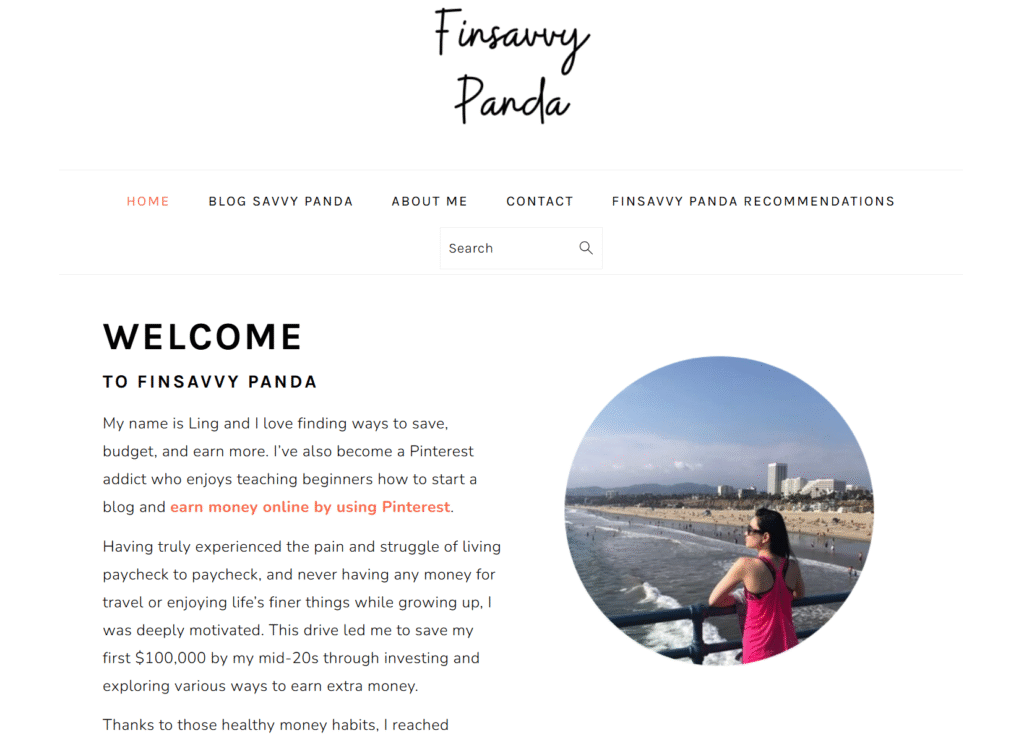
Finsavvy Panda discovered this early.
The blog attracts 100,000 monthly pageviews from Pinterest alone. Not Instagram. Not TikTok. Pinterest—the platform most bloggers completely ignore.
Here’s why this matters for you: Pinterest users are actually looking for solutions. They’re planning their financial futures, searching for budget templates, hunting for money-saving strategies. These aren’t casual scrollers—they’re motivated buyers.
And that’s exactly the audience you want when you’re monetizing through affiliate marketing.
The Real Money: Affiliate Programs That Actually Pay
Let’s talk numbers.
The bulk of Finsavvy Panda’s revenue comes from promoting tools their audience genuinely needs. We’re talking web hosting for aspiring bloggers, budgeting software for money-conscious readers, and financial planning resources for people serious about building wealth.
These aren’t random product recommendations slapped into blog posts like billboards on a highway.
Every affiliate link serves a purpose. The blog identifies what readers struggle with, finds high-quality solutions, then weaves those recommendations naturally into helpful content.
Domain purchases, email marketing platforms, course creation tools—each affiliate partnership targets a specific reader need. Some programs pay $50 per sale. Others pay $100 or more for premium tools.
When you’re driving 100,000 monthly visitors who trust your recommendations? Those commissions add up fast.
The eBook That Prints Money While You Sleep
Here’s where it gets interesting.
Finsavvy Panda created an eBook teaching readers how to leverage Pinterest for blog traffic. Not a revolutionary concept—except they’re teaching exactly what they used to build their own audience.
Meta? Absolutely. Profitable? You better believe it.
The eBook is prominently featured throughout the site, with clear landing pages showing exactly what buyers will learn. Topics include Pinterest SEO strategies, creating viral pins, converting Pinterest traffic into email subscribers, and monetization tactics that actually work.
This creates a beautiful feedback loop: Pinterest drives traffic to the blog, blog content builds trust, trust converts readers into eBook buyers, eBook teaches those buyers to replicate the same Pinterest strategy.
Genius, honestly.
Email Marketing: The Foundation of Recurring Revenue
Every successful finance blog has one thing in common—they’re obsessed with building their email list.
Finsavvy Panda uses strategic opt-in forms throughout the site, offering free resources in exchange for email addresses. Free budgeting templates, Pinterest checklists, money-saving guides—whatever it takes to get readers into their ecosystem.
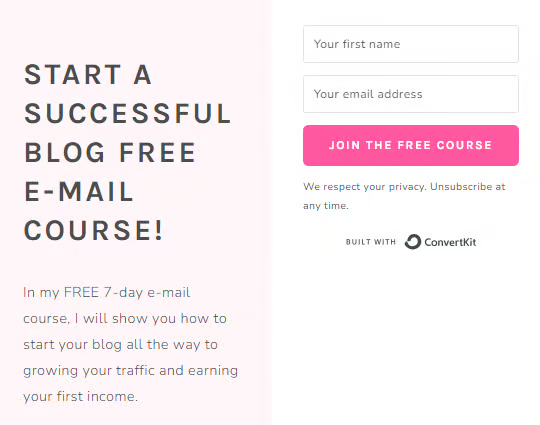
Once someone’s on that list? Regular newsletters deliver valuable content, exclusive deals, and personalized product recommendations directly to their inbox.
Email marketing generates higher conversions than social media, builds stronger customer loyalty, and gives you an audience you actually own. Pinterest could change its algorithm tomorrow—but your email list stays with you.
The Backlink Strategy That Boosted Everything
Here’s something that separates amateur bloggers from professionals earning five figures monthly.
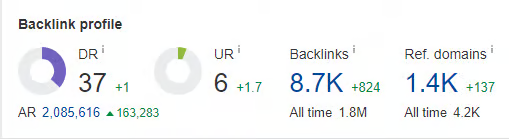
Authority websites are linking to Finsavvy Panda.
These backlinks from trusted, high-authority sites signal to Google that this blog provides legitimate value. The result? Better search rankings, more organic traffic, and increased credibility in the finance niche.
How do you earn quality backlinks? Create content so valuable that other sites naturally want to reference it. Comprehensive guides, original research, unique perspectives on money management—the kind of stuff that becomes the go-to resource in your niche.
What Could Make This Blog Even Stronger
No business is perfect. Even at $20K monthly, there’s room for growth.
The eBook currently sells primarily through the blog itself. But imagine if it was also available on Amazon, where millions of people search for money management books daily. Or platforms like SendOwl and Podia that expose products to entirely new audiences.
Multiple sales channels mean more revenue without creating additional products.
There’s also an opportunity for a membership community. With all that traffic, why not create a paid space where readers get premium Pinterest coaching, exclusive budgeting resources, and direct access to the blog founder?
Charge $20-$50 monthly, get 500 members, and suddenly you’ve added another $10K-$25K in recurring revenue.
Ad 🎯 Ready to put these strategies into action?
Theory is great, but execution is what drives growth. That’s where Max Business School™ comes in.
Inside, you’ll find step-by-step digital marketing courses (SEO, ads, email, social, content, and more) — taught by professionals, designed for beginners and business owners alike.
And the best part? It’s 100% free, online, and flexible.
→ Join Max Business School Today — Free
The Skills You Actually Need to Start
Let’s be honest about what it takes to build something like this.
You don’t need to be a certified financial planner. You don’t need a massive initial investment. You don’t need years of business experience.
You DO need to understand WordPress basics, SEO fundamentals, how Pinterest actually works, affiliate marketing principles, and email marketing strategy.
The good news? These are all learnable skills. Finsavvy Panda’s founder, Ling, started with a business degree and turned blogging into a five-figure monthly income. If she can learn these tactics, so can you.
Your Roadmap to Building This Business
Want to create your own finance blog empire? Here’s what the journey looks like:
Foundation Phase Set up a professional WordPress site, nail down your specific finance niche (budgeting for millennials, investing for beginners, debt payoff strategies), and start publishing valuable content consistently.
Traffic Building Master Pinterest marketing by creating eye-catching pins, optimizing for Pinterest SEO, and driving that visual platform traffic back to your blog. Supplement with basic Google SEO to capture search traffic.
Monetization Join affiliate programs relevant to your audience, create your first digital product (eBook, course, or template bundle), and build your email list from day one.
Scaling Expand your affiliate partnerships, develop additional digital products, consider launching a membership community, and explore sponsored content opportunities with finance brands.
The Bottom Line
Building a $20K monthly finance blog isn’t about getting lucky or having insider knowledge.
It’s about identifying where your audience hangs out (Pinterest), creating content they desperately need (money management tips), and monetizing through multiple streams (affiliates, digital products, ads).
Finsavvy Panda proves that with the right strategy, consistent execution, and a willingness to teach what you learn, you can turn a simple blog into serious income.
The finance niche isn’t going anywhere. People will always need help managing money, crushing debt, and building wealth.
The question is: will you be there to guide them?