
How a Kids Nutrition Blog Earns $10,000 Monthly
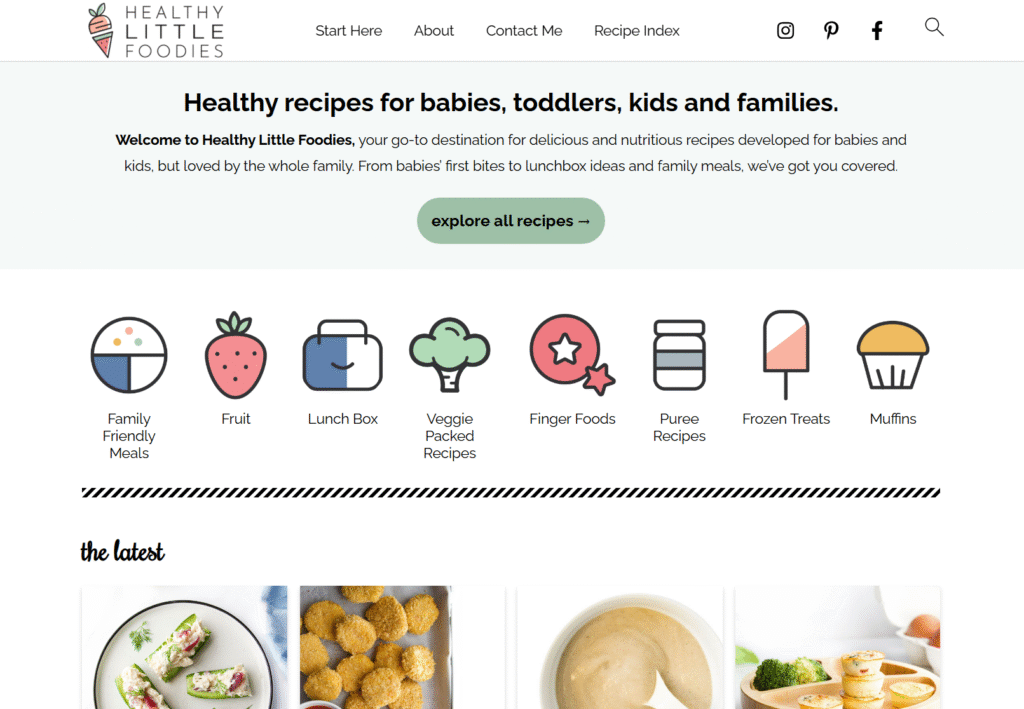
Amy Whiteford has a problem that most food bloggers would kill for.
She’s making over $10,000 every single month from a blog about feeding kids healthy meals.
No fancy culinary school degree. No TV show. No cookbook deal that launched the business.
Just a BSc in Food Science, a Certificate in Childhood Nutrition, and an uncanny ability to solve the problem that keeps parents awake at 3 AM: “How do I get my kid to actually eat vegetables?”
Her blog, Healthy Little Foodies, pulls in over 120,000 monthly visitors—every single one arriving through organic search. No paid ads. No viral TikTok videos. No influencer partnerships.
Pure, beautiful, compounding SEO that works while she sleeps.
Originally from Scotland and now based in Sydney, Australia, Amy built this business while navigating the chaos of parenting. She’s the recipe developer, the photographer, the writer, and the strategist behind every piece of content.
And here’s what makes this fascinating: the business model is deceptively simple, yet most parenting bloggers completely miss the execution details that make it actually work.
Ad 🎯 After studying 400+ business models, here’s what actually works for beginners…
Most “make money online” advice is garbage. Complex affiliate schemes. Dropshipping nightmares. Social media “influencing.”
We found something better: lead-generation funnels for manufacturers. Simple. Profitable. Fast results.
Our Max Incubator Phase 1 students are proof—they’re going from zero to their first $1,000 in 90 days with this exact model.
→ See the business idea that’s working for beginners this year
The Advertising Foundation That Funds Everything Else
Let’s start with the primary revenue driver: Mediavine advertising.
For those unfamiliar, Mediavine is a premium ad network that food bloggers dream about joining. They don’t accept just anyone—you need at least 50,000 monthly sessions before they’ll even look at your application.
Amy cleared that bar and never looked back.
Here’s why Mediavine matters more than standard ad networks:
Higher CPMs (cost per thousand impressions) mean more revenue per visitor. While basic ad networks might pay $2-5 per thousand pageviews, Mediavine publishers in the food space typically earn $15-30 or higher, depending on traffic quality and time of year.
Contextual advertising means the ads actually relate to the content. Someone reading “Easy Lunchbox Ideas for Picky Eaters” sees ads for kids’ snacks, lunchbox containers, or healthy food brands—not random garbage ads that make readers question your credibility.
This creates a better user experience while generating higher engagement (and thus higher revenue).
Automated optimization means Mediavine’s technology constantly tests ad placements, formats, and strategies to maximize revenue without Amy needing to micromanage anything. Set it up once, let it work continuously.
The beauty of this model? It scales with traffic. More visitors equal more pageviews equal more ad impressions equal more revenue. The content compounds over time as older posts continue ranking and generating passive income.
Food bloggers with Mediavine typically earn $20-50 per thousand pageviews, though exact numbers vary by niche, seasonality, and traffic quality. With 120,000 monthly visitors generating multiple pageviews each, Amy’s $10,000+ monthly income makes perfect sense.
The Collaboration Strategy That Supplements Core Revenue
Beyond advertising, Healthy Little Foodies generates income through brand collaborations.
The “Work With Me” page serves as a professional pitch platform showcasing:
- Previous collaboration partners and results
- Traffic statistics and audience demographics
- Types of partnerships available (sponsored posts, product reviews, brand partnerships, recipe development)
- Clear contact information for interested brands
This is light-years ahead of bloggers who wait for brands to magically discover them.
Amy proactively positions herself as a partnership opportunity for companies targeting parents of young children. Health food brands, kitchen equipment manufacturers, meal delivery services, children’s product companies—all have obvious alignment with her audience.
Sponsored content appears naturally within the blog’s regular publishing schedule. A post featuring a specific brand of whole grain pasta or organic applesauce doesn’t scream “ADVERTISEMENT”—it integrates seamlessly as a useful recipe or guide that happens to feature partner products.
The disclosure is clear and honest (as it legally must be), but the content remains genuinely helpful.
This approach maintains reader trust while generating revenue beyond advertising. Readers don’t feel manipulated or sold to—they feel served.
Successful food bloggers typically earn $500-5,000 per sponsored post, depending on traffic, engagement, and partnership scope. Even one or two collaborations monthly significantly supplements advertising revenue.
The Free eBook Strategy That Builds The Email Empire
Here’s where Amy demonstrates serious business savvy.
New visitors to Healthy Little Foodies can download a free comprehensive eBook covering factors that influence children’s eating habits.
This isn’t some thin, 5-page PDF with basic tips. It’s a substantial resource providing genuine value—the kind of guide parents would actually pay for if it weren’t free.
The exchange? Subscribe to the newsletter.
This single strategy accomplishes multiple objectives:
Immediate value delivery establishes trust and credibility. Someone who downloads the eBook and finds it genuinely useful immediately thinks “Wow, if the free content is this good, the paid stuff must be incredible.”
Email list growth creates the most valuable asset in online business. Social media followers can disappear if platforms change algorithms or shut down. Email subscribers belong to you directly.
Audience segmentation begins here. People who download an eBook about picky eating have different interests than those downloading meal planning guides. This allows for targeted email campaigns later.
Lead nurturing opportunity opens through automated email sequences welcoming new subscribers, providing additional value, and gradually introducing other resources and offerings.
The eBook serves as both a standalone value piece and the gateway to deeper engagement.
Email subscribers are worth 10-20x more than social media followers in terms of lifetime value, making this one of the highest-ROI strategies available.
The Visual Content Excellence That Separates Winners From Also-Rans
Most food bloggers understand they need photos.
Amy understands she needs exceptional photos combined with video guides.
Every recipe features:
- Multiple high-quality images showing the finished dish
- Step-by-step photos demonstrating key preparation stages
- Video guides walking through the cooking process
- Clear, well-lit photography that makes food look appealing
This multi-format approach serves different learning styles and preference patterns.
Some people prefer reading instructions. Others need to see each step visually. Many want to watch someone actually make the dish before attempting it themselves.
By providing all three formats, Amy maximizes the usefulness and accessibility of every recipe.
The photography quality deserves specific attention. Food photography is notoriously difficult—lighting, composition, styling all matter tremendously. Amateur food photos can make delicious dishes look unappetizing.
Amy’s background in food science combined with developed photography skills creates content that not only provides information but actually makes people want to cook the recipes.
This visual excellence directly impacts:
- Time on page (visitors stay longer looking at beautiful photos)
- Social sharing (people share visually appealing content more readily)
- Pinterest performance (vertical food photos dominate Pinterest algorithms)
- Trust and credibility (professional presentation signals expertise)
Posts with images receive 94% more views than text-only content, while video content generates 1200% more shares than text and images combined.
The Social Media Strategy That Actually Drives Traffic
Healthy Little Foodies has built significant followings on Facebook, Instagram, and Pinterest.
Here’s the strategic breakdown:
Pinterest functions as the primary traffic driver. With food and parenting content performing exceptionally well on the platform, Amy has built a presence that consistently sends thousands of visitors to the blog monthly.
Unlike Instagram where posts disappear into the feed abyss within hours, Pinterest pins continue generating clicks for months or years. One well-optimized pin featuring “15 Healthy Snacks Kids Actually Eat” can drive traffic indefinitely.
The Pinterest strategy focuses on:
- Vertical images optimized for mobile viewing
- Keyword-rich descriptions that help pins appear in searches
- Multiple pins per blog post to test performance
- Consistent pinning schedule maintaining presence
- Boards organized by topic (breakfast ideas, picky eaters, lunchboxes, snacks)
Instagram and Facebook serve different purposes—primarily brand building and community engagement rather than direct traffic generation.
These platforms allow Amy to:
- Share quick tips and recipes in visual format
- Engage directly with followers through comments
- Showcase personality beyond the blog
- Build community among parents facing similar challenges
- Share user-generated content from readers trying recipes
The combination creates a comprehensive social media presence that serves multiple business objectives rather than chasing vanity metrics on a single platform.
The SEO Excellence That Makes Everything Possible
Here’s the truth that makes or breaks food blogs: without traffic, nothing else matters.
Amy could have the best recipes, most beautiful photos, and most helpful content in the world. Without visitors discovering it, the business fails.
Healthy Little Foodies generates 120,000 monthly visitors entirely through organic search. This reveals exceptional SEO execution across multiple dimensions.

Keyword targeting focuses on terms parents actually search when facing mealtime challenges:
- “healthy breakfast ideas for toddlers”
- “how to get kids to eat vegetables”
- “easy lunchbox recipes for picky eaters”
- “nutritious snacks for preschoolers”
These long-tail keywords face less competition than broad terms while targeting highly motivated searchers actively looking for solutions.
Content comprehensiveness means each article thoroughly addresses the topic. No thin 400-word posts that say nothing. Detailed guides providing genuine value, multiple recipe options, practical tips, and troubleshooting advice.
Google increasingly favors comprehensive resources over keyword-stuffed thin content. Sites that thoroughly answer user questions earn higher rankings and maintain them longer.
Technical SEO fundamentals create the foundation:
- Fast loading times (critical for user experience and rankings)
- Mobile responsiveness (over 60% of traffic comes from mobile devices)
- Proper heading structure (H1, H2, H3 hierarchy)
- Schema markup for recipes (helps Google understand and feature content)
- Internal linking between related posts
- Clean URL structure
- Optimized images with proper alt text
Content freshness maintains and improves rankings over time. Amy regularly updates older posts with new photos, additional recipes, or refined instructions. Google rewards sites that maintain and improve existing content rather than abandoning it after publication.
The SEO results compound beautifully. Older posts continue ranking and driving traffic while new content builds on the established domain authority, ranking faster than it would on a newer site.
Organic search drives 53% of all website traffic on average, but for content-focused sites with strong SEO, that number often exceeds 80-90%.
The Printable Recipe Feature That Solves An Annoying Problem
Here’s a detail most people miss: Healthy Little Foodies offers printable recipes.
“Of course they do,” you might think. “Every food blog has a print button.”
True. But Amy’s printable recipes go beyond basic ingredient lists and instructions.
Each printable includes:
- Complete nutrition information (calories, protein, carbs, fats, vitamins)
- Preparation and cooking time estimates
- Additional notes and tips for successful execution
- Storage and reheating instructions
- Substitution suggestions for dietary restrictions
This transforms a simple recipe into a comprehensive cooking guide.
Parents can print these for meal planning binders, share with caregivers or grandparents, or reference while cooking without constantly scrolling on messy devices.
The psychology matters: people value what they can save and reference later. A printable recipe feels more substantial and useful than a webpage that might disappear or change.
This feature also subtly encourages email signups—some blogs gate their printable versions behind email capture, though Amy keeps hers freely accessible (smart move for user experience and SEO).
The Conversion Rate Optimization Nobody Discusses
Healthy Little Foodies maintains impressive performance scores despite featuring advertising and rich media content.
This is harder than it sounds.
Most blogs face a devil’s bargain: more ads mean more revenue but slower load times and worse user experience. The site becomes so cluttered and slow that visitors bounce before even seeing the content.
Amy has somehow threaded this needle beautifully.
Strategic ad placement puts ads where they generate revenue without destroying usability. No aggressive pop-ups. No auto-playing videos. No interstitials blocking content.
Well-designed CTA buttons guide visitors toward helpful next steps without feeling pushy or salesy. “Get the free eBook,” “Save this recipe to Pinterest,” “Join the newsletter”—all positioned strategically but not obnoxiously.
Clean design with good performance creates smooth experiences on both desktop and mobile. Pages load quickly. Navigation works intuitively. Content is easy to read.
This attention to conversion rate optimization (CRO) ensures that traffic translates into engagement and revenue rather than just vanity metrics.
Improving site speed from 5 seconds to 2 seconds can increase conversion rates by 30-50%, while poor mobile experiences cause 57% of visitors to leave and never return.
Where Healthy Little Foodies Could Explode With Growth
Despite generating solid five-figure monthly income, Amy is leaving money on the table.
Digital product lines represent the most obvious opportunity.
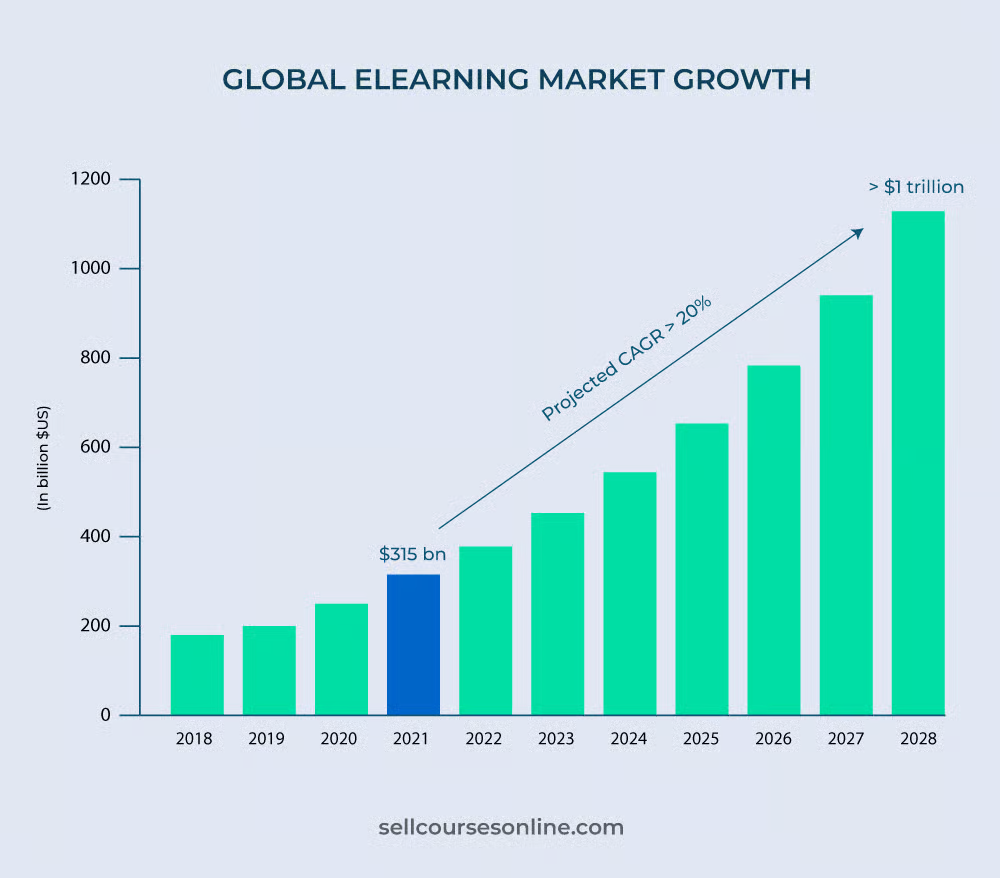
With her expertise and proven teaching ability, she could create:
Online courses like “Ending Picky Eating: A 30-Day Parent’s Guide” or “Meal Planning Mastery for Busy Parents” priced at $97-297. These package her knowledge into structured programs providing more comprehensive solutions than individual blog posts.
The beautiful part? Create once, sell indefinitely. Unlike advertising (which requires constant traffic) or collaborations (which require ongoing negotiations), courses generate revenue on autopilot after initial creation.
Meal planning services offering weekly menus with shopping lists, prep instructions, and nutritional information. Parents would gladly pay $19-29/month for this time-saving, stress-reducing service.
Recipe eBooks focused on specific challenges—”30 Lunchbox Recipes Picky Eaters Love” or “Quick & Healthy Weeknight Dinners Kids Actually Eat”—priced at $9-27. Lower price point than courses but easier impulse purchases.
Successful parenting bloggers report earning $5,000-20,000 monthly from digital products alone, often exceeding advertising revenue once products are established.
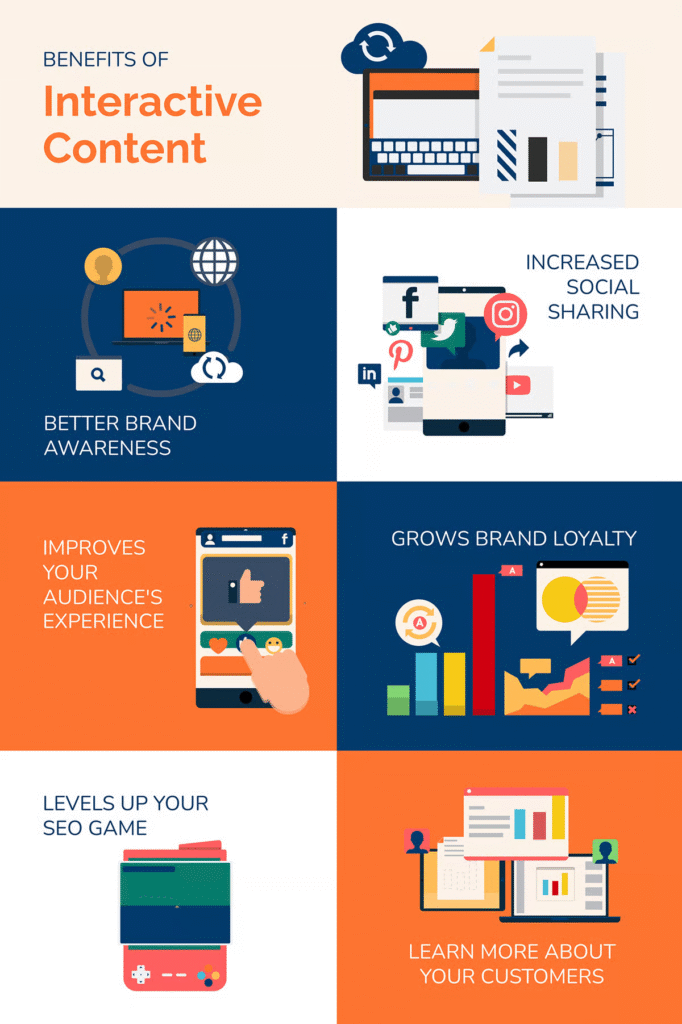
Interactive content could dramatically increase engagement and time on site.
Imagine:
Meal planning tools where parents input their kids’ preferences, dietary restrictions, and schedule constraints, then receive customized weekly meal plans with shopping lists.
Nutrition calculators helping parents understand whether their children are getting adequate nutrients from current eating patterns.
Picky eater quizzes diagnosing specific challenges and recommending tailored strategies and recipes.
Recipe builders allowing customization based on available ingredients, cooking time, and family preferences.
Interactive elements keep visitors engaged longer, provide personalized value, and create opportunities for email capture and product recommendations.
YouTube presence represents perhaps the biggest untapped opportunity.
Video content consumption continues exploding, with parents increasingly turning to YouTube for cooking demonstrations and parenting advice. Amy already creates video guides for recipes—why not publish them on YouTube where they can:
- Generate additional ad revenue through YouTube’s Partner Program
- Drive traffic back to the blog
- Build a second major audience platform
- Create opportunities for sponsorships and brand deals
- Provide evergreen content that compounds over time
The video content doesn’t even require new creation—she’s already filming for the blog. Republishing on YouTube with minor optimization adds a massive additional growth channel.
YouTube is the second-largest search engine, with cooking and parenting content consistently ranking among the most popular categories.
The Missing Community Engagement Opportunities
Healthy Little Foodies has built an audience. But has it built a community?
There’s a difference.
An audience consumes your content. A community engages with you and each other, creating network effects that amplify growth and monetization.
Current opportunities:
Private Facebook group for subscribers where parents share success stories, ask questions, support each other through picky eating challenges, and swap recipe ideas. Amy could participate occasionally while the community largely self-moderates.
This creates stickiness—people stay subscribed not just for the content but for the community connections.
Live Q&A sessions monthly or quarterly where Amy answers nutrition questions, demonstrates recipes, or discusses parenting challenges. These create real-time engagement and deepen relationships.
Recipe challenges encouraging followers to try specific recipes and share results with photos. Monthly themes like “Veggie Challenge” or “Lunchbox Innovation Month” with prizes for participants.
User-generated content campaigns featuring readers’ photos and stories, turning customers into brand ambassadors and providing authentic social proof.
Community building requires more active management than pure content creation, but the payoff comes through deeper engagement, higher lifetime value, and word-of-mouth growth that can’t be bought.
The Email Marketing Sophistication That’s Still Developing
Amy collects email addresses through the free eBook. Good start.
But the email strategy could become far more sophisticated and profitable.
Segmented sequences based on signup source and behavior would allow personalized communication. Someone who downloaded the picky eater guide has different needs than someone interested in meal planning.
Welcome sequences nurturing new subscribers through 5-7 automated emails introducing Amy’s story, providing quick wins, and showcasing best content would build stronger initial relationships.
Regular newsletters maintaining engagement between blog posts with quick tips, reader success stories, upcoming recipes, and exclusive content would keep the audience warm.
Product launch sequences when creating digital products would educate subscribers about the problem, build anticipation, and convert interested readers into customers.
Re-engagement campaigns for inactive subscribers would either revive dormant relationships or clean the list, improving deliverability for active subscribers.
The email list is Healthy Little Foodies’ most valuable asset. It deserves strategic attention beyond basic signup collection.
The Expertise That Makes Everything Credible
Amy’s BSc in Food Science and Certificate in Childhood Nutrition aren’t just credentials—they’re competitive moats.
In the parenting blog space where anyone with a smartphone can claim expertise, formal education creates immediate credibility differentiation.
When Amy writes about iron absorption or protein requirements for toddlers, readers trust the information because she has actual training, not just Google research and mommy blog opinions.
This expertise allows her to:
- Create more valuable, accurate content
- Confidently address complex nutrition questions
- Partner with premium brands seeking credible influencers
- Charge higher rates for consulting or courses
- Differentiate from less-qualified competitors
The credentials matter, but the passion matters more.
You can feel the genuine enthusiasm in every recipe introduction, every nutrition note, every response to reader questions. Amy isn’t phoning it in for ad revenue—she genuinely wants to help parents feed their kids better.
That authenticity can’t be faked, and readers sense it immediately.
Ad 🎯 Ready to put these strategies into action?
Theory is great, but execution is what drives growth. That’s where Max Business School™ comes in.
Inside, you’ll find step-by-step digital marketing courses (SEO, ads, email, social, content, and more) — taught by professionals, designed for beginners and business owners alike.
And the best part? It’s 100% free, online, and flexible.
→ Join Max Business School Today — Free
Skills Required To Build A Similar Business
Building a $10,000/month parenting blog doesn’t require superhuman abilities, but it does require specific skills.
Essential capabilities:
- Recipe development (creating dishes that actually work)
- Photography basics (smartphone cameras work initially)
- Clear writing (explaining processes simply)
- Basic SEO knowledge (keyword research, on-page optimization)
- Consistency (weekly publishing minimum)
- Social media basics (particularly Pinterest for food content)
You don’t need:
- Culinary school training (though nutrition knowledge helps)
- Professional photography equipment (start with phone, upgrade later)
- Massive budget (hosting starts under $10/month)
- Existing audience (built through content creation)
- Technical coding skills (WordPress handles most complexity)
Realistic timeline:
- Months 0-6: Minimal income, focus on content creation and SEO foundation
- Months 6-12: $0-500/month as traffic starts building
- Months 12-18: $500-2,000/month with continued growth
- Months 18-24: $2,000-5,000/month as compounding accelerates
- Months 24-36: $5,000-10,000/month with established authority
These timelines assume consistent quality content, smart SEO, and avoiding major mistakes. Some reach these milestones faster, many take longer.
The Parenting Blog Competitive Landscape
The parenting and food blog space is brutally competitive.
Thousands of mommy bloggers share recipes. Pinterest is saturated with meal prep content. Instagram influencers showcase picture-perfect lunchboxes.
Healthy Little Foodies succeeds by occupying a specific position: evidence-based nutrition advice for parents of young children, delivered by someone with actual credentials and real parenting experience.
This differentiates from:
- Lifestyle bloggers sharing random recipes without nutritional expertise
- Influencers focused on aesthetics over substance
- General parenting sites covering too many topics superficially
- Academic nutritionists who can’t translate science into practical meals
The combination of credentials, practical focus, and genuine helpfulness creates sustainable competitive advantage.
Continued success requires:
- Maintaining content quality and accuracy
- Staying current with nutrition research and guidelines
- Adapting to changing parent needs and concerns
- Building stronger brand recognition and community
- Continuously improving SEO and user experience
The parenting blog market continues growing at 7-9% annually, with nutrition and meal planning content consistently ranking among the most searched topics.
The Bottom Line On Building Income From Parenting Content
Amy Whiteford built Healthy Little Foodies into a $10,000+ monthly business through a proven formula: exceptional content + strong SEO + smart monetization + consistent execution.
She’s not doing anything revolutionary. She’s executing fundamentals at a high level:
- Creating genuinely useful content solving real parenting problems
- Optimizing for search engines to drive consistent organic traffic
- Monetizing through advertising and brand partnerships
- Building an email list as a strategic asset
- Providing multi-format content (text, photos, video)
- Maintaining technical excellence in site performance
- Leveraging social media strategically, particularly Pinterest
The untapped opportunities—digital products, YouTube, interactive content, community building—show significant growth potential beyond current revenue.
Parenting content blogging isn’t a shortcut to easy money. It requires consistent effort, genuine expertise, and time for compound growth to accelerate.
But it’s also one of the most proven paths to meaningful online income for parents wanting flexibility and autonomy.
The demand exists. The proven model is documented. The tools are accessible.
Key Takeaways:
- Premium ad networks like Mediavine generate substantially higher revenue than basic ad platforms
- Visual content quality directly impacts traffic, engagement, and revenue
- SEO excellence creates compound growth as older content continues ranking and generating traffic
- Email lists remain the most valuable asset, unaffected by platform algorithm changes
- Credentials and expertise create competitive differentiation in crowded markets
- Multi-format content (text, images, video) serves different learning preferences and maximizes usefulness
- Digital products, courses, and services offer expansion opportunities with high profit margins
- Pinterest drives more qualified traffic for food and parenting content than other social platforms
The roadmap exists. The proof is documented. The only remaining question: will you create something similar?