
How to Build a Blogging Education Business with Affiliate Income
You know what’s better than starting a blog?
Teaching others how to start one and getting paid while they succeed.
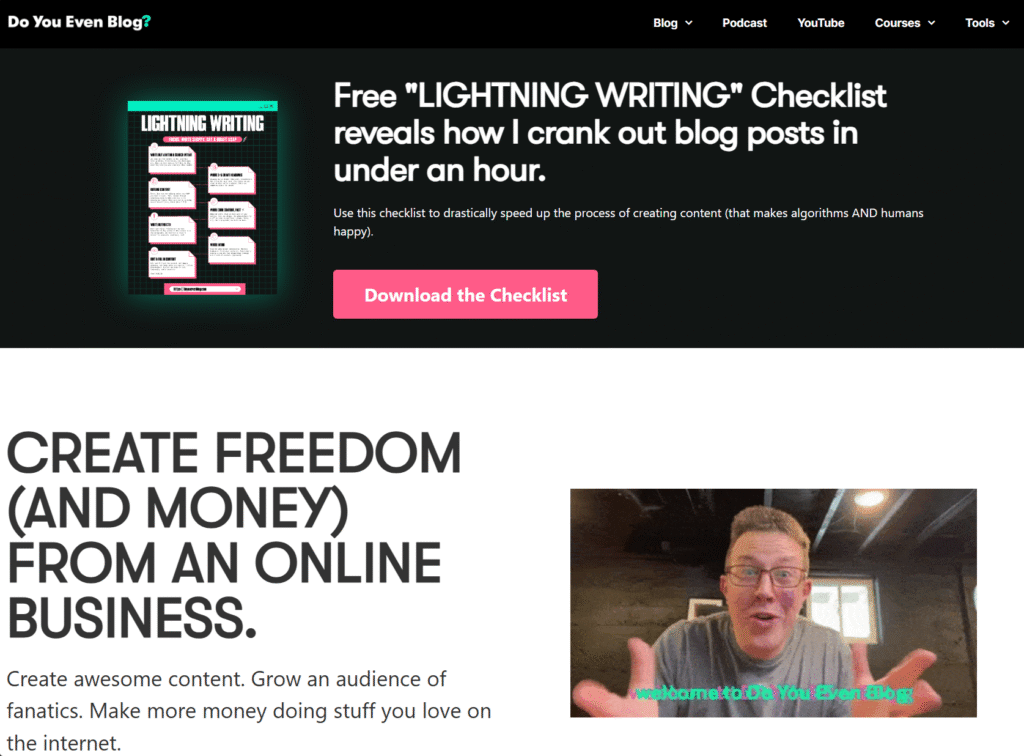
That’s exactly what Pete McPherson figured out when he ditched his accounting career to build Do You Even Blog—a thriving online education platform that monetizes through affiliate partnerships, courses, and strategic sponsorships.
Here’s the twist though.
His business model doesn’t rely on a single income stream. It’s a diversified machine that turns eager learners into revenue through multiple channels. And the best part? The foundation is surprisingly straightforward.
Ad 🎯 After studying 400+ business models, here’s what actually works for beginners…
Most “make money online” advice is garbage. Complex affiliate schemes. Dropshipping nightmares. Social media “influencing.”
We found something better: lead-generation funnels for manufacturers. Simple. Profitable. Fast results.
Our Max Incubator Phase 1 students are proof—they’re going from zero to their first $1,000 in 90 days with this exact model.
→ See the business idea that’s working for beginners this year
The Business Model That Prints Money While You Sleep
Do You Even Blog operates at the intersection of education and entrepreneurship. Pete created a digital hub where aspiring online business owners learn to monetize through blogging, podcasting, and YouTube.
But let’s talk numbers for a second.
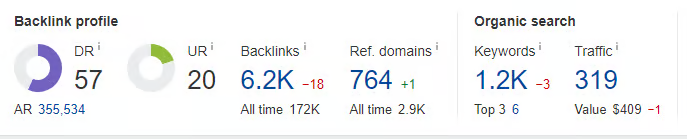
The site attracts a steady stream of visitors—ranking for 1,200 keywords with 6,000 backlinks. That’s not viral-sensation territory, but it’s the sweet spot for sustainable online income. It’s the kind of quiet success that pays your mortgage while you’re at the grocery store.
The revenue strategy breaks down into three core pillars:
Affiliate Marketing generates the lion’s share of income. Pete partners with tools bloggers actually need—Bluehost for hosting, ConvertKit for email marketing, and KWFinder for keyword research. Every time someone signs up through his recommendations, he earns a commission.
It’s passive income that compounds.
Digital Courses provide structured learning paths. From podcasting basics to YouTube monetization strategies, Pete packages his expertise into purchasable programs. These aren’t thrown-together PDFs either—they’re comprehensive training systems.
Sponsorships from relevant brands add a third revenue layer. When you’ve built credibility and traffic diversity, companies will pay to reach your audience.
What Makes This Business Actually Work
Most blogging advice sounds like “write great content and they will come.”
That’s garbage.
Pete’s approach is more calculated. He meets his audience across multiple platforms—blog posts, podcast episodes, email newsletters, and social media. Each touchpoint reinforces his authority while serving different learning styles.
The SEO strategy focuses on organic growth rather than paid advertising. By targeting keywords that actual entrepreneurs search for, he attracts visitors who are already interested in what he’s selling.
Think about it like this: Someone googling “how to start a podcast” is infinitely more valuable than a random person scrolling Instagram. They’re already problem-aware and solution-hunting.
Pete also dominates his niche through comprehensive coverage. Want to learn about blogging? He’s got you covered. Podcasting? Check. YouTube? Yep. This multi-topic authority positions him as a one-stop resource rather than a single-issue blogger.
The free resources scattered throughout the site? Those aren’t charity—they’re strategic lead magnets that build trust before asking for a purchase.
The Missing Pieces (And How You’d Fix Them)
Even successful businesses have blind spots.
Do You Even Blog’s website lacks a search bar. That might sound trivial, but when you’re hosting hundreds of articles, courses, and resources, visitors need an easy way to find what they need. Adding one in the top-right corner would instantly improve user experience and keep people on the site longer.
The bigger opportunity?
Scaling traffic through aggressive SEO optimization. With only 1,200 keyword rankings, there’s massive upside potential. Competitors in the business education space rank for tens of thousands of keywords.
This isn’t about working harder—it’s about working smarter. Targeting long-tail keywords, updating older content, and building more backlinks through guest posting could 3x the traffic within a year.
Ad 🎯 Ready to put these strategies into action?
Theory is great, but execution is what drives growth. That’s where Max Business School™ comes in.
Inside, you’ll find step-by-step digital marketing courses (SEO, ads, email, social, content, and more) — taught by professionals, designed for beginners and business owners alike.
And the best part? It’s 100% free, online, and flexible.
→ Join Max Business School Today — Free
What You Actually Need to Start Something Similar
Let’s cut through the fantasy and talk reality.
You don’t need a massive following or a trust fund. You need expertise in something people want to learn, the patience to create consistently, and the strategic thinking to monetize properly.
Skills Required:
- Content creation (writing, video, or audio—pick your medium)
- Basic SEO understanding
- Email marketing fundamentals
- Relationship building for affiliate partnerships
Tools You’ll Use:
- WordPress for your website (or similar CMS)
- Email service provider like ConvertKit or Mailchimp
- SEO tools like KWFinder or Ahrefs
- Hosting through providers like Bluehost or SiteGround
The Timeline: Most successful education businesses take 12-18 months to gain traction. Pete didn’t quit his accounting job on day one—he built this as a side project until it replaced his income.
The Strategic Moves That Separate Winners from Wannabes
Building a blogging education business isn’t about having the prettiest website.
It’s about positioning yourself as the trusted guide. Pete does this through multi-format content that serves different audiences. Some people prefer reading blog posts. Others want podcast episodes during their commute. Still others learn best through video.
Meeting your audience where they already spend time is marketing gold.
The affiliate strategy works because Pete only recommends tools he actually uses. His audience trusts his recommendations because he’s transparent about what works and what doesn’t. That authenticity converts visitors into buyers.
Sponsorships came later, after he’d built traffic and credibility. Brands like Teachable and others want access to engaged audiences. When you’ve got a loyal following interested in online business tools, companies will pay premium rates for exposure.
Case Study Reality Check
Pete McPherson’s journey from accountant to online business educator took years, not months. Do You Even Blog succeeds because it solves a specific problem for a defined audience—people who want to make money online but don’t know where to start.
The business currently generates steady income through diversified revenue streams. While exact numbers fluctuate with affiliate performance and sponsorship deals, the model proves you can build sustainable income teaching others to start their own ventures.
His website traffic of around 1,200 keyword rankings and 6,000 backlinks demonstrates solid SEO performance, though there’s significant room for growth compared to larger competitors like Smart Passive Income or Problogger.
The Bottom Line
Building an education business around blogging and online entrepreneurship works because demand is evergreen. People will always want to learn how to make money from home.
The model scales through affiliate partnerships that require zero inventory, courses that sell on autopilot, and sponsorships that reward your audience-building efforts.
You don’t need to be the world’s best blogger. You need to be helpful enough that people trust your recommendations and clear enough that they understand your teaching.
Pete McPherson proved that a straightforward approach, consistent output, and strategic monetization can replace a traditional career.
The question isn’t whether this model works.
It’s whether you’ll do the work to make it work for you.