
How to Build a Finance Blog Earning $15,000 Every Month
What if I told you someone generates $15,000 monthly by helping people save money?
Sounds contradictory, right?
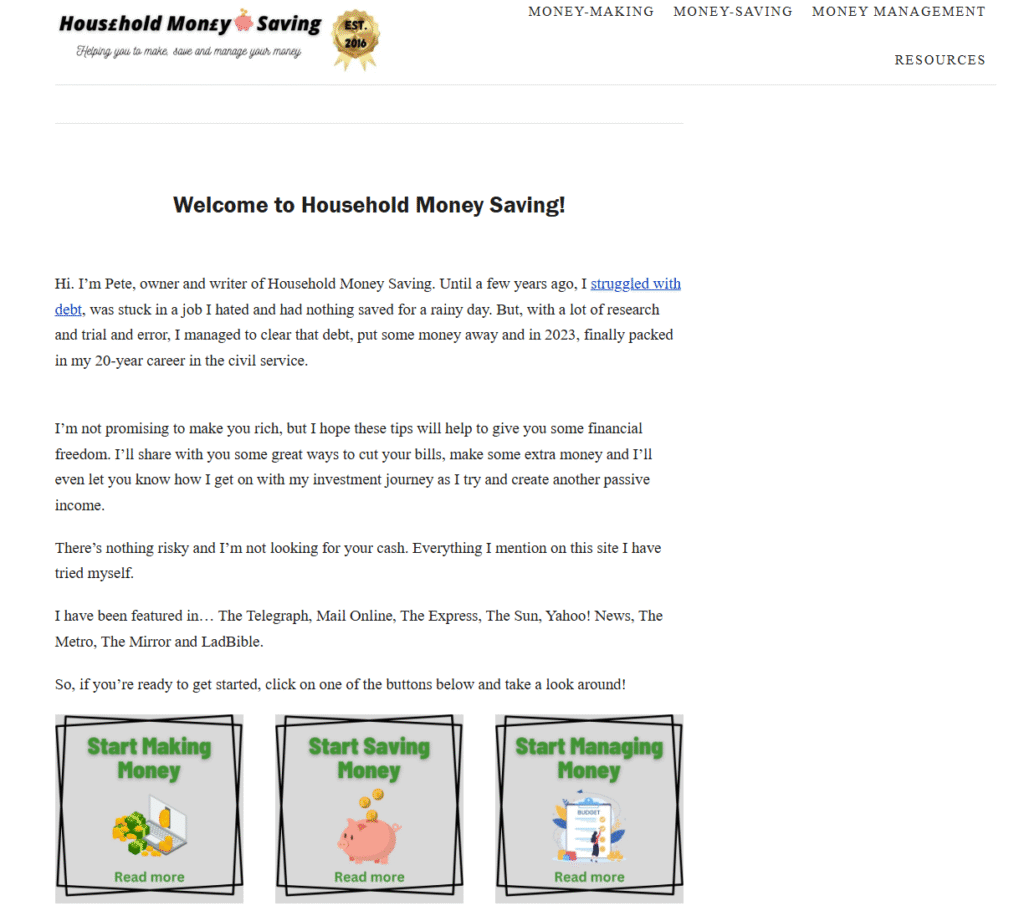
But here’s the fascinating truth: Pete Chatfield built Household Money Saving into a money-printing machine by teaching others to spend less. His blog pulls in over 138,000 monthly visitors and ranks for 74,000 keywords.
This isn’t luck. It’s a methodical approach to content creation, monetization, and audience building that anyone can learn.
Let me show you exactly how he did it.
Ad 🎯 Ready to put these strategies into action?
Theory is great, but execution is what drives growth. That’s where Max Business School™ comes in.
Inside, you’ll find step-by-step digital marketing courses (SEO, ads, email, social, content, and more) — taught by professionals, designed for beginners and business owners alike.
And the best part? It’s 100% free, online, and flexible.
→ Join Max Business School Today — Free
From Civil Servant to Full-Time Blogger
Pete spent two decades as a civil servant before making the leap to full-time content creation.
His origin story? He was drowning in debt and living in his overdraft despite having natural money management talent as a kid. Something had to change.
So he did what most people don’t: he actually researched solutions, tested strategies on himself, and documented what worked. Then he shared those experiences publicly.
That authenticity became his superpower.
According to Edelman’s Trust Barometer, 81% of consumers need to trust a brand before buying from them. Pete built trust by sharing his personal financial transformation—struggles, failures, and wins included.
The finance blogging space is crowded with generic advice, but Pete carved out his niche by offering tried-and-true methods backed by personal testing. Not recycled financial wisdom. Not clickbait listicles. Real strategies that actually changed his life.
The Revenue Model: Display Ads + Strategic Affiliates
Here’s where Pete’s approach gets interesting.
Most bloggers dabble with ads and half-heartedly throw in a few affiliate links. Pete weaponized both income streams strategically.
Display Advertising forms the foundation. Unlike typical blogs that place 2-3 ads per page, Household Money Saving injects 7-10 ad units into each post. Before you recoil in horror, understand this: with 138,000 monthly visitors, those extra ad placements translate to thousands in additional revenue.
Is it aggressive? Yes. Does it work? The $15k monthly income speaks for itself.
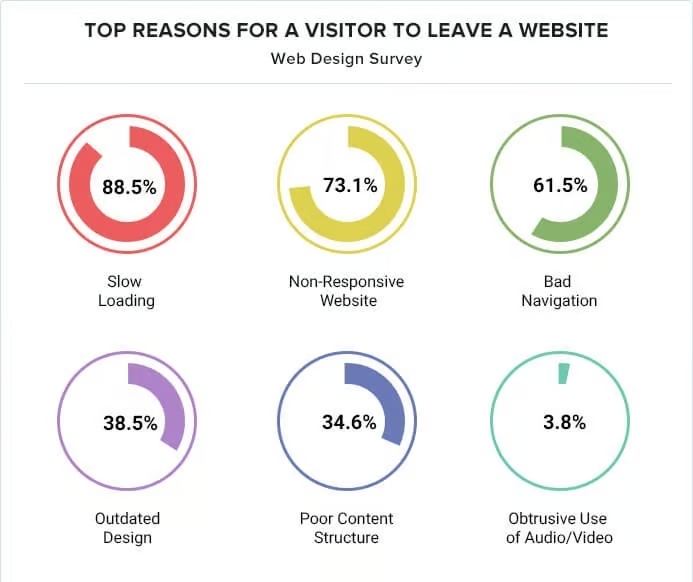
The key is balancing ad density with user experience. Pete’s pages load fast despite heavy ad presence, which keeps bounce rates manageable. Site speed is non-negotiable in this model—slow-loading ad-heavy pages kill conversions and SEO rankings.
Affiliate Marketing provides the second revenue pillar. Pete strategically inserts affiliate links throughout his content, focusing on financial tools, apps, and services his audience actually needs. He’s not promoting random products for commissions. He’s recommending solutions he’s personally vetted.
This aligned approach to affiliate marketing dramatically increases conversion rates. When readers trust your advice because you’ve tested it yourself, they click through and buy. According to Authority Hacker’s Affiliate Marketing Report, affiliate sites that personally test products see conversion rates 3-5x higher than those that don’t.
What Household Money Saving Gets Right
Pete’s success isn’t accidental. Several strategic decisions separate his blog from the thousands of failed finance sites.
Exceptional Website Speed keeps visitors engaged. In testing, pages load almost instantly despite heavy ad presence. Google rewards fast sites with better rankings, and users reward them with longer session times and more page views. Both directly impact revenue.

Personal Storytelling creates emotional connection. Pete shares his financial journey throughout the site—the debt struggles, the breakthrough moments, the gradual progress. This narrative transforms the blog from information source to relatable guide.
According to Nielsen Norman Group research, storytelling increases retention by up to 22x compared to facts alone. Readers remember stories, and they return to storytellers they trust.
Shareability is baked into every post. Social sharing buttons are prominent and functional. Content is formatted for easy consumption and redistribution. The result? Organic reach extends far beyond direct traffic.
Strategic CTAs guide visitors toward desired actions. Whether it’s subscribing to the newsletter, checking out a recommended app, or exploring related content, every post includes clear next steps. This intentional user journey design maximizes conversions.
Strong SEO Foundation drives sustainable traffic. With 74,000 keywords tracked and solid rankings for high-value terms in the personal finance space, Pete built an organic traffic engine that doesn’t rely on social media algorithms or paid ads.

Competitors like The Penny Hoarder and Making Sense of Cents dominate personal finance, but Household Money Saving carved out its niche through consistent SEO optimization and quality content.
The Glaring Growth Opportunities
Despite impressive revenue, Pete’s leaving serious money on the table.
Visual Design feels dated. The functionality is there, but the aesthetics scream 2015. In the age of beautifully designed finance apps and modern blogs, visual appeal matters more than ever. A design refresh could boost trust metrics and reduce bounce rates immediately.
Premium Digital Products represent massive untapped revenue. Pete could create in-depth eBooks, financial planning templates, or budget calculators. His audience already trusts his advice—many would happily pay for premium resources.
Finance bloggers like Ramit Sethi and Tiffany Aliche generate millions selling digital courses and products to the audiences they built through free content. Pete has the audience and authority to do the same.
Call-to-Action Optimization needs work. While CTAs exist, the copy could be more compelling. Instead of generic “Subscribe” buttons, imagine persuasive language like “Get My Free $500 Savings Challenge” or “Download the Exact Budget That Eliminated My Debt.”
Small tweaks to CTA language can double conversion rates. This isn’t theory—it’s proven through countless A/B tests across marketing platforms.
Social Media Engagement is underutilized. Pete has a Facebook following, but the content lacks interaction. Interactive posts like money-saving challenges, budget polls, or financial quizzes would dramatically boost engagement and extend reach.
According to Sprout Social’s Engagement Report, interactive content generates 2x more engagement than static posts. That engagement translates to traffic and revenue.
Strategic Ad Placement needs refinement. Ads appear even on pages like “About Us” and “Contact Us,” which diminishes professionalism. Restricting ads to content pages while keeping utility pages clean would improve user experience without significantly impacting revenue.
Ad 🎯 Ready to put these strategies into action?
Theory is great, but execution is what drives growth. That’s where Max Business School™ comes in.
Inside, you’ll find step-by-step digital marketing courses (SEO, ads, email, social, content, and more) — taught by professionals, designed for beginners and business owners alike.
And the best part? It’s 100% free, online, and flexible.
→ Join Max Business School Today — Free
The Skills Required to Build This
Let’s talk about what it actually takes to build a blog like Household Money Saving.
Content Creation Fundamentals sit at the core. You need to research topics, structure articles for readability, write compelling copy, and optimize for search engines. Pete’s posts are well-organized, easy to scan, and genuinely helpful—not accidental qualities.
SEO Knowledge separates successful blogs from invisible ones. Understanding keyword research, on-page optimization, link building, and technical SEO isn’t optional. These skills drive the organic traffic that makes the entire model work.
Resources like Moz’s Beginner’s Guide to SEO and Ahrefs’ SEO Training provide comprehensive foundations in search optimization.
Basic Web Development helps tremendously. You don’t need to code from scratch, but understanding WordPress, plugins, and website performance optimization makes execution faster and cheaper. Pete’s site speed advantage likely comes from smart technical decisions.
Monetization Strategy requires business thinking. Knowing where to place ads, which affiliate programs to join, how to negotiate better rates, and when to introduce new revenue streams determines your income ceiling.
The difference between a hobby blog and a $15k/month business often comes down to monetization sophistication.
What Starting Actually Looks Like
Here’s the truth about launching a finance blog:
You can start with almost nothing.
Pete didn’t begin with 138,000 monthly visitors. He started with zero. He didn’t begin with 74,000 keywords ranking. He started with one post.
Your first requirement is choosing a profitable niche within personal finance. Pete focused on practical money-saving strategies for everyday people—not complex investment strategies or cryptocurrency trading. He picked an angle he understood deeply and could write about authentically.
Your second requirement is consistent content creation. Pete’s success comes from publishing helpful content regularly over time. SEO rewards consistency and depth. You can’t publish three posts and expect thousands in monthly income.
Your third requirement is learning SEO basics before writing your first post. Understanding keyword research, title tag optimization, and internal linking from day one puts you years ahead of bloggers who try to retrofit SEO later.
Start by creating 10-20 genuinely helpful articles targeting long-tail keywords with lower competition. Focus on answering specific questions your target audience asks. Use tools like AnswerThePublic to discover real questions people search for.
Then apply for ad networks once you hit their traffic minimums and join relevant affiliate programs. Build email list from day one—that owned audience becomes increasingly valuable as privacy regulations limit other channels.
The Reality Check
Building a $15,000/month finance blog isn’t a get-rich-quick scheme.
Pete’s success required years of consistent effort, content creation, SEO optimization, and audience building. The timeline from launch to $15k monthly likely spanned 2-4 years of dedicated work.
But here’s what makes it worth considering: once built, a blog like this generates largely passive income. Pete isn’t trading hours for dollars. His content works 24/7, accumulating traffic, ad impressions, and affiliate commissions while he sleeps.
The personal finance niche remains incredibly lucrative. According to Google Trends data, searches for money-saving tips, budgeting advice, and financial planning have grown consistently year over year. The audience exists and actively searches for solutions.
The question is whether you have the expertise to help them and the commitment to build a platform that reaches them.
If you do, Household Money Saving just showed you exactly how it’s done.