
How to Build a Home Décor E-Store to $6K Monthly Revenue (Italian Success Story)
Here’s what most people don’t understand about e-commerce:
You don’t need revolutionary products to make serious money.
You need taste, timing, and a business model that actually works.
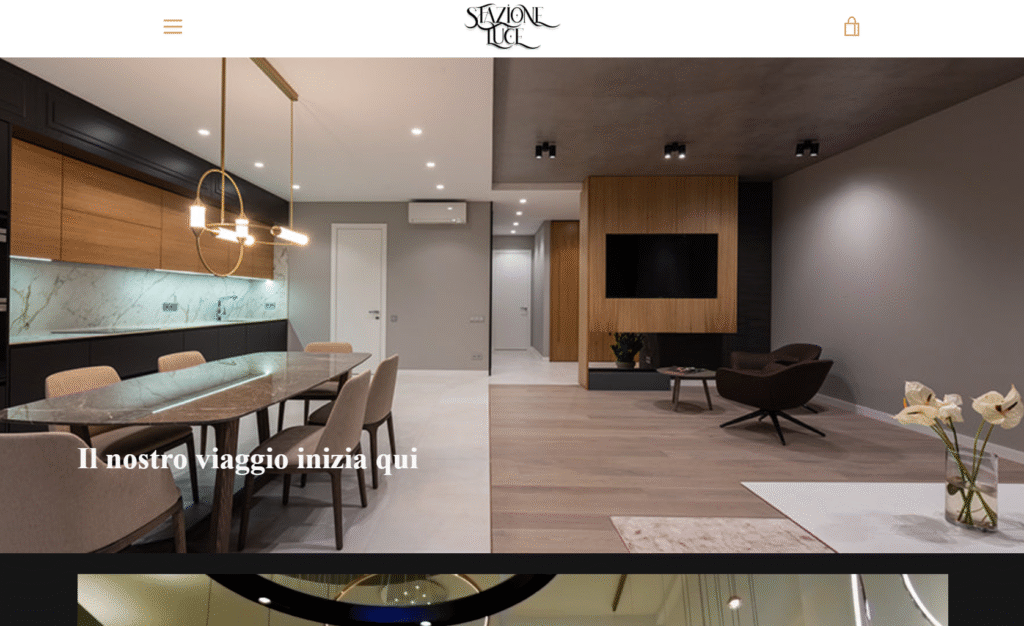
Case in point: an Italian home décor store called StazioneLuce that’s generating $5,953 monthly selling lighting fixtures and interior design pieces. Not through some complicated dropshipping arbitrage scheme or TikTok viral moments.
Through strategic product curation, smart logistics, and understanding that people will pay premium prices for things that make their homes look like they hired an interior designer.
The global home décor market is projected to reach $838.6 billion by 2027. StazioneLuce carved out their slice by focusing on aesthetic excellence, operational efficiency, and creating the kind of shopping experience that turns browsers into buyers.
Let me show you exactly how they built this.
Ad 🎯 After studying 400+ business models, here’s what actually works for beginners…
Most “make money online” advice is garbage. Complex affiliate schemes. Dropshipping nightmares. Social media “influencing.”
We found something better: lead-generation funnels for manufacturers. Simple. Profitable. Fast results.
Our Max Incubator Phase 1 students are proof—they’re going from zero to their first $1,000 in 90 days with this exact model.
→ See the business idea that’s working for beginners this year
The Business Model: How Selling Pretty Lights Generates $72K Annually
Most aspiring e-commerce entrepreneurs make the fatal mistake of thinking success requires finding products nobody else is selling.
Wrong.
StazioneLuce sells lighting fixtures—one of the most competitive categories in home décor. Their secret weapon isn’t what they sell. It’s how they sell it.
The Hybrid Dropshipping Strategy
Here’s where things get interesting.
StazioneLuce operates using a hybrid dropshipping model with warehouses strategically located in Germany and China. This isn’t traditional dropshipping where you’re at the mercy of 30-day shipping times and unreliable suppliers.
This is sophisticated inventory management.
The German warehouse serves European customers with fast shipping—crucial for the Italian market where buyers expect delivery within days, not weeks. The Chinese warehouse provides access to manufacturing at scale with lower costs for specific product lines.
This dual-warehouse approach creates several competitive advantages:
Faster shipping times: European customers receive orders within 2-5 business days instead of 2-5 weeks.
Lower return rates: When products arrive quickly and match descriptions, customers keep them. Slow shipping breeds buyer’s remorse.
Inventory flexibility: They can test new products without committing to massive inventory purchases upfront.
Cost optimization: Strategic use of both warehouses balances shipping speed against product costs.
The dropshipping market is expected to grow at 23.4% annually through 2030, but most dropshippers fail because they compete on price alone. StazioneLuce competes on curation and experience.
The Pricing Architecture: High-Ticket Plus Accessibility
Here’s another brilliant strategic decision:
They focus primarily on products priced above €200 (approximately $215 USD).
High-ticket items mean fewer sales required to hit revenue targets. Sell five €300 lamps monthly, and you’ve generated €1,500 from just five transactions. The profit margins on lighting fixtures typically range from 40-60% after costs.
But they don’t alienate budget-conscious shoppers entirely.
The product range includes carefully selected items under €200, creating entry points for customers not ready to commit to premium purchases. This tiered approach captures both ends of the market—the design enthusiasts willing to invest in statement pieces and the practical shoppers looking for stylish accents.
Consider the psychological positioning:
A customer browsing a €450 designer pendant light sees a €180 option. Suddenly €180 feels reasonable by comparison. That’s anchoring effect in action—the high-ticket items make mid-range products feel like bargains.
Revenue Breakdown: The Numbers Behind $6K Monthly
Let’s do the math on what $5,953 monthly actually means:
With average order values around €250-300 (estimated based on their product mix), they’re processing approximately 20-25 orders monthly. That might sound low, but remember—these are high-margin products with significant profit per sale.
At 50% profit margin (conservative for curated home décor), they’re netting roughly $3,000 monthly in actual profit. That’s $36,000 annually in take-home income from a business that can be largely automated.
The beauty of this model is scalability. Those numbers represent current performance without aggressive marketing. With strategic traffic generation, those figures could easily double or triple.
The Social Media Machine: 47K Followers Didn’t Happen By Accident
Let’s talk about what StazioneLuce absolutely crushes: visual marketing.
Instagram: The Primary Traffic Driver
With 47,000 followers and 228 posts, their Instagram presence is carefully curated visual storytelling.
This isn’t random product photos thrown online hoping for engagement. This is strategic content designed to inspire, educate, and convert.
Each post showcases their products in beautifully styled settings—not sterile product shots against white backgrounds, but real rooms with thoughtful design. This approach does two things simultaneously:
Demonstrates value in context: Customers see exactly how these pieces transform spaces, not just what they look like in isolation.
Builds aspiration: The imagery creates desire for a specific aesthetic lifestyle, not just individual products.
The Instagram shopping feature has transformed the platform into a legitimate sales channel. StazioneLuce leverages this by making every post shoppable—viewers can tap products and purchase without leaving Instagram.
But here’s what separates them from competitors drowning in sameness:
They understand that Instagram isn’t a billboard. It’s a magazine. Each post tells a story. A new apartment renovation featuring their lighting. A design trend explained through their product selection. Behind-the-scenes glimpses of sourcing trips.
This content attracts followers who care about design, not just people looking for cheap lighting. And those design-conscious followers convert at higher rates when they’re ready to purchase.
Pinterest: The Silent Revenue Generator
Here’s the metric most people miss:
218 followers but 299,400 monthly views on Pinterest.
Read that again. Their follower count is tiny. Their reach is massive.
This reveals sophisticated understanding of how Pinterest actually works. Unlike Instagram where followers matter, Pinterest is a search and discovery engine where individual pins gain algorithmic traction regardless of follower count.
Each product image becomes a potential traffic driver. Someone searching “modern pendant lighting” or “Italian interior design” discovers their pins, clicks through, and lands on the website ready to buy.
Pinterest users have 2x higher household income than average internet users and actively use the platform for purchase research. This isn’t casual browsing—it’s intentional shopping preparation.
StazioneLuce’s 299k monthly Pinterest views represent qualified traffic actively searching for design inspiration and ready to make purchase decisions. This is golden territory most e-commerce stores completely ignore.
TikTok: The Emerging Channel
With just 299 followers but posts consistently exceeding 200 likes—well above what follower count would predict—they’re tapping into TikTok’s interest-based algorithm.
The platform doesn’t show content only to followers. It shows content to people interested in the topic. Make a compelling video about interior design, and TikTok will show it to thousands of people who’ve demonstrated interest in home décor, regardless of whether they follow you.
This is algorithmic leverage at its finest.
A 15-second video showing a dramatic before-and-after lighting transformation can reach 50,000 people. Some percentage clicks the link in bio. Some percentage converts to customers.
The TikTok shopping integration makes this direct—users can purchase without leaving the platform.
The Website Experience: Why 87% Speed Score Matters
Let’s talk about something most entrepreneurs completely overlook until it’s costing them thousands in lost sales: website performance.
StazioneLuce scores 87% on GTmetrix speed testing. That’s not just a vanity metric—it’s a conversion optimization fundamental.

Here’s why this matters more than you think:
Every second of page load time reduces conversions by 7%. A five-second load time versus two seconds costs you 21% of potential sales. That’s real revenue disappearing because images weren’t optimized or hosting is cheap.
Google research shows 53% of mobile users abandon sites taking over three seconds to load. You’re losing half your potential customers before they even see your products.
StazioneLuce’s fast loading creates immediate positive first impression. The site feels professional, premium, reliable—adjectives that translate directly into purchase confidence.
The Design Philosophy: Aesthetics That Convert
Beyond speed, the visual design embodies their brand positioning.
Clean layouts with generous white space. High-resolution product photography showing details and context. Call-to-action buttons strategically colored to attract attention without clashing with the overall aesthetic.
This last detail is subtle genius—most e-commerce sites use bright red or orange CTA buttons because they “stand out.” StazioneLuce uses colors that complement their sophisticated design while still being visually distinct enough to guide action.
The result? Visitors don’t feel assaulted by aggressive sales tactics. They feel guided through a curated shopping experience.
The Conversion Optimization Elements
Strategic discount structures drive urgency without looking desperate:
- Free delivery on orders over €150
- Additional €20 off with promo codes
- 10% discount for newsletter subscribers
Each promotion serves multiple purposes:
The €150 free shipping threshold increases average order values. Someone with €140 in their cart adds one more item to hit the threshold.
The promo code creates trackable marketing channels. Different codes for different campaigns reveal which marketing efforts actually drive sales.
The newsletter discount captures email addresses—the most valuable asset in e-commerce—while making subscribers feel like insiders getting exclusive deals.
The Glaring Weaknesses (And Your Competitive Advantages)
Even $72K annual businesses leave money on the table.
SEO: The Missing Traffic Engine
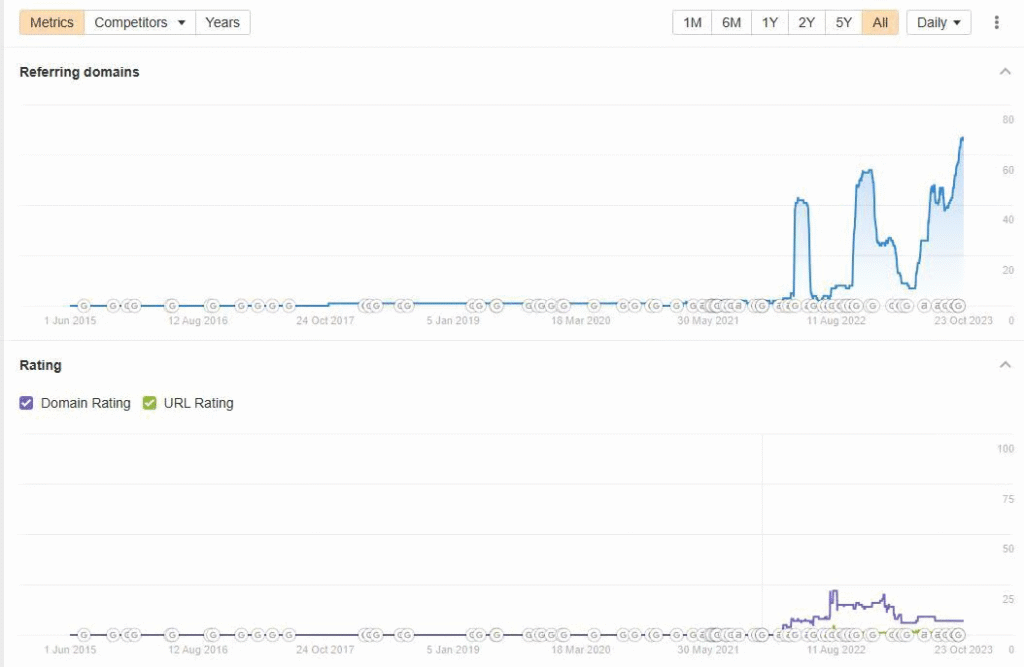
Using Ahrefs data reveals StazioneLuce ranks for minimal keywords and has few backlinks. This represents massive missed opportunity.
The home décor search volume includes millions of monthly searches for terms like:
- “modern pendant lights”
- “Italian lighting fixtures”
- “designer floor lamps”
- “luxury home lighting”
Each keyword ranking represents free, targeted traffic. StazioneLuce could easily 3-5x their organic traffic with strategic SEO implementation:
Blog content targeting design keywords: “How to choose pendant lighting for high ceilings” or “2024 Italian lighting design trends”
Optimized product descriptions: Including relevant keywords naturally while maintaining compelling copy
Technical SEO improvements: Proper schema markup, optimized images, internal linking structure
Backlink building: Partnerships with interior design blogs, home décor publications, design influencers
This isn’t complicated. It’s methodical execution of proven SEO fundamentals.
Language Barriers Limiting Market Size
Currently Italian-only, the website excludes the entire English-speaking market—the largest e-commerce demographic globally.
Adding English translation would:
- Open access to US, UK, Canadian, and Australian markets
- Increase potential customer base by 10x
- Enable international shipping expansion
- Position for global scaling
The global e-commerce market continues shifting toward cross-border purchases. Buyers in New York or London actively seek European design products.
Professional translation services cost $0.10-0.25 per word. Translating an entire e-commerce site with 50 product pages costs $1,000-2,500—negligible investment for potential revenue multiplication.
Missing Upsell and Cross-Sell Strategies
Currently absent: strategic product recommendations during checkout.
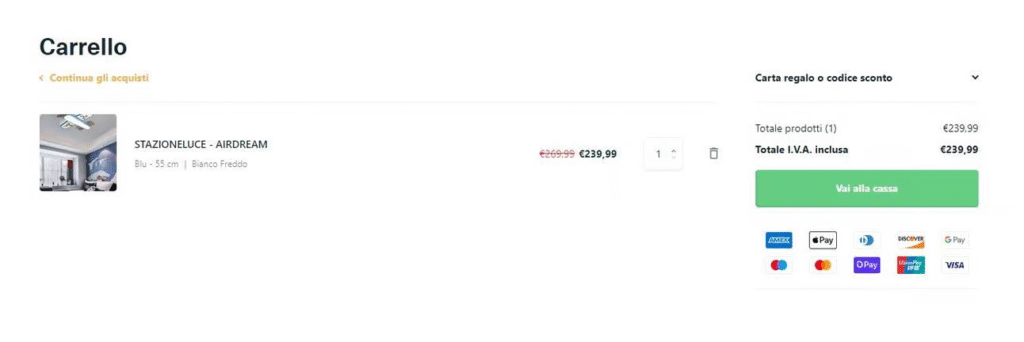
Someone buying a €300 pendant light represents demonstrated willingness to invest in quality lighting. The perfect moment to suggest:
- Matching wall sconces (upsell)
- LED bulbs specifically designed for that fixture (cross-sell)
- Extended warranty or installation services (value-add)
Amazon attributes 35% of revenue to recommendation engines. While StazioneLuce won’t match Amazon’s sophistication, even basic “customers also bought” recommendations could increase average order values by 15-25%.
Implementation is straightforward—most e-commerce platforms include recommendation plugins requiring minimal setup.
Ad 🎯 Ready to put these strategies into action?
Theory is great, but execution is what drives growth. That’s where Max Business School™ comes in.
Inside, you’ll find step-by-step digital marketing courses (SEO, ads, email, social, content, and more) — taught by professionals, designed for beginners and business owners alike.
And the best part? It’s 100% free, online, and flexible.
→ Join Max Business School Today — Free
The Skills You Actually Need to Build This
Let’s cut through the fantasy and talk about real requirements.
Product Curation Ability (The Real Secret Weapon)
You need taste.
Not just “I like pretty things” taste. Sophisticated understanding of design trends, quality indicators, and what specific customer segments want.
StazioneLuce’s products feel cohesive. There’s clear aesthetic direction—modern Italian design with clean lines and quality materials. This isn’t random products thrown together hoping something sells.
Developing this requires:
- Studying design magazines and trend reports
- Understanding customer demographics and preferences
- Recognizing quality versus cheap imitations
- Predicting what designs will remain appealing versus trendy
This skill develops over time through immersion in the design world and customer feedback analysis.
E-Commerce Platform Competence
You need technical ability to:
- Set up and customize Shopify/WooCommerce stores
- Manage product catalogs with proper organization
- Configure payment processing securely
- Handle shipping integrations and logistics
- Implement conversion optimization tactics
- Analyze sales data and customer behavior
None of this requires coding knowledge. But it does require comfort with technology and willingness to learn platform-specific systems.
Shopify powers 4.4 million e-commerce stores globally because it makes this accessible to non-technical founders. The learning curve exists but isn’t insurmountable.
Social Media Marketing Fundamentals
You need to:
- Create visually compelling content consistently
- Understand platform-specific algorithms and best practices
- Engage with communities authentically
- Run paid advertising campaigns effectively
- Analyze metrics to optimize performance
For design-focused e-commerce, visual content creation is non-negotiable. You either develop photography skills or budget for professional product photography.
Customer Service Excellence
High-ticket products demand high-touch service.
Someone spending €400 on lighting expects:
- Quick responses to questions
- Detailed product information
- Easy returns if needed
- Professional communication
Poor customer service destroys premium brand positioning faster than anything. Excel here, and customers become evangelists.
Why Home Décor E-Commerce Works (And Always Will)
People will always want their homes to look good.
Economic downturns might reduce discretionary spending on furniture, but they increase home improvement investment—when people can’t afford vacations, they invest in making their living spaces more enjoyable.
The remote work trend accelerated home design investment. People spending more time at home care more about their environment.
This market isn’t disappearing. It’s expanding.
StazioneLuce’s model works because:
- Products have clear value proposition (transform your space)
- Visual marketing naturally suits the products
- Profit margins support sustainable business
- Customer satisfaction leads to referrals and repeat purchases
The opportunity is real for anyone willing to develop taste, execute systematically, and build a legitimate brand.
The Bottom Line
StazioneLuce generates $5,953 monthly by understanding that e-commerce success isn’t about finding magical products nobody else sells.
It’s about:
- Strategic product curation creating cohesive brand identity
- Smart logistics enabling fast shipping at reasonable costs
- Visual marketing that inspires and converts
- Website experience that builds trust and removes friction
- Pricing strategy that captures both premium and accessible markets
Your version might focus on different design aesthetics—Scandinavian minimalism, bohemian maximalism, mid-century modern. The framework works regardless.
Find products people want. Present them beautifully. Make purchasing easy. Deliver on promises. Scale strategically.
The Italian lighting store proves you don’t need revolutionary ideas to build serious revenue. You just need to execute fundamentals exceptionally well.
The question is whether you’re ready to start building.