
How to Build a Photography SaaS Platform That Makes $12,000 Monthly
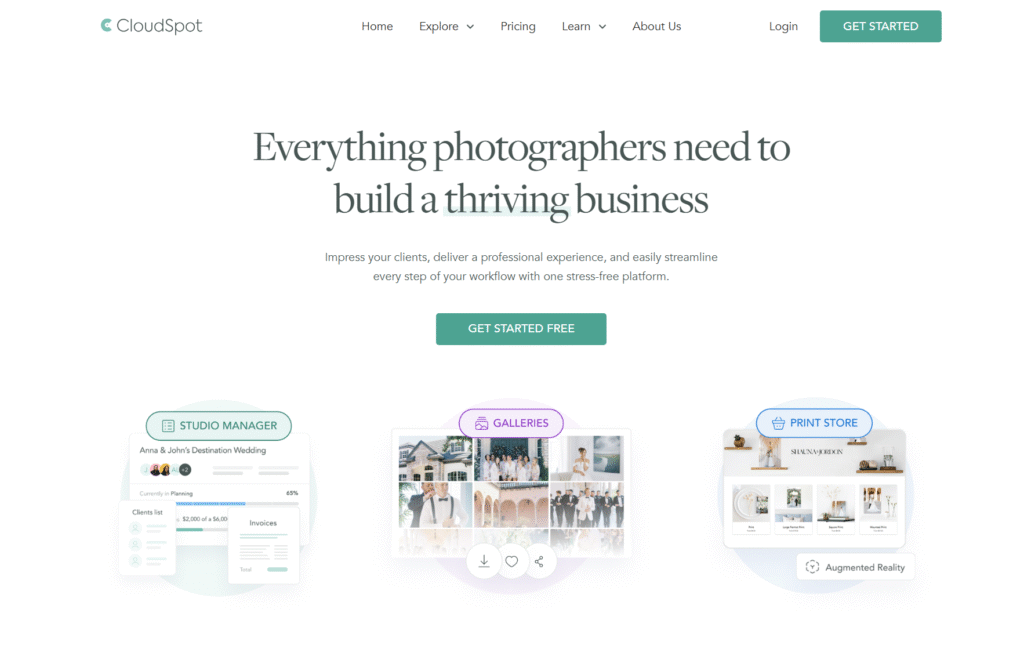
Most photographers hate technology.
They want to focus on what they love – capturing perfect moments, not wrestling with clunky file management systems or chasing clients for payments.
Gavin Wade understood this frustration intimately.
After shooting over 30 weddings annually in Southern California, he was drowning in administrative chaos. Hours spent organizing files, creating galleries, and managing client deliverables were stealing time from his actual passion: photography.
So he scribbled an idea on a napkin that would eventually become CloudSpot – a photography platform now generating over $12,000 monthly by solving problems every photographer faces.
But here’s what makes this story fascinating…
Gavin didn’t just build software. He built a business that serves a passionate, underserved community willing to pay premium prices for solutions that actually work.
Ad 🎯 After studying 400+ business models, here’s what actually works for beginners…
Most “make money online” advice is garbage. Complex affiliate schemes. Dropshipping nightmares. Social media “influencing.”
We found something better: lead-generation funnels for manufacturers. Simple. Profitable. Fast results.
Our Max Incubator Phase 1 students are proof—they’re going from zero to their first $1,000 in 90 days with this exact model.
→ See the business idea that’s working for beginners this year
The Problem Every Photographer Recognizes
Picture this: You’ve just shot a beautiful wedding. The couple is eagerly waiting to see their photos, but first you need to…
- Sort through thousands of images
- Edit the best shots
- Create an online gallery
- Send proofs to the client
- Handle revisions and final selections
- Process payments
- Deliver final high-resolution files
Each step involves different tools, platforms, and manual processes. It’s a logistical nightmare that turns creative professionals into part-time tech support.
Most photographers either spend a fortune on multiple subscriptions or waste countless hours with inefficient workflows.
Gavin saw this pain point and realized something crucial: photographers don’t want more technology – they want technology that disappears.
They need a platform so intuitive that it handles the boring stuff automatically, letting them focus on what they do best.
The Three-Tier Revenue Machine That Changed Everything
CloudSpot’s success isn’t built on complex pricing or confusing features…
It’s built on understanding exactly what different types of photographers need and pricing accordingly.
Tier 1: The “Getting Started” Hook
The entry-level plan targets new photographers or those testing the waters. It includes basic gallery functionality, limited storage, and essential client management tools.
Here’s the genius part: instead of charging monthly fees that might scare away newcomers, CloudSpot charges a 15% commission on sales made through the platform.
This means photographers only pay when they’re actually making money. No risk, no upfront investment – just results-based pricing that aligns CloudSpot’s success with their users’ success.
Tier 2: The “Serious Professional” Sweet Spot
Mid-tier photographers get unlimited galleries, enhanced storage, advanced client management, and custom branding options.
This plan targets established photographers who shoot regularly and need professional features without enterprise complexity.
The pricing hits that perfect balance: expensive enough to feel premium, affordable enough for working professionals to justify.
Tier 3: The “Studio Owner” Premium Experience
High-end studios and busy professionals get everything: unlimited storage, white-label solutions, advanced analytics, priority support, and integration capabilities.
This tier serves photographers who treat their business seriously and understand that the right tools are investments, not expenses.
But the real magic isn’t in the tiers themselves…
Why CloudSpot Dominates While Competitors Struggle
Most photography platforms make the same critical mistakes. They either oversimplify (missing crucial features) or overcomplicate (overwhelming users with options they’ll never use).
CloudSpot found the sweet spot by focusing on user experience over feature lists.
Gallery Examples That Sell Themselves
Instead of describing what their platform can do, CloudSpot shows potential customers exactly what success looks like.
Their website showcases stunning galleries created by real photographers using their platform. Visitors can see professionally designed templates, smooth user interfaces, and polished client experiences.
This approach is brilliant because photographers are visual people. They don’t want to read technical specifications – they want to see results they can achieve.
The Freemium Strategy That Actually Works
Most freemium models fail because they either give away too much (killing paid conversions) or too little (frustrating users into leaving).
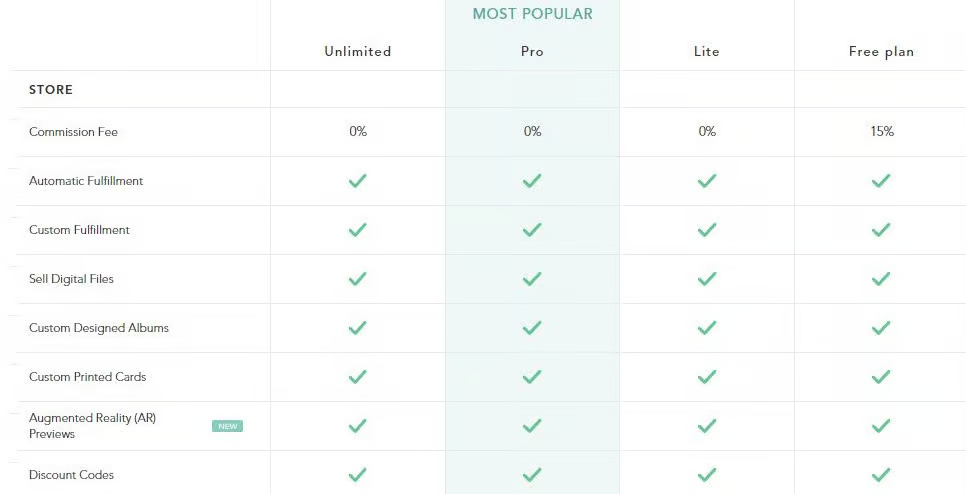
CloudSpot’s free plan includes enough functionality to be genuinely useful while creating natural upgrade pressure through limitations that matter.
Free users can create galleries and make sales, but they pay the 15% commission. As their business grows, that commission becomes more expensive than a monthly subscription, creating organic upgrade incentives.
Community Building That Creates Loyalty
CloudSpot maintains a private Facebook group exclusively for users. This isn’t just customer service – it’s community building that creates switching costs.
Members share photography tips, showcase their work, participate in Q&A sessions, and support each other’s businesses.
When photographers build relationships and get value from the community, they’re far less likely to switch platforms. The community becomes almost as valuable as the software itself.
Mobile-First Thinking in a Desktop World
While competitors focused on desktop experiences, CloudSpot recognized that clients increasingly view galleries on mobile devices.

They offer mobile app creation for photographers’ galleries, ensuring clients can browse, favorite, and purchase photos seamlessly from their phones.
This isn’t just about convenience – it’s about conversion rates. The easier it is for clients to buy, the more money photographers make, the more valuable CloudSpot becomes.
The Hidden Growth Opportunities Most SaaS Platforms Miss
Even with CloudSpot’s success, there are still untapped goldmines in this market…
Niche Community Targeting: Instead of marketing to “all photographers,” there’s huge opportunity in specializing. Wedding photographers have different needs than nature photographers or portrait specialists.
Imagine campaigns specifically targeting pet photographers, newborn specialists, or corporate headshot professionals. Each niche has unique pain points and specialized requirements.
Educational Content Monetization: Photography is a skill-based profession where people constantly want to improve. CloudSpot could create premium courses, workshops, or certification programs.
This isn’t just about additional revenue – it’s about positioning themselves as the authoritative platform in the photography space.
Referral Program Expansion: Photographers naturally network with each other. A robust referral program could turn satisfied customers into active salespeople, especially if rewards include both cash and platform credits.
Ad 🎯 Ready to put these strategies into action?
Theory is great, but execution is what drives growth. That’s where Max Business School™ comes in.
Inside, you’ll find step-by-step digital marketing courses (SEO, ads, email, social, content, and more) — taught by professionals, designed for beginners and business owners alike.
And the best part? It’s 100% free, online, and flexible.
→ Join Max Business School Today — Free
Your Blueprint for Building a Photography SaaS Platform
Ready to enter this market? Here’s your step-by-step roadmap…
Phase 1: Market Research and Validation (Weeks 1-4)
Identify Your Niche: While CloudSpot serves general photographers, you could focus on underserved segments like drone photographers, film photographers, or photography educators.
Research Pain Points: Join photography Facebook groups, Reddit communities, and forums. Read complaints about existing platforms. Look for frequently asked questions that indicate unmet needs.
Validate Demand: Create a simple landing page describing your proposed solution. Run targeted ads to photographers in your chosen niche. Measure interest through email signups or survey responses.
Analyze Competitors: Study not just CloudSpot, but also Pixieset, Pic-Time, ShootProof, and SmugMug. Identify gaps in their offerings or areas where user reviews indicate dissatisfaction.
Phase 2: MVP Development (Weeks 5-16)
Core Features First: Start with gallery creation, basic client management, and payment processing. Don’t build advanced features until you validate core functionality.
Design for Photographers: These are visual professionals who appreciate good design. Invest in clean, modern interfaces that reflect the quality they want to project to their own clients.
Mobile Optimization: Ensure your platform works flawlessly on mobile devices. Test extensively on different screen sizes and connection speeds.
Security and Backup: Photographers’ work represents their livelihood. Build robust security, automatic backups, and redundant storage from day one.
Phase 3: Launch and Early Customer Acquisition (Weeks 17-26)
Freemium Model: Offer a genuinely useful free tier that lets photographers experience value without financial commitment. Plan your upgrade triggers carefully.
Content Marketing: Create blog posts, tutorials, and guides that help photographers improve their businesses. SEO-optimize for terms like “photography client management” and “online photo gallery.”
Social Media Strategy: Focus on visual platforms like Instagram and Pinterest. Share customer success stories, gallery examples, and behind-the-scenes content.
Photography Community Engagement: Attend (virtual or in-person) photography meetups, workshops, and conferences. Sponsor events or offer free accounts to workshop attendees.
Phase 4: Growth and Optimization (Months 7-18)
Feature Development: Based on user feedback, add features that solve real problems. Consider integration with popular photography tools like Lightroom or Capture One.
Customer Success: Implement onboarding sequences, tutorial content, and proactive customer support. Happy customers become your best marketing channel.
Referral Program: Launch a program that rewards photographers for successful referrals. Consider offering both monetary rewards and platform credits.
Advanced Analytics: Provide photographers with insights about their gallery performance, client behavior, and sales patterns. Data becomes a competitive advantage.
The Skills You’ll Need to Compete
Building a successful photography SaaS requires more than coding ability…
User Experience Design: Photographers are creative professionals with high standards for design and usability. Your platform needs to feel as polished as the work they produce.
Photography Industry Knowledge: Understanding photographers’ workflows, terminology, and pain points is crucial. Consider partnering with working photographers as advisors.
Cloud Infrastructure: You’ll handle large image files and need reliable, fast delivery worldwide. Learn about CDNs, image optimization, and scalable storage solutions.
Payment Processing: Integration with payment processors, handling international transactions, and managing commission structures require financial technology expertise.
Customer Success: SaaS success depends on retention, not just acquisition. Develop skills in onboarding, user education, and proactive customer support.
The Bottom Line
While everyone chases the latest tech trends, there’s serious money in serving creative professionals who need better tools for their businesses.
Photographers represent a perfect SaaS market: they’re passionate about their work, willing to pay for solutions that save time, and constantly networking with peers who face similar challenges.
CloudSpot proved it’s possible to build a substantial business by focusing on user experience over feature bloat, community building over traditional marketing, and genuine problem-solving over quick profits.
The photography industry is massive and still largely underserved by technology platforms that truly understand creative workflows.
The question isn’t whether there’s opportunity in this market – CloudSpot’s success proves there is.
The question is whether you’re willing to commit to understanding photographers’ real needs and building solutions that make their businesses more successful.
Because that’s what separates the SaaS platforms making serious money from those struggling to find product-market fit.
Focus on making photographers more successful, and success will follow.