
How to Build a Plant Care Blog Earning $20K Monthly Through SEO

Raffaele Di Lallo killed a lot of houseplants before he figured out how to keep them alive.
Now he makes $20,000 per month teaching other people to not make the same mistakes.
His blog, Ohio Tropics, attracts 173,000 organic visitors monthly—people actively searching for solutions to their dying fiddle leaf fig or overwatered pothos. And every one of those visitors represents potential income through display ads, Amazon affiliate commissions, and book sales.
Here’s what makes this fascinating.
Raffaele isn’t an influencer with millions of followers. He’s not doing viral TikTok dances with spider plants. He’s just ranking #1 on Google for hundreds of plant care questions and letting search engines do the heavy lifting.
It’s the anti-viral approach to building wealth online.
Ad 🎯 After studying 400+ business models, here’s what actually works for beginners…
Most “make money online” advice is garbage. Complex affiliate schemes. Dropshipping nightmares. Social media “influencing.”
We found something better: lead-generation funnels for manufacturers. Simple. Profitable. Fast results.
Our Max Incubator Phase 1 students are proof—they’re going from zero to their first $1,000 in 90 days with this exact model.
→ See the business idea that’s working for beginners this year
The Three-Pronged Revenue Machine
Ohio Tropics generates $20,000 monthly through a diversified income model that doesn’t rely on any single platform or partnership.
Display Ads Through Mediavine provide the consistent baseline income. Mediavine is a premium ad network that only accepts sites with significant traffic—Ohio Tropics qualifies easily with 173,000 monthly visitors.
Here’s how the math works.
Mediavine typically pays $15-$30 RPM (revenue per thousand impressions). At 173,000 monthly visitors generating roughly 400,000 page views, that’s $6,000-$12,000 from ads alone. The actual number varies based on season, ad rates, and user engagement, but it’s reliable money that arrives whether Raffaele works that month or not.
Amazon Affiliate Commissions add substantial income through a carefully curated storefront. When someone clicks through to buy a grow light, moisture meter, or potting mix, Raffaele earns a percentage. Amazon’s commission rates for home and garden products hover around 3-4%, but volume makes up for lower percentages.
His affiliate storefront organizes products by category—lighting, soil, pots, tools—making it stupid-easy for visitors to find what they need. The products get regularly updated based on what’s actually working, not just whatever pays the highest commission.
That credibility converts.
Book Sales from two ebooks and one hardcover book create a third revenue stream. Raffaele leveraged his blog authority to become a published author. The books don’t just generate income—they reinforce his expertise, which drives more blog traffic, which increases ad revenue and affiliate sales.
It’s a self-reinforcing loop.
The SEO Strategy That Prints Money
Most plant blogs post pretty pictures on Instagram and hope for the best.
Raffaele did something smarter.
He targeted low-difficulty, high-volume keywords that plant owners actually search for. Think “yellow leaves on monstera” or “how often to water snake plant”—specific problems with clear search intent.
The content-led SEO strategy focuses on comprehensive guides rather than quick tips. His posts typically run 2,000+ words with detailed care instructions, troubleshooting sections, and visual examples. Google rewards that thoroughness with higher rankings.
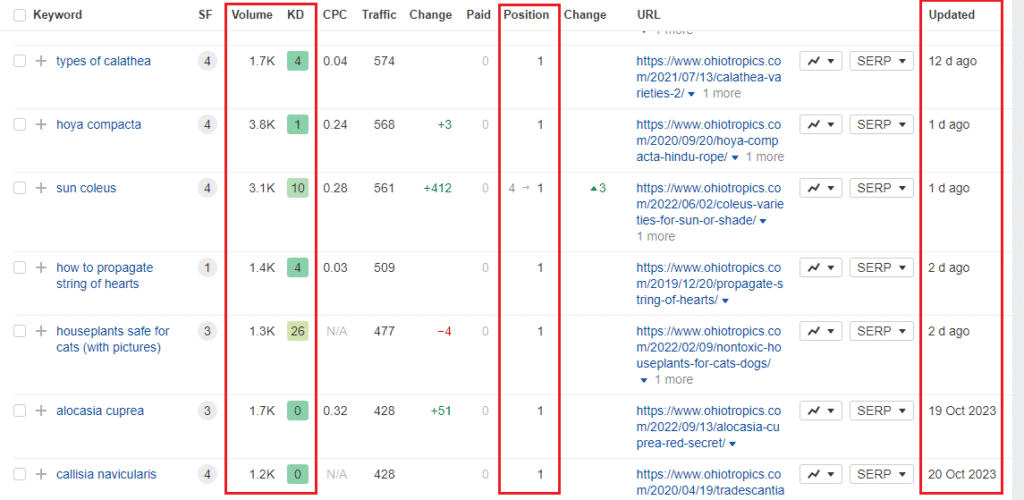
Every piece of content targets relevant keywords while remaining genuinely helpful. He’s not keyword-stuffing garbage—he’s answering the exact questions people type into search bars.
The results speak for themselves: 173,000 organic visitors per month. That’s traffic you don’t pay for. No Facebook ads. No Instagram sponsorships. Just consistent ranking for terms people actively search.

Here’s why that matters economically.
Paid traffic costs money every single day. The moment you stop paying, the traffic stops. Organic traffic compounds over time. Articles written two years ago still drive traffic today. It’s an asset that appreciates rather than a liability that drains resources.
The Email Strategy Hidden in Plain Sight
Ohio Tropics uses a mini email tutorial as a lead magnet to capture subscriber emails.
Simple. Effective. Often overlooked.
Most bloggers throw up a “subscribe to my newsletter” box with zero incentive. Raffaele offers immediate value—a free tutorial teaching something specific and useful. People exchange their email address because they’re getting something tangible in return.
Once on the email list, subscribers receive helpful content, product recommendations, and subtle promotions for books or affiliate products. The email marketing funnel nurtures relationships over time, converting casual readers into buyers.
Think about the lifetime value of a subscriber. One person might visit the blog once and generate $0.10 in ad revenue. That same person on an email list might purchase $200 worth of products through affiliate links over the next year while clicking on 50+ blog posts (generating additional ad revenue).
Email lists transform one-time visitors into recurring customers.
What Most Plant Bloggers Get Catastrophically Wrong
The plant blogging space is crowded with gorgeous photography and vague advice.
Ohio Tropics wins by being specific. Not “give your monstera bright light”—but rather “place your monstera 3-5 feet from an east-facing window for ideal light conditions.”
Niche expertise establishes authority. Raffaele earned certificates in Home Horticulture and Green Gardening. He appears on local TV. The New York Times mentioned his book. These credentials aren’t just vanity—they’re social proof that converts skeptical visitors into trusting buyers.
His content demonstrates depth of knowledge that Instagram influencers simply can’t match. When you’ve grown hundreds of plants and documented what works (and what doesn’t), your advice carries weight.
User experience optimization makes the site pleasant to navigate. Clear menus, fast loading times, organized categories, and a search function help visitors find answers quickly. Most plant blogs are beautiful disasters where you can’t find anything. Ohio Tropics prioritizes function over flash.
That might sound boring, but it makes money.
Visual content enhances written guides. Raffaele includes photos showing healthy plants, common problems, and step-by-step care processes. People learn better with visual aids, and images improve SEO by keeping visitors on the page longer.
The Opportunities He’s Leaving on the Table
Even at $20,000 monthly, there’s room for growth.
Social media integration is barely visible. The social icons hide on the About page instead of the header or footer where visitors expect them. This isn’t just aesthetics—it’s missed opportunities for audience building across platforms.

Competitors like The Sill and Bloomscape leverage Instagram and Pinterest to drive traffic back to their sites. Ohio Tropics could easily add 20-30% more traffic by being more visible on social platforms.
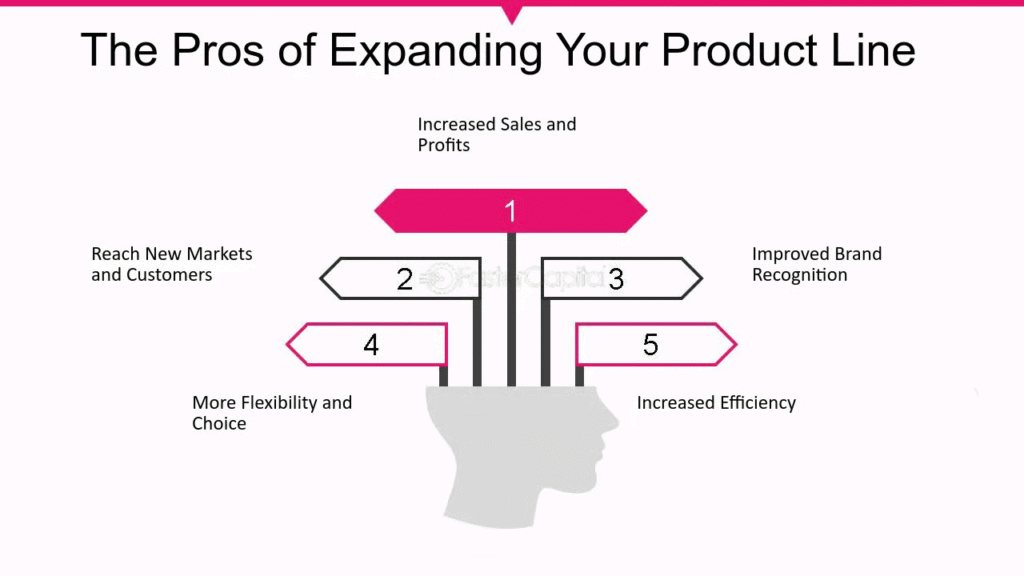
Digital product expansion represents the biggest untapped opportunity. Online courses teaching topics like “Houseplant Basics for Beginners” or “Advanced Propagation Techniques” could add $5,000-$10,000 monthly with the existing audience.
The traffic is already there. The trust is established. Creating a course is just packaging existing knowledge in a structured format and charging for it.
Product bundles combining ebooks with other resources would increase average transaction value. Instead of selling one ebook for $15, bundle it with a printable care guide and video tutorial for $39. Same effort, higher revenue per customer.
Ad 🎯 Ready to put these strategies into action?
Theory is great, but execution is what drives growth. That’s where Max Business School™ comes in.
Inside, you’ll find step-by-step digital marketing courses (SEO, ads, email, social, content, and more) — taught by professionals, designed for beginners and business owners alike.
And the best part? It’s 100% free, online, and flexible.
→ Join Max Business School Today — Free
What You Actually Need to Start a Plant Blog
Let’s demolish the fantasy that you need a greenhouse full of rare plants and a photography degree.
Essential Skills:
- Writing clearly about plant care basics
- Basic photography (smartphone is fine)
- SEO fundamentals (keyword research, on-page optimization)
- Patience to let content compound over 12-18 months
Required Tools:
- WordPress website ($10-20/month for hosting)
- SEO tool like Ahrefs or Ubersuggest ($50-100/month)
- Email marketing platform (ConvertKit or Mailchimp)
- Amazon Associates account (free)
- Mediavine or similar ad network (requires 50,000 monthly sessions)
The Timeline Reality: Raffaele started Ohio Tropics as a side project while working a regular job. The first year generated maybe $100/month. Year two brought it to $1,000-$2,000/month. By year three, it replaced his salary.
Building to $20,000/month took consistent effort over several years—not months. There’s no shortcut past creating hundreds of helpful articles and waiting for Google to recognize your authority.
The Strategic Brilliance of the Evergreen Niche
Plant care is an evergreen niche in both senses of the word.
People will always need help keeping houseplants alive. That demand doesn’t change based on trends or seasons (okay, it spikes slightly in spring, but the baseline remains constant). You’re building assets that stay relevant for years.
Compare that to tech blogs where content becomes outdated in months or fashion blogs where trends shift seasonally. Plant care advice from three years ago still works today.
Content longevity means older articles continue generating income indefinitely. A post written in 2020 about “How to Care for a Snake Plant” still ranks, still drives traffic, and still earns ad revenue in 2025.
That’s genuine passive income.
Low competition for specific queries makes ranking achievable. Sure, “houseplants” is competitive. But “why are my calathea leaves crispy” is wide open. Targeting specific problems that plant owners search for gives you a realistic path to page-one rankings.
Monetization diversity protects against platform changes. If Amazon changes commission rates, ad revenue compensates. If ad rates drop, affiliate income picks up the slack. Multiple revenue streams create stability.
The Bottom Line on Plant Blogging Profits
The plant care niche proves you can build substantial income without being an influencer or going viral.
Raffaele’s success comes from consistently answering specific questions better than anyone else, optimizing for search engines rather than social media algorithms, and monetizing through multiple channels that compound over time.
You don’t need rare plants or professional photography. You need expertise (or the commitment to develop it), the discipline to publish regularly, and the patience to let organic traffic compound.
The model works because demand is evergreen, competition for specific queries is manageable, and search traffic converts better than social media traffic. People searching “how to save a dying monstera” have immediate intent—they need help right now.
That urgency drives clicks, time on site, and ultimately, revenue.
Raffaele transformed a hobby into a $20,000 monthly business by teaching others to keep plants alive.
The only question is what knowledge you have that others would pay to learn.