
How to Build an SEO Teaching Business Earning $10,000 Monthly
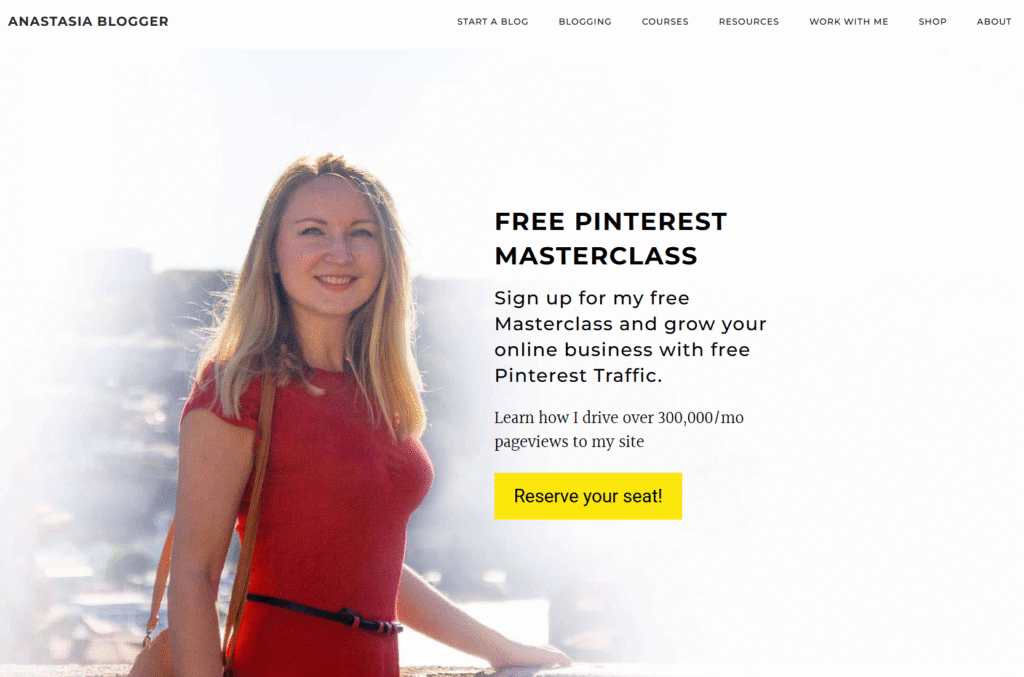
What if you could earn $10,000 per month teaching people the same digital marketing skills you use every day?
Sounds almost too convenient, right?
But here’s the fascinating reality: Anastasia spent a decade working for digital agencies mastering SEO, social media marketing, and online advertising. Then she packaged that expertise into courses, coaching, and content that now generates five figures monthly.
No celebrity status required. No massive ad budgets. Just proven knowledge delivered strategically across multiple platforms.
And the best part? The online education market is practically begging for more skilled instructors who actually know what they’re doing.
Let me show you exactly how she built it.
Ad 🎯 After studying 400+ business models, here’s what actually works for beginners…
Most “make money online” advice is garbage. Complex affiliate schemes. Dropshipping nightmares. Social media “influencing.”
We found something better: lead-generation funnels for manufacturers. Simple. Profitable. Fast results.
Our Max Incubator Phase 1 students are proof—they’re going from zero to their first $1,000 in 90 days with this exact model.
→ See the business idea that’s working for beginners this year
From 9-to-5 Employee to Online Educator
Anastasia’s story follows a pattern you’ve probably seen before.
Ten years in digital agencies. Specializing in SEO, online ads, social media, and blogging for clients. Building expertise through daily execution rather than theoretical study.
Then came the pivot: instead of trading hours for salary, she’d teach others what she knew and build something she owned.
According to Research and Markets’ Online Education Report, the global online learning market continues growing at nearly 10% annually, with skills-based courses seeing the highest demand. Digital marketing sits squarely in this high-growth category.
The transition wasn’t overnight magic. Anastasia built Anastasia Blogger gradually—creating free content, testing course topics, and iterating based on feedback.
But here’s what makes her approach work: she teaches what she’s actually done professionally for a decade, not recycled information from other courses.
The Four-Stream Revenue Engine
Anastasia Blogger generates $10,000+ monthly through four distinct income sources that reinforce each other.
YouTube Channel serves as both education platform and revenue generator. With 244 videos covering beginner-friendly blogging topics, the channel attracts aspiring bloggers organically through search and recommendations.
YouTube monetization kicks in through pre-roll, mid-roll, and post-roll ads. According to Influencer Marketing Hub’s YouTube Money Calculator, channels in the education niche earn higher CPMs than entertainment content because advertisers pay premium rates to reach motivated learners.
The channel also drives traffic to paid courses while building authority and trust. Viewers who consume hours of free content develop confidence in paying for premium offerings.
Affiliate Marketing generates an average of $8,900 monthly—the largest single revenue stream. Anastasia promotes blogging tools, SEO software, hosting services, and courses from complementary creators.
This works because she arranges special offers for her audience, creating genuine value beyond generic affiliate promotions. When you help your audience save money or get better deals, conversion rates skyrocket.
Successful blogging educators like Income School and Authority Hacker generate substantial affiliate revenue using this same value-first approach.
Course Programs form the premium offering. Structured programs on blog management, SEO fundamentals, and lead generation serve beginners who want step-by-step guidance.
These courses command higher price points than low-ticket affiliate products because they promise transformation rather than tools. Students pay for organized knowledge that gets them results faster than piecing together free information.
Display Advertising provides passive income from blog traffic. While less lucrative than affiliate marketing and courses, ads generate consistent revenue requiring zero active selling.
This diversified model creates income stability. When one stream dips, others compensate. When all streams flow simultaneously, monthly revenue exceeds five figures comfortably.
What Anastasia Blogger Nails
Several strategic decisions separate Anastasia’s success from failed attempts at online education.
Multi-Platform Social Media Presence extends reach beyond any single channel. The blog links to Facebook (2,000 followers), Instagram, Twitter, Pinterest, and YouTube. Each platform serves a specific purpose in the content ecosystem.
Pinterest drives blog traffic through pins linking to helpful content. YouTube builds authority through long-form educational videos. Facebook shares video content to a different demographic. Instagram and Twitter maintain visibility and engagement.
According to Hootsuite’s Social Media Trends Report, businesses using 3+ social platforms see 24% higher customer retention than single-platform businesses.
Pinterest Strategy deserves special mention. Nearly every blog post includes Pinterest optimization—vertical graphics, keyword-rich descriptions, and strategic pinning schedules. This intentional approach drives significant referral traffic.
Course Structure and Diversity addresses different learner needs. Some students want comprehensive programs. Others need focused mini-courses on specific topics like Pinterest marketing.
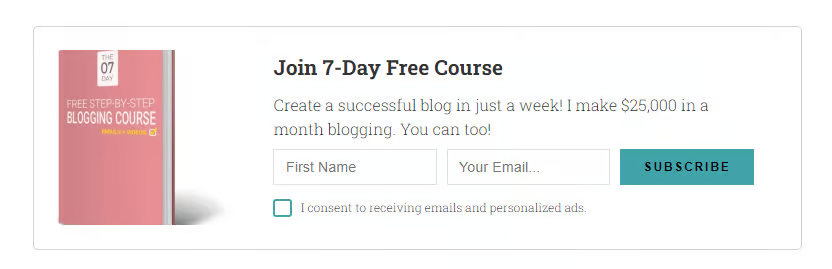
The mini email course on creating profitable blogs serves double duty: it provides genuine value while capturing email addresses for future marketing. According to OptinMonster’s Lead Generation Research, email marketing returns $36 for every $1 spent—higher than any other digital channel.
YouTube as Educational Tool demonstrates expertise while monetizing attention. The 244 videos create a comprehensive library that ranks for countless search queries, attracting students organically.
This content marketing approach costs time rather than money, making it perfect for bootstrapped educators. Videos created years ago continue attracting students indefinitely.
The Glaring Missed Opportunities
Despite solid five-figure monthly revenue, Anastasia leaves money on the table in critical areas.
Traffic Has Declined Dramatically according to Ahrefs data—from nearly 12,000 monthly visitors to 6,000. This 50% drop signals serious problems with content promotion and SEO maintenance.

The issue isn’t content quality. It’s insufficient promotion. Most profitable bloggers follow the 80/20 rule: spend 20% of time creating content and 80% promoting it.
Anastasia appears to do the opposite—creating quality content but failing to promote it aggressively across social media, forums, messaging apps, and email newsletters.
This represents low-hanging fruit. Simply promoting existing content more strategically could reverse the traffic decline without creating a single new piece of content.
Premium Content Remains Untapped. Despite offering valuable free content that could easily be monetized, Anastasia hasn’t developed subscription-based premium content or membership communities.
Successful online educators like Ramit Sethi and Marie Forleo generate millions through premium memberships offering exclusive content, community access, and ongoing support.
A $47/month membership providing advanced training, private community access, monthly live Q&A sessions, and premium templates would attract serious students while creating predictable recurring revenue.
According to Zuora’s Subscription Economy Index, subscription businesses grow revenue 5x faster than traditional product businesses. This isn’t theoretical—it’s proven across industries.
Content Promotion Strategy is Weak. The traffic decline stems largely from inadequate promotion. Here’s what strategic content promotion looks like:
Share new posts across all social platforms immediately upon publishing. Reshare top-performing content weekly. Create platform-specific variations optimized for each channel. Engage in relevant Reddit threads and Facebook groups. Guest post on complementary blogs with backlinks to your content.
This promotional work generates compounding returns as traffic, backlinks, and social shares accumulate over time.
Ad 🎯 Ready to put these strategies into action?
Theory is great, but execution is what drives growth. That’s where Max Business School™ comes in.
Inside, you’ll find step-by-step digital marketing courses (SEO, ads, email, social, content, and more) — taught by professionals, designed for beginners and business owners alike.
And the best part? It’s 100% free, online, and flexible.
→ Join Max Business School Today — Free
The Skills You Actually Need
Let’s cut through the fantasy and talk about what building this business actually requires.
Deep Digital Marketing Expertise is non-negotiable. You can’t teach what you don’t truly understand. Anastasia’s credibility comes from a decade executing digital marketing professionally for agencies and clients.
If you’re considering this model, ask yourself: Have I achieved measurable results using these skills professionally? Can I explain complex concepts simply? Do I understand the nuances that separate beginners from experts?
Without genuine expertise, students see through you immediately and refunds follow.
Content Creation Across Formats determines your reach. You need to write compelling blog posts, script engaging videos, design effective course curricula, and create social media content that stops scrolling.
These are distinct skills requiring different competencies. The good news? You can improve through practice and study.
Resources like Copyblogger’s Content Marketing Library and Video Creators Academy provide comprehensive training in content creation fundamentals.
Course Design and Delivery transforms knowledge into learning experiences. Understanding how adults learn, structuring information logically, creating exercises that reinforce concepts, and designing assessments that measure progress—these instructional design skills dramatically impact student results.
According to Thinkific’s Course Creator Report, successful course creators spend equal time on content creation and student experience design.
Email Marketing Fundamentals drive sales and nurture relationships. Building lists, writing compelling emails, segmenting audiences, and analyzing performance metrics determine how effectively you convert subscribers into customers.
Basic SEO Knowledge attracts organic traffic that feeds all other revenue streams. Understanding keyword research, on-page optimization, and link building brings students to your content without paid advertising.
What Getting Started Actually Looks Like
Here’s the reality of launching an online education business in digital marketing:
Start By Teaching Free before creating paid products. Anastasia likely tested topics through free blog posts and videos before investing time in course creation.
You can validate demand by creating valuable free content and watching what resonates. Which posts get the most engagement? What questions do people ask repeatedly? Those patterns reveal what people will pay to learn systematically.
Choose One Platform Initially rather than spreading yourself thin. If you’re comfortable on camera, start with YouTube. If you prefer writing, focus on blogging. Master one channel before expanding to others.
Anastasia’s multi-platform presence developed gradually over time, not overnight.
Create Your First Mini-Course around a specific, solvable problem. Don’t attempt to build a comprehensive academy initially. Develop a focused course addressing one pain point, price it accessibly ($47-$97), and gather testimonials.
This first product validates your teaching ability, generates initial revenue, and provides feedback for improvement.
Build Email List from Day One. Every piece of content should include clear calls-to-action inviting people to join your email list. Offer valuable lead magnets related to your niche—checklists, templates, mini-courses, or guides.
According to Campaign Monitor’s Email Benchmarks, education industry emails average 22% open rates and 2.5% click rates. Your list becomes your most valuable asset.
Join Relevant Affiliate Programs Early. As soon as you have basic traffic, apply for affiliate programs for tools and services you genuinely use and recommend. This provides immediate monetization while you develop paid products.
Networks like ShareASale, CJ Affiliate, and direct programs from major SaaS companies offer lucrative commissions for digital marketing tools.
The Timeline Reality
Building to $10,000 monthly doesn’t happen in 90 days.
Anastasia’s journey likely required 2-4 years of consistent content creation, course development, and audience building. The first year probably generated modest four-figure monthly income at best.
This timeline frustrates people seeking quick wins. They create a course, promote it once, see minimal sales, and quit before reaching critical mass.
But here’s what makes the wait worthwhile: online education businesses compound over time. Your content library becomes an appreciating asset. Videos created years ago still attract students. Blog posts continue ranking and driving traffic. Satisfied students refer friends.
The flywheel accelerates exponentially once it gains momentum.
According to Teachable’s Creator Earnings Report, top course creators typically spend 12-18 months building audiences before launching their first premium courses. Those who skip this foundation-building phase struggle perpetually.
The Bottom Line
Anastasia Blogger proves that specialized digital marketing knowledge can become thriving education businesses when delivered strategically across multiple platforms.
You don’t need millions of followers. You don’t need venture funding. You need genuine expertise, the ability to teach effectively, and strategic distribution across platforms where your ideal students already spend time.
The online education market continues exploding. According to HolonIQ’s Global Learning Landscape, the digital education market will reach $404 billion by 2025, with vocational and professional skills leading growth.
The opportunity is real and substantial.
The question isn’t whether the model works—Anastasia’s five-figure monthly income proves it does. The question is whether you have expertise worth teaching and commitment to build an education business around it.
If you do, you just saw exactly how someone turned agency experience into $10,000+ monthly by teaching others the same skills.