
How to Build a Six-Figure Polish Food Blog ($100K+ Yearly)
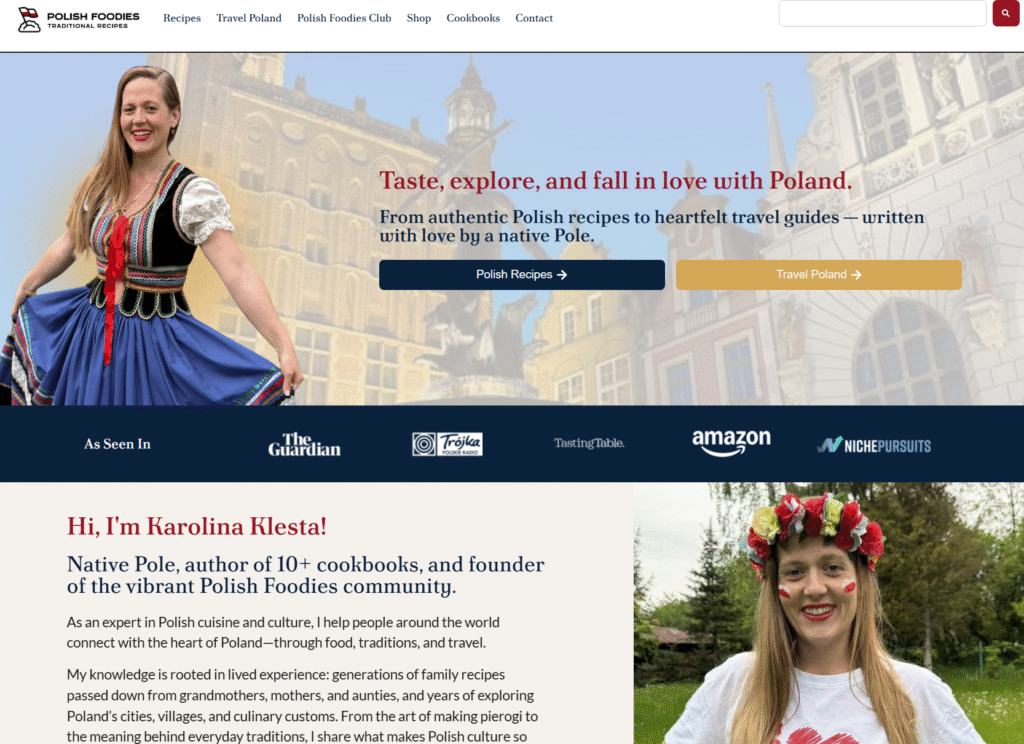
Let me tell you about someone making over $100,000 a year by sharing pierogi recipes.
Yes, really.
Not by opening a restaurant. Not by catering weddings. By running a food blog focused on one specific cuisine that most Americans couldn’t name three dishes from.
And she’s only been at it for four years.
If you’ve ever thought food blogging was oversaturated or impossible to break into, this case study might make you reconsider everything.
Ad 🎯 After studying 400+ business models, here’s what actually works for beginners…
Most “make money online” advice is garbage. Complex affiliate schemes. Dropshipping nightmares. Social media “influencing.”
We found something better: lead-generation funnels for manufacturers. Simple. Profitable. Fast results.
Our Max Incubator Phase 1 students are proof—they’re going from zero to their first $1,000 in 90 days with this exact model.
→ See the business idea that’s working for beginners this year
The Money-Making Recipe
Food blogs have a reputation for being monetization nightmares. Everyone knows the stereotype: 3,000 words about grandma’s childhood before you finally get to the recipe, all while ads assault you from every direction.
This business does it differently.
Cookbooks: Bottled Expertise You Can Hold
The primary revenue driver is cookbooks. Not one cookbook that you hustle to promote. We’re talking eight Polish cooking cookbooks so far, each focused on different aspects of the cuisine.
Think about the psychology here for a second. Digital recipes are free everywhere. Pinterest is basically an infinite recipe database. So why do cookbooks still sell in the digital age?
Because people want curated collections. They want expertise assembled in one place. They want something that feels permanent and authoritative, not just another recipe they’ll lose in their browser bookmarks.
Cookbooks also make incredible passive income vehicles. You create it once, put it on Amazon (both print and Kindle versions), and it sells while you sleep. The food blogging world has proven this model works—successful bloggers often make more from cookbooks than their actual blogs.
Display Ads: The Traffic Multiplier
The second revenue stream is display ads through Mediavine.
For those unfamiliar, Mediavine is an ad network that pays significantly better than Google AdSense for sites with decent traffic. You need at least 50,000 sessions per month to qualify, which tells you this blog is pulling serious numbers.
Here’s the thing about display ads in food blogging: they work really well because recipe content has high engagement. People scroll through the recipe, look at photos, read instructions, often print or save the page. All of that activity generates ad impressions and clicks.
One recipe post can generate revenue for years. Write it once, optimize it properly, and it becomes a passive income asset that earns money every time someone searches for “Polish cabbage rolls recipe” on Google.
What Makes This Blog Actually Work
Food blogging is brutally competitive. Food Blogger Pro estimates there are millions of food blogs competing for attention. So what makes this particular operation stand out?
Website Performance That Doesn’t Make You Wait
The site is fast. Like, noticeably fast.
Most food blogs load slower than a dial-up modem from 1998, bogged down with ads, high-resolution images, and tracking scripts. This one loads quickly despite having ads, which means the backend is optimized properly.
Why does this matter? Because Google cares about page speed for search rankings. More importantly, users care. Nobody sticks around waiting for your pierogi recipe to load when they’ve got ten other tabs open.
Fast websites reduce bounce rates (people leaving immediately), which signals to Google that your content is valuable, which improves your rankings, which brings more traffic, which makes more money. It’s a virtuous cycle.
Content Organization That Makes Sense
Navigation is clean and intuitive. Main menu, footer, sidebar—everything is organized so visitors can find what they need without playing hide-and-seek with your recipe categories.
Too many blogs treat organization as an afterthought. They dump everything into vague categories like “Dinner” or “Desserts” and wonder why nobody explores beyond the first recipe they land on.
This blog segments content intelligently. Want traditional Polish soups? There’s a section. Looking for holiday recipes? Got it. Trying to learn about Polish cooking techniques? Right here.
Good organization keeps people on your site longer, which means more ad impressions, more cookbook visibility, and better engagement metrics that improve search rankings.
Cookbook Integration Throughout the Site
Here’s a lesson in smart product placement: every blog post is subtly promoting the cookbooks without being annoying about it.
A recipe post might mention “this recipe is from my new book” or show the cookbook cover in the sidebar. It’s not pushy—it’s contextual. Someone enjoying a free recipe naturally becomes curious about what else is in the book.
This is the right way to sell from content. You’re not interrupting the experience. You’re offering a logical next step for people who already like what you’re giving away for free.
A Facebook Community That Actually Engages
Over 70,000 members in the Facebook group.
That’s not just a number—that’s a community. These aren’t passive followers who scroll past your posts. These are engaged food enthusiasts who comment, share their cooking results, ask questions, and interact with each other.
Facebook Groups remain one of the most underrated marketing tools. Unlike a page where you’re fighting algorithm changes for visibility, a group creates a self-sustaining community where members interact directly. The blogger doesn’t have to create all the content—members share their own experiences, which keeps the community active.
Plus, when you launch a new cookbook, you’ve got 70,000 potential buyers who already trust you. That’s marketing gold.
Where This Blog Could Level Up
Even successful operations have blind spots. Here are the obvious opportunities this blog could capitalize on.
Refresh Old Content Before It Dies
Popular blog posts don’t stay popular forever. Traffic drops over time as search engines favor fresher content and competing blogs publish newer, more comprehensive versions.
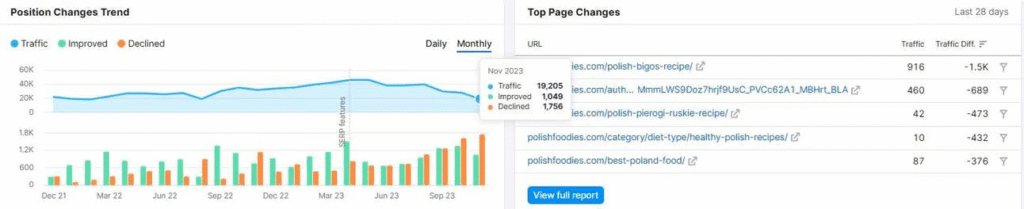
The solution? Content refreshing.
Go back to posts that used to perform well but are declining. Update them with new photos, additional tips, current information, and republish with a new date. Google loves updated content and will often re-rank refreshed posts higher.
Many successful food bloggers spend as much time updating old posts as creating new ones because the ROI is often better. You already know what works—you’re just giving it new life.
Premium Membership Model
Right now the blog gives away everything for free (monetizing through ads and hoping for cookbook sales). But there’s an opportunity for a premium tier.
Imagine offering early access to new recipes, exclusive content not available on the free blog, meal planning services, or video tutorials for $10-15/month. A thousand paying members at $10/month is $120,000 per year in recurring revenue.
The key is making the premium offering valuable enough that people want it without degrading the free experience so much that you lose your traffic base. It’s a delicate balance, but food bloggers like Pinch of Yum have proven it works when done thoughtfully.
Ad 🎯 Ready to put these strategies into action?
Theory is great, but execution is what drives growth. That’s where Max Business School™ comes in.
Inside, you’ll find step-by-step digital marketing courses (SEO, ads, email, social, content, and more) — taught by professionals, designed for beginners and business owners alike.
And the best part? It’s 100% free, online, and flexible.
→ Join Max Business School Today — Free
Meet the Creator
Behind Polish Foodies is Karolina Klesta, a food blogger who recognized something important: nobody else was dominating the Polish food niche in English.
That’s worth underlining. The food blogging world is crowded, but niche food blogging still has opportunity. While everyone’s fighting over “best chocolate chip cookies” and “easy weeknight dinners,” specific cuisine niches remain underserved.
Karolina’s vision wasn’t just sharing recipes—it was building a global community around Polish cuisine. She wanted to connect people with Polish heritage to their food traditions and introduce others to these dishes for the first time.
Four years in, the numbers are skyrocketing. Six figures annually from a blog barely out of toddlerhood. The trajectory suggests this could easily become a multi-six-figure business within another few years.
What You Actually Learn From This
Strip away the specifics about Polish food and here’s what this case study teaches about building online businesses:
Niche specialization beats generalization. “Food blog” is too broad. “Polish food blog for English speakers” is specific enough to dominate.
Multiple formats serve different audiences. Some people want free recipes. Others want curated cookbook collections. Both groups spend money differently.
Community building multiplies everything. Seventy thousand Facebook members amplify every piece of content and every product launch exponentially.
SEO is non-negotiable. The traffic that powers ad revenue and cookbook sales comes primarily from Google. If you’re not optimizing for search, you’re invisible.
User experience affects everything. Fast loading, clear navigation, and good design aren’t luxuries—they directly impact revenue.
Your Roadmap to Starting This
Let’s get practical about what you’d actually need to build something similar.
First, you need genuine expertise or deep interest in your chosen cuisine. You don’t have to be a professional chef, but you need to know the food well enough to teach others convincingly. Karolina’s Polish background gave her authentic knowledge and family recipes to work with.
Then comes the skill stack: website development (WordPress makes this accessible), recipe photography (your phone camera is probably good enough to start), SEO fundamentals to get found, and content creation skills to make your recipes scannable and engaging.
The marketing side includes email list building (so you can launch cookbooks to interested people), basic social media management (particularly Facebook for building community), and eventually ad optimization if you go the display ad route.
Here’s the reality check: most people who try food blogging quit within the first year because they don’t see immediate results. This blog took four years to reach six figures. That’s not overnight success—that’s consistent work compounding over time.
But if you’re patient and strategic about it? The combination of cookbook sales, display ads, potential affiliate income, and possible premium offerings creates multiple income streams all feeding from the same content creation effort.
The opportunity exists. Especially in underserved cuisine niches where competition is lighter than mainstream food categories. You just have to be willing to stick with it long enough for compounding to work its magic.
Polish food worked for Karolina. What cuisine could work for you?