
How to Build a Recipe Blog Earning $100,000 Yearly From Slow Cooker Content
Here’s a truth that’ll make traditional career advisors squirm:
A stay-at-home mom generates over $100,000 yearly sharing slow cooker recipes online.
No culinary degree. No restaurant background. Just one woman, her crockpot, and a New Year’s resolution that accidentally became a six-figure business.
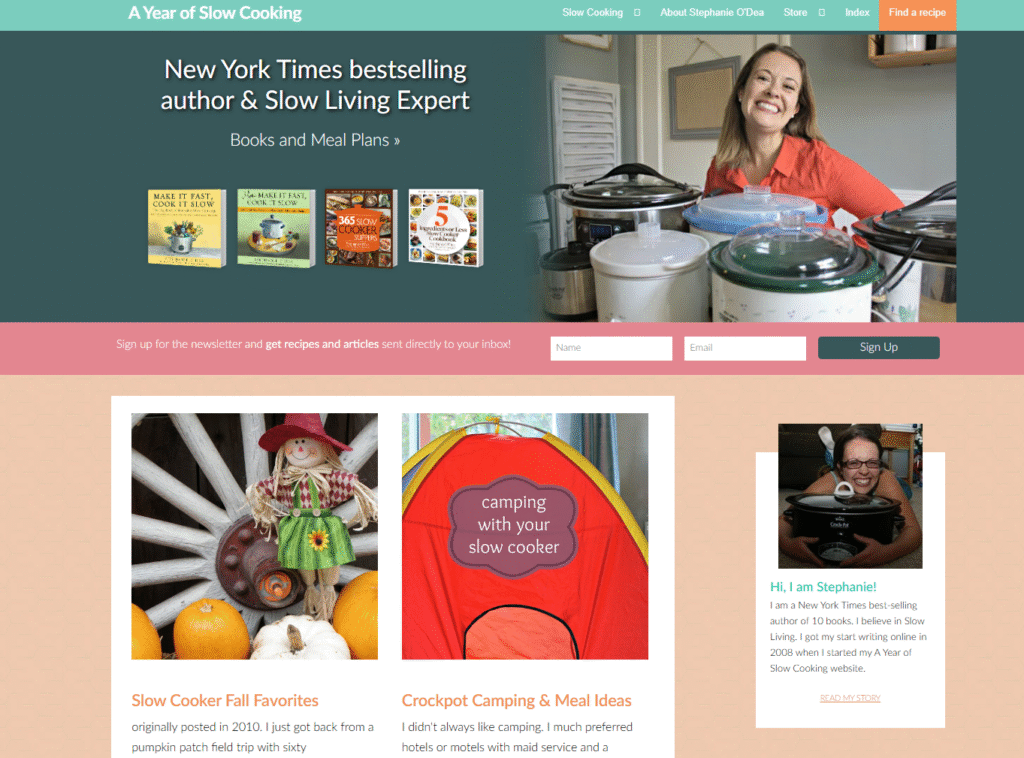
Meet Stephanie O’Dea, the creative force behind A Year of Slow Cooking—a blog that proves hyper-niche focus beats broad-topic mediocrity every single time.
And before you dismiss this as luck, understand that her success follows a blueprint anyone with cooking knowledge and commitment can replicate.
Let me break down exactly how she did it.
Ad 🎯 After studying 400+ business models, here’s what actually works for beginners…
Most “make money online” advice is garbage. Complex affiliate schemes. Dropshipping nightmares. Social media “influencing.”
We found something better: lead-generation funnels for manufacturers. Simple. Profitable. Fast results.
Our Max Incubator Phase 1 students are proof—they’re going from zero to their first $1,000 in 90 days with this exact model.
→ See the business idea that’s working for beginners this year
The New Year’s Resolution That Changed Everything
Stephanie’s origin story is delightfully simple.
In 2008, she made a resolution: use her slow cooker every single day for a year and document the experience online.
That’s it. No complex business plan. No market research. Just one curious experiment born from a desire to work from home while caring for her children.
But here’s where it gets interesting: she chose an incredibly specific niche—cooking exclusively with slow cookers—and committed fully.
According to Google Trends data, searches for slow cooker recipes, crockpot meals, and make-ahead dinners have grown consistently year over year. The audience existed and actively searched for solutions.
Stephanie’s timing and focus positioned her perfectly to capture this growing search traffic. She didn’t compete in the overcrowded general recipe space. She owned the slow cooker category.
Fast forward to today: A Year of Slow Cooking features over 1,000 slow cooker recipes, attracts thousands of monthly visitors, and generates six-figure yearly revenue.
Living in the San Francisco Bay Area with her high school sweetheart husband, three daughters, and a basset hound named Sheldon, Stephanie built financial freedom doing something she genuinely enjoys.
The Dual-Revenue Model
A Year of Slow Cooking generates $100,000+ annually through two primary income streams that scale with traffic.
Display Advertising forms the foundation. Unlike blogs that assault visitors with intrusive ads everywhere, Stephanie takes a more tasteful approach—strategic ad placement that balances monetization with user experience.
This thoughtful execution matters tremendously. According to Ezoic’s Publisher Revenue Data, publishers who optimize ad density without degrading experience earn 50-150% more than those who simply maximize ad count.
Display ads generate revenue based on impressions, clicks, and conversions. With substantial monthly traffic built over years, these ads produce consistent income requiring zero active selling effort.
Affiliate Marketing provides the second revenue pillar. Stephanie partners with brands selling slow cookers, kitchen essentials, and cooking tools that align naturally with her content.
Each recommendation is carefully chosen to provide genuine value to readers rather than random product promotions. When readers purchase through her affiliate links, she earns commissions.
This strategic alignment dramatically increases conversion rates. According to Shopify’s Affiliate Marketing Research, affiliates who personally use and test products see conversion rates 3-5x higher than those promoting random products for commissions alone.
The combination creates income stability—display ads provide passive baseline revenue while affiliate commissions add substantial upside when readers purchase recommended products.
What A Year of Slow Cooking Gets Right
Stephanie’s six-figure success isn’t accidental. Several strategic decisions separate her blog from thousands of failed recipe sites.
Extreme Niche Focus eliminates competition. Instead of becoming another generic food blog competing with thousands of established sites, Stephanie carved out the specific slow cooker category.
This laser focus attracted a devoted audience seeking exactly what she offered. Readers didn’t have to sift through irrelevant content—every single recipe addressed their specific need: delicious meals made easily in slow cookers.
According to Authority Hacker’s Niche Site Study, niche sites targeting specific audiences outperform broad-topic sites in both traffic growth and monetization potential.
Personal Connection Through Storytelling creates emotional bonds beyond recipes. Stephanie transparently shares how slow cooking helped her navigate motherhood, manage busy days, and create family dinners without stress.
This authentic narrative resonates deeply with her audience—busy parents seeking time-efficient meal solutions. She’s not just providing recipes; she’s solving real problems for real people.
User-Friendly Website Design optimizes the browsing experience. The Index page makes finding specific recipes effortless. The “Find a Recipe” feature simplifies searches. Performance optimization ensures smooth, fast page loads despite ad presence.
These user experience details directly impact revenue. Faster sites rank better in search results, reduce bounce rates, and increase ad impressions per visitor.
Irresistible Free Resources attract and retain audiences. Exclusive recipes, cooking tips, and downloadable guides provide immediate value without purchase requirements.

This generosity builds goodwill and demonstrates expertise before asking for anything. According to Content Marketing Institute research, 70% of consumers prefer learning about companies through articles rather than ads.
Recipe-Focused Email Newsletter nurtures relationships systematically. By sending mouthwatering recipes directly to subscribers’ inboxes regularly, Stephanie stays top-of-mind and drives repeat visits.
Email marketing remains the highest-ROI digital channel. Those newsletter subscribers become her owned audience independent of search engine algorithm changes or social media platform policies.
Personal Branding Beyond the Blog diversifies income and influence. Stephanie expanded beyond A Year of Slow Cooking into personal brand development—coaching, podcasting, and digital products address different audience segments.
This strategic expansion allows her to monetize expertise through multiple channels while fostering brand loyalty across platforms.
The Painful Missed Opportunities
Despite six-figure yearly revenue, A Year of Slow Cooking leaves substantial money on the table through easily addressable gaps.
SEO Traffic Has Plummeted Dramatically. Traffic declined from over 20,000 monthly visitors in 2019 to just 5,000 currently—a devastating 75% drop.
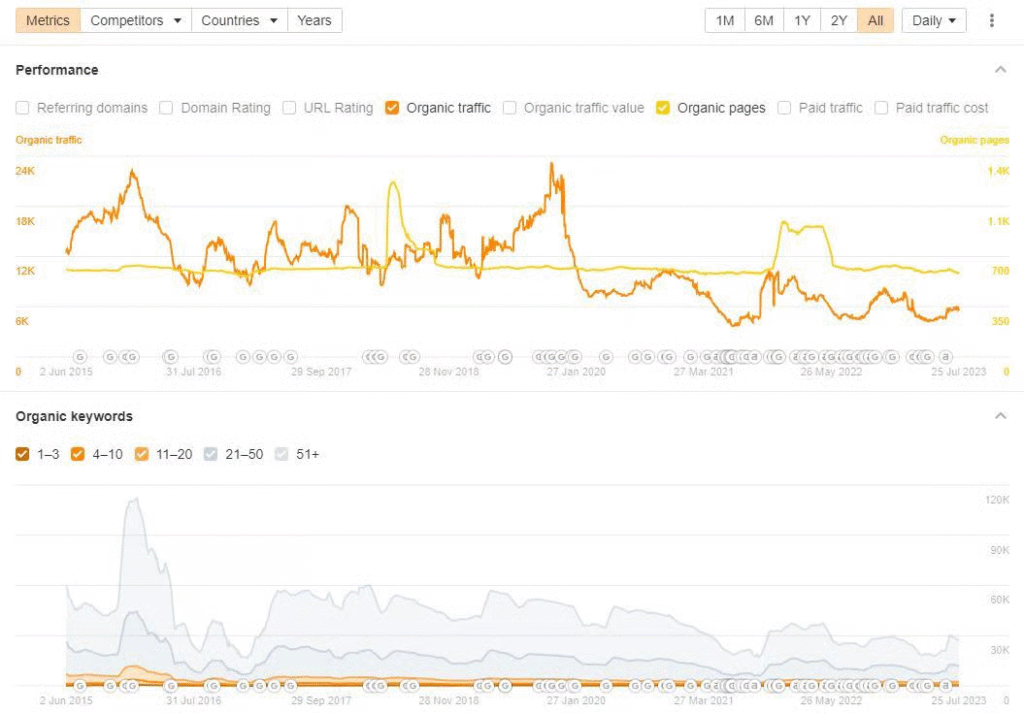
This collapse likely stems from outdated content, declining backlink quality, and algorithm updates favoring fresher sites. The blog boasts nearly 1.6 million backlinks, which should drive massive traffic. That this asset underperforms signals serious technical or content problems.
The solution? Hire a small team of freelance SEO specialists and content creators to refresh top-performing posts, create new optimized content, and rebuild search rankings systematically.
According to Ahrefs’ Content Decay Study, regularly updating old posts can restore 60-200% of lost traffic within months. With strong backlink foundations, recovery could happen quickly with proper attention.
Social Media Remains Massively Underutilized. Pinterest alone has 60,000 followers generating 146,000 monthly views—solid numbers that could easily 10x with strategic optimization.
Pinterest users actively search for meal inspiration, making it perfect for recipe content. Competitors like Pinch of Yum and Budget Bytes generate millions of monthly Pinterest views through consistent optimization.
The opportunity? Create stunning vertical images for every recipe, optimize pins with keyword-rich descriptions, maintain consistent pinning schedules, and engage actively with the Pinterest community.
According to Pinterest’s Publisher Research, food publishers optimizing content for Pinterest see traffic increases of 200-400% within six months.
Subscription-Based Community Represents Untapped Revenue. The subscription economy continues exploding across industries. Food blogs are perfectly positioned to leverage this trend.
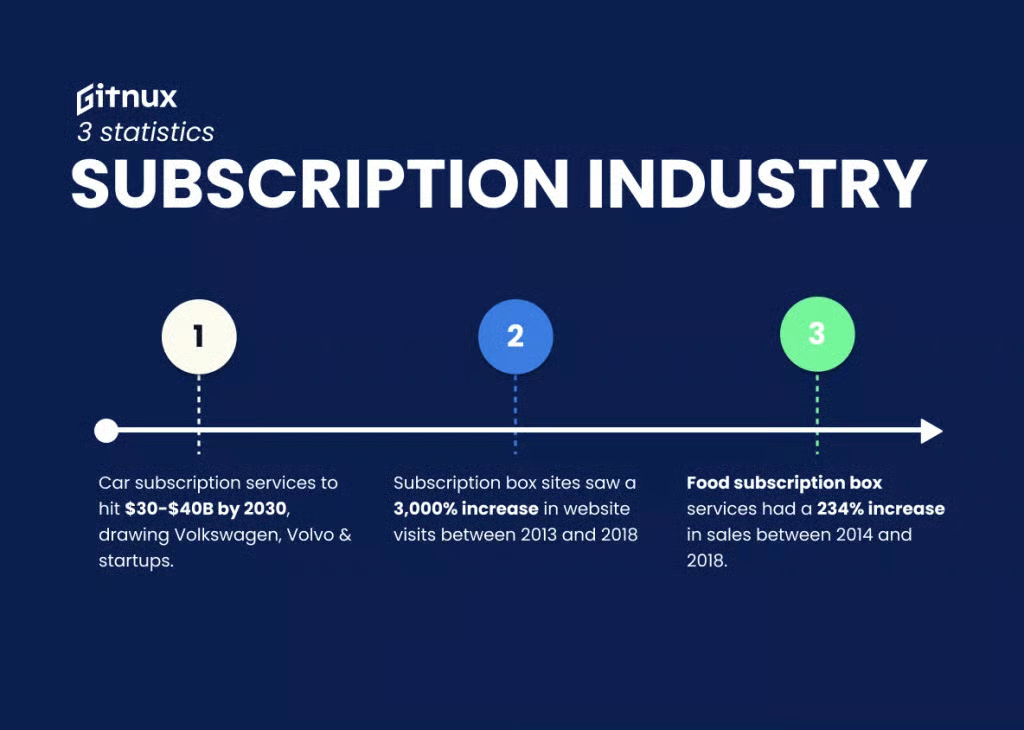
Imagine a premium membership offering exclusive slow cooker recipes, meal planning templates, shopping lists, behind-the-scenes content, and personalized cooking support for $9.99/month or $99/year.
With existing traffic and authority, even converting 2% of monthly visitors to paid subscribers would generate $10,000+ in additional monthly recurring revenue.
Successful food creators like Pinch of Yum’s Lindsay Ostrom generate substantial recurring revenue through premium meal planning memberships. The model is proven and replicable.
Ad 🎯 Ready to put these strategies into action?
Theory is great, but execution is what drives growth. That’s where Max Business School™ comes in.
Inside, you’ll find step-by-step digital marketing courses (SEO, ads, email, social, content, and more) — taught by professionals, designed for beginners and business owners alike.
And the best part? It’s 100% free, online, and flexible.
→ Join Max Business School Today — Free
The Skills You Need to Build This
Let’s talk about what actually creating a six-figure recipe blog requires.
Recipe Development and Testing forms the foundation. You need cooking knowledge to create recipes that actually work when readers attempt them. Failed recipes destroy trust instantly and permanently.
Stephanie’s credibility comes from personally testing every single recipe before publishing. Her 1,000+ recipes represent 1,000+ successful dishes she actually cooked and photographed.
Food Photography Basics dramatically impact engagement. Gorgeous food photos stop scrolling and inspire cooking. You don’t need professional studio setups—good natural lighting, decent cameras (smartphone cameras work fine now), and basic composition knowledge suffice.
Resources like Pinch of Yum’s Food Photography Guide and Tasty’s Photo Tips provide comprehensive training.
SEO Fundamentals drive organic traffic that makes monetization possible. Understanding keyword research for recipe content, optimizing recipe schema markup, building backlinks through outreach, and maintaining technical SEO health determine search rankings.
According to Moz’s Recipe SEO Guide, properly optimized recipe posts can rank within weeks and generate traffic for years.
Content Creation Consistency separates successful blogs from abandoned projects. You need systems for ideating recipes, testing them, photographing them, writing posts, and publishing regularly.
Stephanie published daily for an entire year initially—building massive content libraries that compound over time. You don’t need that frequency, but consistent output is non-negotiable.
Email Marketing Basics build owned audiences independent of platform changes. Capturing email addresses, nurturing subscribers, and converting them into engaged readers determines long-term sustainability.
What Starting Actually Looks Like
Here’s the reality of launching a recipe blog:
Choose Your Specific Niche Carefully. Stephanie chose slow cookers—what will you choose? Air fryers? Instant Pots? Sheet pan dinners? Budget-friendly meals? The more specific your angle, the easier building authority becomes.
Ask yourself: Is there genuine search volume for this niche? Can I create 100+ recipes in this category? Does this align with my cooking knowledge and interests?
Create 30-50 Foundation Recipes before worrying about monetization. Focus on helpful, thoroughly tested recipes targeting long-tail keywords with lower competition.
Use tools like AnswerThePublic to discover actual questions people search for in your niche. Create content answering those specific queries.
Optimize for Search from Day One. Install proper recipe schema markup using plugins like WP Recipe Maker or Tasty Recipes. Research keywords for each recipe. Write compelling titles and meta descriptions. Build internal links between related recipes.
Join Affiliate Programs Early but promote genuinely useful products. Amazon Associates is easiest to start with. Add specialty kitchen equipment affiliate programs as you grow.
Apply for Display Ad Networks once you hit traffic minimums. Mediavine requires 50,000 sessions monthly. AdThrive requires 100,000 page views. Start with Google AdSense or Ezoic (which has no minimum) and upgrade as traffic grows.
Build Email List Immediately. Every recipe post should include clear invitations to join your newsletter for weekly recipes. Offer a lead magnet like “10 Make-Ahead Slow Cooker Meals” or “Ultimate Meal Planning Template.”
The Brutal Timeline Reality
Building to $100,000 yearly revenue takes longer than most people expect.
Stephanie’s journey from hobby blog to six-figure business likely spanned 3-5 years of consistent effort. The first year generated minimal income while building content libraries and search rankings.
This timeline kills enthusiasm for beginners seeking fast results. They publish 20 recipes, see modest traffic, and quit before reaching the inflection point where traffic and revenue accelerate.
But here’s the counterargument: once built, recipe blogs generate largely passive income. Posts created years ago continue ranking, attracting visitors, and producing ad revenue and affiliate commissions indefinitely.
That compounding effect makes the model powerful. Your content library becomes an appreciating asset rather than depreciating one.
The Bottom Line
A Year of Slow Cooking proves extreme niche focus combined with consistent execution creates six-figure income opportunities in the recipe blogging space.
Stephanie didn’t need culinary school credentials or restaurant experience. She needed genuine cooking knowledge, commitment to testing and sharing recipes daily, and patience to build traffic organically over years.
The recipe blogging space remains viable despite increased competition. According to Google Trends analysis, food-related searches continue growing steadily. The audience exists and actively seeks solutions.
The question isn’t whether the model works—Stephanie’s six-figure income proves it does. The question is whether you have cooking knowledge worth sharing and commitment to build consistently until traffic reaches critical mass.
If you do, you just saw exactly how a simple New Year’s resolution became a life-changing business.