
How to Build a Toy Industry Course Business Earning $100K+ Yearly
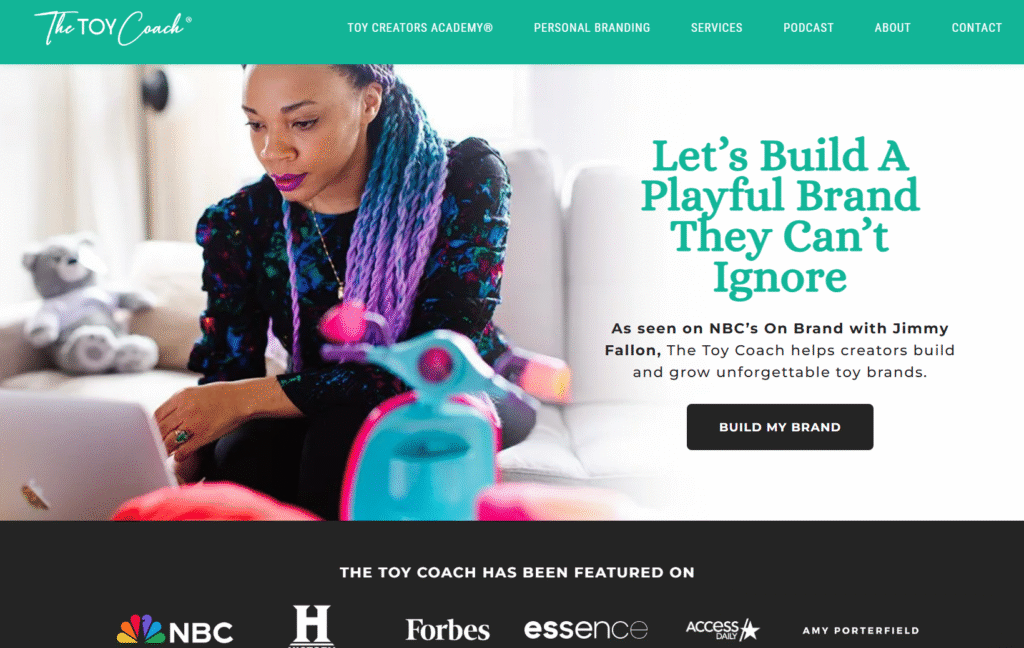
What if your childhood obsession with toys could become a six-figure business?
Sounds like a pipe dream, right?
But Azhelle Wade turned her expertise in toy design into TheToyCoach—a thriving education business generating over $100,000 annually by teaching others how to develop, pitch, and sell toy products.
No manufacturing facility required. No inventory needed. Just pure expertise packaged into courses and coaching that aspiring toy creators desperately want.
And here’s the kicker: this model works in virtually any specialized industry where knowledge gaps exist and people need guidance navigating complex paths to success.
Let me show you how she built it.
Ad 🎯 After studying 400+ business models, here’s what actually works for beginners…
Most “make money online” advice is garbage. Complex affiliate schemes. Dropshipping nightmares. Social media “influencing.”
We found something better: lead-generation funnels for manufacturers. Simple. Profitable. Fast results.
Our Max Incubator Phase 1 students are proof—they’re going from zero to their first $1,000 in 90 days with this exact model.
→ See the business idea that’s working for beginners this year
From Toys R Us to Full-Time Educator
Azhelle’s credibility doesn’t come from theory—it comes from battle scars.
She started as a doll design intern and climbed to work at Toys R Us alongside other major toy manufacturers. She earned patents, built million-dollar brands, and worked in global design roles. She didn’t just play with toys; she created products that ended up in stores nationwide.
That insider knowledge became her competitive moat.
Anyone can Google “how to design a toy.” But very few people can teach the nuanced reality of pitching to buyers, navigating manufacturer relationships, understanding safety regulations, and actually getting products onto shelves.
According to The Toy Association’s industry data, the U.S. toy industry generates over $28 billion annually, yet educational resources for aspiring toy creators remain surprisingly limited. Azhelle spotted this gap and filled it perfectly.
Her mission? Simplify the overwhelming path to toy creation for people who share her childhood dream of bringing imaginative products to life.
The Three-Revenue Model
TheToyCoach generates income through three complementary offerings that serve creators at different stages.
Toy Creators Academy sits at the core—a comprehensive course teaching the complete journey from concept to commercialization. Students learn professional development processes, pitching techniques, and how to connect with manufacturers and buyers.
The course doesn’t just teach toy design theory. It teaches the business side that most creative people overlook: how to protect your intellectual property, negotiate licensing deals, understand profit margins, and pitch your product so buyers actually listen.
This comprehensive approach differentiates TheToyCoach from generic product development courses. Students aren’t just learning to make toys—they’re learning to build toy businesses.
1:1 Toy Coaching Consultations provide the premium tier. These personalized sessions offer individualized guidance for creators facing specific challenges. Whether it’s refining a prototype, preparing for a major pitch, or overcoming manufacturing obstacles, Azhelle works directly with clients to solve their unique problems.
This high-touch service commands premium pricing while building deep client relationships. According to CoachHub’s Industry Report, one-on-one coaching sees satisfaction rates above 85% and generates significantly higher lifetime customer value than self-paced courses alone.
The consultations also provide invaluable market research. Direct conversations reveal exactly what aspiring toy creators struggle with, which informs future course content and product development.
Additional Revenue Streams round out the model. TheToyCoach runs a podcast that attracts sponsors, sells informative guides, and monetizes through affiliate marketing by recommending relevant resources and tools.
These supplementary income sources add stability and reach. The podcast builds audience and authority while generating sponsorship revenue. Guides provide lower-priced entry points for budget-conscious learners. Affiliate commissions create passive income from recommendations that genuinely help students.
What TheToyCoach Gets Brilliantly Right
Azhelle didn’t stumble into six-figure revenue—she made strategic decisions that compound over time.
The Personalized Quiz immediately engages visitors. When you land on TheToyCoach’s website, you’re invited to take a quiz determining your specific toy path: inventor, entrepreneur, or executive. This personalization makes visitors feel understood while segmenting the audience for targeted messaging.
This approach dramatically outperforms generic “here’s my course” landing pages. People don’t buy courses—they buy solutions to their specific situations. The quiz identifies their situation first.
Showcasing Student Outcomes builds trust through concrete results. Rather than vague testimonials, TheToyCoach prominently displays where graduates work, what they’ve created, and which companies bought their toy concepts.

This social proof answers the critical question every potential student asks: “Will this actually work for me?” When you see someone similar to yourself achieving the results you want, belief becomes possible.
The 14-Day Guarantee removes purchase anxiety. Students can request full refunds within two weeks if unsatisfied. This guarantee signals supreme confidence in content quality while reducing the psychological risk of buying.
According to Shopify’s Conversion Optimization Research, money-back guarantees can increase conversion rates by 10-30% by addressing purchase hesitation directly.
Learning from Proven Expertise is the ultimate differentiator. Students learn from someone who actually worked at Toys R Us and major manufacturers—not from someone who read about toy development online. This insider knowledge is impossible to fake and incredibly valuable.

The toy industry operates on relationships, unwritten rules, and nuanced understanding that only comes from direct experience. Azhelle packages that institutional knowledge into accessible formats.
Free Lead Magnet Strategy builds the email list systematically. TheToyCoach offers a free Toy Idea Starter Guide in exchange for email addresses. This approach attracts genuinely interested prospects while demonstrating value upfront.
The email list becomes an owned audience that can be nurtured toward paid products over time. Unlike social media followers who exist on rented platforms, email subscribers represent permanent, direct access.
Multi-Platform Content Distribution extends reach. Between the podcast, blog, social media presence, and free resources, TheToyCoach maintains visibility across multiple channels. Each platform feeds the others, creating a cohesive ecosystem that attracts students from different discovery paths.
The Growth Levers Being Ignored
Despite solid six-figure revenue, TheToyCoach leaves significant opportunities unexplored.
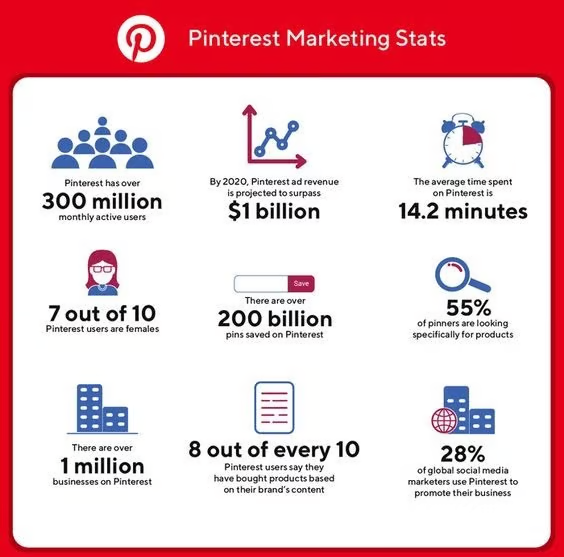
Social Media Presence Needs Expansion. The business focuses primarily on traditional channels but underutilizes platforms like Pinterest and TikTok where visual, creative content thrives naturally.
Pinterest users actively search for creative ideas, DIY projects, and product inspiration. According to Pinterest’s Creator Data, 85% of weekly users have purchased something based on pins they see. For a visual, creative business like toy development, Pinterest represents untapped traffic potential.
TikTok’s explosive growth among younger demographics offers massive reach. Short-form videos showing toy prototypes, behind-the-scenes development, or quick design tips could attract thousands of aspiring creators. Successful creative educators like Jazza have built enormous followings through exactly this approach.

SEO Performance is Surprisingly Weak. With relatively low organic traffic and minimal keyword targeting, TheToyCoach misses massive search opportunity. Aspiring toy creators actively search for terms like “how to design a toy,” “toy industry licensing,” “pitch toy idea to companies,” and dozens of related queries.
Competitors in the product development education space like Udemy’s Product Design Courses and Skillshare’s Creative Classes dominate these searches through strong SEO foundations.
Implementing a content marketing strategy targeting broader keywords beyond just “toy coaching” could dramatically increase organic traffic. Blog posts addressing specific toy development questions would attract visitors at the awareness stage who eventually become course students.
Affiliate and Partnership Opportunities Remain Untapped. TheToyCoach could partner with complementary businesses in the creative and manufacturing space. Companies selling prototyping tools, 3D printers, design software, or manufacturing services would make natural affiliate partners.
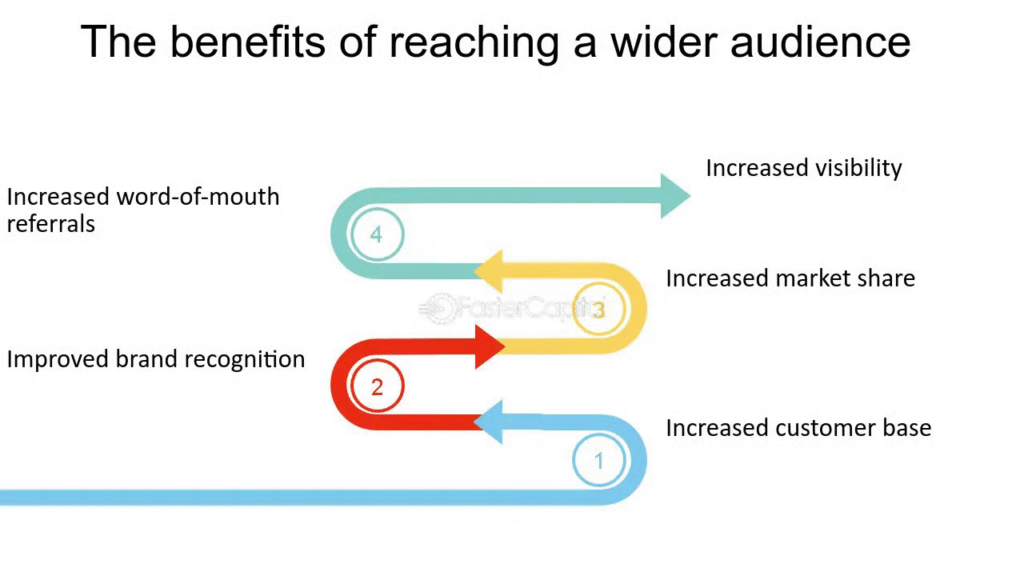
Collaborative opportunities with design schools, makerspaces, and creative organizations could extend reach while providing value to partner audiences. Cross-promotion with established brands adds credibility while accessing new customer segments.
Virtual Events Could Build Community. Hosting webinars, online workshops, or virtual toy creator conferences would position TheToyCoach as the industry hub while attracting broader audiences. These events create networking opportunities, generate leads, and provide additional revenue streams through ticket sales or sponsorships.
According to Bizzabo’s Event Marketing Report, 84% of leaders believe virtual events will play a more permanent role in business strategy moving forward.
Ad 🎯 Ready to put these strategies into action?
Theory is great, but execution is what drives growth. That’s where Max Business School™ comes in.
Inside, you’ll find step-by-step digital marketing courses (SEO, ads, email, social, content, and more) — taught by professionals, designed for beginners and business owners alike.
And the best part? It’s 100% free, online, and flexible.
→ Join Max Business School Today — Free
The Skills Needed to Build This Business
Let’s talk about what actually building a specialized education business like TheToyCoach requires.
Deep Industry Expertise is non-negotiable. You cannot fake this. Azhelle’s value comes from years working inside major toy companies. Her students pay for knowledge that only exists through direct professional experience in the field.
If you’re considering this model in your own industry, ask yourself: Do I have insider knowledge that’s genuinely difficult to obtain elsewhere? Have I achieved meaningful success in this field? Can I teach both the creative/technical aspects AND the business realities?
Without credible expertise, this model collapses.
Teaching and Curriculum Design Skills transform knowledge into effective learning experiences. Knowing something and teaching it effectively are entirely different competencies.
You need to structure information logically, break complex concepts into digestible pieces, create exercises that reinforce learning, and design assessments that measure progress. These are learnable skills, but they require dedicated development.
Resources like Teaching Online Pedagogical Repository and Instructional Design Central provide comprehensive frameworks for course creation.
Digital Marketing Fundamentals drive student acquisition. You need to understand content marketing, email list building, social media strategy, SEO basics, and conversion optimization. Without these skills, you’ll create excellent courses nobody ever finds.
The good news? Marketing is completely learnable and doesn’t require massive budgets when starting. Organic content marketing through blogs, podcasts, and social media can build substantial audiences over time.
Business Operations Knowledge keeps everything running smoothly. This includes understanding payment processing, tax obligations, legal requirements for educational businesses, customer service systems, and technology platforms for course delivery.
Platforms like Teachable, Kajabi, and Thinkific handle most technical infrastructure, but you still need operational competence to run a sustainable business.
What Starting Actually Looks Like
Here’s the reality of launching a specialized education business:
Start With Validation Before Building. Azhelle didn’t wake up one day and build a complete academy. She likely started by helping a few people informally, sharing knowledge through free content, and gauging genuine interest before creating paid products.
You can validate demand through free content creation. Start a blog, YouTube channel, or podcast addressing your target audience’s biggest challenges. Watch what resonates. Track what questions people ask repeatedly. Those patterns reveal what people will pay to learn.
Build Your First Offer Small. Don’t attempt to create a comprehensive academy immediately. Start with a focused mini-course or workshop addressing one specific pain point. Price it accessibly, deliver exceptional value, and gather testimonials.
This first product serves multiple purposes: it generates initial revenue, proves your teaching ability, builds case studies, and provides market feedback. You’ll discover exactly what students struggle with, which informs future product development.
Leverage Your Network First. Your initial students likely come from your existing professional network. Former colleagues, industry contacts, and social media connections provide your first customers. Don’t be shy about letting people know you’re teaching what you know.
Create Free Lead Magnets Immediately. Follow TheToyCoach’s playbook: offer valuable free resources in exchange for email addresses. This could be checklists, templates, guides, or recorded workshops that address specific problems while demonstrating your expertise.
According to OptinMonster’s Lead Generation Data, businesses that nurture leads generate 50% more sales-ready leads at 33% lower cost. Email list building should start on day one.
Invest in Quality Over Flash. Your first course doesn’t need Hollywood production values. It needs clear audio, organized content, and genuine value. Many successful course creators started with screen recordings and decent microphones.
Focus your energy on creating transformative learning experiences rather than perfect aesthetics. You can always upgrade production quality as revenue grows.
The Timeline Reality Nobody Mentions
Building to $100,000 yearly revenue doesn’t happen overnight.
Azhelle’s journey from industry professional to full-time educator likely took 2-4 years of building, testing, iterating, and growing. The first year probably generated modest income while she established credibility and created initial products.
This timeline frustrates people seeking fast results. They launch a course, see minimal sales, and quit before reaching critical mass.
But here’s what makes the wait worthwhile: educational businesses compound over time. Your first 10 students tell friends. Those testimonials attract the next 50 students. That social proof enables premium pricing. The premium pricing funds better marketing. Better marketing attracts more students.
The flywheel accelerates exponentially once it gains momentum.
According to Course Creator Pro’s Industry Survey, successful course creators typically spend 12-18 months building audiences before launching their first premium offers. Those who rush this foundation-building phase struggle indefinitely.
The Bottom Line
TheToyCoach proves specialized expertise can become thriving education businesses when packaged strategically.
Azhelle Wade didn’t need venture capital, inventory, or manufacturing facilities. She needed genuine insider knowledge, the ability to teach it effectively, and smart business strategy to reach aspiring toy creators.
The toy industry generates billions annually, but the education space serving aspiring creators remains relatively small. That gap represented opportunity.
The same dynamic exists in countless industries. Wherever knowledge gaps exist between beginners and professionals, education businesses can thrive by bridging that divide.
The question isn’t whether the model works—TheToyCoach’s six-figure revenue proves it does. The question is whether you have expertise worth teaching and the commitment to build an education business around it.
If you do, you just saw exactly how it’s done.