
How to Earn $2K Monthly with a Grammar Checking Tool ($24K Yearly)
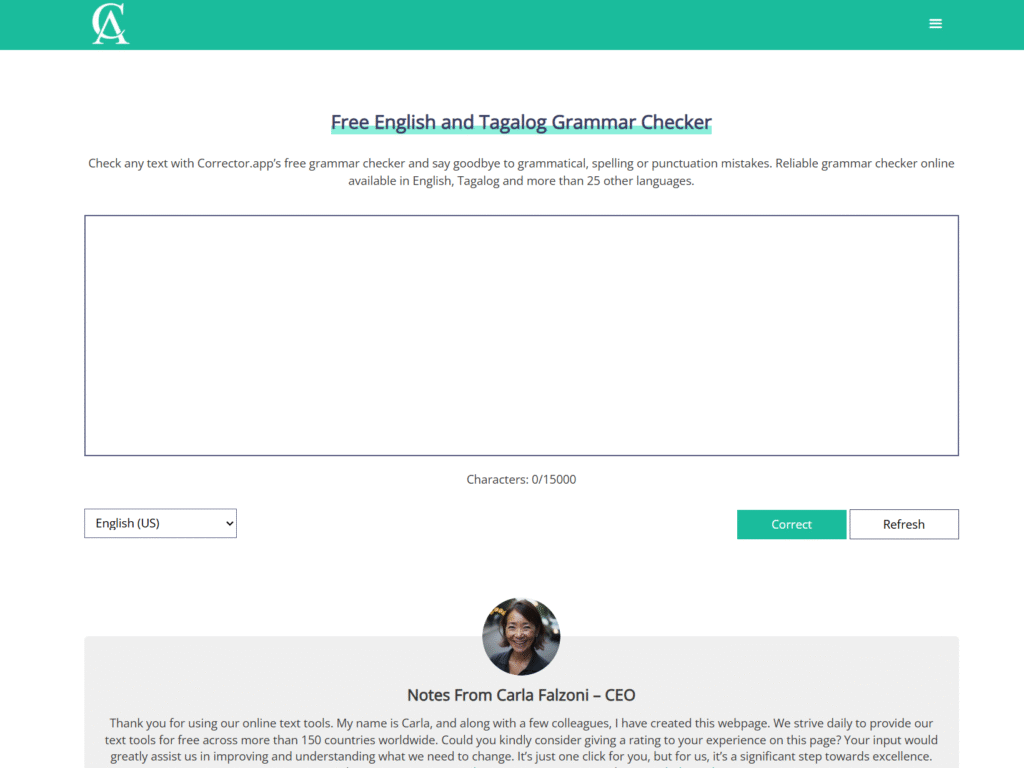
Someone’s making $2,000 a month giving away grammar checking for free.
Wait, what?
They don’t charge users a penny to check spelling and grammar across 33 languages. Instead, they make money from display advertising while pulling 40,000 monthly visitors who desperately need their writing fixed.
The grammar checking market is dominated by Grammarly, but that doesn’t mean there’s no room for smaller players solving the problem differently. Free tools with smart monetization can absolutely work.
Let me show you how.
Ad 🎯 After studying 400+ business models, here’s what actually works for beginners…
Most “make money online” advice is garbage. Complex affiliate schemes. Dropshipping nightmares. Social media “influencing.”
We found something better: lead-generation funnels for manufacturers. Simple. Profitable. Fast results.
Our Max Incubator Phase 1 students are proof—they’re going from zero to their first $1,000 in 90 days with this exact model.
→ See the business idea that’s working for beginners this year
The Tool That Doesn’t Cost Users Anything
Most grammar checkers either offer limited free versions with aggressive upselling or charge subscription fees upfront. This platform took a different approach entirely.
Completely Free Grammar Checking
The core functionality—checking spelling, grammar, and punctuation—is 100% free with no restrictions, no trials, no credit card required.
You paste in your text, click check, and get comprehensive error detection with explanations. That’s it. No bait-and-switch where basic features are free but anything useful requires upgrading.
This creates massive user goodwill because there’s no frustration of being teased with functionality you can’t actually use. The tool genuinely helps without demanding payment, which builds trust and drives word-of-mouth growth.
The psychology here is smart: when something helps you for free repeatedly, you develop loyalty to it. You bookmark it. You recommend it to colleagues. You return to it habitually rather than searching for alternatives.
33 Language Support
Supporting multiple languages exponentially expands the addressable market.
English alone is huge, but adding Tagalog, Spanish, French, German, and 28 other languages means serving users worldwide. Someone in the Philippines needs grammar checking just as much as someone in the United States, but most tools only focus on English.
Multi-language support also improves SEO significantly because you’re ranking for searches in multiple languages. “Grammar checker” in English is one keyword. “Corrector gramatical” in Spanish is another market entirely.
The development effort to support multiple languages is substantial, but it’s a competitive moat. Most new entrants won’t bother with that complexity, giving established multi-language tools advantages.
Additional Tools Beyond Grammar
The platform expanded beyond grammar checking to include AI content checkers, HTML editors, Morse code translators, plagiarism checkers, and other writing-related tools.
This creates a sticky ecosystem where users return for different needs rather than just grammar checking. Someone coming for the grammar tool discovers the plagiarism checker and uses both. Cross-pollination between tools increases overall usage and engagement.
Each additional tool also represents another SEO opportunity. “Free plagiarism checker” and “online HTML editor” are separate search queries bringing new users who might not have found the grammar tool otherwise.
The more value you provide within one platform, the less reason users have to go elsewhere for related needs.
How Display Ads Actually Pay the Bills
Making $2,000 monthly from free tools sounds impossible until you understand display advertising economics at scale.
The Traffic Volume That Makes It Work
Forty thousand monthly visitors is the magic number making this work.
Display ad revenue operates on RPM (revenue per thousand impressions). Depending on ad network and niche, RPMs typically range from $5-25. Let’s assume conservative $10 RPM for utility tools.
With 40,000 monthly visitors viewing maybe 2-3 pages each, you’re generating 80,000-120,000 page views monthly. At $10 RPM, that’s $800-1,200 just from basic display ads.

But grammar checking tools have high engagement—people aren’t just glancing and leaving. They’re pasting text, reviewing errors, making corrections, checking again. Multiple page views per session, longer time on site, more ad impressions.
The platform partners with ad networks optimizing placement and targeting. When done well, display ads on high-traffic utility tools can absolutely generate $2K+ monthly.
Relevant Advertising That Doesn’t Alienate Users
The ads shown are relevant to the audience—writing tools, educational resources, productivity software, language learning platforms.
Relevant advertising performs better (higher click rates, more revenue) while being less annoying to users. Someone using a grammar checker might genuinely be interested in writing courses or productivity tools.
Compare that to random irrelevant ads (dating sites on a grammar tool?) which generate user frustration without much revenue. Strategic ad placement and targeting matters enormously for both user experience and monetization.
The platform balances ad presence carefully. Enough ads to generate revenue, but not so many that the tool becomes unusable and drives people away. That balance is crucial for sustainability.
What This Platform Executes Well
At $2K monthly from free tools, specific strategic decisions are working correctly.
Crystal Clear Value Proposition
The website immediately communicates what it offers: free grammar checking across 33 languages with comprehensive error detection and explanations.
No confusion. No vague promises. Just “here’s what we do, here’s how it helps you, start using it now.” That clarity converts visitors into users efficiently.
The emphasis on “free” prominently displayed addresses the primary user concern upfront. People are skeptical of free tools—they expect catches or limitations. Clearly communicating it’s genuinely free without restrictions removes that friction.
Multi-language support is highlighted because it’s a key differentiator. Someone needing Tagalog grammar checking has limited options and will be thrilled to discover this tool serves them.
Comprehensive Tool Information
The website doesn’t just provide the tool—it explains why grammar checking matters, how to use the features effectively, and what problems it solves.
Educational content around the tools serves multiple purposes: it helps users get more value (improving satisfaction), it provides SEO content ranking for informational searches, and it positions the platform as authority rather than just another free tool.
When you teach people how to use your product effectively, adoption and satisfaction increase. Users who understand all the features stick around longer and recommend it more enthusiastically.
User Feedback Mechanisms
Prompting users for ratings and feedback shows the platform values user experience and continuously improves.
That feedback loop provides valuable insights into what’s working and what frustrates users. Acting on that feedback improves the product while making users feel heard, which increases loyalty.
Publicly displaying ratings (if positive) also provides social proof for new visitors. Seeing others rate it highly reduces skepticism about whether a free tool is actually good.
Strong SEO Driving Organic Traffic
Forty thousand monthly organic visitors doesn’t happen accidentally. The platform clearly invested in SEO strategy.
Optimizing content with relevant keywords, building backlinks from reputable sources, creating meta tags and descriptions—all the fundamentals executed consistently over time compound into significant organic traffic.
For utility tools, SEO is the primary growth channel. Someone needing grammar checking searches for it, finds you ranking well, uses the tool, bookmarks it, returns regularly. That acquisition funnel is sustainable and scales without proportionally increasing costs.
Where Revenue Gets Left Behind
Two thousand monthly is nice, but there’s obvious potential to scale significantly higher with some strategic additions.
Premium Features Could Add Subscription Revenue
The freemium model works brilliantly—but there’s currently no premium tier offering advanced features to users willing to pay.
Power users who rely on the tool daily would likely pay $5-10 monthly for features like: detailed style suggestions beyond grammar, plagiarism checking for longer documents, browser extensions for checking while writing, integration with writing apps, priority support, and ad-free experience.
Not everyone would upgrade—maybe 1-3% of users convert to paid. But with 40,000 monthly users, even 1% converting to $7/monthly premium means $2,800 additional monthly revenue. That nearly doubles income without changing the free offering at all.
The key is keeping the free version genuinely useful so the platform continues growing, while making premium worth paying for without feeling like the free version is deliberately crippled.
Freemium SaaS models consistently show that small percentage of paying users can dramatically increase revenue beyond just advertising.
YouTube Content Would Multiply Reach
Creating YouTube tutorials, writing tips, grammar lessons, and language learning content would open entirely new traffic channels.
YouTube is the second largest search engine. People constantly search for “how to improve grammar,” “common writing mistakes,” “English grammar tutorial,” and similar queries. Educational videos ranking for those terms would drive massive traffic while establishing authority.
Monetizing the YouTube channel through ads provides additional revenue stream. Videos would also naturally promote the grammar checking tool, funneling viewers back to the platform.
Content creation effort is substantial, but video content has longer shelf life than you’d expect. One comprehensive grammar tutorial video could bring traffic for years.
Social Media Presence Nonexistent
There’s virtually no social media activity despite writing and education being highly social topics.
LinkedIn would be perfect for reaching professionals and students who need grammar checking regularly. Quick tips, common mistakes, writing advice—all perform well and drive awareness.
Twitter/X has active writing and education communities. Engaging in those conversations builds followings and drives traffic.
Instagram might seem odd for grammar tools, but educational infographics about common mistakes actually perform well visually and reach younger demographics.
Not having social presence means missing free distribution channels that could significantly amplify organic reach.
Website UI Could Improve Significantly
The interface is functional but not particularly modern or visually appealing. Clean, attractive design would improve perceived value and user satisfaction.
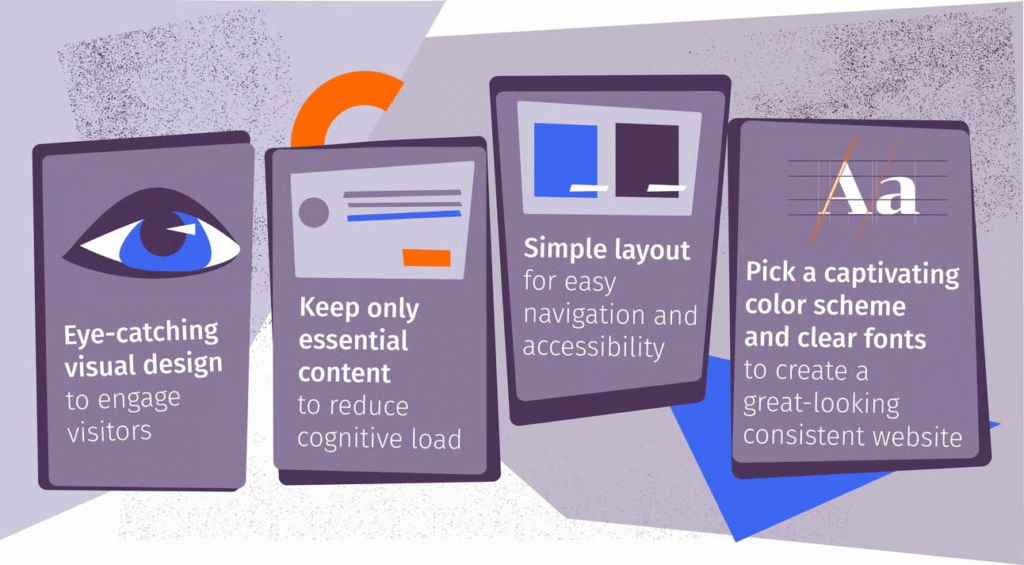
Visual elements, intuitive navigation, and modern layout signal quality and professionalism. When free tools look polished, users trust them more and stick around longer.
Small UI improvements like better button placement, clearer labels, and visual feedback on actions can dramatically improve conversion and engagement without changing functionality.
Ad 🎯 Ready to put these strategies into action?
Theory is great, but execution is what drives growth. That’s where Max Business School™ comes in.
Inside, you’ll find step-by-step digital marketing courses (SEO, ads, email, social, content, and more) — taught by professionals, designed for beginners and business owners alike.
And the best part? It’s 100% free, online, and flexible.
→ Join Max Business School Today — Free
The Founder and Her Vision
Behind Corrector App is Carla Falzoni, founder and CEO with years of experience in online text tools.
Carla’s expertise in language and communication drove the platform’s development. She recognized that quality grammar checking shouldn’t require expensive subscriptions—it should be accessible to everyone regardless of ability to pay.
That democratic vision shaped the business model. Rather than maximizing revenue by charging users, the platform monetizes through advertising while remaining free for everyone who needs it.
This approach builds massive goodwill. Users appreciate the genuine helpfulness without pushy upselling. That appreciation translates into loyalty, recommendations, and organic growth difficult to achieve through paid marketing alone.
The platform’s success demonstrates that serving users first and monetizing second can work. The free model attracted 40,000 monthly users generating enough ad revenue to sustain operations while helping people worldwide improve their writing.
Your Critical Takeaways
Strip away the grammar checking specifics and here’s what this case study teaches:
Free tools can generate substantial revenue through advertising at scale. Forty thousand monthly users creates enough ad impressions to generate meaningful income.
Multi-language support dramatically expands addressable markets. Each language is essentially a separate customer segment you can serve and monetize.
Clear value propositions convert efficiently. When users immediately understand what you offer and how it helps, adoption friction reduces dramatically.
SEO is the primary growth engine for utility tools. People actively search for solutions to specific problems—ranking for those searches provides sustainable user acquisition.
Freemium models can add significant revenue without alienating free users. Small percentage converting to premium subscriptions can double or triple revenue.
Additional related tools increase stickiness. Users who find multiple valuable tools on one platform return more frequently and switch to competitors less willingly.
Educational content around tools improves both SEO and user satisfaction. Teaching people how to use your product effectively improves outcomes and rankings.
What You’d Need to Build This
Let’s be realistic about creating a grammar checking tool or similar utility platform.
You need technical development capabilities—either programming skills yourself or budget to hire developers. Grammar checking requires natural language processing knowledge, which is non-trivial software engineering.
The skill stack includes software development with NLP expertise, web development for the interface, understanding of advertising networks and optimization, SEO knowledge for driving organic traffic, and content creation for educational materials.
Starting capital varies wildly. Minimum viable product for single language with basic functionality: $10,000-25,000 if hiring developers. Comprehensive multi-language tool with advanced features: $50,000-100,000+.
Alternatively, licensing existing grammar checking APIs or services and building interface around them reduces development costs but increases ongoing operational expenses and reduces differentiation.
Here’s the honest assessment: building grammar tools is technically challenging and competitive. Established players like Grammarly dominate with massive resources. Success requires either superior execution, unique positioning (like multi-language support), or serving underserved niches.
Corrector App succeeds by being genuinely free, supporting many languages, and focusing on serving users rather than aggressive monetization. That positioning allows coexistence with premium competitors rather than directly competing dollar-for-dollar.
For anyone considering utility tools broadly: the model works when you solve real problems, drive significant traffic through SEO, and monetize through advertising and/or freemium subscriptions. Pick problems you understand deeply, build genuinely useful solutions, and focus on user satisfaction over short-term revenue maximization.
At $2K monthly, Corrector App proves free tools can generate revenue. With premium tier and YouTube channel, $5K-7K monthly is absolutely achievable without changing the core free offering that attracts users.
The opportunity exists. The model works. Now it’s about execution and scale.