
How to Earn $3K Monthly with Eco-Friendly Leather Bags ($36K Yearly)
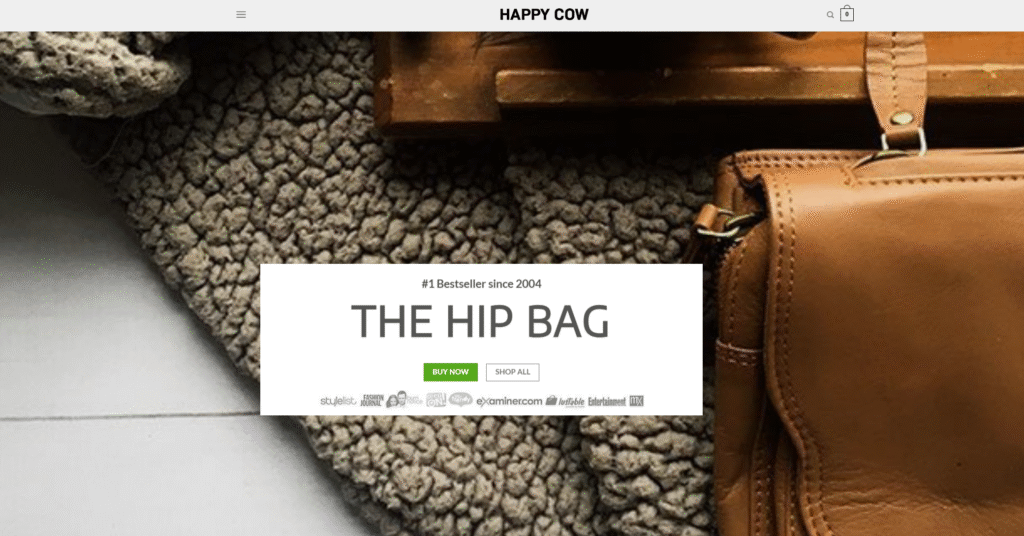
Someone’s making $3,000 a month selling handmade leather bags that are kind to both skin and environment.
Not mass-produced fast fashion accessories. Not cheap synthetic materials. Handcrafted bags made from vegetable-tanned leather that leave smaller environmental footprint while looking absolutely beautiful.
The sustainable fashion market continues growing as consumers increasingly care about environmental impact of their purchases. That shift creates opportunity for brands genuinely committed to sustainability.
Let me show you how HappyCow built a profitable business at the intersection of style, function, and environmental responsibility.
Ad 🎯 After studying 400+ business models, here’s what actually works for beginners…
Most “make money online” advice is garbage. Complex affiliate schemes. Dropshipping nightmares. Social media “influencing.”
We found something better: lead-generation funnels for manufacturers. Simple. Profitable. Fast results.
Our Max Incubator Phase 1 students are proof—they’re going from zero to their first $1,000 in 90 days with this exact model.
→ See the business idea that’s working for beginners this year
The Product Line That Balances Form and Function
Most eco-friendly products sacrifice style for sustainability. HappyCow refuses that compromise.
Vegetable-Tanned Leather: The Material Advantage
The core differentiator is vegetable-tanned leather—leather processed using natural tannins from plants rather than harsh chemicals.
Traditional leather tanning uses chromium and other chemicals harmful to environment and potentially irritating to skin. Vegetable tanning is ancient process using tree bark extracts, completely biodegradable and significantly gentler.
The resulting leather develops beautiful patina over time rather than deteriorating. Each bag ages uniquely based on how it’s used, creating personal character impossible with synthetic materials or chemically-tanned leather.
For environmentally-conscious consumers, material choice matters enormously. They want products aligning with values, not just greenwashed marketing claims. Genuine vegetable-tanned leather provides that authentic sustainability story.
The trade-off is cost. Vegetable tanning is slower and more labor-intensive than chemical processes, meaning higher material costs. But customers valuing sustainability and quality gladly pay premium for authentic eco-friendly products.
Diverse Product Range
The store offers comprehensive selection: backpacks for daily use, hip bags for fashion-forward customers, wallets, glasses cases, and various bag styles serving different needs.
Product variety accomplishes multiple goals. It captures broader customer segments—someone wanting hip bag might not need backpack, but offering both means serving both customer types.
Different price points make the brand accessible to various budgets. Smaller items like wallets and glasses cases provide entry points for customers not ready to invest in expensive backpack.
The range also increases average order value. Someone buying backpack might add matching wallet. Cross-selling between items is easier when comprehensive selection exists.
Each product maintains consistent quality standards and material choices. Whether buying glasses case or large backpack, customers know they’re getting vegetable-tanned leather and handcrafted quality.
Handcrafted Quality
Everything is handmade rather than mass-produced. This approach supports craftsmanship while ensuring quality control.
Handcrafted products command premium pricing because customers recognize value of skilled work. Mass-produced bags might be cheaper, but they lack uniqueness and quality associated with artisan craftsmanship.
The handmade aspect also supports brand storytelling. Each bag represents hours of skilled labor, traditional techniques, and attention to detail impossible in factory production.
Limited production capacity from handcrafting creates natural exclusivity. You can’t produce infinite quantities, which maintains value and prevents brand dilution from over-availability.
The Business Model Behind the Sales
Three thousand monthly from handmade leather bags requires smart pricing, positioning, and customer acquisition strategies.
Premium Pricing Justified by Value
The bags aren’t cheap—and that’s strategic choice.
Vegetable-tanned leather, handcrafted construction, and genuine sustainability aren’t budget-friendly to produce. Attempting to compete on price with mass-market brands would be impossible while maintaining quality and margins.
Instead, the pricing reflects value proposition: eco-friendly materials, lasting quality that improves with age, unique handcrafted character, and supporting sustainable practices. Customers paying premium prices aren’t just buying bags—they’re buying values alignment and investment pieces.
The luxury sustainable fashion market demonstrates consumers willing to pay significantly more for products aligning with environmental and ethical values. HappyCow positions at accessible end of that spectrum—premium but not stratospherically expensive.
Direct-to-Consumer Model
Selling primarily through own website rather than wholesale or marketplaces maximizes margins and control.
Direct relationships with customers mean capturing full retail value rather than wholesale prices 40-50% lower. That margin difference is crucial for handmade products with higher production costs.
Owning customer relationships enables email marketing, repeat purchase nurturing, and brand loyalty building impossible when selling through third-party platforms.
The DTC approach also provides direct feedback. Customer reviews, questions, and comments inform product development and quality improvements without intermediary filtering.
Free Shipping as Conversion Tool
Offering free shipping within USA and Australia removes significant purchase barrier.
Shipping costs cause cart abandonment frequently, especially for mid-priced items where shipping represents substantial percentage of total. Eliminating that friction improves conversion rates.
The cost is absorbed into product pricing rather than appearing as separate line item. Customers perceive better value when seeing “$120 free shipping” versus “$100 plus $20 shipping” even though total is identical.
Geographic limitation (USA and Australia only) focuses efforts on markets where shipping costs are predictable and manageable rather than spreading too thin internationally.
What HappyCow Executes Brilliantly
Making $3K monthly from handmade bags requires several strategic elements working together.
Chemical-Free Messaging
Prominently communicating that bags are chemical-free addresses both environmental and health concerns.
Many consumers worry about chemical exposure from products touching their bodies daily. Emphasizing chemical-free production provides peace of mind.
The messaging isn’t buried in fine print—it’s featured prominently throughout the site. This transparency builds trust that the environmental claims aren’t just marketing fluff.
Detailed information about vegetable tanning process educates customers why this matters. Educational content elevates beyond just claiming eco-friendliness to explaining actual environmental benefits.
Customer Reviews and Social Proof
The website showcases positive reviews prominently, building trust with prospective customers.
For handmade products from smaller brands, social proof is crucial. People need reassurance that quality matches promises and that others had positive experiences.
Reviews addressing specific concerns (durability, size accuracy, customer service responsiveness) help potential buyers overcome objections before they become deal-breakers.
Displaying reviews also demonstrates confidence in products. Brands hiding or minimizing reviews signal potential quality issues. Prominent display suggests nothing to hide.
First-Purchase Discount Incentive
Offering $10 off for newsletter subscribers provides immediate incentive for email capture.
Email lists are most valuable marketing assets e-commerce businesses build. Direct communication channel independent of platforms or algorithms ensures ongoing customer relationships.
The discount incentive converts fence-sitters into buyers. Someone browsing who’s almost convinced gets nudged over the line by immediate discount.
Even buyers who don’t purchase immediately provide email addresses for future marketing. That captured lead might convert months later when timing or budget aligns.
Easy Exchange Policy
Transparent, hassle-free exchange process reduces purchase risk.
Buying bags online is challenging because fit, size, and style are difficult to judge from photos. Easy exchanges overcome that hesitation by removing downside risk.
Customer service excellence differentiates from competitors. Many brands make returns deliberately difficult. Making it easy creates positive experience even when initial purchase wasn’t perfect fit.
The confidence to offer easy exchanges signals product quality. If quality was poor, high return rates would kill profitability. Offering it suggests returns are rare because products meet expectations.
Bonus Gifts for Larger Purchases
Free leather accessory for purchases over $100 increases average order value.
The $100 threshold is strategic—it’s achievable (many bags are priced there or slightly below) while encouraging customers to add smaller items reaching threshold.
Bonus gifts create excitement beyond just discount. Receiving unexpected gift feels more special than saving equivalent amount, even though economic value is similar.
The leather accessory bonus reinforces brand quality. If bonus items were cheap throwaways, they’d diminish brand perception. Quality bonus accessories reinforce premium positioning.
Where Revenue Gets Left Behind
At $3K monthly, obvious growth opportunities aren’t being captured.
Social Media Advertising Completely Absent
The business apparently isn’t running paid social media ads despite products being perfect for visual platforms.
Instagram and Facebook advertising for fashion accessories consistently delivers strong ROI when targeting right audiences. Beautiful product photography combined with environmental values messaging would resonate with sustainability-focused demographics.
Lookalike audiences based on existing customers would find new buyers matching proven customer profiles. Interest targeting around sustainable fashion, eco-conscious living, handmade goods, and leather accessories would identify qualified prospects.
The lifetime value of customers buying $100+ bags supports reasonable acquisition costs. If acquiring customers for $30-50 who make $120 initial purchase plus potential repeat buys, economics work favorably.
Visual ads showing leather patina development over time, craftsmanship process, or products in use would be particularly compelling for this brand.
Influencer Partnerships Untapped
Collaborating with eco-friendly lifestyle influencers and sustainable fashion bloggers would multiply reach.
Influencers in sustainability niche have dedicated followings specifically interested in eco-friendly products. Their recommendations carry weight because audiences trust their values alignment.
Micro-influencers (10K-100K followers) often provide better ROI than major celebrities. Their audiences are more engaged and authentic than mega-influencers’ broader followings.
Gifting products to relevant influencers for authentic reviews costs only product and shipping. If even 20% create content, that’s essentially free marketing reaching targeted audiences.
Long-term ambassador relationships where influencers genuinely love and use products provide ongoing authentic promotion more valuable than one-off sponsored posts.
Content Marketing Barely Exists
Blog or educational content about leather care, sustainable fashion, style guides, or environmental impact would drive organic traffic.
People constantly search for information about sustainable fashion choices, leather care tips, eco-friendly materials, and similar topics. Ranking for those searches brings qualified traffic.
Educational content positions brand as authority rather than just retailer. When you teach people about vegetable tanning process or leather care, they trust your expertise and products.
Content also provides email capture opportunities. Comprehensive guides offered as downloadable PDFs in exchange for email addresses build lists from people already interested in related topics.
Email Marketing Strategy Basic
Beyond initial newsletter signup discount, email marketing appears underutilized for ongoing engagement and sales.
Automated welcome series could educate new subscribers about materials, craftsmanship, and brand values while gently introducing products.
Leather care tips and seasonal styling advice provide value keeping subscribers engaged between purchases. Pure promotional emails get ignored, but valuable content builds relationships.
Abandoned cart sequences recover sales from people who started checkout but didn’t complete. Gentle reminders with customer reviews or limited-time incentives convert many abandoned carts.
Win-back campaigns target customers who haven’t purchased in 6-12 months, reigniting interest with new products or special offers.
Ad 🎯 Ready to put these strategies into action?
Theory is great, but execution is what drives growth. That’s where Max Business School™ comes in.
Inside, you’ll find step-by-step digital marketing courses (SEO, ads, email, social, content, and more) — taught by professionals, designed for beginners and business owners alike.
And the best part? It’s 100% free, online, and flexible.
→ Join Max Business School Today — Free
The Founder and Her Vision
Behind HappyCow is entrepreneur (represented as “Lisa” in the newsletter) who recognized opportunity at intersection of fashion, function, and environmental responsibility.
The business started from frustration with lack of truly sustainable, high-quality bag options. Eco-friendly often meant ugly or low-quality. High-quality usually meant environmentally harmful production.
Creating products solving that problem while building profitable business demonstrates that sustainability and commercial success aren’t mutually exclusive.
The commitment to vegetable-tanned leather despite higher costs shows prioritizing values over easiest path to profit. That authenticity resonates with customers tired of greenwashing where brands claim environmental credentials without substance.
The diverse product line reflects understanding that sustainable fashion needs to serve various customer needs and price points, not just wealthy consumers able to afford luxury eco-products.
Your Essential Takeaways
Strip away specifics about leather bags and extract universal insights:
Material choices create differentiation. Vegetable-tanned leather sets brand apart from synthetic competitors and chemically-tanned alternatives.
Sustainability positioning attracts premium pricing. Customers valuing environmental impact pay more for authentic eco-friendly products.
Product variety captures broader markets. Offering multiple items at different price points serves various customer segments and needs.
Social proof overcomes skepticism about smaller brands. Reviews and testimonials crucial for handmade products from less-known companies.
Transparent processes build trust. Explaining why vegetable tanning matters educates customers and validates environmental claims.
Risk removal improves conversion. Easy exchanges, free shipping, and clear policies reduce purchase hesitation.
Direct-to-consumer maximizes margins. Keeping full retail value crucial for handmade products with higher production costs.
What You’d Need to Launch This
Let’s be realistic about starting handmade sustainable fashion business.
You need either leatherworking skills yourself or relationships with artisans who can produce to your quality standards. Handcrafted requires actual skilled craftspeople, not just sourcing from manufacturers.
Material sourcing for vegetable-tanned leather requires finding reliable suppliers. The material isn’t as widely available as chemically-tanned leather, and quality varies significantly between suppliers.
The skill stack includes product design, leather craftsmanship or artisan management, product photography, e-commerce platform management, basic marketing and copywriting, and customer service capabilities.
Starting capital depends on approach. Making products yourself: $3,000-8,000 for materials, tools, and initial inventory. Working with artisans: $10,000-20,000 for production minimums, inventory, website, photography, and initial marketing.
Here’s the honest assessment: sustainable fashion works when commitment to environmental values is genuine rather than marketing angle. Customers are sophisticated about spotting greenwashing.
The market exists and continues growing. Younger consumers especially prioritize sustainability when shopping. But competition is increasing as more brands enter sustainable fashion space.
Success requires combination of genuine environmental commitment, quality craftsmanship, smart marketing communicating value proposition clearly, and patience building brand recognition and trust over time.
HappyCow at $3K monthly demonstrates the model works. With social media advertising, influencer partnerships, and stronger content strategy, $8K-12K monthly is absolutely achievable within 12-18 months.
The foundation is solid: quality products, authentic sustainability story, positive customer reviews. It’s just about reaching more of the substantial audience actively seeking exactly what they offer.