
How to Earn $5K Monthly with Vegan Makeup Tools ($60K Yearly)
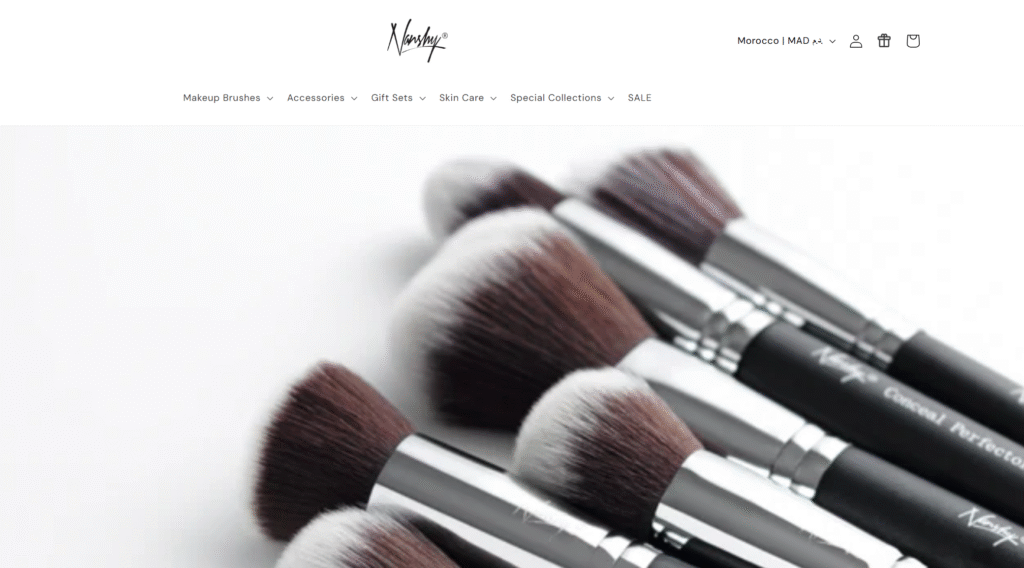
Picture this: someone’s pulling in five grand a month selling makeup brushes.
Not just any brushes, though. Vegan, eco-friendly, personalized beauty tools that let customers feel good about their purchases while getting flawless makeup application.
The beauty industry is absolutely massive—we’re talking hundreds of billions globally. But here’s what’s interesting: this business isn’t trying to compete with Sephora or MAC. They’ve carved out a specific corner focused on ethical, sustainable beauty tools, and it’s working beautifully.
Let me show you exactly how.
Ad 🎯 After studying 400+ business models, here’s what actually works for beginners…
Most “make money online” advice is garbage. Complex affiliate schemes. Dropshipping nightmares. Social media “influencing.”
We found something better: lead-generation funnels for manufacturers. Simple. Profitable. Fast results.
Our Max Incubator Phase 1 students are proof—they’re going from zero to their first $1,000 in 90 days with this exact model.
→ See the business idea that’s working for beginners this year
The Product Line That Prints Money
Most beauty brands throw everything at the wall hoping something sticks. This one’s smarter than that. They’ve built a focused product ecosystem where everything fits together logically.
Brush Collections for Every Need
The foundation of the business is brush collections. Lip brushes, eye brushes, face brushes—organized by application type rather than forcing customers to figure it out themselves.
Here’s why this matters: buying makeup brushes individually is annoying. You end up with mismatched quality, different handle lengths, varying bristle textures. Collections solve this problem by curating the exact brushes you need for specific applications.
And because they’re selling collections rather than individual items, the average order value is significantly higher. Someone might spend $15 on one brush, but they’ll spend $60-80 on a complete set.
The vegan angle isn’t just marketing fluff—it’s genuine differentiation. Traditional makeup brushes use animal hair (usually from squirrels, horses, or goats). Vegan alternatives use synthetic bristles that perform just as well while appealing to the growing market of ethically-conscious consumers.
The vegan beauty market has been growing steadily for years. More people care about what their products are made from, and brands that align with those values capture customer loyalty that goes beyond price.
Makeup Bags, Sponges, and Storage Solutions
Smart businesses don’t just sell the main product—they sell everything around it.
Once someone buys your brushes, they need somewhere to store them. Boom, makeup bags and storage solutions. They need tools to apply foundation smoothly. Here come the makeup sponges.
This strategy is called product ecosystem building. Each product naturally leads to another, increasing lifetime customer value without feeling pushy about it.
The beauty of this approach is customers appreciate the convenience. They don’t have to shop around at five different stores to build their complete makeup toolkit—they can get everything from one trusted brand.
Skincare Tools and Brush Care Products
This is where it gets clever. They’re not just selling brushes—they’re selling the entire maintenance ecosystem.
Face rollers and skincare tools extend the product line into adjacent territory. Someone interested in vegan makeup brushes probably also cares about sustainable skincare tools. It’s the same customer avatar, just a slightly different need.
Then there’s the antibacterial cleaning soap specifically for brushes and sponges. This is genius because it creates recurring purchases. Brushes are a one-time sale (well, until they need replacement). Cleaning soap is something customers need to buy repeatedly.
Recurring revenue through consumable products is one of the oldest tricks in business, and it works because it’s genuinely useful. Your brushes will last longer and perform better when properly maintained, so the cleaning soap isn’t a scam—it’s actually valuable.
What This Brand Absolutely Crushes
Let’s talk about the specific strategies making this business work so well. Because having good products is table stakes. Execution is what separates success from struggle.
Social Media Following That Actually Converts
Over 100,000 Instagram followers. That’s not buying followers or using bots—that’s genuine audience building in a visual-first industry where it matters most.
Beauty is inherently visual. Before-and-after looks, application tutorials, product close-ups—this content performs incredibly well on Instagram. The platform was basically designed for industries like cosmetics.
But follower count means nothing without engagement. What matters is those followers trust the brand enough to actually buy. When you’ve built real community through consistent content and authentic engagement, launches become easier and customer acquisition costs drop.
TikTok and Facebook presence add additional touchpoints. Multi-platform presence means you’re not dependent on any single algorithm change to tank your business. When Instagram shifts how they show content, you’ve still got TikTok and Facebook driving traffic.
25,000+ Backlinks Building Authority
Here’s a metric most people gloss over: 25,000 backlinks pointing to their website.
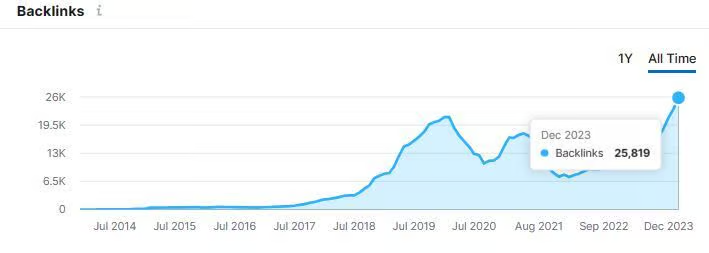
For those unfamiliar with SEO backlinks, they’re essentially votes of confidence from other websites. When reputable sites link to you, search engines interpret that as “this site must be valuable” and rank you higher.
Twenty-five thousand backlinks don’t appear by accident. That’s the result of genuine quality, PR efforts, blogger outreach, partnerships, and probably some press coverage along the way. Each link is a little pipeline bringing potential customers directly to your site.
Higher search rankings mean more organic traffic, which means more sales without paying for ads. It’s the closest thing to free money in online business (except it’s not free—it requires consistent effort to build that link profile).
Personalization That Creates Emotional Connection
Personalized brushes aren’t just a gimmick—they’re a strategic move to increase perceived value and customer attachment.
When you buy a standard brush, it’s replaceable. When you buy a brush with your name on it, it becomes yours. You’re less likely to switch brands because you’d lose that personalization. It’s a small psychological hack that increases customer retention.
Personalization also opens up the gift market. People buy personalized items for others—bridesmaids gifts, birthday presents, holidays. That’s a whole additional customer segment you’re capturing simply by offering the option to add a name.
And here’s the kicker: personalization often commands premium pricing. People will pay $5-10 extra per item for personalization, which is pure profit margin improvement since the actual cost of adding the personalization is minimal.
Environmental Commitment That Resonates
The climate change positioning isn’t just feel-good marketing—it’s smart business strategy for reaching a specific demographic.
Younger consumers, particularly Gen Z and Millennials, increasingly make purchasing decisions based on brand values. They want to know their money supports companies doing good in the world, not just extracting profit.
By aligning products with fighting climate change through sustainable materials and ethical production, this brand taps into that value-driven purchasing behavior. It’s not greenwashing—it’s genuine commitment that shows up in product choices.
This creates almost cult-like brand loyalty. Customers become advocates who tell their friends because they want to spread the mission, not just the product.
Where Money’s Being Left on the Table
No business executes perfectly. Here are the obvious opportunities this brand isn’t capitalizing on yet.
Missing Cross-Sell Opportunities at Checkout
Right now when someone’s checking out, they just see their cart. No “customers also bought” suggestions. No “complete your collection with these items.”
That’s money sitting on the table.
Amazon became dominant partially because their cross-sell strategy is ruthless. “Frequently bought together” bundles increase average order values significantly. If someone’s buying eye brushes, suggesting a brush cleaning soap or eye makeup sponge as an addition is logical and helpful.
Implementing this could increase average order value by 15-30% practically overnight. The customer was already buying—you’re just giving them smart suggestions they might genuinely need.
Organic Traffic Decline Needs Addressing
Year-over-year organic traffic is down. That’s a warning sign that needs immediate attention.
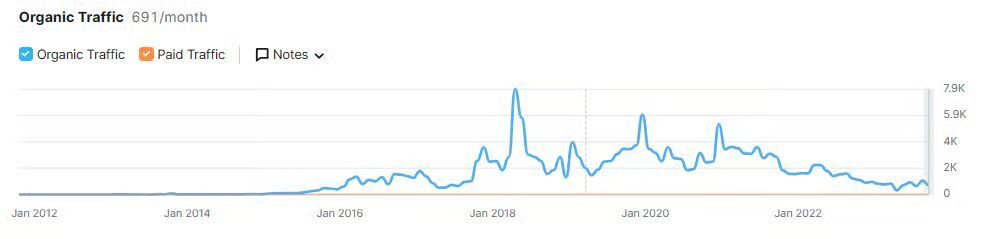
Traffic doesn’t just disappear randomly. Either search engines changed how they rank sites (algorithm updates), competitors started ranking for your keywords, or your content became outdated.
The fix usually involves auditing what changed, refreshing old content, creating new content targeting relevant keywords, and potentially improving technical SEO elements. The beauty and skincare space is competitive, so staying visible requires constant optimization.
Declining organic traffic directly impacts revenue since less traffic means fewer sales. Addressing this should be a top priority before it becomes a bigger problem.
Newsletter Hidden in the Footer
The email subscription option lives in the footer where approximately 3% of visitors will ever see it.
Meanwhile, email marketing consistently delivers some of the highest ROI of any marketing channel. For every dollar spent on email marketing, the average return is around $42 according to most industry studies.
A prominent email opt-in with an incentive (like “Subscribe and get 10% off your first order” or “Free brush care guide when you join”) would capture significantly more emails. Pop-ups get a bad rap, but they work when the offer is genuinely valuable.
Building that email list means you can market directly to interested people without paying Instagram or Facebook for the privilege. It’s one of the most valuable assets an online business can build.
Ad 🎯 Ready to put these strategies into action?
Theory is great, but execution is what drives growth. That’s where Max Business School™ comes in.
Inside, you’ll find step-by-step digital marketing courses (SEO, ads, email, social, content, and more) — taught by professionals, designed for beginners and business owners alike.
And the best part? It’s 100% free, online, and flexible.
→ Join Max Business School Today — Free
The Brand Behind the Brushes
Time to reveal the actual business: Nanshy.
Nanshy has established itself in the competitive beauty tools space through consistent quality and genuine commitment to environmental values. They’re not the biggest beauty brand, but they don’t need to be. They’ve found their niche and serve it well.
The product line is comprehensive without being overwhelming. The website is clean and easy to navigate. The pricing is positioned as premium but accessible—expensive enough to signal quality, affordable enough that most people can buy.
What stands out is the authenticity. This isn’t a generic dropshipping operation slapping “vegan” on imported products. There’s thought behind the product development, the materials chosen, and the brand positioning.
Your Critical Takeaways
Strip away the specifics about makeup brushes and here’s what this case study teaches:
Social media matters enormously for visual products. If you’re selling anything people need to see to appreciate, Instagram and TikTok aren’t optional.
Backlinks compound over time. Every link built today continues bringing value for years. Invest in link building early and consistently.
Personalization increases value and loyalty. When products feel uniquely “theirs,” customers stick around and pay premium prices.
Values-driven positioning attracts ideal customers. Aligning with causes your target demographic cares about creates deeper connections than product features alone.
Cross-selling dramatically improves profitability. The easiest sale is to someone already buying from you.
Organic traffic requires ongoing maintenance. Rankings aren’t “set it and forget it”—they need continuous attention.
Email lists are digital gold. Every business should be aggressively building their subscriber list.
What You’d Actually Need to Start This
Let’s get practical about launching a beauty tools business.
You need product sourcing expertise—finding manufacturers who can produce vegan, high-quality brushes at prices that allow profit margins. The beauty supply chain has established players, but finding the right partner requires research and relationship building.
Brand development and design skills matter enormously in beauty. Your packaging, website, and visual identity need to be on point because you’re competing with established brands that look polished.
The skill stack includes e-commerce management (probably Shopify), social media marketing (especially Instagram and TikTok), basic SEO understanding, content creation for product photography and videos, and customer service.
You also need starting capital. Manufacturing minimums, inventory costs, website development, initial marketing—you’re probably looking at $10,000-25,000 minimum to launch properly. Sure, you could start cheaper, but cutting corners in beauty often backfires because presentation is so critical.
Here’s the honest assessment: beauty is competitive but not impossible. Niche positioning (vegan, sustainable, specific product focus) is smarter than trying to compete broadly. Building slowly with quality products and genuine values will beat trying to scale quickly with mediocre products.
The market exists. The demand is real. You just need execution and patience to build something that stands out.
At $5,000 monthly, Nanshy proves a focused beauty tools business can work. With stronger cross-selling, better email capture, and improved organic traffic, there’s no reason it couldn’t be $10K-15K monthly within a year or two.
The opportunity’s there. The question is whether you’re willing to do the work to grab it.