
How to Earn $6K Monthly with Job Tracking Software ($72K Yearly)
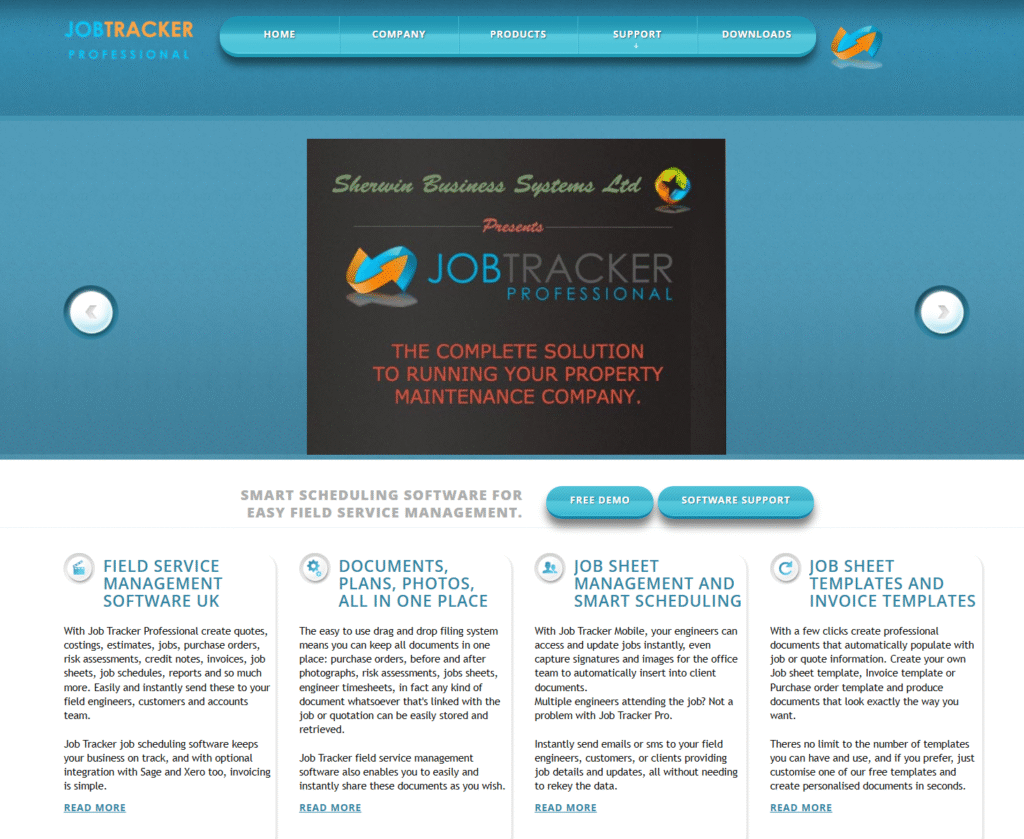
Here’s a business making $6,000 a month solving a problem most people don’t know exists.
Property maintenance companies drowning in paperwork, lost quotes, and disorganized job tracking. This software fixes that mess with drag-and-drop filing, instant document sharing, and comprehensive job management.
The property maintenance market is enormous but fragmented. Thousands of small-to-medium businesses need better systems but can’t afford enterprise software or implement complex solutions. That’s where focused, industry-specific software thrives.
Let me break down exactly how this works.
Ad 🎯 After studying 400+ business models, here’s what actually works for beginners…
Most “make money online” advice is garbage. Complex affiliate schemes. Dropshipping nightmares. Social media “influencing.”
We found something better: lead-generation funnels for manufacturers. Simple. Profitable. Fast results.
Our Max Incubator Phase 1 students are proof—they’re going from zero to their first $1,000 in 90 days with this exact model.
→ See the business idea that’s working for beginners this year
The Software Suite That Solves Real Problems
Generic project management tools don’t cut it for property maintenance. The workflows, documentation needs, and industry-specific requirements demand specialized solutions.
Job Tracker Pro: The Core Platform
The flagship product is Job Tracker Pro, comprehensive software specifically built for property maintenance workflows.
Drag-and-drop filing systems let users organize documents intuitively without technical knowledge. Job files, quotes, invoices, photos, and correspondence all link together automatically. When you need something, you find it instantly rather than digging through folders or physical file cabinets.
Document sharing happens seamlessly. Send quotes to customers, share job details with contractors, distribute reports to property managers—all from within the system rather than juggling email attachments and printouts.
The software tracks job progress from initial inquiry through completion and payment. Nothing falls through cracks because everything lives in one organized system with reminders and alerts.
For property maintenance businesses juggling dozens or hundreds of active jobs simultaneously, this organization is the difference between chaos and control.
Mobile, Online, and Cloud Solutions
The modern workforce isn’t chained to desks, so the software isn’t either.
Job Tracker Mobile lets field workers access job details, update statuses, and upload photos from their phones. The contractor at the property can document issues, note materials needed, and mark completion without returning to the office.
Job Tracker Online provides browser-based access for businesses preferring not to install software. Cloud storage ensures data backs up automatically and remains accessible from anywhere.
Job Tracker Direct handles specific workflows around direct communication and specialized reporting. Each version serves different operational needs rather than forcing every business into one rigid system.
Integration and Customization Options
Sage Integration connects with popular accounting software many UK businesses already use. Data flows between systems without manual re-entry, reducing errors and saving time.
Job Tracker Training helps businesses actually implement the software properly rather than abandoning it after purchase because nobody understands how to use it. Training packages ensure teams maximize the investment.
Custom Software development for businesses needing specialized features beyond standard offerings. This enterprise-level service caters to larger operations with unique requirements willing to pay premium prices for exact-fit solutions.
The flexibility to choose what you need rather than paying for comprehensive packages you’ll never fully utilize makes the pricing accessible to smaller operations while scalable to larger companies.
What This Software Provider Nails
At $6,000 monthly, this isn’t a runaway success story. But it’s profitably serving a specific niche through smart strategic choices.
Crystal Clear Value Proposition
The website immediately communicates what the software does and who it serves. No jargon. No vague claims. Just “property maintenance businesses, here’s how we help you stay organized.”
Clarity matters more than cleverness in B2B software marketing. Decision-makers evaluating options don’t have patience for cute copy or confusing messaging. They want to know: what does this do, will it solve my problem, and how much does it cost?
The benefits and features are explained comprehensively without overwhelming visitors. Detailed enough that serious prospects can evaluate fit, concise enough that busy owners don’t abandon the page halfway through.
Specific use cases demonstrate understanding of the industry. When software providers show they genuinely understand your workflows and pain points, trust develops faster than generic promises about “improving efficiency.”
User Experience That Doesn’t Frustrate
The website prioritizes intuitive navigation over flashy design. Clear calls-to-action guide visitors toward requesting demos or quotes. Responsive design ensures the experience works whether viewing on desktop, tablet, or phone.

Fast page load speeds prevent the frustration of waiting for content to appear. Technical optimization might not be sexy, but it directly impacts whether visitors stick around long enough to convert.
For B2B software, user experience encompasses the entire journey from first website visit through purchase and implementation. This provider clearly invested in making that journey smooth rather than assuming complex software should have a complex purchasing process.
Free Demonstrations That Remove Purchase Barriers
Offering free demos is smart strategy for software that benefits from hands-on experience.
Reading about features doesn’t have the same impact as actually seeing the software solve your specific workflow problem. Demos let prospects experience the value firsthand, which converts dramatically better than marketing copy alone.
The demo strategy also pre-qualifies leads. Someone willing to schedule and attend a demonstration is seriously evaluating solutions, not just browsing. Sales efforts focus on high-intent prospects rather than educating tire-kickers.
Social Proof Through Customer Testimonials
Testimonials and positive reviews scattered throughout the site build credibility and trust.
When you’re asking businesses to change their operational systems—which is disruptive and risky—skepticism runs high. Social proof from similar businesses successfully using the software reduces that skepticism.
The testimonials are specific about results rather than generic praise. “Reduced quote preparation time by 40%” is more persuasive than “great software!” because it gives prospects concrete expectations.
Where Growth Is Stalling
Six thousand monthly after 19 years suggests the business plateaued rather than continuously growing. Here’s why.
Online Presence Basically Nonexistent
Monthly organic traffic is 226 visitors. For a business that’s been around since 2004, that’s shockingly low.
Property maintenance companies are actively searching for better solutions. Terms like “job tracking software for property maintenance,” “property management software UK,” “contractor job tracking,” and similar searches represent ready-to-buy prospects.
Not ranking for these terms means losing potential customers to competitors who do rank. The opportunity cost is enormous—hundreds or thousands of qualified leads monthly just going elsewhere because they never discover this solution exists.
Building SEO for SaaS requires creating educational content about property maintenance challenges, software comparison guides, implementation best practices, and industry-specific tips. Each piece of content targets relevant searches while establishing thought leadership.
The business has 19 years of industry experience and knowledge. That expertise could fuel dozens of valuable blog posts, case studies, and resources that rank in search engines and drive qualified traffic.
Social Media Presence Nowhere to Be Found
There’s virtually no social media activity despite LinkedIn being perfect for B2B software marketing.

Property maintenance business owners, facility managers, and operations directors are active on LinkedIn. Sharing valuable content, engaging in industry discussions, and demonstrating expertise would build brand awareness among the exact audience who needs this software.
Facebook groups for property maintenance professionals, facility management forums, and industry-specific communities represent networking opportunities to establish authority and connect with prospects. Not participating means missing conversations where people are literally asking for software recommendations.
Even modest social media effort—posting weekly tips, sharing customer success stories, highlighting new features—would drive more awareness than complete absence.
No Affiliate or Partner Program
An affiliate program could transform growth trajectory by incentivizing others to promote the software.
Industry consultants, property management associations, training organizations, and complementary software providers could all become referral partners. They already have relationships with the target audience and could recommend the software to clients.
Affiliates earn commissions for referrals, making it performance-based marketing without upfront spend. The business only pays when acquiring actual customers, making it lower-risk than traditional advertising.
Partner programs create scalable distribution without proportionally scaling internal sales efforts. One successful affiliate could generate multiple customers monthly, dramatically improving economics.
Ad 🎯 Ready to put these strategies into action?
Theory is great, but execution is what drives growth. That’s where Max Business School™ comes in.
Inside, you’ll find step-by-step digital marketing courses (SEO, ads, email, social, content, and more) — taught by professionals, designed for beginners and business owners alike.
And the best part? It’s 100% free, online, and flexible.
→ Join Max Business School Today — Free
The Business and Its Legacy
The software we’ve been examining is Job Tracker Professional by Sherwin Business Systems.
With over 19 years of experience, they’ve built credibility and trust within the UK property maintenance sector. Longevity signals reliability—customers know the company will still be around to support their software years from now.
Job Tracker Professional serves companies ranging from local startups to international corporations. That breadth indicates the software scales appropriately rather than only working for specific business sizes.
The team’s professionalism and commitment to user-friendly service has earned reputation within the industry. These soft factors—responsiveness, support quality, implementation assistance—often matter more than feature lists when businesses evaluate software.
The challenge is growth has stagnated. At $6K monthly after nearly two decades, the business is stable but not thriving. With proper marketing and distribution strategies, there’s clear potential to scale to $15K-30K monthly without significant product changes.
Your Critical Takeaways
Strip away the specifics about property maintenance software and here’s what this case study teaches:
Clear value propositions convert better than clever marketing. B2B buyers want straightforward information about how you solve their problem.
User-friendly websites matter for technical products. If your site is confusing, prospects assume your software is too.
Free demos dramatically improve conversion for software. Experiencing the product beats reading about it.
Social proof reduces purchase risk. Testimonials from similar businesses make prospects comfortable saying yes.
SEO isn’t optional for sustainable growth. Nineteen years without search visibility explains why growth plateaued.
Social media presence matters even for B2B. Decision-makers are active on platforms like LinkedIn—being visible there builds awareness.
Partner programs scale distribution. Affiliates and partners can reach audiences you can’t access directly.
What You’d Need to Build This
Let’s be realistic about starting a job tracking software business for a specific industry.
You need software development capability—either development skills yourself or capital to hire developers. Building functional, reliable business software requires real engineering, not just template customization.
Domain expertise in your target industry is crucial. This software works because the founders understand property maintenance workflows intimately. Generic software trying to serve everyone serves nobody particularly well.
The skill stack includes software architecture and development, user experience design, industry knowledge, B2B sales capabilities, customer support infrastructure, and marketing knowledge for reaching target businesses.
Starting capital varies wildly based on approach. Minimum viable product focusing on core features: $25,000-50,000 for development. Comprehensive solution competing with established players: $100,000-250,000+. These estimates assume hiring developers, not doing it yourself.
The development timeline is measured in months or years, not weeks. Complex business software requires extensive testing, iteration based on user feedback, and refinement before it’s genuinely market-ready.
Here’s the honest assessment: industry-specific software can build sustainable businesses if you solve genuine pain points for underserved niches. The barrier to entry (development costs and domain expertise) protects you from casual competition.
Job Tracker Professional proves the model works—19 years of operation means they’re solving real problems and retaining customers. The missed opportunity is growth strategy. With proper SEO, social media presence, and partner programs, this could easily be a $20K-40K monthly business without changing the core product.
For anyone considering B2B software: pick an industry you understand deeply, identify specific workflow problems that aren’t well-solved by existing options, build something genuinely better for that use case, and market it properly. The opportunity exists if you’re willing to put in the work.