
How to Make $5K+ Monthly Selling Eco-Friendly Products
Let’s talk about guilt.
Specifically, the guilt that creeps in every time you throw away another plastic straw or watch yet another single-use coffee cup hit the trash. You know you should do better. You want to do better. But sustainable alternatives either cost a fortune or require effort you don’t have.
Now imagine turning that widespread guilt into a $5,000+ monthly income.
Not by shaming people. Not by preaching from a soapbox made of reclaimed barn wood. But by making eco-friendly living so simple, affordable, and beautiful that people actually want to buy your products.
That’s exactly what one Amazon store is doing with coconut bowls, bamboo straws, and recycled coasters.
Ad 🎯 After studying 400+ business models, here’s what actually works for beginners…
Most “make money online” advice is garbage. Complex affiliate schemes. Dropshipping nightmares. Social media “influencing.”
We found something better: lead-generation funnels for manufacturers. Simple. Profitable. Fast results.
Our Max Incubator Phase 1 students are proof—they’re going from zero to their first $1,000 in 90 days with this exact model.
→ See the business idea that’s working for beginners this year
The Sustainable Products Gold Rush Nobody’s Exploiting
Walk through Target or scroll Amazon and you’ll see “eco-friendly” slapped on everything from toilet paper to yoga mats.
But here’s what most sellers miss: sustainability isn’t just a trend. It’s a fundamental shift in consumer values that’s creating unprecedented opportunities for smart entrepreneurs.
According to sustainability market research, 85% of consumers have shifted their purchasing behavior to be more sustainable over the past five years. Gen Z is obsessed with it. Millennials champion it. Even Boomers are getting on board.
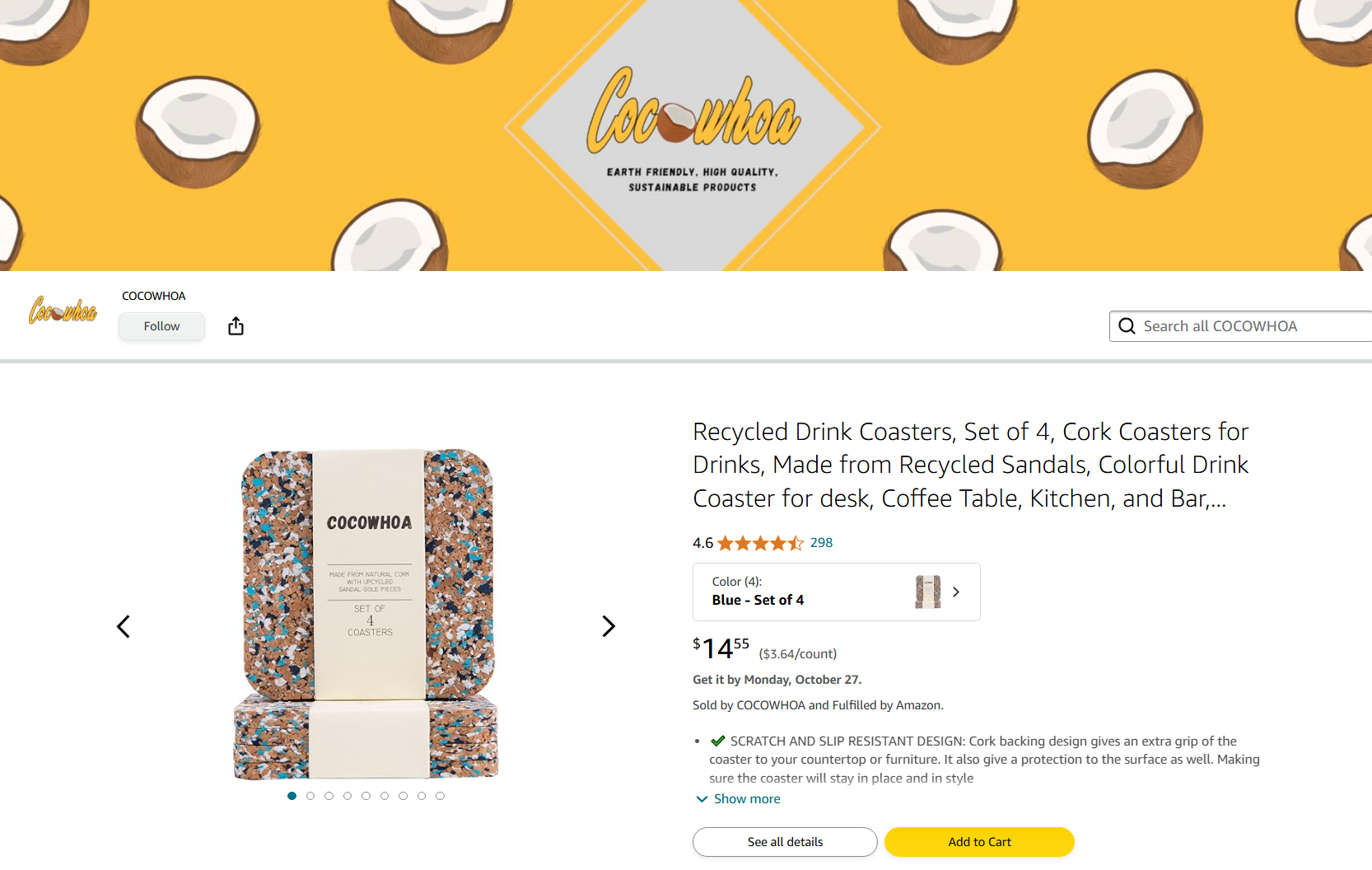
Cocowhoa, founded in 2020, proves you don’t need a million-dollar investment or revolutionary inventions to capitalize on this shift.
They’re generating $5,000+ monthly by selling three simple product categories: recycled drink coasters, handcrafted coconut bowls and spoons, and reusable bamboo straws.
No complicated tech. No massive infrastructure. Just thoughtfully curated sustainable products meeting genuine demand.
The Three Products Funding This Eco-Business
Strip away the mission statements and sustainability buzzwords, and you’ll find a beautifully simple product strategy.
Recycled Drink Coasters: Function Meets Values
These aren’t your grandmother’s cork coasters collecting dust in the basement.
Cocowhoa’s coasters are crafted from recycled materials with unique designs that make them both functional and decorative. Each purchase represents waste reduction, which resonates deeply with environmentally conscious consumers.
But here’s the genius part: they’re positioned as stylish home accessories first, eco-friendly products second.
People don’t want to buy guilt-relief. They want beautiful things that happen to align with their values. The coasters deliver both, which is why customers keep coming back.
Handcrafted Coconut Bowls and Spoons: Instagram-Worthy Sustainability
Walk into any trendy breakfast cafe and you’ll see smoothie bowls served in coconut shells.
Cocowhoa capitalized on this aesthetic trend by offering handcrafted coconut bowls and spoons for home use. These products provide eco-conscious consumers with sustainable alternatives to traditional dishware while doubling as statement pieces.
According to sustainable tableware market data, the global eco-friendly tableware market is expected to reach $115 billion by 2028. That’s not niche—that’s mainstream.
The coconut bowls work because they’re:
- Visually striking (perfect for social media)
- Functionally effective (actual usable dishware)
- Story-rich (made from upcycled coconut shells)
- Values-aligned (sustainable and waste-reducing)
You’re not just buying a bowl. You’re buying into a lifestyle.
Reusable Bamboo Drinking Straws: The Plastic Alternative
Single-use plastic straws have become the poster child for environmental devastation, thanks in part to that viral turtle video everyone saw and immediately felt terrible about.
Cocowhoa offers reusable bamboo straws sourced from renewable materials as an eco-friendly alternative. These straws appeal to consumers who want to reduce plastic waste without sacrificing convenience.
But here’s why bamboo straws specifically work well as a product:
- Low manufacturing cost
- High perceived value
- Genuine environmental benefit
- Repeatable purchase (people lose them or want more)
- Gift-worthy (eco-conscious friends buy them for each other)
The business model is straightforward: source quality bamboo straws, ensure consistent quality control, market to values-aligned consumers, and let Amazon handle the logistics.
What Cocowhoa Got Absolutely Right
Success on Amazon isn’t accidental. It’s the result of strategic decisions most sellers completely overlook.
Streamlined Store Design That Actually Converts
Most Amazon storefronts look like digital garage sales—cluttered, confusing, and overwhelming.
Cocowhoa took the opposite approach with a deliberately simple layout showcasing their three core product categories. No excess noise. No decision paralysis. Just clean, visually appealing presentation that makes purchasing effortless.
According to e-commerce conversion research, simplified navigation can increase conversion rates by up to 35%. When customers can instantly understand your offerings and find what they need, they buy.
This isn’t rocket science. It’s just discipline—resisting the temptation to add fifty products and instead perfecting the presentation of three.
Product Descriptions That Actually Inform
In the Amazon jungle, product descriptions are either annoyingly sparse or incomprehensibly verbose.
Cocowhoa strikes the perfect balance by providing detailed, informative descriptions that answer questions before customers even think to ask them. These aren’t just listings—they’re guides that build trust and position the brand as an authority in sustainable living.
This matters more than most sellers realize. When customers find comprehensive information, they don’t need to contact support, check reviews obsessively, or abandon the purchase to research elsewhere.
Everything they need to make a confident buying decision exists right there on the product page.
The Gold Mine of Glowing Reviews
On Amazon, reviews are currency. They’re the difference between “add to cart” and “keep scrolling.”
Cocowhoa boasts consistently positive reviews across all products, with ratings of 4+ stars. This social proof acts as a powerful conversion tool, signaling to potential customers that others have not only purchased but loved these products.
According to consumer review statistics, 99.9% of consumers read reviews when shopping online, and products with reviews earn 270% more conversions than products without them.
But here’s what separates good sellers from great ones: Cocowhoa doesn’t just collect reviews passively. They actively encourage satisfied customers to share experiences, creating a virtuous cycle of social proof that drives more sales.
Niche Strategy Built on Shared Values
This is where most Amazon sellers fail spectacularly.
They try to sell everything to everyone, creating generic stores with no identity or connection to customers. Cocowhoa laser-focused on eco-conscious consumers who prioritize sustainability in their purchasing decisions.
This isn’t just product selection. It’s community building.
By aligning completely with their target audience’s values, Cocowhoa creates more than transactions—they cultivate brand loyalty. Customers become advocates, returning for new products and recommending the brand to like-minded friends.
The business doesn’t sell products. It sells membership in a movement of eco-warriors making conscious consumption choices.
Customization That Creates Ownership
Here’s a subtle psychological principle most sellers ignore: people value things more when they’ve personalized them.
Cocowhoa allows customers to choose coaster colors, select set quantities for bowls and spoons, and pick bamboo straw sizes. These small customization options create a sense of ownership before the product even arrives.
According to consumer personalization research, 80% of consumers are more likely to purchase when brands offer personalized experiences.
Even small touches like color selection dramatically impact conversion rates and customer satisfaction.
The Massive Opportunities Being Completely Ignored
With $5,000+ monthly revenue, Cocowhoa has proven the model works. But they’re leaving serious money on the table.
The Website Disaster That’s Killing Sales
Here’s where things get frustrating from a business perspective.
Cocowhoa has a website, but it’s barely functional. The order tracking page doesn’t work. Prices aren’t updated. The user experience is clunky at best, broken at worst.
This matters because while Amazon provides customers and infrastructure, relying solely on Amazon means:
- You pay Amazon fees on every sale
- You don’t own the customer relationship
- You’re vulnerable to policy changes
- You can’t build an email list for remarketing
- You have zero brand control
A properly functioning, optimized website allows you to:
- Capture email addresses for future marketing
- Create higher-margin direct sales
- Build brand equity independent of Amazon
- Offer subscription services
- Develop customer loyalty programs
According to multi-channel e-commerce data, brands selling through multiple channels see 190% higher purchase frequency than single-channel brands.
Fixing the website isn’t optional for serious growth—it’s essential.
Social Media: The Goldmine They’re Ignoring
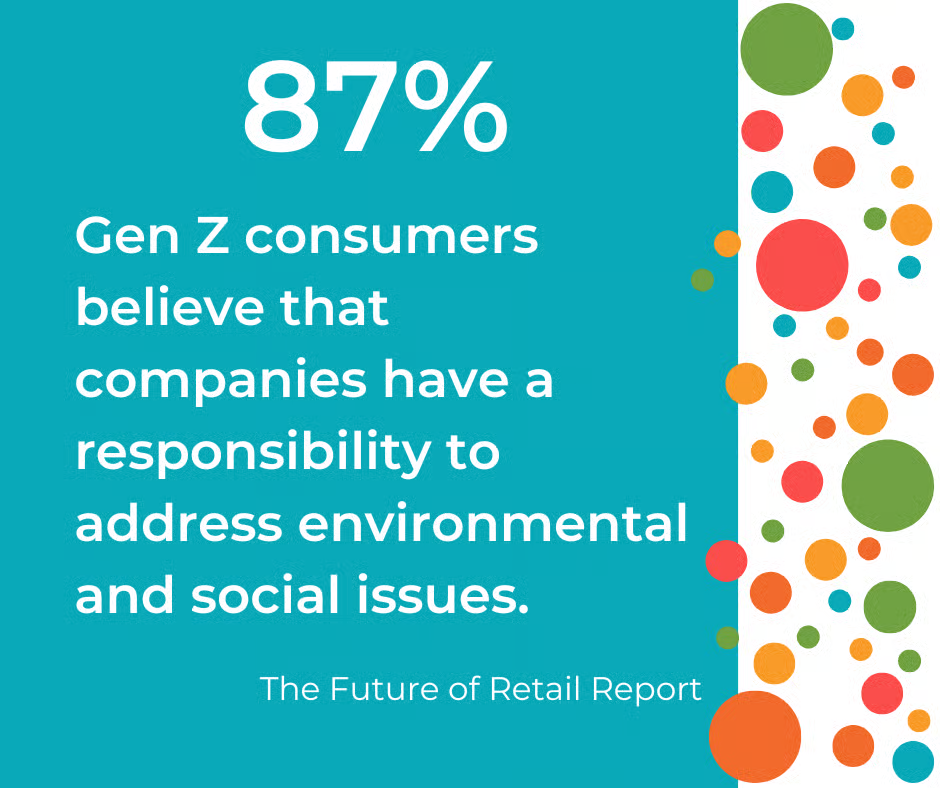
Gen Z demonstrates fervent interest in sustainability. Millennials actively champion eco-friendly products. These demographics live on social media.
And Cocowhoa is barely there.
This is like opening an ice cream shop next to a beach and forgetting to put up a sign. The target audience is already gathered on Instagram, TikTok, and Facebook, actively seeking sustainable lifestyle content.
A strategic social media presence could include:
- Instagram posts showcasing product beauty and use cases
- TikTok videos demonstrating sustainability impact
- Facebook community building around eco-living tips
- Pinterest boards connecting products to lifestyle aesthetics
- YouTube content about reducing plastic waste

According to social media shopping research, 68% of consumers have purchased a product after seeing it on social media. That’s not engagement metrics—that’s direct revenue potential being ignored.
Influencer Marketing: The Amplification Button
In the sustainability niche, influencers wield enormous power.
Eco-warriors with devoted followings can transform a product launch overnight. One well-placed unboxing video, one enthusiastic review from the right influencer, and sales explode.
Cocowhoa should identify sustainability advocates with substantial, engaged followings and collaborate for:
- Product reviews and demonstrations
- Unboxing videos showcasing the quality
- Lifestyle content featuring products in daily use
- Giveaways to drive awareness and engagement
According to influencer marketing statistics, businesses earn $5.78 for every dollar spent on influencer marketing. In the sustainability niche with highly engaged audiences, returns can be even higher.
This isn’t expensive celebrity endorsements. This is strategic partnerships with micro-influencers who genuinely align with your brand values and have devoted followings.
Ad 🎯 Ready to put these strategies into action?
Theory is great, but execution is what drives growth. That’s where Max Business School™ comes in.
Inside, you’ll find step-by-step digital marketing courses (SEO, ads, email, social, content, and more) — taught by professionals, designed for beginners and business owners alike.
And the best part? It’s 100% free, online, and flexible.
→ Join Max Business School Today — Free
The Story Behind the Sustainable Store
Cocowhoa launched in 2020, right as the pandemic forced everyone to reconsider consumption habits and personal values.
The timing was unintentional genius. As people spent more time at home, they became more conscious of waste, more interested in sustainable living, and more willing to invest in products aligned with their values.
Each product features a 4+ star rating on Amazon, demonstrating consistent quality and customer satisfaction. But more importantly, Cocowhoa represents a shift toward mindful living—inviting customers to join a movement that transcends ordinary consumption.
This isn’t just smart marketing. It’s understanding that modern consumers, especially younger demographics, want their purchases to reflect their identity and values.
You’re not buying a coconut bowl. You’re declaring yourself as someone who cares about the planet.
Your Roadmap to Eco-Friendly E-Commerce Success
Ready to stop feeling guilty about your environmental impact and start building a business around solutions?
Here’s what actually matters when launching a sustainable products business:
Identify products with proven demand in the eco-friendly space. Don’t try to invent the next biodegradable miracle product. Start with existing categories that have demonstrated demand but could use better execution. Browse Amazon’s best sellers in sustainability categories, check trending items on Etsy, and research what eco-influencers recommend.
Source quality products with genuine sustainability credentials. Partner with suppliers who can verify their environmental claims. Your customers care about authenticity, and one exposed greenwashing scandal destroys trust forever. Use platforms like Alibaba, but thoroughly vet suppliers and request samples before committing.
Start on Amazon to validate demand without massive upfront investment. Amazon provides instant access to millions of customers actively searching for sustainable products. Use Amazon FBA (Fulfillment by Amazon) to handle logistics while you focus on product selection and marketing.
Create an Amazon storefront that’s clean, simple, and conversion-focused. Showcase a curated selection rather than overwhelming customers with choices. Invest in professional product photography and compelling descriptions that answer questions and build trust.
Build a functional website for long-term brand equity. Use Shopify or WooCommerce to create a professional direct-to-consumer channel. Capture email addresses, offer incentives for direct purchases, and build customer relationships independent of Amazon.
Develop a social media presence where your target audience lives. For eco-friendly products, Instagram and TikTok are non-negotiable. Create content that educates, inspires, and showcases your products in lifestyle contexts. According to Gen Z shopping behavior, 97% of Gen Z consumers use social media as their primary shopping inspiration source.
Actively encourage and leverage customer reviews. Implement post-purchase email sequences asking satisfied customers to leave reviews. Respond to all reviews, positive and negative, demonstrating your commitment to customer satisfaction.
Partner with micro-influencers who genuinely align with your values. Don’t chase follower counts—seek authentic advocates with engaged audiences. Offer product in exchange for honest reviews, and build long-term relationships rather than transactional partnerships.
Tell your sustainability story authentically. Explain where products come from, what environmental impact they reduce, and why you’re passionate about this mission. Modern consumers can detect performative sustainability from miles away, so be genuine.
The Hard Truth About Sustainable Business
Let me deflate some of the romanticism for a moment.
Selling eco-friendly products isn’t about saving the world single-handedly. It’s about running a business that happens to align with positive environmental values.
You’ll deal with:
- Supply chain complications
- Quality control challenges
- Customer service demands
- Inventory management
- Marketing costs
- Competition from larger brands
But here’s the beautiful part: the sustainable products market is experiencing explosive growth precisely as consumers become more values-conscious. According to sustainability market projections, the global sustainable products market is expected to reach $150 billion by 2030.
That’s not a trend. That’s a fundamental economic shift.
Cocowhoa demonstrates that you don’t need to be a massive corporation or revolutionary inventor to build a meaningful business in this space. You need thoughtful product curation, authentic values alignment, and consistent execution of fundamentals.
The Choice You’re Facing
You can keep scrolling past eco-friendly products on Amazon, muttering about how someone should really start a better sustainable brand.
Or you can actually build it.
$5,000 monthly won’t make you wealthy overnight, but it’s a solid foundation for a scalable business serving a growing market. More importantly, it’s proof of concept that allows you to reinvest profits into expansion.
The sustainable products opportunity exists right now because consumer values have fundamentally shifted. People want to buy eco-friendly. They’re actively searching for alternatives to plastic and waste. The demand is proven and growing.
All the infrastructure exists—Amazon handles logistics, suppliers offer sustainable products, consumers are searching for solutions. The only variable is whether you’ll execute.
Cocowhoa proves that focused execution in a values-aligned niche creates real, sustainable income. The question is whether you’ll be building the next success story or just reading about people who are.
Your future self already knows which choice you should make.
Time to stop feeling guilty about your environmental impact and start building solutions that actually matter—while generating income in the process.