
How to Start Luxury Boot Brand Making $22K/Mo
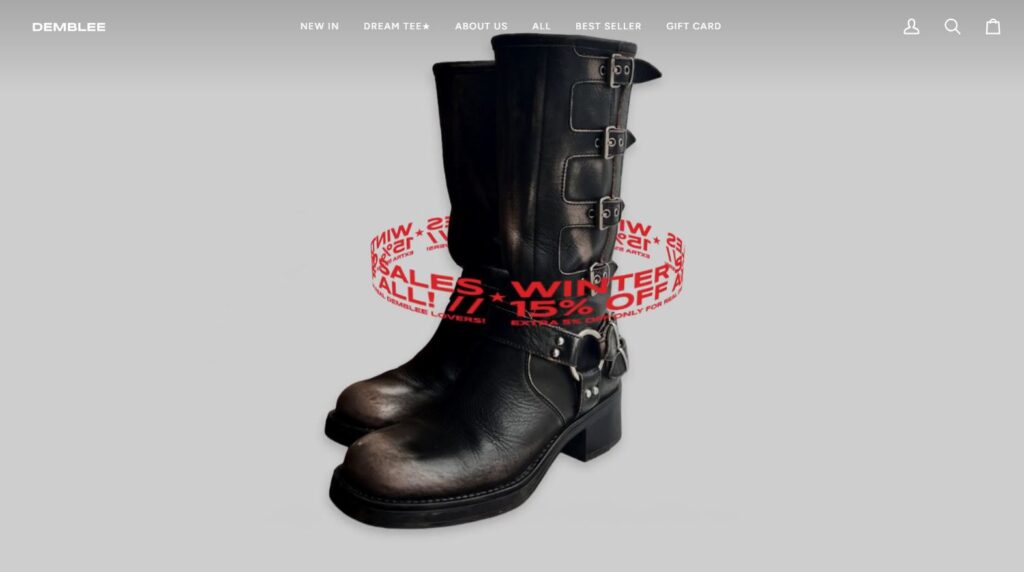
Walk into any upscale boutique and you’ll see the same tired luxury boot brands.
Same designs. Same marketing. Same predictable aesthetic.
Now imagine a small Italian brand quietly disrupting that monotony by blending sustainable craftsmanship with modern minimalist design—and generating $22,000 monthly doing it.
No celebrity endorsements. No massive marketing budgets. No venture capital backing.
Just exceptional leather boots, strategic positioning, and a founder who understood something most fashion entrepreneurs miss entirely: quality and authenticity beat hype every single time.
Meet Dem, a passionate shoemaker who turned his obsession with craftsmanship into Demblee—a women’s boot brand that’s carved out a profitable niche in the crowded luxury footwear market.
And here’s what makes this case study fascinating…
While fashion influencers launch trendy brands that flame out in months, Demblee built something sustainable by focusing on timeless design, premium materials, and customers who value investment pieces over disposable fashion.
This isn’t about chasing viral moments or trending styles. It’s about building a brand that stands for something—and monetizing that authenticity effectively.
Want to know how to build your own luxury fashion brand that generates consistent five-figure monthly revenue?
Let’s break down exactly how Dem did it.
Ad 🎯 After studying 400+ business models, here’s what actually works for beginners…
Most “make money online” advice is garbage. Complex affiliate schemes. Dropshipping nightmares. Social media “influencing.”
We found something better: lead-generation funnels for manufacturers. Simple. Profitable. Fast results.
Our Max Incubator Phase 1 students are proof—they’re going from zero to their first $1,000 in 90 days with this exact model.
→ See the business idea that’s working for beginners this year
What Demblee Actually Does (And Why It Works)
Demblee isn’t competing with mass-market boot brands or trying to be the next Gucci.
Instead, they occupy a sweet spot: accessible luxury for women who appreciate quality craftsmanship without astronomical price tags.
We’re talking premium Italian leather boots crafted with traditional techniques. Minimalist designs that work across seasons and trends. Sustainable materials and ethical production practices. Styles that blend elegance with everyday functionality.
Think of it as the antidote to fast fashion—boots designed to last years, not months.
But here’s the genius positioning…
Demblee doesn’t market themselves as “affordable luxury” (which sounds cheap) or “ultra-premium exclusive” (which alienates most buyers). They present as investment pieces for women with discerning taste.
The messaging focuses on craftsmanship, longevity, and timeless style—values that resonate with customers tired of replacing poorly-made boots every season.
This positioning allows premium pricing without the inaccessibility of ultra-luxury brands, capturing customers who want quality but have realistic budgets.
The Revenue Model: How Premium Fashion Brands Make Money
Let’s talk numbers.
Demblee generates an estimated $22,000 monthly through direct-to-consumer e-commerce sales, and understanding this model reveals why premium fashion can be more profitable than volume-based businesses.
Revenue Stream: Premium Product Sales
The business model is straightforward but requires careful execution.
Here’s how it works in practice:
Women searching for quality boots discover Demblee through search, social media, or referrals. They explore the collection on the sleek, minimalist website. High-quality product photography and detailed descriptions communicate value. Strategic pricing positions boots as investment pieces, not impulse purchases. Customers complete purchases through a streamlined checkout experience. Products ship globally from Italy, with the origin story adding perceived value.
The beautiful thing about this model? Higher margins than mass-market fashion.
When you sell premium products to customers who value quality, you’re not competing primarily on price. You’re selling craftsmanship, materials, design, and brand values—factors that justify premium pricing.
This creates several advantages over volume-based fashion businesses.
First, higher profit per sale means fewer transactions needed to hit revenue targets. Second, quality-focused customers have lower return rates than bargain hunters. Third, satisfied customers become repeat buyers and word-of-mouth advocates. Fourth, premium positioning attracts customers less likely to demand constant discounts.
According to McKinsey’s luxury fashion market analysis, premium and luxury footwear continues growing globally, with consumers increasingly prioritizing quality and sustainability over fast fashion alternatives.
The Italian Craftsmanship Premium
Here’s an often-overlooked revenue factor: geographic origin affects perceived value.
Being based in Italy isn’t just about production logistics—it’s a brand asset. Italy has centuries of leather craftsmanship reputation built in. “Made in Italy” signals quality that justifies premium pricing. The origin story adds authenticity that marketing can’t fake. Global customers perceive Italian leather goods as superior quality.
This geographic positioning allows Demblee to command prices that a similar quality brand based elsewhere might struggle to justify.
It’s not fair, but it’s reality—and smart entrepreneurs leverage every advantage available.
Brand Strategy: Positioning for the Right Customer
Want to know what separates successful fashion brands from the thousands that fail?
It’s not just about having great products—it’s about positioning those products for exactly the right customer.
The Investment Piece Positioning
Demblee doesn’t sell boots—they sell investment pieces that improve your wardrobe permanently.
This psychological positioning changes everything about how customers perceive price.
Instead of comparing a $300 boot to a $50 fast fashion alternative, customers compare the cost-per-wear over years of use. They consider quality materials that age beautifully rather than deteriorating quickly. They value timeless designs that won’t look dated next season. They appreciate craftsmanship that justifies the higher upfront investment.
This reframing transforms the purchase decision from “expensive” to “economical over time”—a mental shift that premium brands must master.
Minimalist Aesthetic That Transcends Trends
Here’s where Demblee’s design philosophy gets brilliant…
Rather than chasing seasonal trends that quickly look dated, they embrace minimalist aesthetics that remain relevant indefinitely.
Clean lines without excessive ornamentation work across multiple years. Neutral colors and classic silhouettes pair with diverse wardrobes. Understated elegance appeals to women across age demographics. Simple designs highlight leather quality and construction details.
This approach creates products that customers wear for years—which builds brand loyalty and reduces the pressure to constantly release new styles chasing trends.
According to Business of Fashion’s trend analysis, minimalist “quiet luxury” continues dominating fashion preferences among affluent consumers who prioritize quality and timeless design over logo-heavy or trendy pieces.
Sustainability as Competitive Advantage
Demblee doesn’t just use sustainable materials as a marketing gimmick—they build the brand identity around conscious consumption.
This positioning resonates powerfully with their target demographic: women who care about environmental impact and want purchases to align with values.
Eco-friendly leather tanning processes reduce environmental harm. Durable construction means boots last years instead of seasons. Timeless designs discourage overconsumption and waste. Transparent supply chain builds trust with conscious consumers.
This sustainability focus isn’t just ethical—it’s smart business. It attracts customers willing to pay premium prices for products that align with their values, and it creates a defensible brand position that fast fashion competitors can’t easily replicate.
Website Strategy: Converting Browsers into Buyers
Let’s talk about what makes Demblee’s website actually convert—because in premium fashion, your website is your storefront.
Visual Storytelling Through Photography
The site doesn’t just show product photos—it tells a story through imagery.
High-resolution photography that shows leather texture and construction quality. Lifestyle images that help customers envision boots in their own wardrobe. Multiple angles and close-ups that build confidence in product quality. Consistent aesthetic that reinforces brand identity across all imagery.
Why does this matter so much?
Because customers can’t touch or try on products before purchasing online. Photography must communicate quality, fit, and style in ways that overcome hesitation about buying premium products sight unseen.
Great photography isn’t an expense—it’s the primary sales tool for e-commerce fashion brands.
Streamlined Checkout That Reduces Friction
Here’s where many fashion brands lose sales: overcomplicated checkout processes.
Demblee gets this right by removing unnecessary steps between “add to cart” and “purchase complete.”
The checkout flow is clean and minimal—matching the brand aesthetic. Guest checkout option prevents forcing account creation before purchase. Multiple payment methods accommodate international customers. Clear shipping information prevents last-minute surprises. Mobile optimization ensures smooth purchasing on any device.
Every friction point you remove increases conversion rates—especially critical for premium products where buyers already have higher hesitation than with impulse purchases.
Global Reach Through Smart Logistics
Based in Italy but selling globally requires logistics excellence—and Demblee delivers.
International shipping options make the brand accessible worldwide. Clear delivery timeframes set appropriate expectations. Efficient fulfillment ensures timely arrival that matches premium positioning. Returns process balances customer service with protecting margins.
This global accessibility transforms a local Italian brand into an international business—dramatically expanding addressable market size beyond domestic customers.
Content Strategy: Building Community Through Engagement
Beyond just selling boots, Demblee understands something crucial: fashion brands need communities, not just customer lists.
Social Media That Actually Engages
Unlike many fashion brands that just post product shots, Demblee creates content that resonates with their audience’s values and lifestyle.
Styling tips showing how to incorporate boots into diverse outfits. Body positivity messaging that makes all customers feel welcome. Behind-the-scenes content showcasing craftsmanship and production. User-generated content featuring real customers wearing their boots.
This approach builds emotional connection beyond transactional relationships.
When customers feel aligned with brand values and see themselves reflected in brand content, they become advocates—not just buyers.
According to Sprout Social’s engagement research, fashion brands with authentic social media presence see 3-4x higher engagement rates than those using purely promotional content, translating directly into higher conversion rates and customer lifetime value.
Content-Driven Marketing Over Paid Ads
Rather than relying heavily on paid advertising, Demblee builds organic reach through valuable content.
This strategy makes sense for premium brands where customer acquisition costs need to be controlled to maintain profitability.
Educational content about leather quality and boot construction builds authority. Styling inspiration helps customers justify purchase by showing versatility. Brand story content creates emotional connection that transcends product features. Customer spotlights leverage social proof more authentically than testimonials.
This content-first approach costs less than paid acquisition while building longer-term brand equity and customer loyalty.
What This Business Gets Right
Despite having growth opportunities (which we’ll cover next), Demblee nails several critical success factors that any premium fashion brand should emulate.
Quality Over Quantity Product Philosophy
Demblee doesn’t release dozens of styles chasing every micro-trend.
Instead, they maintain a curated collection of core styles in premium materials—a strategy that works brilliantly for several reasons.
Focused inventory reduces carrying costs and waste. Timeless designs remain relevant across seasons, reducing pressure for constant new releases. Customers develop loyalty to specific styles they return to repeatedly. Production efficiency improves when manufacturing fewer SKUs in higher volumes.
This restraint might seem counterintuitive—don’t more options drive more sales?
But in premium fashion, too many choices can actually decrease conversions by creating decision paralysis and diluting brand identity.
Mobile-First Design Philosophy
Recognizing that most fashion shopping happens on phones, Demblee prioritized mobile experience.
Product images display beautifully on small screens without zooming. Navigation is intuitive with touch-friendly elements. Checkout process works smoothly on mobile browsers. Page load times are optimized for cellular connections.
This mobile excellence captures sales from customers browsing during commutes, lunch breaks, or evening couch scrolling—purchase contexts that desktop-only sites miss entirely.
Strategic Use of Italian Heritage
Being based in Italy isn’t just logistical—it’s a marketing asset Demblee leverages intelligently.
The “Made in Italy” designation appears prominently but not obnoxiously. Brand story connects to Italian craftsmanship traditions. Product descriptions emphasize Italian leather and production methods. Visual branding incorporates subtle Mediterranean aesthetic elements.
This heritage positioning justifies premium pricing and differentiates from competitors without coming across as pretentious or inauthentic.
The Massive Growth Opportunities Being Missed
Here’s where this case study reveals serious untapped potential…
Demblee generates solid monthly revenue, but they could multiply earnings with strategic expansions that align with existing brand values.
Influencer Partnerships: The Obvious Accelerator
Fashion brands and influencer marketing are natural partners—yet Demblee barely touches this channel.
Here’s the opportunity:
Partner with micro-influencers (10K-100K followers) in sustainable fashion space. Provide boots to style bloggers who align with minimalist aesthetic. Collaborate with body positivity advocates who match brand values. Engage fashion photographers for artistic content featuring products. Work with outfit-of-the-day accounts that reach target demographic.
The key is choosing partners whose audiences genuinely align with Demblee’s positioning—not just anyone with followers.
According to Shopify’s influencer marketing analysis, fashion brands using strategic influencer partnerships see 5-10x return on investment through increased brand awareness and direct sales—especially when partnering with niche influencers rather than mega-celebrities.
Even modest influencer budgets could drive significant traffic and sales growth for a brand like Demblee.
Augmented Reality: Reducing Return Rates
Returns kill premium fashion profitability—and AR technology offers a solution.
Implementing AR visualization tools would let customers see how boots look with their existing wardrobe and style before purchasing.
Virtual try-on features reduce uncertainty about fit and appearance. Style visualization shows boots with different outfit combinations. 3D product views let customers examine details from all angles. Color matching helps customers choose shades that complement their wardrobe.
This technology addresses the biggest e-commerce fashion challenge: inability to try before buying.
By reducing returns through better pre-purchase visualization, Demblee could improve margins substantially while increasing customer satisfaction—a rare win-win.
Collaboration Collections: Expanding Without Diluting
Limited collaboration collections with complementary brands or designers could attract new customers without undermining core brand identity.
Partner with sustainable fashion designers for limited-edition styles. Collaborate with accessories brands for complete look offerings. Work with artists for unique artistic boot designs. Create capsule collections with fashion bloggers or stylists.
Each collaboration brings new audiences to the brand while creating scarcity-driven purchase urgency through limited availability.
These partnerships generate PR value, social media buzz, and sales—all while maintaining the core collection’s timeless positioning.
Content Marketing: Capturing Long-Tail Traffic
Currently, Demblee focuses primarily on social media—missing huge organic search opportunities.
Publishing SEO-optimized content could drive consistent traffic from women researching boot-related topics:
Buying guides helping customers choose the right boot styles for their needs. Leather care tutorials protecting customers’ investments and building brand authority. Styling guides showing versatile ways to wear boots across seasons. Sustainability content educating about ethical fashion choices. Wardrobe planning articles positioning boots as essential pieces.
Each article becomes a perpetual traffic generator while establishing Demblee as an authority beyond just product sales.
Your Blueprint for Premium Fashion Brand Success
Ready to build your own luxury fashion brand?
Here’s your step-by-step roadmap based on what Demblee does right and where opportunities exist for growth.
Step 1: Define Your Specific Niche
Don’t try to be everything to everyone—that’s how fashion brands fail.
Instead, identify a specific segment and own it completely. Your niche could be sustainable luxury accessories, minimalist leather goods, heritage-inspired footwear, size-inclusive premium fashion, or gender-neutral clothing with high-quality materials.
The key is specificity. “Women’s fashion” is too broad. “Minimalist Italian leather boots for conscious consumers” is perfect.
Step 2: Source or Create Exceptional Products
In premium fashion, product quality isn’t optional—it’s foundational.
Find manufacturers with proven craftsmanship in your category. Prioritize quality materials that justify premium pricing. Develop signature construction details that differentiate your products. Test extensively to ensure durability matches brand promises. Build relationships with suppliers who share your quality standards.
You cannot fake quality in premium markets. Customers will discover shortcuts immediately through product failure or poor craftsmanship—and they’ll never return.
Step 3: Build a Brand Identity That Resonates
Your brand isn’t just a logo—it’s the complete experience and values customers associate with your products.
Define what your brand stands for beyond just products (sustainability, craftsmanship, inclusivity, etc.). Develop visual identity that communicates premium positioning (photography, design, packaging). Create brand voice that connects with your target customer authentically. Tell your origin story in ways that build emotional connection. Ensure consistency across all customer touchpoints.
Premium brands succeed when customers feel aligned with brand values—not just attracted to products.
Step 4: Create a Website That Converts
Your website is your flagship store—invest accordingly.
Hire professional product photography that showcases quality and detail. Implement clean, mobile-optimized design that reflects brand aesthetic. Write compelling product descriptions emphasizing craftsmanship and value. Streamline checkout to minimize abandoned carts. Provide comprehensive sizing and care information reducing return likelihood.
Every design decision should communicate “premium” without feeling pretentious or inaccessible.
Step 5: Leverage Strategic Social Media
Social media for premium brands isn’t about going viral—it’s about building community.
Choose 2-3 platforms where your target customers actually spend time (likely Instagram and Pinterest for fashion). Post consistently with mix of product, lifestyle, behind-scenes, and value-driven content. Engage authentically with followers—premium brands need relationships, not just reach. Feature user-generated content showcasing real customers wearing your products. Partner with micro-influencers whose audiences genuinely align with your positioning.
Organic reach takes time to build but creates more valuable long-term customers than paid advertising.
Step 6: Implement Content Marketing
Follow the opportunity Demblee misses—use content to drive organic traffic and build authority.
Publish buying guides helping customers make informed decisions. Create styling content showing product versatility. Share care and maintenance tutorials protecting customers’ investments. Write about brand values (sustainability, craftsmanship, etc.) attracting aligned customers. Develop thought leadership around your niche positioning you as an expert.
This content compounds over time, driving consistent traffic while building brand authority that justifies premium positioning.
Step 7: Focus on Customer Experience
Premium pricing creates premium expectations—meet them consistently.
Provide responsive customer service that reflects your brand positioning. Use quality packaging that makes unboxing feel special. Include care instructions protecting customers’ investment. Follow up post-purchase to ensure satisfaction and gather feedback. Create loyalty programs rewarding repeat customers. Make returns easy when necessary—but design to minimize them.
Every customer interaction either reinforces or undermines your premium positioning. Excellence must be consistent.
Key Takeaways: Building Sustainable Fashion Brands
Let’s distill the essential lessons from Demblee’s success.
If you’re serious about building a premium fashion brand, these principles are non-negotiable:
Quality isn’t negotiable in premium markets. Customers paying premium prices expect premium products. Shortcuts in materials or construction will destroy your brand faster than any marketing can build it.
Positioning determines pricing power. Investment piece positioning allows premium pricing that “affordable luxury” messaging undermines. Frame value in terms of longevity and cost-per-wear, not just upfront price.
Timeless design beats trend-chasing. Minimalist aesthetics remain relevant across seasons, reducing pressure for constant new releases while building loyal customers who wear your products for years.
Brand values attract premium customers. Sustainability, craftsmanship, and authenticity resonate with customers willing to pay more for products aligning with their values.
Website quality directly impacts conversion. In premium fashion, your site is your storefront. Poor design, weak photography, or difficult checkout processes cost you sales immediately.
Community beats mere marketing. Premium brands need emotional connections with customers, not just transactions. Build relationships through values-aligned content and authentic engagement.
Strategic growth beats rapid scaling. Maintaining quality and brand integrity while growing matters more than maximizing short-term revenue through compromises.
The premium fashion market continues expanding globally. According to Statista’s luxury footwear market analysis, conscious consumers increasingly prioritize quality and sustainability over fast fashion—creating perfect conditions for brands like Demblee.
Your Turn to Build
Here’s the beautiful truth about premium fashion brands:
You don’t need celebrity backers or massive budgets to succeed. You need exceptional products, clear positioning, authentic brand values, and customers who appreciate what you’re building.
Dem’s journey from passionate shoemaker to $22K monthly fashion brand proves this model works. Demblee demonstrates that focusing on craftsmanship, sustainability, and timeless design can build a profitable business in an industry dominated by fast fashion and mega-brands.
That same blueprint works for any premium fashion niche. Accessories. Clothing. Footwear. Leather goods. The formula remains constant: identify underserved customers who value quality, create products exceeding their expectations, and build a brand reflecting shared values.
The question isn’t whether premium fashion brands can succeed.
The question is: what will your brand stand for?
Competitors like Everlane and other successful premium fashion brands prove the business model—transparency, quality, and authentic values attract customers willing to pay for products aligning with their principles.
Your move.