
How a Mechanical Engineer Makes $4K Monthly Dropshipping Car Parts
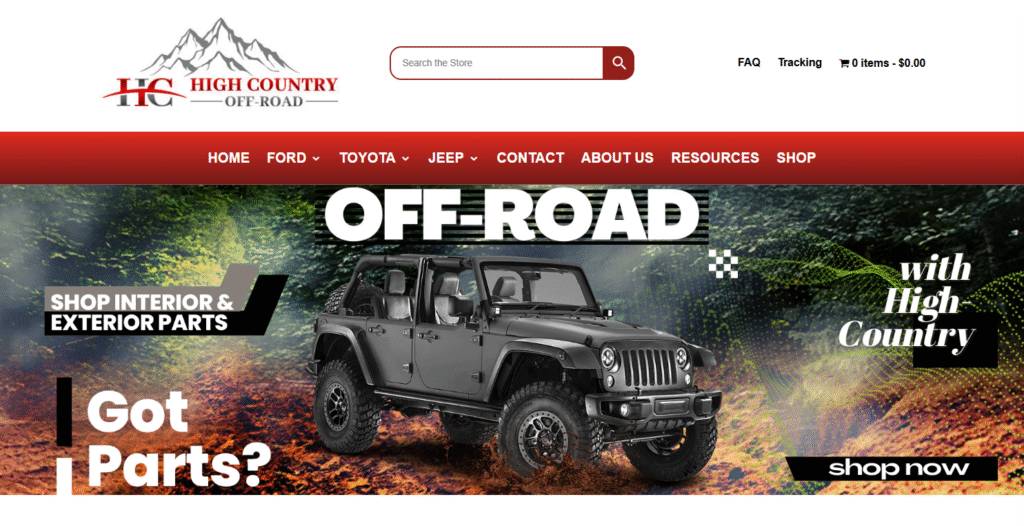
Let me tell you about Chad Brinkle’s career pivot.
Nine years working for the world’s largest commercial jet engine manufacturer. Mechanical engineering degree. Solid corporate job with benefits and a 401(k).
Then he threw it all away to sell… truck accessories on the internet.
Sounds crazy, right? Like the kind of mid-life crisis that ends with regret and a LinkedIn post about “lessons learned.”
Except Chad’s now running a business generating over $4,000 monthly—without ever touching inventory, managing warehouses, or dealing with shipping logistics.
He built High Country Off-Road, a dropshipping e-commerce store focused on off-road vehicle parts and accessories. It’s not sexy. It’s not venture-backed. Nobody’s writing TechCrunch articles about it.
But it’s profitable, scalable, and gives Chad something his engineering job never could: freedom.
Here’s the thing about niche e-commerce businesses that nobody tells you—the boring, specific niches often make more money than the trendy ones. While everyone’s fighting over fashion and electronics, Chad carved out a corner of the off-road vehicle market and built a consistent income stream.
Want to know how he did it? Because what you’re about to learn could be your blueprint for building your own $4K+ monthly business without inventory headaches or massive startup capital.
Ad 🎯 After studying 400+ business models, here’s what actually works for beginners…
Most “make money online” advice is garbage. Complex affiliate schemes. Dropshipping nightmares. Social media “influencing.”
We found something better: lead-generation funnels for manufacturers. Simple. Profitable. Fast results.
Our Max Incubator Phase 1 students are proof—they’re going from zero to their first $1,000 in 90 days with this exact model.
→ See the business idea that’s working for beginners this year
The Dropshipping Model That Actually Works
Let’s address the elephant in the room first:
Yes, dropshipping still works. No, it’s not saturated. Yes, you can still make money.
The problem isn’t the business model—it’s that most people approach it completely wrong. They chase trending products, compete on price with AliExpress sellers, and wonder why they can’t turn a profit after Facebook ads.
Chad took a different approach.
This business capitalizes on the popularity of off-road vehicles by offering a range of customized car parts and accessories, with the dropshipping model enabling streamlined operations focused on exceptional customer service.
Here’s how the operation works:
A customer visits High Country Off-Road looking for a lift kit for their Jeep Wrangler. They find exactly what they need—detailed product description, high-quality images, specifications. They place the order.
When a customer places an order, the website seamlessly transfers the order details to the respective supplier, who then handles the packaging and shipping process.
Chad never sees the product. Never stores inventory. Never deals with shipping.
The supplier handles everything. Chad handles marketing, customer service, and website optimization. The margins might be smaller than wholesale, but the overhead costs are practically zero.
No warehouse rent. No inventory risk. No capital tied up in stock that might not sell.
That’s the beauty of dropshipping done right—you’re essentially running a marketing and customer service business, not a logistics operation.
The Money: $4K Monthly Without Touching Products
Let’s break down how the revenue actually flows.
The Product Strategy: Focus on Margins, Not Volume
Unlike typical dropshipping stores selling $5 phone cases with razor-thin margins, High Country Off-Road focuses on higher-ticket items.
Off-road vehicle parts typically range from $50 to $500+. A lift kit might retail for $300. LED light bars for $150. Bumpers for $400.
When you’re working with higher price points, you don’t need massive volume to hit $4,000 monthly. You need 10-15 quality sales instead of 800 impulse purchases.
The math is simple and sustainable.
The Three-Brand Niche Strategy
The website has implemented a strong niche strategy by focusing on three popular brands: Ford, Toyota, and Jeep, which have dedicated fan bases and are highly sought after in the off-road community.
This is brilliant strategic positioning. Instead of trying to serve every car owner on the planet, Chad focused on three specific vehicle brands with passionate communities.
Why these three?
- Jeep owners are fanatical about customization and off-roading
- Toyota trucks (Tacoma, 4Runner, Tundra) dominate the overlanding community
- Ford trucks (F-150, Bronco) have massive market share and modification culture
Each of these brands has dedicated forums, social media groups, and communities where owners actively discuss modifications and share recommendations. They’re not just buying parts—they’re investing in their lifestyle and identity.
When you serve a passionate niche, customers aren’t just looking for the cheapest option. They’re looking for quality, expertise, and reliability. That’s where margins live.
The Free Shipping Threshold Trick
To incentivize customers and increase average order value, they offer free shipping on purchases exceeding $75.
This is Psychology 101 for e-commerce. Set a free shipping threshold just above your average order value, and watch customers add “one more thing” to their carts to qualify.
Average order value was $60? Set free shipping at $75. Customers who were buying one LED light bar now add a set of decals or mounting brackets to hit that threshold.
Same customer, same shipping cost, higher revenue. The math works beautifully.
Why High Country Off-Road Succeeds While Other Dropshippers Fail
Most dropshipping stores fail within six months. High Country Off-Road is generating consistent monthly revenue. What’s the difference?
Website Performance and User Experience
The website’s fast loading times, intuitive navigation, and clean layout contribute to a positive browsing and shopping experience, enhancing customer satisfaction and increasing conversion likelihood.
This matters more than most people realize. Every extra second of load time kills conversions. Confusing navigation sends customers away. Poor mobile experience means lost sales.
Chad built a website that actually works well. Simple navigation. Fast loading. Clear product categories. Easy search functionality.

In an era where most dropshipping stores look like sketchy scams with broken English and stolen product photos, a professional, fast website is a massive competitive advantage.
Strategic SEO: Intent-Based Keywords
Despite having relatively modest search engine optimization traffic, they have attained success through optimizing content according to the keyword intent of their target audience, positively impacting their SEO ranking.
Chad doesn’t compete for broad keywords like “car parts” (impossible to rank for). Instead, he targets specific intent-based searches:
- “Jeep Wrangler lift kit 3 inch”
- “Toyota Tacoma LED fog lights”
- “Ford F-150 off-road bumper”
These are long-tail keywords with clear commercial intent. Someone searching for these isn’t browsing—they’re ready to buy. The search volume might be lower, but the conversion rate is dramatically higher.
That’s the difference between traffic and revenue. Chad optimizes for revenue.
Organized Product Structure
The website is thoughtfully structured, allowing customers to easily navigate through different categories, filter options, and find the specific parts and accessories they’re looking for.
The site is organized by:
- Vehicle brand (Ford/Toyota/Jeep)
- Vehicle model (F-150, Tacoma, Wrangler, etc.)
- Part category (lighting, suspension, bumpers, etc.)
A customer knows exactly where to go. No endless scrolling through unrelated products. No confusion about compatibility. No friction.
When buying car parts, compatibility is critical. Making it easy for customers to find parts that fit their specific vehicle removes the biggest objection to purchasing.
Retargeting with Strategic Discounts
The website leverages retargeting techniques combined with discount offers to boost sales, re-engaging potential customers who have shown interest but haven’t made a purchase.
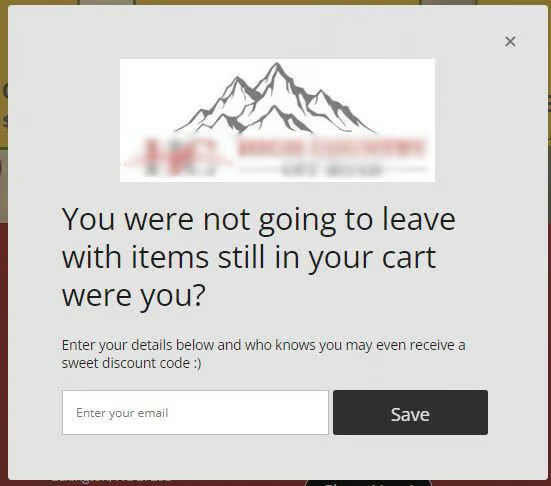
Someone visits the site, looks at a lift kit, adds it to cart, then leaves. That’s not a lost sale—it’s an opportunity.
Retargeting campaigns bring them back with a 10% discount code or free shipping offer. The combination creates urgency and removes the final barrier to purchase.
According to research from BigCommerce, the average cart abandonment rate is around 70%. Effective retargeting can recover 10-15% of those abandoned carts.
For a $4,000 monthly business, recovering even 10% of abandoned carts could add $400-600 in additional revenue. That’s significant.
Ad 🎯 Ready to put these strategies into action?
Theory is great, but execution is what drives growth. That’s where Max Business School™ comes in.
Inside, you’ll find step-by-step digital marketing courses (SEO, ads, email, social, content, and more) — taught by professionals, designed for beginners and business owners alike.
And the best part? It’s 100% free, online, and flexible.
→ Join Max Business School Today — Free
KEY LEARNING MOMENT: The Niche Domination Framework
Here’s what separates successful e-commerce stores from the 90% that fail:
Specificity beats generalization every single time.
Most aspiring dropshippers think: “I’ll sell a little bit of everything so I don’t miss any opportunities.”
That’s the wrong mindset. Here’s the right one:
“I’ll dominate one specific niche so completely that I become the go-to destination for that audience.”
Chad didn’t build a general automotive parts store. He built the off-road parts store for Ford, Toyota, and Jeep enthusiasts.
When someone with a Tacoma wants lift kits, they’re not comparing his store to AutoZone or Amazon. They’re comparing it to other specialty off-road shops that understand their specific needs.
That positioning allows for:
- Higher margins (you’re not competing on price alone)
- Better SEO (less competition for niche keywords)
- More loyal customers (you understand their specific needs)
- Word-of-mouth referrals (niche communities talk and share recommendations)
The riches are in the niches. It’s a cliché because it’s true.
The Missed Opportunities (Where $4K Could Become $10K+)
Even at $4,000 monthly, there’s substantial untapped potential. Let’s explore where Chad’s leaving money on the table.
Cart Recommendations (The Low-Hanging Fruit)
At present, the website lacks the feature of suggesting additional products during the finalization of a purchase, and implementing a dynamic recommendation system can increase average order value.

This is e-commerce 101. Someone’s buying a lift kit? Suggest matching shock absorbers. They’re getting LED light bars? Recommend wiring harnesses and mounting brackets.
Amazon mastered this decades ago with “Frequently bought together” and “Customers who bought this also bought.” It works because it’s genuinely helpful while increasing order values.
Implementation is straightforward with WooCommerce plugins. The ROI is immediate. This alone could add 15-20% to average order value.
Social Media: The Untapped Marketing Channel
While the website has a Facebook page with 452 followers and an Instagram page with 101 followers, there is significant room for growth in their social media presence.
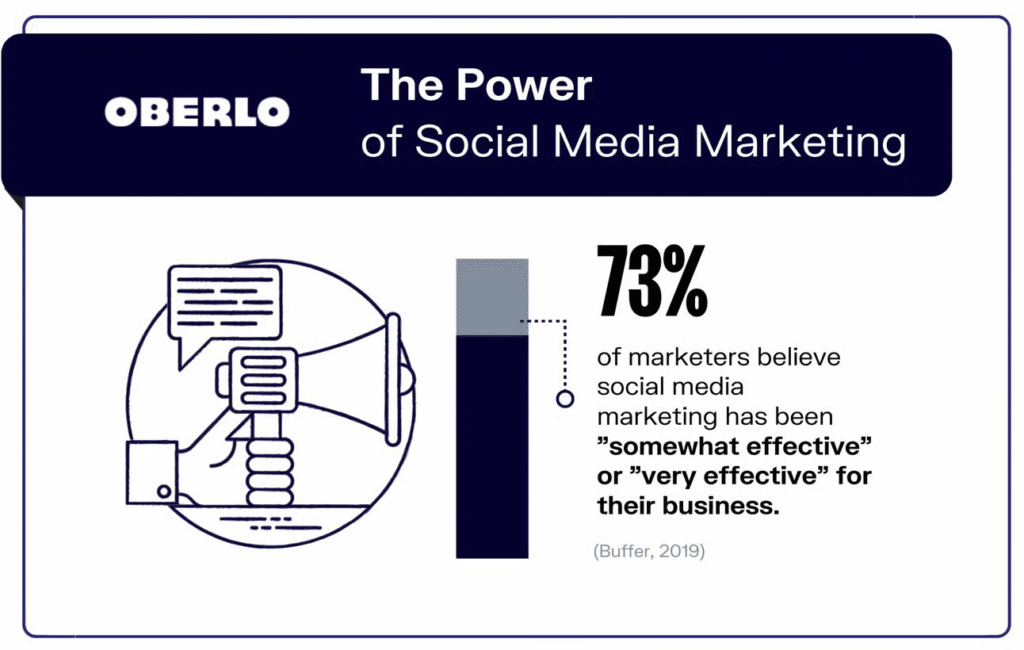
These numbers are… not great. Especially in the off-road community, which is incredibly active on social media.
The off-road niche is inherently visual and shareable. People love posting photos of their modified vehicles, trail adventures, and weekend camping trips. This is perfect content for Instagram, YouTube, and TikTok.
Imagine the content opportunities:
- Before/after photos of vehicle builds using High Country products
- Installation tutorials showing how to install specific parts
- Customer spotlight features showcasing builds and adventures
- Trail reviews and off-road tips that build community engagement
Communities like r/overlanding and Expedition Portal have hundreds of thousands of engaged users actively discussing gear and modifications.
That’s free organic reach just waiting to be captured.
Website Design Improvements
To improve the effectiveness of calls-to-action, the website can consider making CTA buttons more visually prominent using contrasting colors or employing a design that stands out.
Small UX improvements compound into significant conversion increases:
- More prominent CTA buttons (stand out visually)
- Better anchor text readability (currently hard to read)
- Improved mobile experience (many customers shop from phones at parts stores)
Even a 2-3% conversion rate improvement on 1,000 monthly visitors equals 20-30 additional sales. At $100+ average order value, that’s $2,000-3,000 in additional monthly revenue from design tweaks.
Affiliate Marketing and Content Strategy
To diversify income streams, the website can leverage their blog by incorporating affiliate marketing through partnerships with relevant brands, monetizing blog content through sponsored posts or affiliate links.
High Country already has a blog. Why not monetize it more aggressively?
Potential affiliate partnerships:
- Tire companies (off-road tires complement the products sold)
- Camping and overlanding gear (roof tents, coolers, recovery equipment)
- Tool manufacturers (installation requires tools)
- Insurance providers (specialty off-road vehicle insurance)
Each blog post becomes another revenue stream. A comprehensive guide to building a Tacoma overland rig could include dozens of affiliate links generating passive income long after publication.
Sites like The Drive and MotorTrend generate substantial revenue from affiliate partnerships alongside their primary business models.
YouTube: The Goldmine Nobody’s Mining
The off-road YouTube community is massive. Channels like Matt’s Off Road Recovery have millions of subscribers.
High Country could create:
- Product installation tutorials (build trust, demonstrate expertise)
- Vehicle build series (following a full build start to finish)
- Trail run videos (showing products in action)
- Product reviews and comparisons (helping customers make informed decisions)
Each video drives traffic back to the store. Each video ranks in YouTube search for product-related queries. Each video builds brand awareness and authority.
The investment is minimal—a decent camera and basic editing skills. The potential return is substantial.
The Origin Story: From Jet Engines to Jeep Parts
Let me tell you how Chad actually got here, because context matters.
Chad’s professional journey began with a degree in mechanical engineering, working for nine years with the world’s largest commercial jet engine manufacturer in various roles within the manufacturing supply chain.
He had the kind of stable career people dream about. Engineering degree. Corporate job. Steady paycheck. Career progression.
But something was missing. High Country Off-Road is the result of Chad’s lifelong love for exploring the great outdoors as he has always found joy in the thrill of off-roading.
He was spending weekends modifying his own vehicles, exploring trails, joining off-road communities. His passion lived outside his 9-to-5.
So he started thinking: what if he could combine his engineering knowledge, his love for off-roading, and his interest in business?
High Country Off-Road was born from that intersection. He didn’t need to become a master mechanic. He didn’t need to manufacture parts himself. He just needed to connect passionate customers with quality products while providing excellent service.
The engineering background helped him understand the technical aspects of products. The personal passion gave him credibility in the community. The business model (dropshipping) allowed him to start without massive capital investment.
Now he’s building a business around his passion while helping fellow enthusiasts enhance their vehicles and adventures.
That’s the dream, isn’t it? Making money doing something connected to what you actually care about.
Your Blueprint for Building a Niche Dropshipping Business
Alright, enough analysis. Let’s get tactical about building your own $4K+ monthly dropshipping business.
Phase 1: Niche Selection and Market Research (Day 1)
Choose a niche you actually understand.
Don’t pick a niche just because someone on YouTube said it’s “hot right now.” Pick something you have genuine knowledge or interest in.
Chad picked off-road parts because he’s an off-road enthusiast. That knowledge is a competitive advantage. He knows what products are quality. He understands what customers need. He can provide informed recommendations.
Your niche should meet three criteria:
- You have genuine interest or expertise (crucial for long-term commitment)
- Products have decent margins (minimum $50+ average order value)
- There’s an engaged community (passionate buyers, not bargain hunters)
Research the market thoroughly.
Use Ahrefs to analyze:
- Search volume for niche keywords (is there demand?)
- Competitor websites and their traffic (how saturated is the market?)
- Keyword difficulty (can you realistically rank?)
Study competitor websites. What products do they sell? How are they priced? What’s their website structure? What are customers saying in reviews?
You’re not looking to copy—you’re looking to understand the landscape and identify gaps.
Create your business plan.
Map out:
- Target audience (specific customer avatar)
- Product selection (what you’ll sell initially)
- Pricing strategy (margins and competitive positioning)
- Marketing approach (how you’ll drive traffic)
- Financial projections (realistic revenue goals)
Register your business and secure your domain.
Choose a memorable, niche-relevant name. Check domain availability and social media handles. Consistency across platforms builds brand recognition.
For reliable hosting, consider DreamHost or Bluehost with e-commerce-friendly features.
Phase 2: Website Setup and Supplier Relationships (Day 2)
Build your website on WordPress + WooCommerce.
This is the most flexible, cost-effective solution for dropshipping. WooCommerce is free, incredibly powerful, and has extensive plugin support.
Choose a clean, professional theme optimized for e-commerce. Avoid flashy, cluttered designs. Your website should look trustworthy and load quickly.
Critical pages to create:
- Homepage (clear value proposition, featured products)
- Product category pages (organized by vehicle/type)
- Individual product pages (detailed descriptions, multiple images, specs)
- About page (your story, your expertise, why customers should trust you)
- Contact/Support page (easy ways to reach you)
Find reliable dropshipping suppliers.
This is where most people get it wrong. They go straight to AliExpress and wonder why customers complain about 6-week shipping and quality issues.
Look for:
- US-based suppliers (faster shipping, better quality control)
- Industry-specific distributors (they understand your niche)
- Established dropshipping programs (proven systems and support)
For automotive parts, consider suppliers like Turn14 Distribution or MAPerformance that offer dropshipping programs with quality products and reasonable shipping times.
Build relationships with your suppliers. You’re partners in this business. Communication and reliability matter enormously.
Optimize product listings for conversions.
Each product page needs:
- High-quality images (multiple angles, zoom capability)
- Detailed descriptions (specifications, compatibility, installation info)
- Customer reviews (social proof is critical for conversions)
- Clear CTAs (“Add to Cart” buttons should be obvious)
- Trust indicators (security badges, return policy, guarantees)
Implement essential plugins.
For WooCommerce dropshipping, consider:
- AliDropship or similar (automates order processing with suppliers)
- Yoast SEO (on-page SEO optimization)
- WooCommerce Stripe/PayPal (payment processing)
- Google Analytics (traffic and behavior tracking)
- MailChimp for WooCommerce (email marketing integration)
Phase 3: Marketing and Optimization (Day 3 to ∞)
Launch with SEO-optimized content.
Create product descriptions targeting specific longtail keywords. Write blog posts addressing common questions in your niche:
- “Best [product type] for [specific vehicle model]”
- “How to choose [product category] for [vehicle type]”
- “Complete guide to [modification type] for beginners”
Each piece of content targets keywords and provides genuine value while naturally linking to products.
Build your social media presence from day one.
Don’t wait until you have sales. Start creating content immediately:
- Product photos and videos
- Installation tips and tricks
- Customer vehicle features (with permission)
- Industry news and trends
Be active in niche communities (Facebook groups, Reddit, forums) but don’t spam. Provide value first. Build relationships. Become a trusted member before promoting your business.
Implement email marketing early.
Offer a lead magnet (buying guide, installation tips, etc.) to capture emails. Build your list from the beginning.
Email your subscribers:
- New product announcements
- Helpful tips and content
- Exclusive discounts
- Customer success stories
Your email list will eventually become more valuable than social media followers.
Set up retargeting campaigns.
Use Facebook Pixel and Google Ads remarketing to bring back visitors who didn’t purchase. Offer time-sensitive discounts to create urgency.
Retargeting typically has 5-10x better ROI than cold traffic campaigns because you’re targeting people already interested.
Obsess over customer service.
Their focus on providing excellent after-sales service and support ensures customer satisfaction and promotes positive word-of-mouth referrals.
Respond to inquiries within hours (ideally). Solve problems proactively. Go above and beyond when issues arise.
In niche communities, reputation is everything. One happy customer tells their forum. One unhappy customer does too—except louder.
Analyze and optimize continuously.
Track everything:
- Which products sell best
- Which traffic sources convert best
- Where customers drop off in the checkout process
- Which marketing channels provide the best ROI
Use Google Analytics and WooCommerce reports to understand customer behavior. Make data-driven decisions about what to optimize.
Scale strategically.
Once you’re consistently hitting $4K monthly:
- Expand product offerings within your niche
- Test paid advertising (Google Shopping, Facebook Ads)
- Build content marketing assets (blog, YouTube)
- Consider partnerships with complementary businesses
- Explore additional niches or vehicle brands
The Brutal Reality Check About Dropshipping
Let me be painfully honest about something most dropshipping “gurus” won’t tell you:
The first six months will probably be discouraging.
You’ll work on your website for weeks. You’ll publish content. You’ll optimize product listings. You’ll post on social media.
And you might make $200 in month one. $450 in month two. Maybe $800 in month three.
Most people quit during this phase because it “isn’t working fast enough.”
But here’s what they don’t understand: e-commerce businesses are compound growth machines. The work you do in months 1-3 compounds into results in months 4-12.
Month 1-3: Building foundation, getting initial traffic, learning what works
Month 4-6: Optimization based on data, growing organic traffic, first consistent sales
Month 7-12: Compounding traffic and authority, steady revenue growth
Year 2+: Established business with predictable income
Chad didn’t hit $4,000 monthly immediately. It took time to:
- Build product catalog and optimize listings
- Gain search engine rankings
- Establish brand awareness in the community
- Accumulate customer reviews and social proof
- Fine-tune marketing and conversion strategies
The dropshipping success stories you see online showing “$10K in first month!” are either:
- Lying
- Spending massive amounts on paid ads (often unprofitably)
- Extremely rare outliers
The business focuses on customer satisfaction, strategic branding, and continuous improvement. That’s not sexy. It’s not a “hack.” It’s just consistent, strategic work over time.
The question isn’t whether the model works—clearly it does. The question is whether you’ll commit to the process long enough to see results.
Your Next Move: From Idea to Income
You’ve got the blueprint. You’ve seen the proof. You understand the timeline.
Now comes the critical moment: actually starting.
Most people will close this tab, save it to read later, and never think about it again. They’ll keep daydreaming about escaping their 9-to-5 while doing nothing to make it happen.
Don’t be most people.
Here’s what I want you to do today—not tomorrow, not next week, today:
- List three niches you have genuine knowledge or interest in (hobbies, work experience, personal passion)
- Research each niche using Ahrefs (search volume, competition, commercial intent)
- Identify 3-5 top competitors in each niche (analyze their websites, products, pricing)
- Choose one niche based on demand, competition level, and your genuine interest
- Register a domain name for that niche before you talk yourself out of it
That’s it. Five actions. Maybe three hours total.
You don’t need to quit your job today. You don’t need to invest thousands of dollars. You don’t need perfect market conditions.
You just need to start.
Chad Brinkle had a stable engineering career. He could’ve stayed comfortable. Instead, he built a business around his passion for off-roading. Now he’s generating $4,000+ monthly while helping fellow enthusiasts enhance their vehicles.
That same opportunity exists in hundreds of other niches. Pet owners need specialized products. Home brewers need equipment. Rock climbers need gear. Woodworkers need tools.
Every passionate niche is an opportunity waiting for someone to serve it well.
Could that someone be you?
The mechanical engineer figured it out. So can you.
The only question is: will you take the first step today?
The $4K monthly dropshipping business awaits. Your niche is out there. Your future customers are searching for solutions right now.
Go build something.