
How to Build an Outdoor Gear E-commerce Store Making $10K+/Month
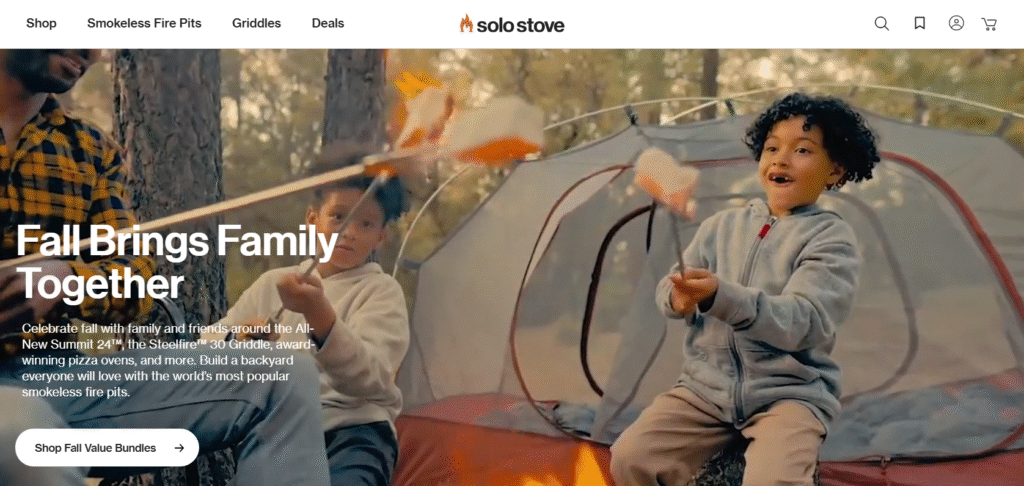
Want to know what Snoop Dogg and backyard fire pits have in common?
More than you’d think, apparently.
Solo Stove turned an everyday outdoor product into a thriving e-commerce empire by doing something most gear companies completely overlook. They didn’t just sell camp stoves and fire pits—they created experiences, built community, and partnered with unexpected celebrities to reach audiences that typical outdoor brands never touch.
The result? A consistent five-figure monthly revenue stream that proves you don’t need to invent revolutionary products to build serious e-commerce success. You just need to market the hell out of good ones.
Ad 🎯 After studying 400+ business models, here’s what actually works for beginners…
Most “make money online” advice is garbage. Complex affiliate schemes. Dropshipping nightmares. Social media “influencing.”
We found something better: lead-generation funnels for manufacturers. Simple. Profitable. Fast results.
Our Max Incubator Phase 1 students are proof—they’re going from zero to their first $1,000 in 90 days with this exact model.
→ See the business idea that’s working for beginners this year
The Physical Product Advantage
Let’s start with what makes this business fundamentally different from digital offerings.
Solo Stove sells actual physical products—fire pits, camp stoves, pizza ovens, grills, and related accessories. These aren’t dropshipped items with questionable quality. They’re well-designed products that solve real problems for people who love spending time outdoors.
The core product line focuses on smokeless fire pits that use clever airflow design to reduce smoke output dramatically. If you’ve ever sat around a campfire constantly shifting positions to avoid smoke in your face, you understand the value proposition immediately.
Camp stoves provide portable cooking solutions for camping, tailgating, and outdoor adventures. Pizza ovens bring restaurant-quality outdoor cooking to backyards. The grill line offers alternatives to traditional charcoal and gas options. Every product enhances outdoor experiences and creates moments of connection with friends and family.
Here’s what makes physical products interesting from a business perspective…
Once you establish reliable manufacturing and fulfillment, scaling becomes about marketing and inventory management rather than creating new products constantly. A well-designed fire pit can generate revenue for years without significant changes beyond seasonal variations and limited editions.
The Bundle Strategy That Drives Revenue
Now here’s where Solo Stove gets clever with monetization…
Rather than selling individual products at fixed prices, they create bundles that increase average order value while making customers feel like they’re getting deals. It’s the same psychology that makes you order the combo meal instead of individual items at fast food restaurants.
A typical bundle might include a fire pit, a stand, a lid, a carrying case, and fire-starting accessories—all packaged together at a price slightly lower than buying items separately. This strategy accomplishes three things simultaneously.
First, it increases revenue per transaction by encouraging customers to buy more than they initially intended. Second, it enhances customer satisfaction by providing everything needed for a complete experience rather than forcing multiple purchase decisions. Third, it reduces inventory of slower-moving accessories by bundling them with popular core products.
The site also runs aggressive discount campaigns around holidays, seasonal transitions, and promotional events. These time-limited offers create urgency that pushes fence-sitters toward purchase decisions.
According to e-commerce research, bundling can increase conversion rates by up to 30% while raising average order values significantly. Solo Stove leverages this principle across their entire product catalog.
Celebrity Collaborations: The Unexpected Marketing Genius
Here’s where things get weird and wonderful…
Solo Stove partnered with Snoop Dogg to create the “Snoop Bonfire 2.0” limited edition fire pit. Yes, the rapper who’s more associated with indoor smoking than outdoor fires now has his own branded campfire product.
And it’s brilliant.
The collaboration opens Solo Stove to entirely new audiences who would never browse traditional outdoor gear websites. Snoop’s fans include millions of people who might not consider themselves “outdoorsy” but absolutely want to hang out in their backyard with friends around a fire.
This influencer partnership strategy creates multiple benefits. It generates massive social media buzz and earned media coverage. It positions Solo Stove as a lifestyle brand rather than just camping equipment. It provides limited-edition urgency that drives immediate sales. And it proves the brand has personality and cultural awareness beyond stodgy outdoor retail stereotypes.
The celebrity endorsement market has evolved beyond traditional spokesperson deals into creative collaborations where personalities actively shape product design and marketing. Smart brands recognize this creates more authentic connections than generic endorsements ever could.
Email Marketing: The Relationship Builder
But celebrity partnerships alone don’t build sustainable business.
Solo Stove complements flashy marketing with fundamentals like strategic email marketing. They’ve built substantial email lists by offering incentives, creating compelling content, and giving subscribers reasons to stay engaged beyond promotional blasts.
Here’s what makes their email strategy interesting…
They segment communications based on customer interests and behavior. Subscribers can choose what types of content they want to receive—product updates, outdoor living tips, recipe ideas, or maintenance guides. This personalization reduces unsubscribe rates while increasing engagement because people only get emails they actually want.
The 24/7 chat support integration with email campaigns helps convert interest into sales by addressing questions immediately. When someone opens an email about a fire pit sale but has questions about size or specifications, instant chat support removes friction from the purchase process.
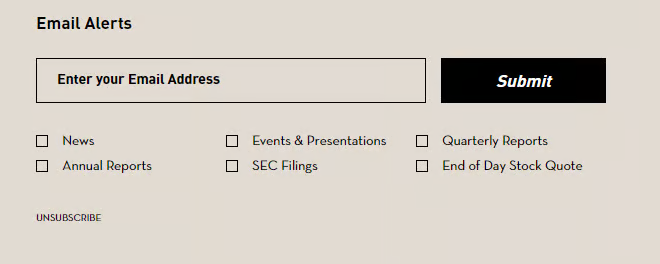
Smart email marketing isn’t about sending more messages—it’s about sending more relevant messages to people genuinely interested in specific topics. Solo Stove’s segmentation strategy recognizes this fundamental truth.
The Missed Opportunity: Content Marketing
Now let’s talk about where Solo Stove is leaving money on the table…
They’ve built a community blog with genuinely valuable content about outdoor living, fire safety, recipe ideas, and product maintenance. This content could drive massive organic traffic through search engines, building brand awareness and attracting potential customers long before they’re ready to buy.
But according to analysis tools, the blog generates minimal organic search traffic relative to its potential. The content exists but isn’t optimized for search visibility, isn’t promoted consistently, and doesn’t leverage the full power of content marketing.
This represents a significant opportunity cost. The outdoor recreation market includes millions of people actively searching for information about camping, backyard entertaining, outdoor cooking, and similar topics. Many of these searches happen months before actual purchase decisions.
If Solo Stove invested in content optimization—targeting valuable keywords, creating comprehensive guides, updating existing articles, and promoting content across social channels—they could attract thousands of potential customers through search engines every month. These visitors might not buy immediately, but they’d enter the marketing funnel as email subscribers, social media followers, or return visitors.
Content marketing works particularly well for products with longer consideration periods. Nobody impulse-buys a $400 fire pit the first time they hear about smokeless technology. But they might read articles about backyard fire safety, compare fire pit designs, research maintenance requirements, and gradually move toward purchase over weeks or months.
Product Customization: The Personal Touch
Here’s a subtle element that increases both sales and customer satisfaction…
Solo Stove offers personalization options for many products. Customers can choose colors, add custom engravings, or select texture options that match their home aesthetic and personal preferences.
This customization serves multiple purposes. It creates perceived uniqueness that makes products feel special rather than mass-produced. It reduces direct price comparison with competitors because customized items can’t be easily compared to standard offerings. And it decreases return rates because customers have invested personal choice into the configuration.
The mass customization trend has transformed e-commerce across categories. Customers increasingly expect the ability to personalize products to their preferences, and brands that enable this typically see higher conversion rates and customer loyalty.
Social Media: The Untapped Growth Channel
According to the analysis, Solo Stove underutilizes social media marketing compared to its potential.
The brand has natural advantages for visual platforms like Instagram and Pinterest. Fire pits create beautiful evening ambiance. Outdoor cooking produces shareable food content. Camping adventures provide lifestyle imagery that resonates with target customers.
Yet the social media presence doesn’t match the energy of their celebrity partnerships or product design. This represents another growth opportunity—creating engaging content, collaborating with outdoor influencers, running targeted ad campaigns, and building community around outdoor living.
The outdoor industry’s social media landscape shows massive engagement potential for brands that create compelling content and foster authentic community. Solo Stove’s products naturally lend themselves to user-generated content that could fuel organic growth if properly encouraged and amplified.
Ad 🎯 Ready to put these strategies into action?
Theory is great, but execution is what drives growth. That’s where Max Business School™ comes in.
Inside, you’ll find step-by-step digital marketing courses (SEO, ads, email, social, content, and more) — taught by professionals, designed for beginners and business owners alike.
And the best part? It’s 100% free, online, and flexible.
→ Join Max Business School Today — Free
The Learning Moment
If there’s one critical insight from Solo Stove’s success, it’s this: innovative marketing can transform commodity products into premium lifestyle brands.
They didn’t invent fire or reinvent camping stoves. They took functional products, improved the design, and then marketed them in ways that transcended traditional outdoor retail. The Snoop Dogg collaboration alone generated more brand awareness than years of conventional advertising ever could.
But sustainable e-commerce success requires balancing creative marketing with operational fundamentals. Aggressive bundling increases order values. Email marketing nurtures relationships and drives repeat purchases. Product quality ensures customer satisfaction and reduces returns.
The missed opportunities in content marketing and social media suggest that even successful businesses leave growth potential untapped. The five-figure monthly revenue could potentially double through better SEO, consistent content creation, and strategic social media presence.
What You Need to Start
Building an e-commerce business like this requires specific skills and resources.
You need product knowledge—either through manufacturing expertise or strong supplier relationships. You need e-commerce platform proficiency to build and maintain an online store. You need basic marketing skills across email, social media, and content creation.
Capital requirements are significantly higher than digital product businesses. Physical inventory requires upfront investment. Warehousing and fulfillment create ongoing costs. Product photography and description creation demand time and resources.
But the trade-off? Physical products can build defensible brands in ways that digital products sometimes struggle with. Quality manufacturing, smart design, and strong branding create competitive advantages that can sustain businesses for decades.
Solo Stove proves that e-commerce success doesn’t require revolutionary invention. It requires finding good products that solve real problems, marketing them creatively to reach new audiences, and building systems that convert interest into sales reliably.
The Bigger Picture
The outdoor recreation market continues growing as people prioritize experiences over possessions and seek ways to safely gather with friends and family.
Fire pits, camp stoves, and related products fit perfectly into this trend. They facilitate connection, create memories, and enhance everyday moments in backyards and campgrounds everywhere.
Solo Stove tapped into this desire by positioning products not as camping gear but as lifestyle enhancements. The marketing emphasizes gathering, connection, and experience rather than technical specifications and outdoor expertise.
That subtle reframing expands the potential customer base exponentially. You don’t need to be an experienced camper to want a beautiful fire pit in your backyard. You just need to enjoy spending time outside with people you care about.
And honestly? In a world where we spend too much time on screens and in isolation, there’s something beautifully simple about products that bring people together around actual fire.
The smoke-free technology is just engineering. The real magic is the moments created.