
How to Sell Pizza Ovens Making $10,000/Month
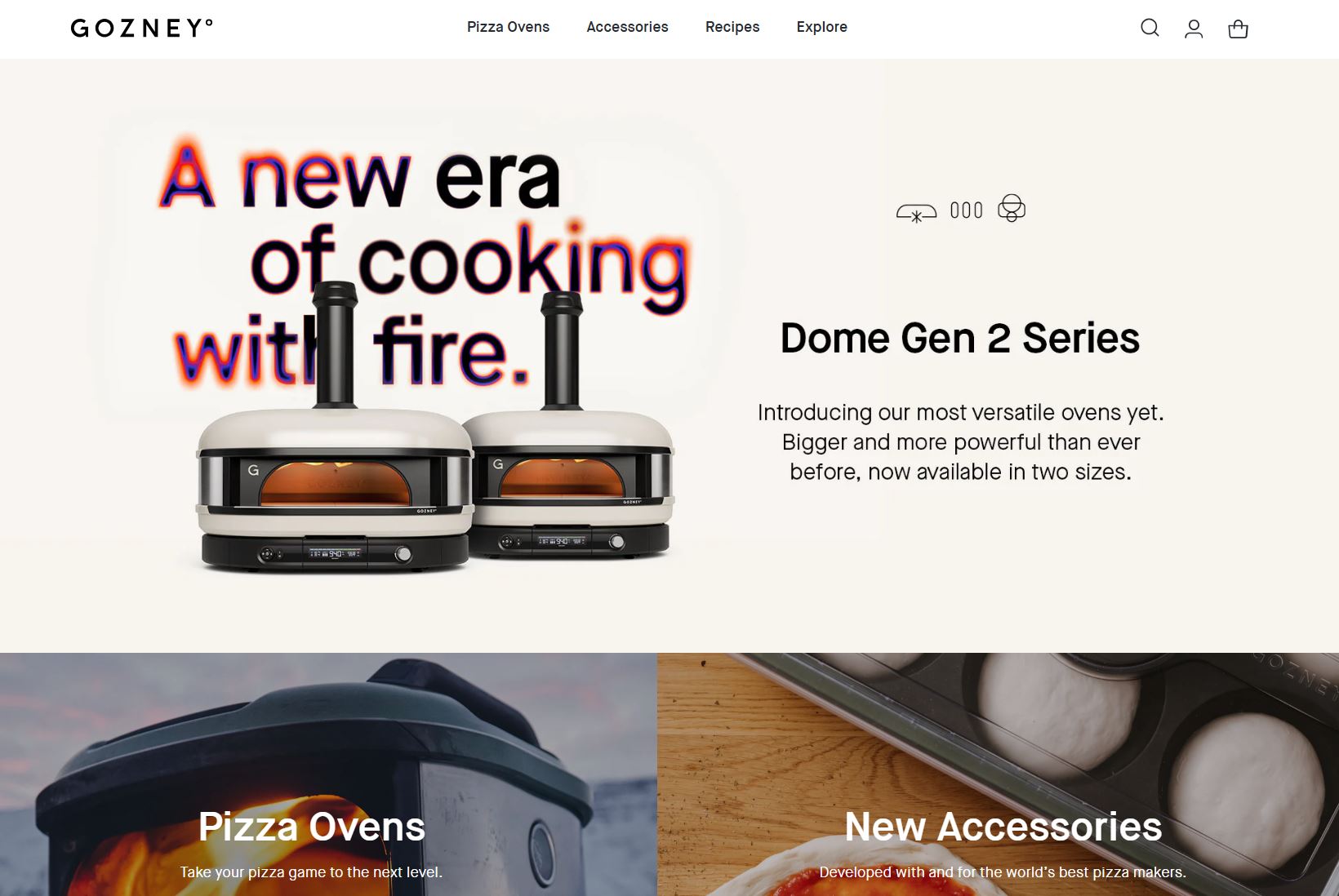
Ever tasted authentic wood-fired pizza at a restaurant and thought, “I wish I could make this at home”?
You look at your regular oven and know it’ll never produce that perfectly charred crust with the smoky flavor that makes restaurant pizza special.
Home pizza just doesn’t hit the same.
Pierre felt that exact frustration growing up making pizzas with his family.
He loved pizza passionately but hated that achieving restaurant-quality results at home seemed impossible without spending tens of thousands on a built-in brick oven.
So when portable, affordable outdoor pizza ovens started emerging, Pierre saw a massive opportunity.
He launched an e-commerce store specializing in premium outdoor pizza ovens and accessories—now generating $10,000+ monthly by serving the growing community of home pizza enthusiasts.
No brick-and-mortar retail. No complicated wholesale distribution. Just direct-to-consumer sales of high-quality pizza ovens and everything customers need to create amazing pizzas at home.
Here’s what makes Pierre’s story fascinating…
Most people think you need revolutionary products or massive capital to succeed in specialized e-commerce. But Pierre proved you just need to identify a passionate hobbyist community, offer quality products they genuinely want, and market strategically to that audience.
The outdoor pizza oven market exploded during the pandemic as people invested in outdoor entertaining and home cooking. That trend has continued as consumers realize they can create restaurant-quality pizzas in their own backyards.
Pierre’s store doesn’t try to compete with big-box retailers on price.
It positions as the destination for serious pizza enthusiasts who want premium equipment and expert guidance—not just the cheapest option available.
And that premium positioning? It’s generating six figures annually through direct product sales with healthy margins.
Let’s break down exactly how Pierre built this pizza oven business, what’s working brilliantly, where massive opportunities exist, and how you could create your own specialized outdoor cooking or hobbyist equipment store.
Ad 🎯 After studying 400+ business models, here’s what actually works for beginners…
Most “make money online” advice is garbage. Complex affiliate schemes. Dropshipping nightmares. Social media “influencing.”
We found something better: lead-generation funnels for manufacturers. Simple. Profitable. Fast results.
Our Max Incubator Phase 1 students are proof—they’re going from zero to their first $1,000 in 90 days with this exact model.
→ See the business idea that’s working for beginners this year
What This Pizza Oven Business Actually Does (And Why Enthusiasts Love It)
This isn’t a general outdoor cooking store trying to sell everything from grills to smokers to fire pits.
It specializes exclusively in outdoor pizza ovens and the accessories that make them work perfectly.
The product lineup focuses on three strategic categories that serve every level of pizza enthusiast.
Premium Portable Pizza Ovens
The hero products are stylish, high-performance portable pizza ovens designed for home use.
These aren’t cheap toys—they’re serious cooking equipment that reaches the 700-900°F temperatures necessary for authentic Neapolitan-style pizza. They’re portable enough to fit on patios or decks without requiring permanent installation. They heat up quickly compared to traditional ovens. And they’re designed beautifully enough to be conversation pieces, not eyesores.
The ovens typically range from $300-$1,500+ depending on size, features, and fuel type (wood, gas, or multi-fuel).
For someone serious about home pizza making, spending $500-$800 on a quality oven that will last years and produce restaurant-quality results is an easy justification.
Essential Accessories and Tools
Here’s where the business model gets smart…
The store doesn’t just sell ovens—it offers the complete ecosystem of tools customers need. Dough trays for kneading and proofing. Turning peels for rotating pizzas while cooking. Pizza cutters and serving accessories. Oven stands for proper height and stability. Covers and storage solutions for protection. And thermometers and other cooking tools.
These accessories serve multiple purposes. They increase average order value as customers buy multiple items. They provide ongoing purchase opportunities after the initial oven sale. They enhance the customer experience by providing everything needed for success. And they demonstrate expertise and authority in pizza making.
Someone who just spent $600 on a pizza oven doesn’t hesitate to spend another $100-$200 on the accessories they need to use it properly.
Catering to All Skill Levels
The product selection serves everyone from complete beginners to experienced home pizza makers.
Entry-level ovens for people just getting started. Mid-range options for serious enthusiasts. Premium models for those who want the best available. And accessories ranging from basic necessities to advanced tools.
This tiered approach ensures the store can capture customers at any skill or budget level, then potentially upsell them to better equipment as they become more passionate about pizza making.
The Revenue Model: Direct E-Commerce with Premium Positioning
Let’s talk about how this pizza oven business generates $10,000+ monthly.
Understanding this straightforward but strategic model is essential if you want to build something similar.
Direct Product Sales Through E-Commerce
The business generates revenue by selling physical products directly to consumers through its website.
The flow is simple:
Pizza enthusiasts search for outdoor pizza ovens or discover the brand through marketing. They browse the product selection and read descriptions and reviews. They make purchases, often buying ovens plus accessories together. The store processes orders and ships products to customers. Revenue comes from the margin between wholesale/manufacturing cost and retail price.
What makes this model financially attractive is the combination of healthy margins and relatively high average order values.
Pizza ovens typically have 40-50% margins at retail pricing. Accessories have even higher margins, often 50-60%. Average order values are substantial—$500-$1,000+ when customers buy ovens plus accessories. And repeat purchase rates are solid as customers return for additional tools and accessories.
According to research from Shopify on e-commerce margins, specialized outdoor and cooking equipment typically sees profit margins of 35-50% after accounting for costs.
With $10,000 in monthly revenue and healthy margins, this business is likely generating $3,500-$5,000+ in monthly profit—not bad for focused niche e-commerce.
Premium Positioning Justifies Higher Prices
The store doesn’t compete on price with Amazon or discount retailers.
Instead, it positions as the premium destination for serious pizza enthusiasts. This premium positioning allows for higher pricing through association with quality and expertise. Products are curated for performance, not just price. Marketing emphasizes results and experience, not savings. And customer service and expertise match premium expectations.
Pizza enthusiasts willing to invest in quality equipment aren’t primarily motivated by finding the absolute cheapest option—they want the best equipment and reliable guidance.
What This Pizza Oven Business Does Exceptionally Well
Building a successful specialized e-commerce business requires more than just listing products for sale.
Let’s examine the strategic decisions that make this pizza oven store work.
Strategic SEO and Paid Advertising Driving Traffic
The store understands that traffic is the lifeblood of e-commerce success.
According to SemRush data referenced in the case study, the business drives traffic through both organic SEO targeting keywords like “outdoor pizza oven,” “portable pizza oven,” “wood-fired pizza oven,” and related search terms. And paid advertising campaigns on Google and social platforms targeting pizza enthusiasts and outdoor cooking audiences.
This dual approach provides both short-term results from ads and long-term compound growth from SEO.
Paid ads provide immediate traffic and sales while building the business. Organic SEO creates sustainable free traffic that compounds over time. And combining both approaches provides consistent traffic regardless of algorithm changes or budget fluctuations.
According to WordStream’s advertising benchmark data, e-commerce sites typically see 2-3% conversion rates from paid traffic and 3-4% from organic search.
With solid traffic from both sources, the store can drive consistent sales volume.
Product Ecosystem Building Authority
Selling accessories alongside ovens isn’t just about increasing revenue—it’s a strategic authority play.
The comprehensive product selection demonstrates deep expertise in pizza making. Customers can buy everything they need from one trusted source. The breadth of offerings positions the store as the category authority. And it creates multiple touchpoints for customer engagement.
When a customer needs a new pizza peel or dough tray, they return to the store where they bought their oven rather than searching elsewhere.
This ecosystem approach builds customer lifetime value and reinforces brand authority with every interaction.
User Experience Facilitating Conversions
The website prioritizes intuitive navigation and easy purchasing.
Products are organized logically by category and use case. Detailed product descriptions help customers make informed decisions. High-quality photography shows products in use. Mobile optimization ensures the site works on all devices. And the checkout process is streamlined to reduce cart abandonment.
According to Baymard Institute’s e-commerce research, improving user experience can reduce cart abandonment from 70% average to 50-60% or lower.
Every percentage point improvement in conversion directly increases revenue without requiring more traffic.
Quality Products Building Reputation
The store focuses on quality equipment rather than cheap alternatives.
This quality-first approach creates several compounding benefits. Satisfied customers become repeat buyers and advocates. Product reviews and testimonials build social proof. Returns and complaints are minimal because products meet expectations. And brand reputation grows through word-of-mouth recommendations.
In specialized hobbyist communities like pizza enthusiasts, reputation is everything—quality products create the foundation for sustainable growth.
The Massive Opportunities Being Left on the Table
Despite generating solid monthly revenue, this pizza oven business is missing several obvious opportunities that could significantly increase income.
Let’s talk about what could easily add thousands in additional monthly revenue.
Affiliate and Referral Programs: Turning Customers Into Marketers
The store currently doesn’t leverage its satisfied customers for growth through formal programs.
This is leaving money on the table.
Launch a referral program rewarding customers for successful referrals with discounts, store credit, or cash rewards. Create an affiliate program allowing bloggers, YouTubers, and influencers to earn commissions. Provide referral incentives for both the referrer and new customer. And track and reward top referrers with exclusive perks or recognition.
Pizza enthusiasts are passionate about sharing their hobby with others. A formal program would channel that enthusiasm into measurable growth.
According to research from ReferralCandy on referral marketing, referred customers have 16% higher lifetime value and 37% higher retention rates than other customers.
Even modest success with referrals could add 20-30% additional revenue.
Influencer Partnerships and Brand Ambassadors
The pizza and outdoor cooking niche is filled with passionate content creators on YouTube, Instagram, and TikTok.
Yet the store doesn’t appear to leverage influencer marketing strategically.
Partner with food and cooking YouTubers for product reviews and demonstrations. Collaborate with Instagram food influencers showcasing the ovens in action. Work with TikTok creators producing short-form pizza making content. Create a brand ambassador program with serious enthusiasts. And sponsor pizza making competitions or events.
Influencer partnerships provide several benefits. Authentic demonstrations build trust more effectively than traditional advertising. Video content showing products in action drives higher conversion. Influencer audiences are pre-qualified and engaged. And content can be repurposed across the store’s own marketing.
One successful partnership with a mid-tier food YouTuber could drive thousands in sales from a single video.
Content Marketing and Educational Resources
The store could establish itself as the authority on pizza making through strategic content.
Create comprehensive guides on making authentic Neapolitan pizza at home. Publish recipes optimized for outdoor pizza ovens. Develop video tutorials showing techniques and tips. Share seasonal content about outdoor entertaining with pizza. And interview pizza makers or experts about the craft.
This content serves multiple purposes. It attracts organic search traffic from people researching pizza making. It positions the store as the expert authority, not just a retailer. It provides value that builds trust before purchase. And it creates opportunities for natural product recommendations.
Content marketing is particularly effective for hobbyist products where purchase decisions involve research and learning.
Email Marketing and Customer Retention
There’s no indication the store uses email marketing strategically for retention and upsells.
This represents enormous missed opportunity.
Capture emails through newsletter signups or purchase. Send welcome series introducing the brand and pizza making tips. Provide recipe ideas and cooking techniques via email. Promote new products and seasonal items to existing customers. And implement win-back campaigns for customers who haven’t purchased recently.
Email marketing is particularly valuable for this business because customers often expand their equipment over time—email keeps the brand top-of-mind when they’re ready to buy accessories or upgrade equipment.
Subscription Boxes for Accessories and Ingredients
Here’s a creative revenue opportunity most equipment retailers miss…
Launch a subscription box offering curated ingredients, recipes, and small accessories monthly or quarterly. Include specialty flours, sauce ingredients, or recipe cards. Feature seasonal variations or themed boxes. And provide exclusive tools or accessories not available separately.
Subscription revenue creates predictable monthly income beyond one-time equipment sales. It increases customer engagement and lifetime value. And it provides regular touchpoints that keep the brand relevant.
Ad 🎯 Ready to put these strategies into action?
Theory is great, but execution is what drives growth. That’s where Max Business School™ comes in.
Inside, you’ll find step-by-step digital marketing courses (SEO, ads, email, social, content, and more) — taught by professionals, designed for beginners and business owners alike.
And the best part? It’s 100% free, online, and flexible.
→ Join Max Business School Today — Free
Your Blueprint for Building a Specialized Outdoor Cooking Business
Ready to build your own specialized outdoor cooking or hobbyist equipment store?
Here’s your step-by-step blueprint based on what this pizza oven business does well and where opportunities exist.
Step 1: Identify Your Specialized Equipment Niche
Don’t try to sell all outdoor cooking equipment—pick a specific category to dominate.
Research growing hobbies or cooking trends with passionate communities. Look for product categories with healthy margins and reasonable shipping costs. Identify niches where enthusiasts value expertise over just price. Validate sufficient search volume and demand. And assess competition to find underserved opportunities.
Examples beyond pizza ovens might include pellet smokers and accessories, sous vide equipment and tools, home coffee roasting equipment, or craft cocktail tools and ingredients.
The key is finding a niche specific enough to become the authority but large enough to sustain a business.
Step 2: Source Quality Products
Your products must justify premium positioning through genuine quality.
Research manufacturers and suppliers offering premium equipment. Order samples to verify quality firsthand. Consider becoming an authorized dealer for established brands. Start with curated selection rather than overwhelming variety. And ensure products genuinely deliver the performance you’ll claim.
For premium positioning, quality cannot be compromised—your reputation depends on products meeting expectations.
Step 3: Build Your E-Commerce Platform
Create a professional website reflecting your premium positioning.
Use Shopify, WooCommerce, or BigCommerce for reliable e-commerce functionality. Invest in professional product photography showing equipment in action. Write detailed descriptions emphasizing benefits and results. Include customer reviews and testimonials for social proof. And ensure mobile optimization since many customers browse on phones.
Your website is your storefront—make it reflect the quality you’re selling.
Step 4: Implement Dual Traffic Strategy
Drive traffic through both SEO and paid advertising for balanced growth.
Research and target keywords your target customers search for. Optimize product pages and create helpful content for organic rankings. Start paid advertising campaigns on Google and Facebook/Instagram. Test different ad creative and targeting to find what converts. And track all traffic sources to understand what drives sales.
SEO provides long-term compound growth while ads provide immediate results as you build.
Step 5: Create Product Ecosystem
Don’t just sell the main equipment—offer complete solutions.
Identify accessories and tools customers need for success. Source complementary products that enhance the main equipment. Create bundles combining equipment with essential accessories. And position yourself as the complete resource for the hobby.
The ecosystem approach increases order values and customer lifetime value significantly.
Step 6: Launch Affiliate and Referral Programs
Turn customers and enthusiasts into growth engines.
Create referral program rewarding customers for successful referrals. Build affiliate program for content creators and bloggers. Provide marketing materials and tracking tools. And reward top performers with exclusive perks or recognition.
Referral programs leverage your satisfied customers’ enthusiasm for measurable growth.
Step 7: Develop Educational Content
Become the authority through helpful educational content.
Create guides and tutorials related to your equipment category. Publish recipe collections or technique demonstrations. Develop video content showing products in action. Share seasonal content and entertaining ideas. And interview experts or successful enthusiasts.
Content marketing attracts organic traffic and positions you as the expert, not just a retailer.
Step 8: Build Customer Retention Systems
Maximize customer lifetime value through strategic retention.
Implement email marketing nurturing customers post-purchase. Promote complementary products to existing customers. Create loyalty programs rewarding repeat purchases. And provide exceptional service that generates referrals and reviews.
Acquiring customers costs money—maximizing their lifetime value is where profit comes from.
Key Takeaways: What You Need to Remember
Let’s distill everything down to the essentials.
If you’re serious about building a specialized equipment e-commerce business, these are the non-negotiables.
Niche specialization creates competitive advantage. This pizza oven business works because it focuses exclusively on pizza equipment rather than trying to sell all outdoor cooking gear. Pick your specialty and own it.
Premium positioning justifies pricing. By focusing on quality and expertise rather than price, the store can maintain healthy margins. Don’t compete on price with mass retailers.
Product ecosystems maximize customer value. Selling accessories and tools alongside main equipment increases order values and lifetime value significantly.
Dual traffic strategy provides stability. Combining SEO and paid advertising creates consistent traffic from multiple sources. Don’t rely on just one channel.
Quality products build reputation. Satisfied customers become advocates who drive organic growth through referrals and reviews. Never compromise on quality.
Referral programs leverage enthusiasm. Hobbyist communities are passionate about sharing—formal programs channel that into measurable growth.
Influencer partnerships drive awareness. Content creators in your niche have engaged audiences perfect for your products. Partner strategically for authentic promotion.
Educational content builds authority. Helpful guides and tutorials position you as the expert rather than just another retailer.
Email marketing drives retention. Regular communication keeps your brand top-of-mind when customers are ready to expand their equipment.
Your Turn to Build
Here’s the beautiful truth about specialized equipment e-commerce…
You don’t need revolutionary products or millions in funding to succeed.
You need genuine understanding of a hobbyist community and their equipment needs, commitment to sourcing quality products they’ll genuinely love, strategic thinking about positioning and marketing, ability to execute consistently on traffic and conversions, and patience to build reputation and customer base over time.
Pierre built this pizza oven business to $10,000+ monthly by serving the passionate community of home pizza enthusiasts with quality equipment and expertise.
That same blueprint works for virtually any hobbyist or specialized equipment category.
Outdoor cooking. Coffee roasting. Home brewing. Woodworking. Photography. The formula remains constant: identify a passionate community with equipment needs, source quality products they desire, position as the authority rather than just another retailer, and drive traffic through SEO and strategic advertising.
The outdoor cooking equipment market continues growing as consumers invest in home entertaining and outdoor living spaces. Brands like Traeger, Ooni, and others prove that specialized equipment e-commerce can scale to major businesses through focus and quality.
But there’s still enormous opportunity in serving specific equipment niches with expertise and curation that mass retailers can’t match.
The question isn’t whether specialized equipment businesses can succeed.
The question is: which passionate hobbyist community will you serve better than anyone else?
Your move.