
How One Mom Built a $6,000/Month Blog Teaching Sewing and Gardening
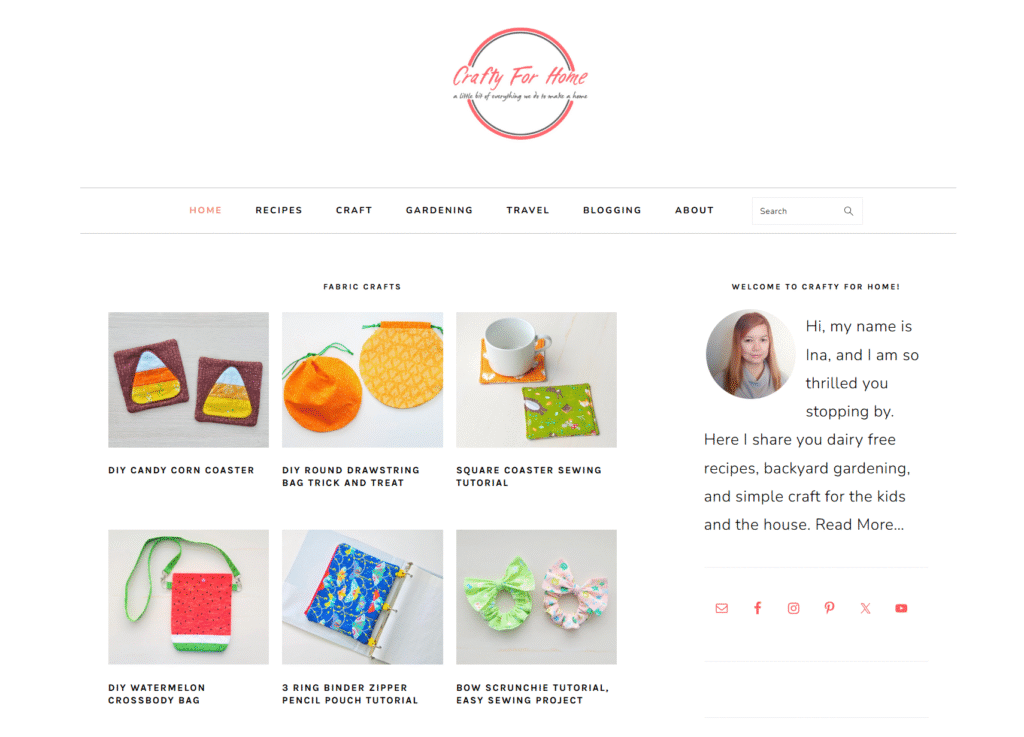
Ina Wrobel lives in rural Alberta, Canada.
She’s not in Silicon Valley. She’s not backed by venture capitalists. She doesn’t have a massive team or fancy office.
But she does have a blog that generates $6,000 per month teaching people to sew and garden.
And she built it because her daughters had dairy allergies.
Wait, what?
Yeah, that’s the beautiful thing about online business. Sometimes the path to success starts in the most unexpected places.
Ad 🎯 After studying 400+ business models, here’s what actually works for beginners…
Most “make money online” advice is garbage. Complex affiliate schemes. Dropshipping nightmares. Social media “influencing.”
We found something better: lead-generation funnels for manufacturers. Simple. Profitable. Fast results.
Our Max Incubator Phase 1 students are proof—they’re going from zero to their first $1,000 in 90 days with this exact model.
→ See the business idea that’s working for beginners this year
When Life Gives You Allergies, Build a Content Empire
Here’s how Ina’s journey unfolded:
Her daughters developed dairy allergies, which meant Ina had to completely reimagine her approach to cooking. Instead of viewing this as a limitation, she saw it as an opportunity to document her creative solutions and help other parents facing similar challenges.
But Ina didn’t stop at cooking.
She realized that many of her skills—sewing, gardening, and adapting recipes—could help people create more self-sufficient, sustainable lifestyles. So she launched “CraftyForHome,” a blog dedicated to teaching practical homemaking skills.
The result? A multi-faceted content platform that now pulls in four-figure monthly revenue from multiple sources.
Let’s break down exactly how she did it.
The Four-Revenue-Stream System Generating $72K Annually
Most bloggers rely on one income source and wonder why their revenue is unstable. Ina took a different approach: build multiple streams so that if one dips, the others keep cash flowing.
Income Stream #1: Display Advertising (The Foundation)
This is the biggest revenue driver. Display ads appear throughout the blog, and every time someone visits, Ina earns money from ad impressions. She’s partnered with premium ad networks that specialize in lifestyle content, maximizing her earnings per thousand visitors (RPM).
The sewing and gardening niche typically sees RPMs between $10-25, depending on factors like audience geography and time of year. With consistent traffic, this creates a reliable baseline income.
Income Stream #2: Affiliate Marketing (The Amplifier)
When Ina recommends a sewing machine or gardening tool, she includes affiliate links. If readers purchase through those links, she earns a commission—typically 3-8% depending on the program and product category.
The genius here is that she only recommends products she’s actually tested and believes in. This builds trust while generating income. Affiliate programs like Amazon Associates and specialized platforms like ShareASale offer thousands of relevant products in the crafting and gardening space.
Income Stream #3: Digital Printables (The Scalable Asset)
Ina creates downloadable resources like sewing patterns, gardening planners, and recipe templates. Customers purchase them once, download immediately, and start using them. There’s no inventory, no shipping, no physical product headaches.
This model is beautiful because you create the asset once and sell it infinitely. The digital product market for crafters continues growing as more people seek convenient, instant-access resources.
Income Stream #4: YouTube Revenue (The Authority Builder)
Ina expanded beyond written content into video tutorials on YouTube. This serves two purposes: it generates additional ad revenue through the YouTube Partner Program, and it drives traffic back to her blog where other monetization methods kick in.
Video content in the DIY and gardening space performs exceptionally well because people can follow along visually. Channels like Garden Answer and The Sorry Girls have built massive audiences using this exact approach.
What Ina Absolutely Crushed (And You Should Copy)
Let’s talk about the specific tactics that separated Ina’s blog from the thousands of other lifestyle sites competing for attention:
The Speed Optimization Play
Ina’s website scored 92% on GTmetrix for loading speed. That’s not luck—it’s intentional optimization.
Why does this matter? Because Google research shows that as page load time increases from 1 second to 3 seconds, bounce rate probability increases by 32%. Slow sites literally hemorrhage money through lost visitors.
Fast load times mean visitors stick around, engage with more content, and view more ads. It’s the foundation everything else builds on.
The Navigation Simplification Strategy
Ever visited a blog and felt immediately lost? Like you needed a treasure map just to find the recipe you clicked for?
Ina’s site does the opposite. Categories are logical. The search function actually works. Finding content feels intuitive rather than frustrating.
This might seem basic, but most content creators overlook it entirely. They focus on flashy design while ignoring whether users can actually find anything.
The Sidebar Monetization Approach
Ina uses her sidebar strategically. It’s not just decorative—it’s a conversion machine. Newsletter signup forms capture email addresses. Popular post widgets keep visitors engaged. Targeted promotions for digital products sit exactly where engaged readers can see them.
According to content marketing research, email lists convert 40 times better than social media for customer acquisition. Ina’s sidebar builds that asset with every visit.
The Visual Content Mastery
Ina’s blog posts are visually stunning. Bright, beautiful images make you want to grab a sewing machine or run outside to plant tomatoes. Each post feels like a mini-magazine spread rather than a wall of text.
In lifestyle blogging, visuals aren’t optional—they’re essential. People need to see the finished product, the step-by-step process, the possibilities.
The Content Diversification Move
Here’s where Ina got really smart:
She started with sewing and gardening content. Then she added dairy-free cooking tutorials based on her family’s needs. Later, she expanded into travel content.
Each new category attracted a different segment of her audience while allowing cross-pollination. Someone might come for the gardening tips and discover they love her sewing patterns.
This approach is visible across successful lifestyle platforms like A Beautiful Mess and The Spruce, which continually expand their content offerings.
The Gaps Holding Back Even Bigger Growth
Despite hitting $6,000 monthly, Ina’s blog has significant untapped potential. These weaknesses represent opportunities for improvement:
The SEO Traffic Decline
Organic traffic dropped from 7,000+ monthly visitors to under 1,000. That’s a massive red flag indicating SEO strategy needs attention.

Possible culprits include algorithm updates, increased competition, or outdated content that no longer ranks. The fix requires updating old posts with current information, targeting trending keywords, and building quality backlinks from reputable sites in the crafting and gardening space.
The home and garden blogging niche remains highly competitive but lucrative for those who master SEO fundamentals.
The Underutilized Social Media Presence
Ina crushes it on Pinterest with 38,000+ subscribers and 3.6 million monthly views. That’s incredible.
But Instagram, Facebook, and especially TikTok remain largely untapped. Quick sewing tutorials, time-lapse gardening videos, and behind-the-scenes content could drive massive additional traffic.
Platforms like TikTok’s creator community have turned crafting and gardening content into viral phenomena. Short, engaging videos showcasing quick wins resonate powerfully with audiences seeking inspiration.
Ad 🎯 Ready to put these strategies into action?
Theory is great, but execution is what drives growth. That’s where Max Business School™ comes in.
Inside, you’ll find step-by-step digital marketing courses (SEO, ads, email, social, content, and more) — taught by professionals, designed for beginners and business owners alike.
And the best part? It’s 100% free, online, and flexible.
→ Join Max Business School Today — Free
Your Action Plan for Building a Lifestyle Content Business
Ready to create your own content empire? Here’s the realistic roadmap:
Pick Your Dual Focus: Ina’s success came partly from combining two complementary niches (sewing and gardening both appeal to DIY homemakers). Choose topics you genuinely know and care about—authenticity shows through content.
Build Essential Skills: You’ll need basic blogging platform knowledge (WordPress is standard), photography skills for visual content, and fundamental SEO understanding. None of these require expensive courses—free resources and practice will get you there.
Start Creating Consistently: Commit to publishing quality content regularly. Ina didn’t build this overnight—it took consistent effort over time to build authority and traffic.
Monetize Strategically: Don’t wait until you’re “big enough” to monetize. Start with affiliate links immediately, apply to ad networks once you hit their traffic requirements, and create simple digital products based on what your audience asks for.
The Real Talk About Lifestyle Blogging Income
Let’s be honest: $6,000/month is fantastic, but it represents years of consistent work, not a quick flip.
Ina built this by solving real problems for her audience, creating genuinely helpful content, and diversifying income streams so she’s not dependent on any single source.
This model works because it’s built on providing value first and monetization second. The blogs that fail are those that prioritize ads over actual helpful content.
The lifestyle blogging space remains viable because people will always need practical skills like sewing, gardening, and creative cooking. The global DIY and craft market continues growing as more people seek hands-on hobbies and sustainable living practices.
Want to see Ina’s approach in action? Explore CraftyForHome to study her content structure, visual style, and monetization integration.
Now stop dreaming about building a content business and start creating.