
How This Software Dev Shop Generates $70K Monthly (Without VC Funding)

Most software development companies chase venture capital like it’s the only path to success.
But here’s what they’re missing:
You can build a thriving dev shop that generates $70,000 per month by focusing on three things most agencies completely ignore.
And no, it’s not about having the fanciest tech stack or working 80-hour weeks.
It’s about something far more strategic.
Let me show you exactly how Aleksandr Duchenchuk and his team at Moai Team cracked the code on sustainable software development revenue—and how you can apply their playbook to your own business.
Ad 🎯 After studying 400+ business models, here’s what actually works for beginners…
Most “make money online” advice is garbage. Complex affiliate schemes. Dropshipping nightmares. Social media “influencing.”
We found something better: lead-generation funnels for manufacturers. Simple. Profitable. Fast results.
Our Max Incubator Phase 1 students are proof—they’re going from zero to their first $1,000 in 90 days with this exact model.
→ See the business idea that’s working for beginners this year
The Business Model That Actually Works
Here’s the thing about software development companies:
Most of them are selling hours.
Moai Team? They’re selling outcomes.
Instead of positioning themselves as “developers for hire,” they offer turnkey software solutions—meaning they handle everything from the initial concept to deployment and ongoing support. This isn’t just semantics. It’s a fundamental shift in how clients perceive value.
When you sell hours, clients nickel-and-dime every estimate.
When you sell solutions, clients evaluate ROI.
The company specializes in multiple industries including e-learning, HR tech, entertainment and media, e-commerce, and B2B sectors. This diversification isn’t accidental—it’s a strategic buffer against market volatility. When one sector slows down, another picks up the slack.
Their development process follows a comprehensive approach: project management, architecture design, coding, testing, and deployment. But here’s where it gets interesting…
They don’t just build software and disappear.
They partner with clients through the entire journey, which creates recurring revenue opportunities and positions them as strategic partners rather than vendors.
The Content Strategy Most Dev Shops Ignore
Want to know the secret weapon behind Moai Team’s steady client acquisition?
It’s not cold outreach (though that has its place).
It’s not paid ads (though we’ll get to that).
It’s content that actually demonstrates expertise.
Most software companies treat content marketing like checking a box. They publish generic “5 Ways to Improve Your Software” posts that could apply to anyone, anywhere, at any time.
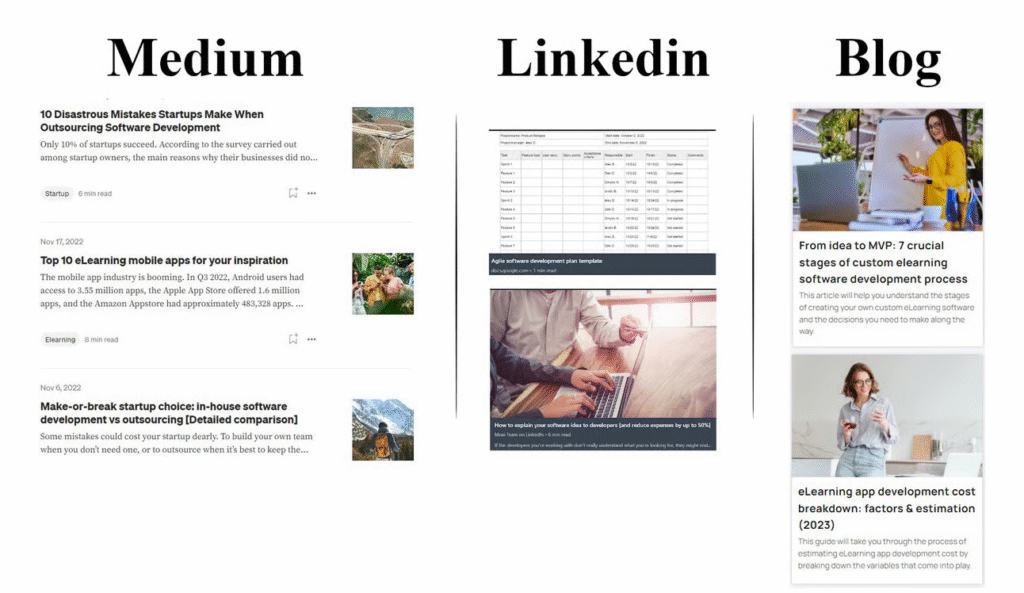
Moai Team takes a different approach. They publish detailed insights on their blog, contribute to Medium, and share thought leadership on LinkedIn—but here’s the critical difference:
Their content solves specific problems for specific industries.
When an e-learning company searches for solutions to their unique challenges, guess whose content appears? When an HR tech startup needs guidance on scaling their platform, whose articles provide the roadmap?
This targeted content strategy does three things simultaneously:
- Establishes credibility with decision-makers before they ever schedule a call
- Attracts qualified leads who already understand the company’s approach
- Creates a library of proof that the team understands industry-specific challenges
The takeaway? Generic content attracts generic leads. Specific content attracts clients willing to pay premium rates.
How Free Consultations Become Revenue Generators
Here’s where most agencies make a massive mistake:
They gate everything behind a “book a paid consultation” wall.
Moai Team flips this completely. They offer free consultations—and before you think “that’s leaving money on the table,” let me explain why this is brilliant.
The free consultation isn’t about giving away services.
It’s about qualifying prospects and demonstrating value before asking for commitment.
During these sessions, the team listens to business challenges, offers preliminary insights, and maps out potential solutions. This accomplishes several objectives:
- Filters out tire-kickers who aren’t serious about investing
- Builds trust through transparency and genuine helpfulness
- Showcases expertise in a low-pressure environment
- Creates a natural transition to paid engagement
Think about it from the client’s perspective. Would you rather hire someone who immediately asks for money, or someone who first demonstrates they understand your problem and has a viable path to solving it?
The consultation becomes a low-risk audition that converts far better than traditional sales approaches.
The Portfolio That Does the Heavy Lifting
Anyone can claim they’re a great software development company.
Moai Team proves it.
Their portfolio showcases completed projects across industries—real solutions they’ve built for real companies facing real challenges. This isn’t fluff marketing. It’s documented proof of capability.
Here’s why this matters more than you think:
When a potential client browses that portfolio, they’re not just looking at pretty screenshots. They’re evaluating whether this team has solved problems similar to theirs. They’re assessing technical competence. They’re imagining their own project in that lineup of success stories.
The portfolio serves as a 24/7 salesperson, answering objections before they’re even raised. It reduces the friction in the sales process because prospects arrive at conversations already half-convinced.
But here’s the nuance most companies miss: a good portfolio doesn’t just show WHAT you built. It explains WHY it mattered and HOW it solved specific business problems.
When you frame projects around business outcomes rather than technical features, you speak the language that decision-makers actually care about.
The Partnership Philosophy That Changes Everything
Let’s talk about something most service businesses completely botch:
Client relationships.
Moai Team operates on three core values: honesty, integrity, and transparency. Now, I know what you’re thinking—”every company says that.” And you’re right. Most do.
The difference is in the execution.
Transparency means having difficult conversations early. It means telling clients when their timeline is unrealistic before taking their money. It means admitting when you don’t have expertise in a particular area rather than faking it.
This approach might seem like it would hurt revenue in the short term.
Actually, it does the opposite.
When clients trust you’re operating in their best interest—even when it means less immediate revenue for you—they become long-term partners. They refer other clients. They return for future projects.
The software development industry is plagued by overpromising and underdelivering. Companies that buck this trend don’t just stand out—they dominate their niche.
Where the Revenue Model Needs Evolution
Now, here’s where things get interesting.
Despite generating $70,000 monthly, Moai Team has significant growth opportunities they haven’t fully tapped into.
Social Media Presence
Their LinkedIn presence exists, but it’s not optimized for lead generation. Most software companies treat LinkedIn like a resume hosting service. The opportunity? Transform it into a content distribution engine that showcases expertise, shares case studies, and engages in industry conversations.
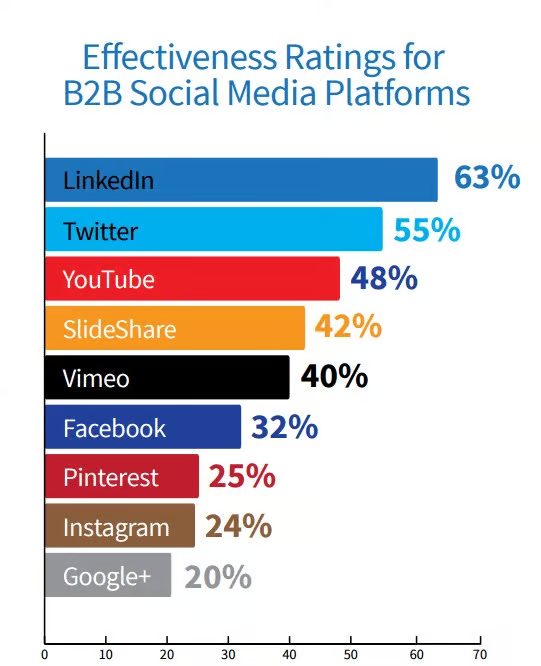
The B2B software market increasingly makes decisions based on thought leadership presence. Being visible where your clients spend time isn’t optional—it’s essential.
Search Engine Optimization
Here’s a surprising gap: despite having strong content, their SEO could be significantly improved. Better keyword research, optimized meta tags, and technical SEO improvements could drive substantially more organic traffic.
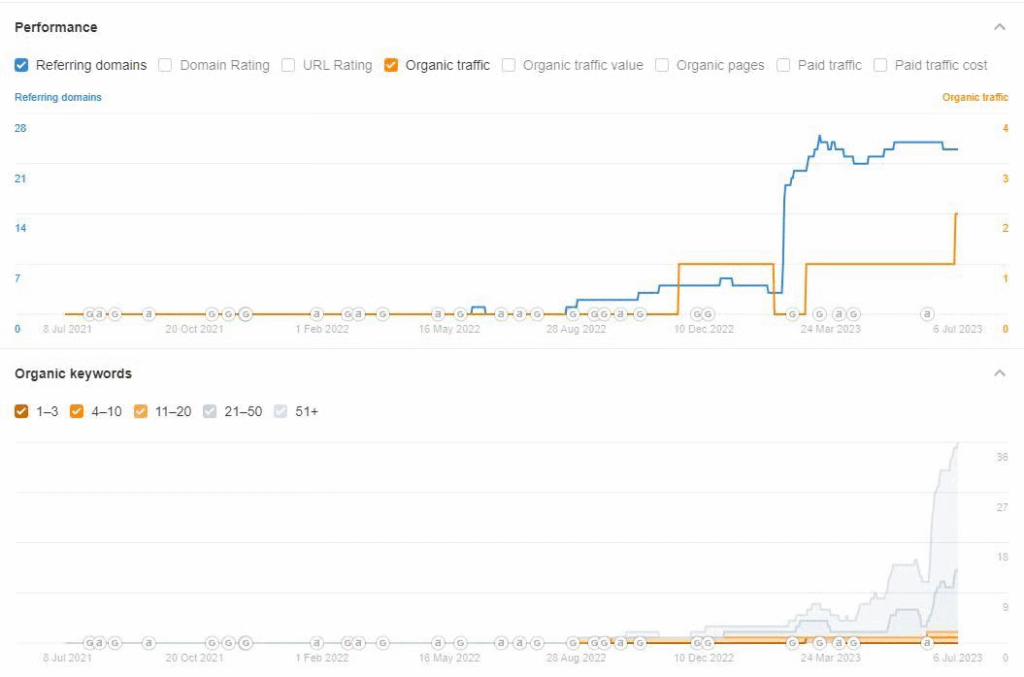
Consider this: if you rank for high-intent keywords in your niche, you’re capturing prospects at the exact moment they’re searching for solutions. That’s marketing gold that doesn’t require ongoing ad spend.
Revenue Stream Diversification
Right now, Moai Team generates revenue through client projects. Smart. Sustainable. But limited.
Additional revenue streams could include:
- Educational content (courses teaching businesses how to work effectively with dev teams)
- Productized services (standardized packages for common use cases)
- Podcasting (positioning the founders as industry experts while attracting partnerships)
- Open source tools (building community goodwill and lead generation simultaneously)
The company name—Moai, from the Japanese word meaning “gather for a common purpose”—actually hints at the podcast opportunity perfectly. Imagine a show bringing together founders, CTOs, and product leaders to discuss what actually works in software development.
Each episode becomes evergreen content. Each guest becomes a potential referral partner. Each listener becomes a warmed-up lead.
Ad 🎯 Ready to put these strategies into action?
Theory is great, but execution is what drives growth. That’s where Max Business School™ comes in.
Inside, you’ll find step-by-step digital marketing courses (SEO, ads, email, social, content, and more) — taught by professionals, designed for beginners and business owners alike.
And the best part? It’s 100% free, online, and flexible.
→ Join Max Business School Today — Free
What Software Founders Can Learn From This
Whether you’re building a software development company or any service-based business, here are the key lessons from Moai Team’s success:
Position yourself as a partner, not a vendor. When you take ownership of outcomes rather than just deliverables, you can charge premium rates and build longer client relationships.
Content isn’t optional. Your expertise is worthless if your ideal clients don’t know you exist. Consistent, valuable content attracts better clients than cold outreach ever will.
Transparency creates trust faster than perfection. Clients would rather work with someone honest about limitations than someone who overpromises and underdelivers.
Diversification protects revenue. Whether it’s serving multiple industries or exploring additional revenue streams, putting all your eggs in one basket is a risk you can’t afford.
Free value upfront converts better than aggressive sales tactics. When you demonstrate expertise through free consultations or valuable content, you’re building relationships rather than just chasing transactions.
The Path Forward
Building a $70K monthly software development company doesn’t require venture capital, a massive team, or revolutionary technology.
It requires:
Strategic positioning. Consistent content. Transparent relationships. Diversified services.
And perhaps most importantly, it requires treating clients like partners rather than transactions.
Aleksandr Duchenchuk and the Moai Team have proven that this approach works. They’ve built a sustainable, growing business in a competitive industry without compromising their values or burning out their team.
The question isn’t whether this model works.
The question is whether you’re willing to implement it.
Because here’s the thing about building a successful software company: the technical skills are table stakes. What separates thriving businesses from struggling ones is everything we’ve covered here—the strategy, the positioning, the content, the relationships.
You don’t need to reinvent the wheel.
You just need to study what’s already working and adapt it to your specific market.
The playbook is right here. What you do with it is up to you.