
How One Travel Blogger Makes $7,665/Month (The Freedom Blueprint)
Imagine getting paid to explore the world.
Not just scraping by with occasional sponsored posts that barely cover your hostel fees. I’m talking about a legitimate $7,665 per month—enough to fund your travels, pay your bills, and actually save money while visiting 74 countries across five continents.
Sounds like a fantasy, right? The kind of lifestyle Instagram influencers pretend to have while secretly broke?
Here’s the plot twist: Jeremy Jones built exactly this life. And he didn’t do it with millions of followers, venture capital funding, or some secret travel blogger mafia connection.
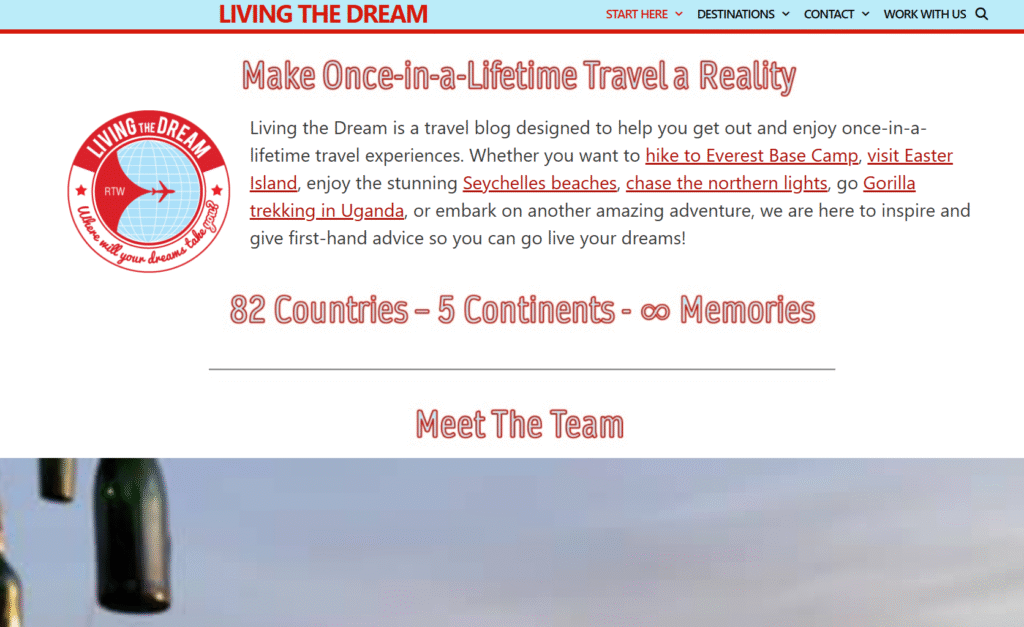
He did it with a simple travel blog called Living the Dream.
Started in 2010 as a basic travel diary to document his adventures, the blog gradually evolved into a sophisticated business generating consistent four-figure monthly income. No gimmicks. No get-rich-quick schemes. Just smart monetization strategies combined with genuinely helpful content.
Want to know his secret? Spoiler alert: there isn’t one magic trick. But there is a repeatable formula that you can steal—and that’s exactly what I’m about to show you.
Ad 🎯 After studying 400+ business models, here’s what actually works for beginners…
Most “make money online” advice is garbage. Complex affiliate schemes. Dropshipping nightmares. Social media “influencing.”
We found something better: lead-generation funnels for manufacturers. Simple. Profitable. Fast results.
Our Max Incubator Phase 1 students are proof—they’re going from zero to their first $1,000 in 90 days with this exact model.
→ See the business idea that’s working for beginners this year
The Travel Blog Business Model Nobody Talks About
Here’s what most aspiring travel bloggers get wrong:
They think the business model is “travel + take pretty photos + hope brands magically appear with money.”
That’s not a business model. That’s wishful thinking with better lighting.
The travel bloggers actually making money? They treat their blogs like legitimate businesses with diversified revenue streams, strategic partnerships, and intentional monetization.
Living the Dream focuses on adventure travel, food and beverage, and off-the-beaten-track destinations, having featured 74 countries across five continents. But the real magic isn’t in where Jeremy travels—it’s in how he monetizes those experiences.
Let’s break down exactly where that $7,665 monthly income comes from.
The Money: Three Revenue Streams Funding a Life of Adventure
Most travel blogs have one revenue stream (usually sad display ads earning $23 per month). Jeremy built three solid income sources that work together like a well-planned itinerary.
Revenue Stream #1: Sponsored Content and Brand Partnerships
This is where the bulk of revenue comes from, and it’s more sophisticated than you might think.
The blog has partnered with various brands, hotels, and travel agencies, from small to well-established businesses, charging fees for advertising services that link readers to destinations, resorts, or services.
Jeremy offers several advertising packages tailored to different client needs and budgets. Small boutique hotels in Thailand might need basic sponsored posts. Luxury resorts in the Maldives might want comprehensive packages with multiple articles, social media promotion, and featured placements.
This tiered approach is brilliant because it creates multiple price points. Not every brand can afford a $5,000 campaign, but most can swing $500-$1,000 for a well-written review on an established blog.
The key here? Traffic volume and domain authority. Brands don’t pay for pretty photos—they pay for access to engaged audiences who actually book trips based on recommendations.
Revenue Stream #2: Mediavine Display Ads
Now let’s talk about passive income that actually works.
The blog uses Mediavine for all its display and banner advertisements, earning income through clicks. For those unfamiliar, Mediavine is a premium ad network that requires significant traffic (typically 50,000+ monthly sessions) but pays substantially better than basic Google AdSense.
Here’s why this matters: once you’re approved for Mediavine, your ads essentially run on autopilot. You publish content, people visit, ads display, money arrives in your bank account. No pitching. No negotiations. No complicated contracts.
It’s the closest thing to “set it and forget it” income you’ll find in the blogging world.
The catch? You need consistent, high-quality traffic. Which brings us back to SEO—but we’ll get to that in a minute.
Revenue Stream #3: Affiliate Marketing ($2,000/Month)
Here’s where smart travel bloggers separate themselves from hobbyists.
The blog celebrates a total of $2,000 per month from affiliate marketing, with most commissions coming from online businesses in the travel niche, including participation in third-party affiliate programs like Amazon and hotel booking engines.
Think about the travel booking journey: Someone reads Jeremy’s article about exploring Iceland. They get inspired. They click his affiliate link to book hotels through Booking.com. Jeremy earns a commission. They click his Amazon links to buy travel gear. Another commission. They use his Airbnb referral link. More commission.
Each piece of content becomes a 24/7 salesperson generating passive income. An article written three years ago about backpacking through Vietnam is still earning affiliate commissions today.
That’s the power of evergreen travel content combined with strategic affiliate partnerships.
Popular travel affiliate programs include:
- Booking.com (hotels and accommodations)
- Get Your Guide (tours and activities)
- Travel Insurance Master providers like World Nomads
- Skyscanner (flight comparison)
- Amazon Associates (travel gear and equipment)
Each one adds another stream of recurring income.
Why This Travel Blog Succeeds While Others Fail
Millions of travel blogs exist. Most make approximately $0.00 per month. So what makes Living the Dream different?
Let’s dissect the specific strategies driving success.
SEO-Optimized Content That Actually Ranks
The blog features pages optimized to rank high on Google search results, with content rich in strong keywords related to trending topics. This isn’t accidental. This is strategic content creation based on keyword research and search intent.
Instead of writing “My Amazing Trip to Bali” (which nobody searches for), Jeremy creates content targeting specific queries like:
- “Best beaches in Bali for families”
- “Budget guide to Ubud”
- “Where to stay in Seminyak”
See the difference? One is a diary entry. The other answers actual search queries that people are actively looking for.
That’s the shift from hobbyist to professional.
Established Domain Authority
According to Ahrefs, the blog’s domain rating ranges between 40-50, which is positive for a small-scale travel blog, with domain rating focusing on the quantity and quality of external backlinks.
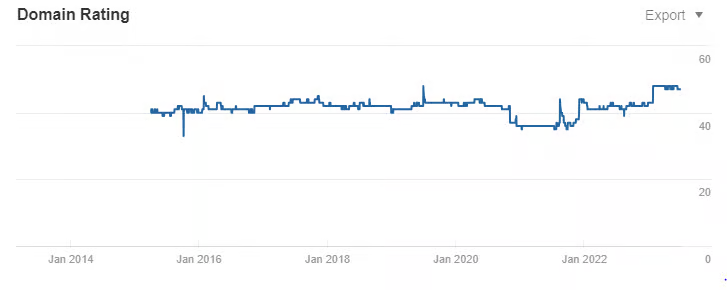
For context, domain rating is measured on a 100-point scale. A 40-50 rating means the blog has built legitimate authority over time through quality backlinks from reputable sources.
Why does this matter? Higher domain authority means your content ranks faster and higher in search results. An article on a high-authority blog can rank on page one within weeks. The same article on a brand-new blog might never rank at all.
This authority wasn’t built overnight. It came from years of consistent publishing, earning backlinks from other travel sites, and creating content worth linking to.
Content That Solves Real Travel Planning Problems
Visitors can enjoy blog posts that are very helpful in the planning phase of a vacation trip, with numerous articles reviewing getaway spots and agencies that help with travel costs and accommodation.
This is the secret sauce nobody talks about: genuinely helpful content.
Not inspirational quotes over sunset photos. Not vague “follow your dreams” platitudes. Actual tactical information that helps people plan better trips:
- Detailed destination guides with logistics
- Honest reviews of hotels and tours
- Budget breakdowns for specific trips
- Transportation guides and tips
- Food recommendations with actual locations
When your content genuinely helps people, three things happen: they stay longer (good for SEO), they share it (good for backlinks), and they trust your recommendations (good for affiliate conversions).
It’s a virtuous cycle where quality content creates business success, which funds more quality content.
Smart Monetization Integration
Here’s what separates amateurs from professionals: seamless monetization integration.
The blog doesn’t feel like a desperate pitch-fest. Affiliate links are naturally woven into helpful recommendations. Sponsored content is clearly labeled but still genuinely useful. Display ads exist but don’t ruin the user experience.
That balance—providing value while making money—is what allows the business to sustain itself long-term.
KEY LEARNING MOMENT: The Content-First Monetization Framework
Most travel bloggers approach monetization backward. They think: “How can I make money from my blog?”
Wrong question.
The right question: “How can I create such valuable content that monetization becomes natural?”
Here’s the framework:
- Create genuinely helpful content that solves real travel planning problems
- Build traffic through SEO and valuable information people want to share
- Establish authority by consistently publishing quality content over time
- Integrate monetization naturally through affiliates, ads, and sponsorships that serve the audience
Notice the order: Content → Traffic → Authority → Money
Not: Money → Traffic → Content → Hope for the best
The bloggers making real money? They nailed the fundamentals first, then added monetization as a natural extension of the value they were already providing.
That’s the difference between a $50/month hobby and a $7,665/month business.
The Missed Opportunities (Where $7K Could Become $15K)
Even at nearly eight thousand dollars monthly, Jeremy’s leaving money on the table. Let’s talk about the untapped potential.
Digital Products: The Obvious Missing Piece
The blog has potential to offer more services, such as digital products, to better equip and inform its audience—downloadable printables like spreadsheets to manage finances and cheatsheets to help with trip planning that can be sold for a reasonable fee.
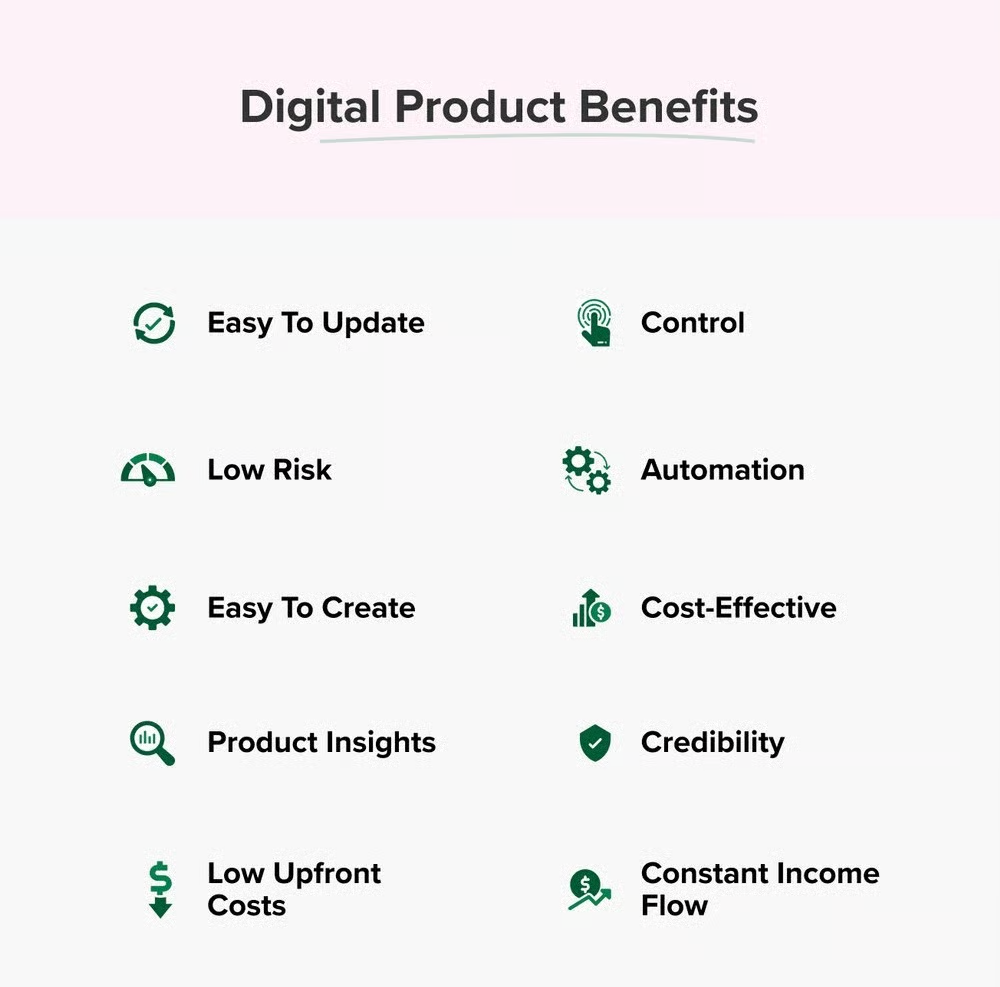
Think about what travelers actually need:
- Budget planning spreadsheets for different destinations
- Packing lists for various trip types
- Itinerary templates for popular routes
- Visa requirement checklists
- Travel photography guides
These digital products could easily add another $1,000-$3,000 monthly with minimal ongoing effort. Create once, sell forever.
Sites like Nomadic Matt and The Blonde Abroad have built six-figure product businesses alongside their blogs. The audience is there. The expertise is proven. It’s just a matter of packaging it.
Social Media: The Sleeping Giant
Upon analyzing the blog’s social presence, there’s untapped potential to promote content and connect with the audience, particularly on video and picture-oriented platforms like Instagram, Facebook, and YouTube.
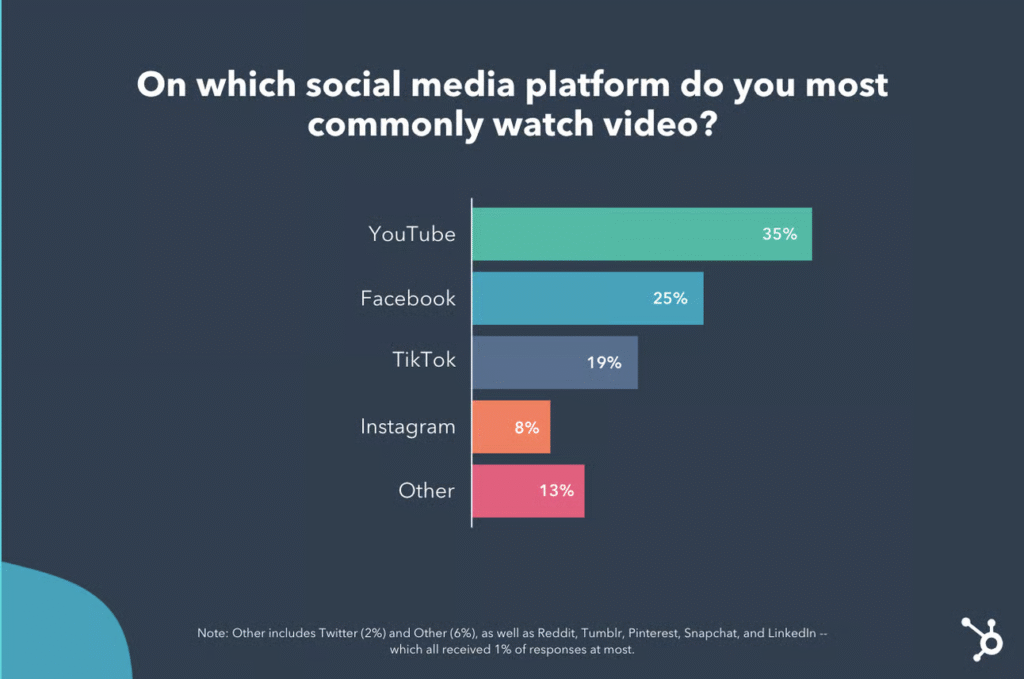
This is perhaps the biggest missed opportunity.
Travel content is inherently visual. Instagram and YouTube are dominated by travel creators. Yet Living the Dream isn’t leveraging these platforms effectively.
Imagine repurposing blog content into:
- Instagram Reels showing quick destination tips
- YouTube vlogs with detailed travel guides
- Pinterest pins driving traffic to articles
- TikTok videos capturing attention of younger travelers
Each platform becomes another traffic source driving people back to the monetized blog. More traffic equals more ad revenue, more affiliate clicks, more sponsorship opportunities.
Travel bloggers like Lost LeBlanc built massive audiences by going all-in on YouTube, then funneling that traffic to their monetized websites. It’s a proven strategy just waiting to be implemented.
Email List: The Asset That Keeps Giving
Here’s something most travel bloggers completely ignore: email list building.
An engaged email list is worth its weight in gold. It’s an owned audience you can reach anytime without algorithmic interference. When you publish new content, one email drives hundreds of visitors. When you create a digital product, your list becomes instant customers.
The blog should be capturing emails aggressively with lead magnets like:
- “Free 10-Day Thailand Itinerary”
- “Ultimate Travel Photography Checklist”
- “Budget Travel Hacks Guide”
Those subscribers become repeat visitors, affiliate customers, and eventually product buyers.
Ad 🎯 Ready to put these strategies into action?
Theory is great, but execution is what drives growth. That’s where Max Business School™ comes in.
Inside, you’ll find step-by-step digital marketing courses (SEO, ads, email, social, content, and more) — taught by professionals, designed for beginners and business owners alike.
And the best part? It’s 100% free, online, and flexible.
→ Join Max Business School Today — Free
The Origin Story That Makes It All Make Sense
Let me tell you how this actually started, because context matters.
The business started as a typical travel blog to document Jeremy’s trip in 2010-2011, and with his now wife Angie in 2013-2014, only to gradually grow into a popular travel blog.
This wasn’t some calculated business plan from day one. Jeremy started the blog the way most people do—to share his adventures with friends and family.
But somewhere along the journey, he recognized the business potential. Instead of just posting pretty photos with captions about “living his best life,” he started creating actually useful content. He learned SEO. He built partnerships. He implemented monetization strategies.
The blog evolved from diary to business organically, which is actually the healthiest path. He built an audience first by providing value, then monetized that audience in ways that continued serving them.
That authentic foundation—genuine love for travel combined with genuinely helpful content—is what makes the monetization feel natural rather than desperate.
Your Blueprint for Building a Profitable Travel Blog
Alright, enough analysis. Let’s get tactical about how you build this for yourself.
Phase 1: Foundation and Strategy (Day 1)
Choose your specific travel niche.
“Travel blog” is way too broad. Are you focusing on:
- Budget backpacking through Southeast Asia?
- Luxury family vacations in Europe?
- Solo female travel safety and tips?
- Adventure sports and extreme travel?
- Digital nomad guides for working remotely?
The more specific your niche, the easier it is to build authority and attract sponsors.
Conduct serious competitive research.
Use Ahrefs to analyze successful travel blogs in your niche. Study their most popular content. Identify gaps they’re not covering. Look at their backlink profiles to understand how they built authority.
Don’t copy—learn from what works, then create something better.
Create your business plan.
Yes, even for a blog. Outline your content strategy, monetization approach, growth milestones, and financial projections. Having a plan keeps you focused when motivation inevitably wanes.
Register your domain and set up hosting.
Choose a memorable name related to your niche. Use reliable hosting like DreamHost or Bluehost that can handle traffic growth.
Select a clean, mobile-friendly theme.
Most travel blog traffic comes from mobile devices (people planning trips on their phones during lunch breaks). Your site needs to load fast and look great on smartphones.
Phase 2: Content Creation and SEO (Day 2)
Develop your content strategy.
Research keywords using Ahrefs or SEMrush. Look for:
- Destination guides (medium competition, high search volume)
- “Best [thing] in [place]” articles (strong conversion potential)
- Budget guides (excellent for affiliate links)
- Travel tips for specific situations (good for ranking)
Create a content calendar for 90 days. Consistency beats perfection.
Write genuinely helpful content.
Stop trying to sound like a professional writer. Write like you’re helping a friend plan their trip. Include:
- Specific recommendations with names and locations
- Honest pros and cons of destinations
- Budget breakdowns with real numbers
- Logistics information (how to get there, where to stay)
- Photos that actually show useful details
The goal isn’t to impress—it’s to help.
Optimize every piece of content for SEO.
Use your target keyword in:
- The title (naturally, not awkwardly)
- First paragraph
- Several subheadings
- Image alt text
- Meta description
But don’t sacrifice readability for SEO. Write for humans first, search engines second.
Set up social media presence.
Create accounts on Instagram, Pinterest, Facebook, and YouTube. You don’t need to master all of them immediately—start with one or two platforms where your audience already hangs out.
Use tools like Buffer or Later to schedule posts efficiently.
Phase 3: Monetization and Growth (Day 3 to ∞)
Join affiliate programs immediately.
Don’t wait for traffic. Join relevant programs now:
- Booking.com Partner Program
- Amazon Associates (for travel gear)
- Travel insurance affiliates
- Tour booking platforms
- Credit card travel rewards programs
As you write content, naturally include affiliate links where they genuinely help readers.
Apply to ad networks once you hit traffic thresholds.
Start with Google AdSense (no minimum traffic required). Once you hit 50,000 monthly sessions, apply to Mediavine. At 100,000 pageviews, consider AdThrive.
Build relationships with tourism boards and brands.
Don’t wait for sponsors to find you. Reach out to:
- Local tourism boards for destinations you’re covering
- Hotels and resorts you’ve actually stayed at
- Tour companies you’ve used
- Travel gear brands you genuinely recommend
Start with small partnerships. Offer to create content in exchange for experiences. Prove your value before pitching paid partnerships.
Create your media kit.
Once you have decent traffic (even just 10,000 monthly pageviews), create a professional media kit showing:
- Traffic statistics
- Audience demographics
- Social media following
- Previous brand partnerships
- Advertising packages and pricing
Make it easy for brands to say yes.
Track everything obsessively.
Use Google Analytics to understand:
- Which content drives the most traffic
- Where your visitors come from
- What content converts best for affiliates
- How long people stay on your site
Double down on what works. Eliminate or improve what doesn’t.
Build your email list from day one.
Use tools like ConvertKit or Mailchimp to capture emails. Create valuable lead magnets relevant to your niche.
Your email list will eventually become more valuable than your social media following.
Engage with the travel community.
Join travel blogging Facebook groups. Comment on other travel blogs. Participate in travel forums. Build relationships with other bloggers for collaboration opportunities.
The travel blogging community is surprisingly supportive. Use that to your advantage.
Stay current with travel trends.
Follow industry news through sites like Skift and Travel Weekly. Understand where travelers are going and what they’re looking for. Adjust your content strategy accordingly.
The Brutal Truth About Travel Blogging Income
Let me be painfully honest about something nobody wants to admit:
You probably won’t make a dime for the first year.
Maybe longer.
Living the Dream started in 2010-2011 as a simple travel diary and gradually grew into a profitable business. That’s over a decade of consistent effort.
Most people start a travel blog thinking they’ll be making thousands within six months. They publish twenty articles, get 473 total pageviews, earn $3.27 from ads, and quit because “travel blogging doesn’t work.”
But here’s what they don’t understand: travel blogging is a compound interest business.
Your first article might get 10 visitors. Your tenth article might get 50 visitors. But your hundredth article? That might get 5,000 visitors—and so might articles 1-99, because you’ve built domain authority and search rankings.
Year one? You’re planting seeds in often frustrating obscurity.
Year two? You’re starting to see sprouts of traffic and tiny bits of income.
Year three? You’re actually making meaningful money that could supplement your income.
Year four? That’s when travel blogging can become your primary income source.
Jeremy didn’t get to $7,665 monthly overnight. He got there through years of consistent publishing, relationship building, and strategic monetization.
The question isn’t whether travel blogging can be profitable—clearly it can. The question is whether you’re willing to commit to the process long enough to see results.
Your Next Move: From Daydream to Reality
You’ve got the blueprint. You’ve seen the proof. You understand the timeline.
Now comes the moment of truth: will you actually start?
Most people won’t. They’ll bookmark this article, tell themselves they’ll “get to it eventually,” and continue daydreaming about a laptop lifestyle while stuck in jobs they hate.
Don’t be most people.
Here’s what I want you to do today—right now, not tomorrow:
- Choose your specific travel niche based on your actual travel experience and interests
- Research three successful blogs in that niche using Ahrefs
- Write down 20 article ideas that would genuinely help your target audience
- Register a domain name before someone else takes it
That’s it. Four simple actions that take maybe two hours total.
You don’t need to quit your job. You don’t need to book a flight to Bali. You don’t need perfect circumstances.
You just need to start.
Because here’s the truth that nobody tells you about building an online business: the hardest part isn’t the work—it’s deciding to actually begin.
Jeremy started with a simple blog documenting his travels. He didn’t have a business plan. He didn’t have funding. He didn’t have a massive following.
He just started. Then he kept going. Then he got strategic about monetization. Then he built something that generates nearly eight thousand dollars per month while he explores the world.
That same opportunity exists for you. The travel industry is huge. The demand for helpful travel content is endless. The business model is proven.
The only thing missing is you taking the first step.
So what’s it going to be?
Are you going to continue scrolling through other people’s travel photos, wishing that could be your life?
Or are you going to build your own travel blog and create the freedom lifestyle you’ve been dreaming about?
The choice, as they say, is yours.
But if you’re still reading this, I think I know which path you’re going to choose.
Now go make it happen.