
How to Earn $10K Monthly Selling Sunglasses ($120K Yearly)
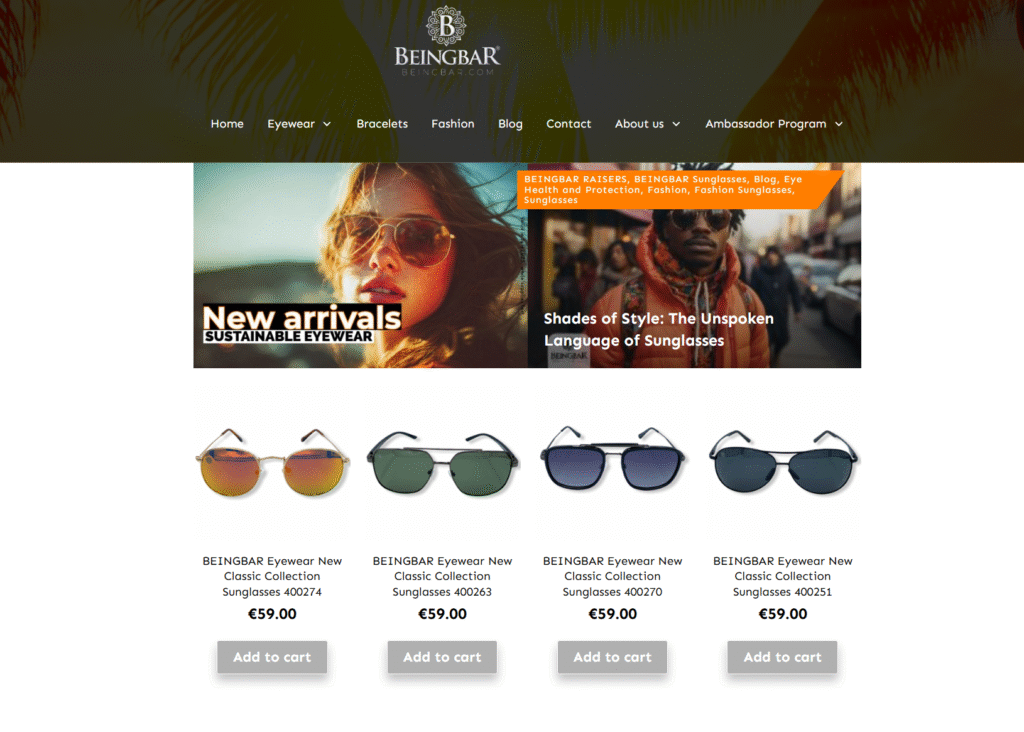
Someone’s making ten thousand dollars a month selling sunglasses online.
Not designer brands competing with Ray-Ban. Not discount knockoffs from overseas. Just quality sunglasses with smart positioning, solid email marketing, and a website that actually converts.
The eyewear market is worth billions globally, but here’s what most people miss: you don’t need to dominate the entire market to build a profitable business. You just need to carve out your specific corner and serve it well.
Let me show you exactly how this sunglasses business does it.
Ad 🎯 After studying 400+ business models, here’s what actually works for beginners…
Most “make money online” advice is garbage. Complex affiliate schemes. Dropshipping nightmares. Social media “influencing.”
We found something better: lead-generation funnels for manufacturers. Simple. Profitable. Fast results.
Our Max Incubator Phase 1 students are proof—they’re going from zero to their first $1,000 in 90 days with this exact model.
→ See the business idea that’s working for beginners this year
The Product Mix That Drives Sales
Most e-commerce stores either go too narrow (only one product) or too broad (everything under the sun). This business found the sweet spot.
Sunglasses for Every Style and Face
The core product is sunglasses in multiple styles: classic aviators, trendy cat-eye frames, modern geometric shapes, and everything in between.
Here’s the strategic thinking: different face shapes suit different frame styles. By offering variety rather than specializing in one aesthetic, they capture broader market segments. Someone looking for professional business attire finds options. Beach-goers find options. Fashion-forward trendsetters find options.
Frame color variety extends the appeal further. Mirrored lenses for people who want attention. Polarized options for serious outdoor enthusiasts who care about glare reduction. Classic blacks and tortoiseshells for timeless looks.
The sunglasses market continues growing as people become more aware of UV protection and fashion trends shift toward accessories. It’s not a shrinking industry—it’s expanding with new demographics entering regularly.
Smart Expansion Into Apparel and Accessories
Once you’ve established yourself selling sunglasses, the logical next step is complementary products.
T-shirts, hoodies, and caps with the brand logo turn customers into walking advertisements while creating additional revenue streams. Someone buying sunglasses might add a branded cap to their order if it’s positioned well.
Bracelets made from leather and beads offer another accessory cross-sell opportunity. The psychology here is simple: if someone cares about their appearance enough to select specific sunglasses, they likely care about other accessories too.
This product expansion strategy works because you’re serving the same customer avatar with related needs rather than randomly adding products hoping something sticks.
The Warranty Strategy That Overcomes Online Reluctance
Here’s a problem unique to sunglasses e-commerce: people want to try them on before buying.
Unlike clothing where sizes are relatively standardized, sunglasses look dramatically different depending on face shape, size, and personal style. What looks amazing on the model might look ridiculous on you.
This business addresses that friction with strong warranties and guarantees. If the sunglasses don’t work for you, returns are easy. This removes the biggest objection preventing online purchases.
When you reduce perceived risk through guarantees, conversion rates improve dramatically. Someone on the fence about buying will pull the trigger when they know they can return it hassle-free if it doesn’t work.
What This Store Executes Brilliantly
Having good products is necessary but not sufficient. Execution separates profitable stores from struggling ones.
Email Marketing Integration That Drives Repeat Sales
The email marketing strategy is notably effective—enough that it deserves specific attention.
Most e-commerce stores treat email as an afterthought. They capture addresses but don’t do anything strategic with them. This business built email into their overall strategy from the start.
Targeted campaigns provide personalized content based on browsing history and purchase behavior. Someone who bought aviators might get emails about new aviator colorways or complementary products. Someone who abandoned their cart gets reminder emails with gentle nudges (and possibly small discounts).
Email marketing’s power is the direct access to customers without paying platform fees. Studies consistently show email delivers higher ROI than social media advertising because you own the list and control the messaging.
Customer loyalty increases when you stay top-of-mind through valuable emails rather than just promotional spam. Educational content about UV protection, styling tips, seasonal trends—this keeps people engaged between purchases.
The data gathering capabilities of email marketing provide insights into customer preferences, buying patterns, and engagement levels. This information optimizes future marketing efforts and improves overall customer experience.
Website Organization That Makes Shopping Easy
The website is notably well-organized with user-friendly navigation that reduces friction throughout the buying journey.
Clear categories separate men’s and women’s styles. Filters let customers narrow by frame shape, color, lens type, and price range. High-quality product photos show sunglasses from multiple angles.
Product descriptions provide all necessary information: dimensions, materials, UV protection level, weight. Customers can make informed decisions without hunting for details.
Here’s a clever feature: they have a “tour” button in the navigation helping new visitors understand the site structure. Most stores assume visitors will figure it out themselves. This business recognizes that guidance improves conversion rates.
The visual design is clean without being boring. Fashion-forward enough to appeal to style-conscious buyers, professional enough to signal quality. Finding that balance matters in the accessories space where aesthetics influence purchasing decisions heavily.
Fast loading times keep people from bouncing before pages even load. Studies show that 53% of mobile users abandon sites taking longer than 3 seconds to load. Speed isn’t a luxury—it’s a requirement.
Quality Products That Build Brand Credibility
The business stakes its reputation on product quality rather than trying to compete purely on price.
This is smart positioning because the sunglasses market has plenty of cheap options. Competing with $5 gas station sunglasses on price is a race to the bottom nobody wins. Instead, positioning as affordable-but-quality creates space between ultra-cheap disposable options and designer brands costing $300+.
When customers receive quality products that meet or exceed expectations, they become repeat buyers and refer friends. Word-of-mouth marketing from satisfied customers is more valuable than any paid advertising because trust from recommendations converts better than ads.
Brand credibility compounds over time. Early customers take a chance based on marketing. Later customers buy based on reviews, reputation, and recommendations. Building that initial quality reputation is harder, but it creates moats around your business competitors can’t easily overcome.
Where Revenue Is Being Left Behind
Even successful businesses have blind spots. Here are the obvious opportunities being missed.
Blog Content Sitting Dormant Without SEO
The business has a blog but it’s not optimized for search engines, which means virtually nobody finds it organically.
This is tragic because sunglasses and fashion accessories are perfect for content marketing. Thousands of people search monthly for terms like “best sunglasses for round faces,” “how to choose sunglasses,” “sunglasses trends 2025,” and “polarized vs. regular sunglasses.”

Creating comprehensive, genuinely helpful content targeting these searches would drive consistent free traffic. Someone researching which sunglasses suit their face shape finds your blog post, gets value from the information, then naturally explores your products.
SEO for e-commerce isn’t optional anymore—it’s table stakes. Competitors ranking for these keywords are capturing customers this business could serve.
The fix involves keyword research to identify what people actually search, creating comprehensive content answering those questions, optimizing titles and headers, and building backlinks over time. It’s not overnight success but it compounds beautifully over months and years.
Social Media Underutilized for Visual Products
Instagram exists specifically for visual products like sunglasses, yet the business isn’t maximizing the platform’s potential.
Fashion and accessories sell exceptionally well on Instagram because the platform is built around visual discovery. People scroll looking for style inspiration, find products they like, and buy.
Consistent posting showing sunglasses in various settings, on different face types, styled with different outfits would attract organic following. User-generated content from customers wearing the products adds social proof while reducing content creation burden.
Instagram Stories and Reels provide additional engagement opportunities. Behind-the-scenes content humanizes the brand. Style tips and seasonal recommendations provide value beyond just “buy our stuff.”
The business’s blog content could be repurposed for social media, maximizing content ROI. One comprehensive blog post becomes multiple Instagram carousel posts, several stories, and numerous caption ideas.
Not leveraging Instagram for sunglasses is like being a food blogger who doesn’t post photos. The platform and product are perfectly matched—missing the opportunity is leaving money on the table.
Ad 🎯 Ready to put these strategies into action?
Theory is great, but execution is what drives growth. That’s where Max Business School™ comes in.
Inside, you’ll find step-by-step digital marketing courses (SEO, ads, email, social, content, and more) — taught by professionals, designed for beginners and business owners alike.
And the best part? It’s 100% free, online, and flexible.
→ Join Max Business School Today — Free
The Brand Behind the Shades
Time to reveal the actual business: BeingBar.
BeingBar positions itself as quality eyewear and accessories for style-conscious individuals who want good products without luxury brand pricing. The range includes multiple sunglass styles, branded apparel, and accessories that complement their core offerings.
What stands out is the focus on functionality paired with fashion. These aren’t purely decorative—UV protection, polarization options, and quality materials ensure the products actually perform their intended purpose while looking good.
The website organization and customer service emphasis signal professionalism. They’re not trying to be the biggest sunglasses retailer—they’re focused on serving their specific customer segment extremely well.
Your Essential Lessons
Pull out the universally applicable insights from this case study:
Email marketing drives repeat purchases. Capturing addresses and nurturing those relationships creates ongoing revenue beyond initial sales.
Website organization impacts conversion directly. If visitors can’t easily find what they want, they leave. Simple navigation and clear categories are crucial.
Quality builds brand reputation. Competing on quality rather than being the absolute cheapest creates sustainable business models.
Product expansion should serve existing customers. Adding apparel and accessories works because the same people buying sunglasses want those items too.
Warranties reduce purchase friction. When buying sunglasses online is risky, guarantees make people comfortable enough to try.
SEO captures ongoing free traffic. Blog content sitting dormant without optimization is wasted opportunity.
Social media matters enormously for visual products. Instagram and sunglasses are made for each other—not using it aggressively is strategic malpractice.
What You’d Need to Launch This
Let’s be realistic about starting a sunglasses e-commerce business.
You need product sourcing—finding manufacturers producing quality sunglasses at wholesale prices allowing profit margins. The eyewear supply chain has established players, but minimum order quantities and quality control require attention.
E-commerce platform skills matter, likely Shopify given its accessories-friendly features and app ecosystem. Understanding how to set up product pages, manage inventory, process orders, and handle customer service are foundational.
The skill stack includes product photography or budget for professional photos, basic graphic design for brand elements and social posts, email marketing platform management, customer service capabilities, and eventually SEO knowledge for content marketing.
Starting capital depends on your approach. Dropshipping minimizes upfront inventory costs but reduces margins and control. Holding inventory requires capital but improves margins and shipping times. Budget $5,000-15,000 minimum for reasonable launch including inventory, website, initial marketing, and photography.
Marketing budget matters because nobody finds new stores organically. Initial traffic requires paid advertising, influencer partnerships, or significant time investment building social media following. Budget $1,000-3,000 monthly for the first several months until organic channels develop.
Here’s the honest assessment: sunglasses e-commerce is competitive but not impossible. Success requires differentiating through brand positioning, product selection, customer service, or specific niche focus rather than trying to be a generic retailer.
BeingBar is making $10K monthly by executing fundamentals well: quality products, solid website, good email marketing, and customer service. With improved SEO and stronger social media presence, there’s room to scale to $15K-20K.
The market exists. The business model works. Now it’s about execution and patience to build something sustainable.