
How One Mechanical Engineer Built a $4K/Month Off-Road Parts Empire (Without Holding Inventory)

Here’s something most people don’t realize about the off-road vehicle market:
It’s not actually about the vehicles.
It’s about identity. When someone drops $50,000 on a Jeep Wrangler or Ford Bronco, they’re not buying transportation—they’re buying weekend freedom, trail-conquering bragging rights, and a lifestyle that screams “I don’t follow the crowd.”
And that’s exactly why Chad Brinkle’s business works.
While most mechanical engineers follow the corporate path, Chad spotted something different. After nine years designing jet engines for the world’s largest commercial manufacturer, he noticed a gap in the market that was hiding in plain sight.
Off-road enthusiasts were desperately searching for quality parts, but most stores were either too general or too complicated.
So he built High Country Off-Road—a streamlined ecommerce store that now generates over $4,000 per month without holding a single piece of inventory.
Let me show you how he did it, and more importantly, how you could replicate this model.
Ad 🎯 After studying 400+ business models, here’s what actually works for beginners…
Most “make money online” advice is garbage. Complex affiliate schemes. Dropshipping nightmares. Social media “influencing.”
We found something better: lead-generation funnels for manufacturers. Simple. Profitable. Fast results.
Our Max Incubator Phase 1 students are proof—they’re going from zero to their first $1,000 in 90 days with this exact model.
→ See the business idea that’s working for beginners this year
Why the Off-Road Niche Is a Goldmine Nobody’s Talking About
The off-road accessories market isn’t just surviving—it’s thriving. And here’s the beautiful part:
You don’t need to be an automotive expert.
Chad understood something crucial: passionate communities spend money defending their brand loyalty. Ford people are Ford people. Jeep owners don’t just own Jeeps—they are Jeep people. Toyota has built a dedicated fan base that’s highly sought after in the off-road community, both in the United States and globally.
This tribal mentality creates the perfect storm for ecommerce.
But here’s where most people get it wrong…
They try to serve everyone. They stock parts for Hondas, Mazdas, Chevys, Dodges—the whole automotive alphabet soup. That’s a recipe for mediocrity and massive overhead.
Chad implemented a strong niche strategy by focusing on three popular brands: Ford, Toyota, and Jeep. That’s it. Three brands. Laser focus.
This focused approach delivers three massive advantages. First, your marketing budget goes further because you’re targeting specific communities instead of the entire automotive universe. Second, you become the go-to expert rather than just another parts warehouse. Third, your inventory decisions become infinitely simpler.
And when you’re dropshipping? That third advantage becomes pure gold.
The Dropshipping Model That Actually Works
Let’s address the elephant in the room:
Yes, dropshipping has a reputation problem. Too many people think it’s about finding random products from AliExpress and praying someone clicks “buy.”
That’s not how professionals do it.
The dropshipping model enables this business to streamline operations and focus on providing exceptional customer service. When a customer places an order, the website seamlessly transfers the order details to the respective supplier, who then handles the packaging and shipping process.
Here’s what this means in practice: when a customer orders a lift kit for their Toyota Tacoma, Chad’s website automatically sends that order to a verified supplier. The supplier packages and ships directly to the customer. Chad never touches the product, never rents warehouse space, never deals with inventory management headaches.
But—and this is critical—he’s not selling cheap knockoffs.
The secret sauce? Curating a selection of high-quality products and providing detailed product descriptions, images, and specifications ensures that customers can make informed purchasing decisions.
Think of yourself as a curator, not a warehouse manager.
You’re building trust by showcasing the right products with comprehensive information. You’re answering questions before they’re asked. You’re removing friction from the buying process.
And that’s what separates a profitable dropshipping store from the failures littering the internet graveyard.
The Website Strategy That Converts Browsers Into Buyers
Want to know what kills most ecommerce stores before they even get started?
Overthinking.
The website’s fast loading times, intuitive navigation, and clean layout contribute to a positive browsing and shopping experience. Notice what’s missing from that description? Fancy animations, complex mega-menus, or flashy graphics.

Your website needs to do exactly three things exceptionally well:
Load fast. Help people find what they want. Make checkout painless.
That’s it.
Chad’s site accomplishes this through thoughtful organization. The website is structured to allow customers to easily navigate through different categories, filter options, and find the specific parts and accessories they’re looking for.
But here’s where it gets interesting…
Most people obsess over SEO traffic, thinking they need to rank #1 for “car parts” to succeed. Chad took a different approach. Despite having relatively modest search engine optimization traffic, they’ve attained success by optimizing content according to the keyword intent of their target audience.
What does this mean? Instead of chasing high-volume generic keywords, he focused on specific searches like “Ford Bronco lift kit installation” or “best Jeep Wrangler bumper guard.” These searches indicate buying intent, not just curiosity.
Lower traffic volume, but way higher conversion rates.
Smart strategy beats big numbers every time.
The Psychological Triggers That Boost Average Order Value
Here’s a question that will determine your profitability:
How do you get customers to spend more without being pushy?
Chad uses two brilliantly simple tactics. They offer free shipping on purchases exceeding $75. This isn’t arbitrary—it’s behavioral psychology in action.
When someone has $60 in their cart, they’re just $15 away from free shipping. That creates a mental calculation: “If I add these mud flaps for $25, I save $10 on shipping and get another upgrade I wanted anyway.”

Boom. Average order value increased by 40%.
The second tactic? The website leverages retargeting techniques combined with discount offers to boost sales by re-engaging with potential customers who have shown interest but haven’t made a purchase.
Think about your own shopping behavior. How many times have you browsed something online, gotten distracted, and forgotten about it? Retargeting reminds those warm leads that they were interested, and a strategic discount gives them the nudge they needed.
You’re not being manipulative—you’re being helpful.
But Chad left some money on the table, which brings me to…
The Untapped Opportunities Worth Thousands
Every business has blind spots, and this ecommerce website has multiple avenues to explore to enhance their strategy and boost revenue potential.
The biggest missed opportunity? The website currently lacks the feature of suggesting additional products during the finalization of a purchase.
Imagine someone buying a lift kit. They probably need new shocks. Maybe upgraded steering components. Possibly larger tires. A dynamic recommendation system could increase each sale by 20-30% simply by showing relevant complementary products.
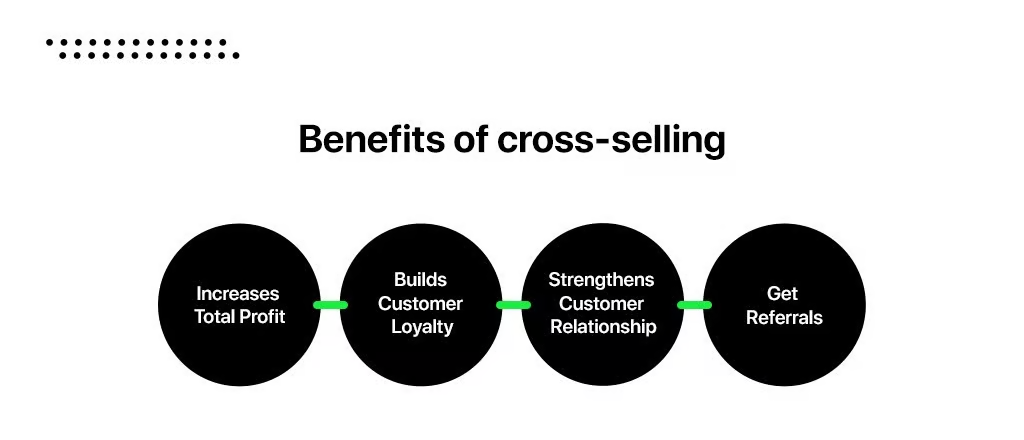
Amazon built an empire on “Customers who bought this also bought…” for a reason.
Second opportunity: social media leverage. While the website has a Facebook page with 452 followers and an Instagram page with 101 followers, there is significant room for growth in their social media presence.
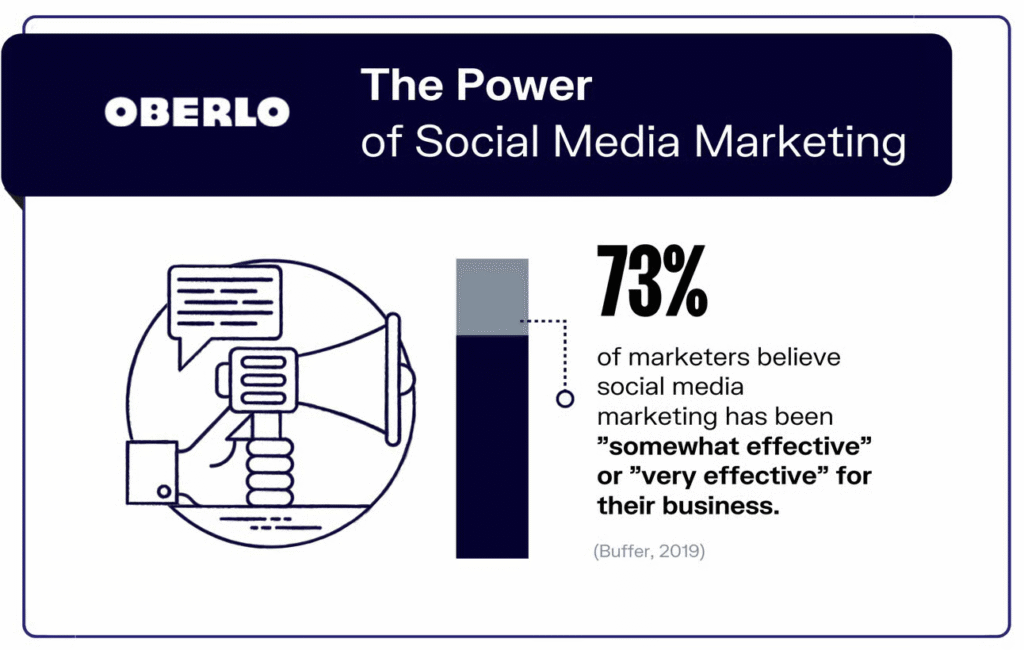
The off-road community lives on Instagram and YouTube. They’re sharing trail photos, posting installation videos, showing off their builds. This is free marketing content waiting to be tapped.
User-generated content is marketing gold. Encourage customers to tag your store when they install your products. Repost their adventures. Feature “build of the month” spotlights. Create installation guides on YouTube.
The content practically creates itself when you’re serving a passionate community.
Third opportunity: The website can leverage their blog by incorporating affiliate marketing and partnering with relevant brands to monetize blog content through sponsored posts or affiliate links.
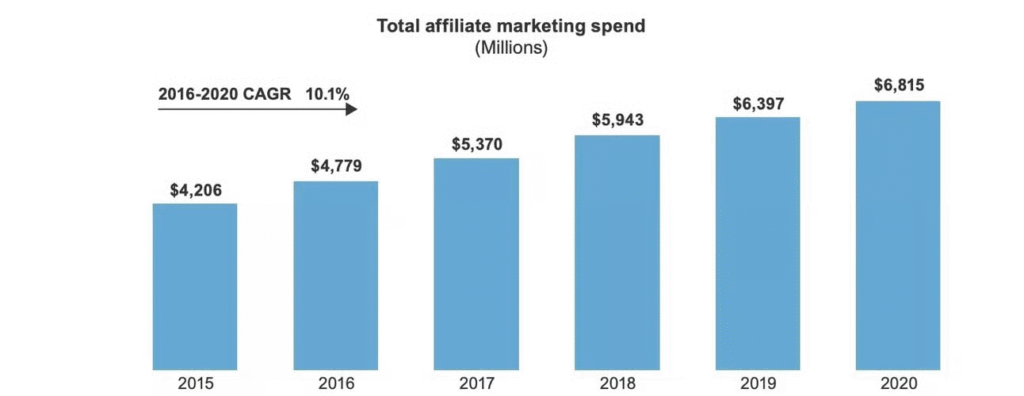
If you’re already creating content about off-road adventures, why not monetize it? Review products, link to complementary items, partner with camping gear companies, outdoor apparel brands, or GPS navigation systems.
Your audience is already interested in the off-road lifestyle—give them a complete ecosystem.
Ad 🎯 Ready to put these strategies into action?
Theory is great, but execution is what drives growth. That’s where Max Business School™ comes in.
Inside, you’ll find step-by-step digital marketing courses (SEO, ads, email, social, content, and more) — taught by professionals, designed for beginners and business owners alike.
And the best part? It’s 100% free, online, and flexible.
→ Join Max Business School Today — Free
The Real Story Behind the Numbers
Chad Brinkle didn’t wake up one morning and build a successful ecommerce store by accident.
His professional journey began with a degree in mechanical engineering, which laid the foundation for his expertise. After completing his studies, he embarked on an exciting career with the world’s largest commercial jet engine manufacturer, working for nine years in various roles within the manufacturing supply chain.
But here’s what separates dreamers from doers:
Chad combined his engineering mindset (systematic, analytical, detail-oriented) with his genuine passion for off-roading. High Country Off-Road is the result of Chad’s lifelong love for exploring the great outdoors and his desire to share that excitement by providing top-quality off-road accessories to fellow outdoor enthusiasts.
This authenticity matters more than you’d think. Customers can smell fake enthusiasm from a mile away. When you genuinely care about the niche you serve, it shows in your product selection, your content quality, and your customer service approach.
You can’t fake passion for years. But you can monetize it.
Your Roadmap: From Zero to $4K Monthly Revenue
Let me be brutally honest about something:
Most “how to start a business” guides are useless because they skip the hard decisions.
So let’s address them head-on.
Before you start anything, answer these questions with uncomfortable honesty: Can you commit to this for 3-5 years? Will you stay passionate about this niche when it’s 11 PM and you’re troubleshooting a customer service issue? Does this distract you from another business you’re already building?
If you answered “no” to any of these, stop here. Find a different opportunity. Success requires sustained focus, not scattered enthusiasm.
Still with me? Good. Here’s your action plan:
Phase 1: Foundation (Days 1-7)
Your first move is niche selection, but forget passion for a minute. Use tools like Ahrefs to research market demand, competition levels, and profit margins. Look for niches where passionate communities exist—motorcycles, boats, RVs, classic cars, electric vehicles.
The sweet spot? Enthusiast communities with disposable income and recurring needs.
Next, map your business model. Who are your ideal customers? What’s your average order value? What margins do suppliers offer? How will you differentiate from competitors? These aren’t just academic exercises—they’re survival questions.
Register your business and secure your domain. Make it memorable and brand-focused, not keyword-stuffed. “HighCountryOffRoad.com” is infinitely better than “CheapJeepPartsOnline.com.”
Set up your website using WordPress and WooCommerce. You don’t need to be a developer—these platforms are designed for non-technical entrepreneurs. Focus on clean design, fast loading times, and mobile optimization.
Phase 2: Launch (Weeks 2-4)
Now comes content creation. Write detailed product descriptions that answer every question customers might have. Include specifications, installation difficulty, compatibility information, and honest pros/cons.
Remember: comprehensive information builds trust, which builds sales.
Develop your content marketing strategy. Create blog posts about off-road adventures, maintenance tips, upgrade guides, and trail recommendations. Each piece should provide genuine value while naturally linking to relevant products.
Optimize for search intent, not search volume. Target phrases like “how to choose Jeep bumper” or “best Toyota Tacoma suspension upgrade” rather than generic terms.
Launch your social media presence on platforms where your audience already hangs out. For off-road enthusiasts, that’s Instagram, YouTube, and Facebook groups. Share customer photos, installation guides, and adventure content.
Phase 3: Growth (Months 2-12)
This is where analytics become your best friend. Track which products sell best, which marketing channels drive the most revenue, and where customers drop off in your sales funnel.
Double down on what works. Kill what doesn’t.
Implement email marketing to nurture leads and encourage repeat purchases. Segment your list by vehicle type and purchase history. Send personalized recommendations based on what they’ve bought before.
Develop your retargeting campaigns. When someone browses products but doesn’t buy, show them relevant ads over the next 7-14 days. Combine this with a strategic discount to overcome purchasing hesitation.
Continuously improve your customer service. Respond quickly to inquiries. Provide detailed installation support. Follow up after purchases. Happy customers become repeat customers and word-of-mouth marketers.
The Bottom Line
Building a $4K/month ecommerce store isn’t about getting lucky or finding a secret hack.
It’s about choosing a focused niche, understanding your customers deeply, providing genuine value, and executing consistently.
Chad Brinkle proved that you don’t need venture capital, a warehouse full of inventory, or a business degree to build a profitable online store. You need focus, authenticity, and systematic execution.
The off-road parts market is just one opportunity. The same principles apply to countless other niches—fishing gear, cycling components, home brewing supplies, woodworking tools, pet accessories.
Find a passionate community. Solve their problems. Build trust through quality and information. Scale systematically.
That’s the formula.
The question isn’t whether this model works—Chad’s $4K monthly revenue proves it does. The question is whether you’re willing to commit to making it work for you.
Your move.