
How to Generate $10k Monthly with a Virtual Assistant Agency
Most people think you need fancy credentials or a massive team to build a six-figure business.
Riya Jain proved that’s complete nonsense.
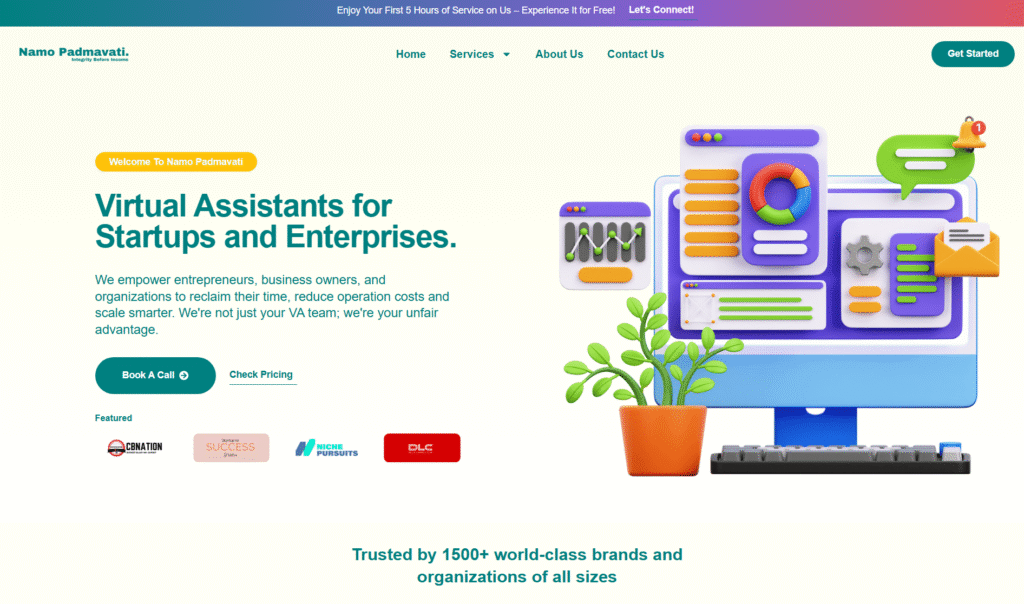
She started Namo Padmavati from her bedroom—literally—and built it into a virtual assistant agency generating $10,000 monthly. No business degree. No wealthy investors. Just hustle, smart positioning, and a relentless focus on client satisfaction.
The beautiful part? Virtual assistant agencies are one of the most accessible business models out there. Low startup costs. No inventory. No physical location needed. Just you, your skills, and the ability to connect busy professionals with talented virtual assistants.
Here’s exactly how Riya built Namo Padmavati (and how you could build something similar starting today).
Ad 🎯 After studying 400+ business models, here’s what actually works for beginners…
Most “make money online” advice is garbage. Complex affiliate schemes. Dropshipping nightmares. Social media “influencing.”
We found something better: lead-generation funnels for manufacturers. Simple. Profitable. Fast results.
Our Max Incubator Phase 1 students are proof—they’re going from zero to their first $1,000 in 90 days with this exact model.
→ See the business idea that’s working for beginners this year
The Business Model That Turns Other People’s Time Into Your Income
Let’s start with the fundamental economics that make VA agencies so profitable.
You’re not selling your own time—you’re creating a marketplace that connects clients who need help with virtual assistants who can provide it. The difference between what you charge clients and what you pay your VAs? That’s your profit margin.
This model scales in ways traditional freelancing never could.
As a freelancer, you hit a ceiling. There are only so many hours in a day, only so much work you can personally handle. But as an agency owner? You can take on ten clients, twenty clients, fifty clients—as long as you have enough talented VAs to handle the work.
Namo Padmavati generates approximately $10,000 monthly by offering comprehensive virtual assistance services across multiple categories: administrative support, social media management, customer service, content creation, schedule management, and more.
They’ve positioned themselves as a one-stop solution for busy entrepreneurs and professionals who need reliable help but don’t want the overhead of hiring full-time employees.
The revenue model is straightforward: charge clients competitive rates for virtual assistance services, pay your VAs a portion of that rate, and pocket the difference. Simple economics, but the execution requires careful attention to quality, client satisfaction, and team management.
What makes this business model particularly attractive? Recurring revenue. Unlike one-off projects, virtual assistance is an ongoing need. Once you land a client, they typically need support month after month. That predictable income lets you plan, invest, and scale with confidence.
Why Flexible Working Models Win Clients Every Time
Here’s where most VA agencies screw up: they try to force every client into the same rigid package.
“We only offer full-time assistants at $2,000 per month.”
That might work for some clients, but it leaves money on the table with everyone else.
Namo Padmavati takes the opposite approach—they offer multiple engagement models that fit different client needs and budgets:
Full-time virtual assistants for clients who need consistent, dedicated support across multiple areas of their business. These relationships tend to be the most stable and profitable because they generate substantial monthly recurring revenue.
Part-time options for businesses that need help but don’t have enough work to justify a full-time assistant. Maybe they need 20 hours weekly for specific tasks—email management, calendar coordination, basic bookkeeping. Part-time arrangements still provide steady income while serving a broader market.
Hourly-based services for clients with sporadic or project-based needs. Maybe they need help preparing for a product launch, catching up on administrative backlog, or managing a specific event. Hourly pricing gives these clients flexibility without committing to ongoing monthly fees.
This tiered approach accomplishes two critical things:
First, it maximizes your addressable market. You’re not turning away potential clients because their needs don’t fit your rigid service structure. Whether someone needs five hours monthly or forty hours weekly, you have an option that works.
Second, it creates natural upsell opportunities. A client who starts with ten hours monthly might realize they need twenty hours. Someone on part-time support might eventually need a full-time assistant. You’re building relationships that can grow over time.
The flexibility also reduces client acquisition costs. It’s easier to convince someone to try ten hours of support than to commit to a full-time assistant immediately. Once they experience the value, expanding the engagement becomes a straightforward conversation.
The Pricing Strategy That Beats Freelance Platforms
Now let’s talk about something that separates successful VA agencies from struggling ones: competitive pricing that still protects your margins.
Namo Padmavati maintains rates that are competitive with—and often lower than—hiring freelancers on platforms like Fiverr or Upwork.
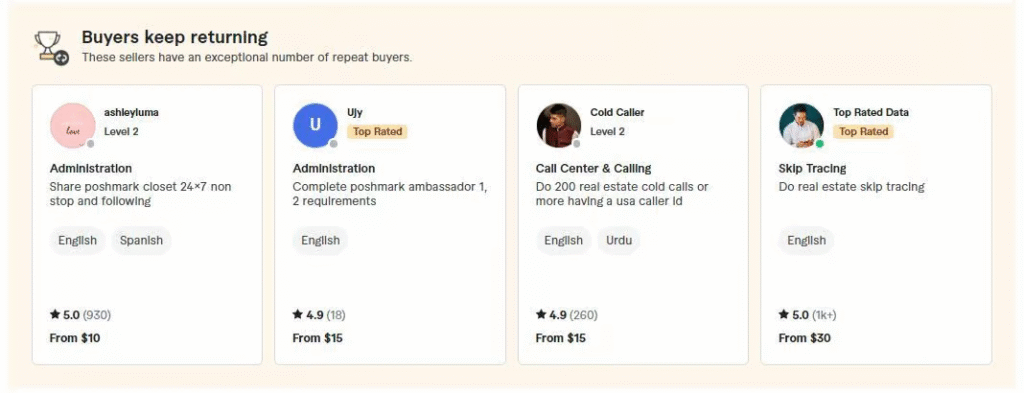
This seems counterintuitive at first. How can an agency with overhead costs compete on price with individual freelancers who have minimal expenses?
The answer is volume and efficiency.
When you’re managing multiple clients and multiple VAs, you can negotiate better rates with your virtual assistants. You’re offering them consistent work rather than sporadic gigs, which means they’ll accept slightly lower per-project rates in exchange for stability.
You’re also streamlining processes that individual freelancers duplicate. Client onboarding, communication systems, quality control, payment processing—these administrative tasks get systematized in an agency, reducing the time cost per client.
The real genius move? Namo Padmavati doesn’t compete purely on price. They compete on value and reliability.
Freelance platforms are hit-or-miss. You might find an amazing VA, or you might waste weeks with someone who ghosts you mid-project. The unpredictability creates stress and wastes time—which busy professionals absolutely hate.
An agency removes that uncertainty. You’re vetting VAs, managing quality, and guaranteeing results. If a VA isn’t working out, you handle the replacement without the client needing to restart the search process. That peace of mind is worth paying for.
So yes, Namo Padmavati’s prices are competitive. But they’re selling something fundamentally different from a freelance platform: reliability, quality assurance, and hassle-free management.
The Trust-Building Strategy That Converts Skeptics Into Clients
Virtual assistance requires trust in ways most businesses don’t.
You’re giving someone access to your email, your calendar, your customer data, your business operations. If they’re incompetent or unreliable, it doesn’t just waste money—it actively damages your business.
Namo Padmavati understands this psychological barrier and attacks it aggressively through multiple trust-building mechanisms:
Prominent display of reviews and testimonials on their website and marketing materials. Not just generic “great service!” comments—specific stories about how their VAs solved problems, saved time, and delivered results. These testimonials serve as social proof that removes doubt and accelerates decision-making.
Performance metrics and success indicators that demonstrate their track record. Numbers like client retention rates, projects completed, average client satisfaction scores. Data-driven evidence builds confidence faster than marketing copy ever could.
The satisfaction guarantee policy: “We don’t charge unless you are satisfied.” This reverses the risk equation completely. Normally, clients risk losing money if the service doesn’t meet expectations. With this guarantee, Namo Padmavati assumes that risk instead. It’s a powerful signal that they stand behind their quality.
Case studies showing real-world applications of their services. Rather than abstract promises about what they could do, they show what they have done for similar clients. This lets prospects visualize exactly how the service would work in their own business.
This multi-layered trust strategy accomplishes something crucial: it lowers the psychological barrier to the first purchase. Getting that initial client is always the hardest part. Once someone experiences the quality and reliability, keeping them becomes much easier.
The Streamlined Onboarding That Removes Friction
Most agencies overcomplicate the hiring process.
Lengthy contracts. Multiple revision rounds. Detailed scope-of-work documents that take days to finalize. All of this creates friction that kills deals before they start.
Namo Padmavati takes a radically simpler approach: verbal contracts.
Before you panic about legal implications—verbal contracts are legally binding in most countries. As long as both parties agree to terms and there’s consideration (money exchanged for services), you have an enforceable agreement.
Obviously, it’s wise to follow up verbal agreements with email confirmations outlining key terms. But starting with a conversation rather than paperwork accelerates the onboarding process dramatically.
Think about it from the client’s perspective. They need help now. They don’t want to spend a week negotiating contract terms, reviewing legal language, and going back and forth on details. They want to explain their needs, get matched with a capable VA, and start getting work done.
The streamlined approach serves another strategic purpose: it positions Namo Padmavati as easy to work with. In a world where everything seems unnecessarily complicated, simplicity is a competitive advantage.
This doesn’t mean being careless about agreements. It means starting relationships with trust and momentum rather than skepticism and bureaucracy.
The faster you can move from initial interest to active engagement, the fewer opportunities clients have to second-guess their decision or find alternative solutions.
The LinkedIn Strategy That Beats Every Other Social Platform
Let’s talk about a decision that most VA agencies get wrong: spreading themselves thin across every social media platform.
Facebook, Instagram, Twitter, TikTok, Pinterest—attempting to maintain active, engaging presences on all of them simultaneously is a recipe for mediocrity.
Namo Padmavati made a smarter choice: they focus on LinkedIn.
This is brilliant for multiple reasons:
LinkedIn is where your target market lives. Busy professionals and entrepreneurs—the people who need virtual assistants—are actively using LinkedIn for business purposes. They’re not scrolling Instagram for entertainment; they’re on LinkedIn to network, learn, and find business solutions.
The platform facilitates professional relationships naturally. LinkedIn is designed for B2B connections. Reaching out to potential clients, sharing valuable content, and building authority happens organically within the platform’s expected use cases.
Content lasts longer and generates more qualified leads. A LinkedIn post about business efficiency tips or delegation strategies reaches people actively thinking about those topics. The engagement comes from qualified prospects, not random scrollers who’ll never buy.
LinkedIn’s algorithm favors consistency over virality. You don’t need to post three times daily or create elaborate video content. Thoughtful posts a few times weekly, combined with strategic outreach and relationship building, generate substantial business results.
The mistake most agencies make? They maintain half-hearted presences everywhere. Sporadic Instagram posts. Occasional tweets. A neglected Facebook page. This scattered approach creates the appearance of activity without generating actual results.
Namo Padmavati’s focused strategy means they can invest time in LinkedIn properly—creating valuable content, engaging meaningfully with connections, building relationships that convert to clients.
For a VA agency specifically, LinkedIn offers direct access to decision-makers. You’re not hoping your content somehow reaches a business owner through multiple degrees of separation. You can literally connect with your ideal clients and start conversations.
The Growth Opportunities Nobody’s Capitalizing On
Even at $10,000 monthly, Namo Padmavati has obvious expansion potential that could double or triple their revenue with strategic execution.
The social media strategy needs refinement. While their LinkedIn focus is smart, their Instagram presence shows scattered messaging. The content lacks cohesion, jumping between different themes and tones. This can actually hurt credibility—potential clients might view it as unprofessional or question whether the agency really understands business communication.
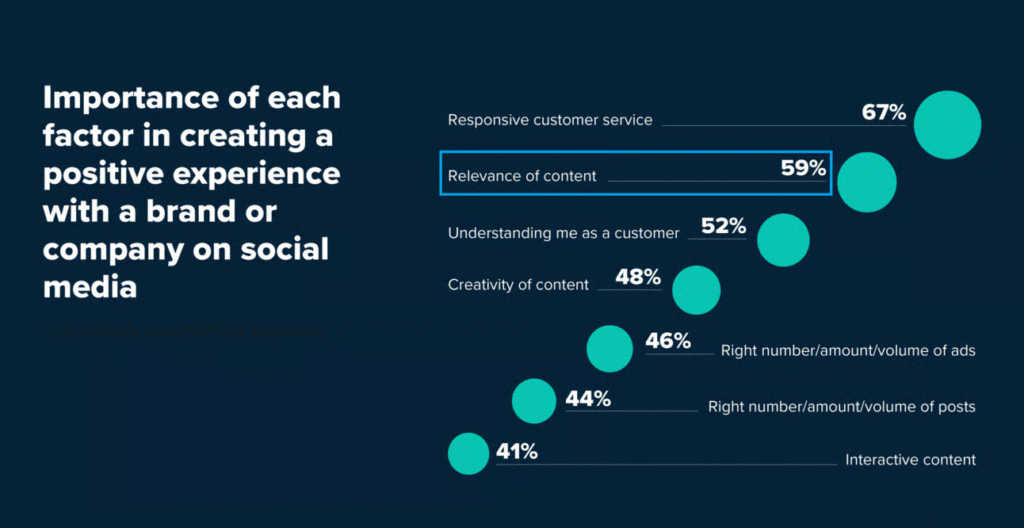
The fix? Develop a clear content strategy for each platform you maintain. If you’re on Instagram, commit to consistent, branded content that reinforces your positioning. Or just abandon platforms that don’t serve your business goals. Half-hearted social media presence is worse than no presence.
The content marketing game is being left on the table. According to their site, blog posting frequency is minimal. This is a massive missed opportunity because content marketing is how VA agencies build authority and attract inbound leads.
Imagine publishing weekly articles addressing common pain points their target market faces: “How to Delegate Effectively Without Losing Control,” “5 Tasks Every Entrepreneur Should Outsource Immediately,” “What to Look for When Hiring a Virtual Assistant.”
Each article becomes a long-term asset that attracts organic search traffic, positions them as experts, and generates leads without ongoing ad spend. Tools like Ahrefs can identify high-traffic keywords in the VA space with relatively low competition—low-hanging fruit waiting to be captured.
Case studies are criminally underutilized. While they mention displaying metrics and reviews, dedicated case studies showing specific client transformations would be incredibly powerful. “How We Helped a Startup Founder Reclaim 20 Hours Weekly” or “From Overwhelmed Solopreneur to Systematized Business: A Client Journey.”

These stories give prospects concrete examples of outcomes they could experience, making the decision to hire feel less risky.
Digital product creation opens entirely new revenue streams. Right now, Namo Padmavati makes money exclusively through service delivery. But they have expertise that could be packaged into digital products: eBooks about delegation, courses on building virtual teams, templates for onboarding and managing VAs.
These products serve multiple purposes: they generate passive income, they establish authority, and they create marketing funnels. Someone who buys a $27 eBook about delegation might realize they don’t want to do it themselves and hire Namo Padmavati’s services instead.
The beautiful thing about these opportunities? None require revolutionary ideas. They’re execution challenges, not concept problems. The foundation is solid; it’s just about amplifying what already works.
Ad 🎯 Ready to put these strategies into action?
Theory is great, but execution is what drives growth. That’s where Max Business School™ comes in.
Inside, you’ll find step-by-step digital marketing courses (SEO, ads, email, social, content, and more) — taught by professionals, designed for beginners and business owners alike.
And the best part? It’s 100% free, online, and flexible.
→ Join Max Business School Today — Free
What You Can Actually Learn From This Success
Let’s extract the lessons worth stealing:
Flexibility beats rigidity. Offering multiple service tiers and engagement models serves more clients and creates upsell opportunities. Don’t force everyone into the same box—adapt to different needs and budgets.
Competitive pricing without being the cheapest. You can match or beat freelance platform rates while still maintaining healthy margins through volume and efficiency. Compete on value and reliability, not just price.
Trust-building must be systematic and multi-layered. Reviews, metrics, guarantees, case studies—use every tool available to remove client skepticism and fear. The easier you make it for someone to trust you, the faster they’ll buy.
Simplicity accelerates sales. Streamlined onboarding, verbal contracts, straightforward engagement processes—remove every unnecessary barrier between interest and purchase.
Platform focus beats platform sprawl. Better to dominate one social channel that reaches your target market than to maintain mediocre presences everywhere. For B2B services like VA agencies, LinkedIn should be your primary focus.
Satisfaction guarantees shift risk and accelerate decisions. “We don’t charge unless you’re satisfied” removes the biggest barrier to the first purchase. The confidence this signals far outweighs the occasional refund you might need to issue.
The VA agency model works because it solves a universal problem: talented, busy people need help but don’t want the complexity and overhead of hiring employees. Position yourself as the simple, reliable solution to that problem, and clients will pay happily.
The Skills That Separate Success From Struggle
Building a successful VA agency requires developing three critical competencies:
Sales and client relationship management: You need to get comfortable with prospecting, having sales conversations, addressing objections, and closing deals. Even if you eventually hire salespeople, you need these skills first to understand what works.
Quality control and team management: You’re responsible for the work quality even though you’re not doing the work personally. This requires systems for vetting VAs, monitoring performance, providing feedback, and making tough decisions when someone isn’t working out.
Business operations and systematization: As you scale, everything needs documented processes. How do you onboard new clients? How do you match them with appropriate VAs? How do you handle problems? How do you ensure payment flows correctly? All of this requires operational thinking and systematic approach.
None of these skills are innate—they’re developed through practice, mistakes, and iteration. The difference between successful agency owners and those who struggle? The successful ones view each challenge as a learning opportunity and continuously refine their systems.
Industry Context: Why VA Agencies Keep Growing
The virtual assistant industry has exploded over the past decade, and growth shows no signs of slowing.
Remote work normalization during recent years accelerated a trend that was already happening: businesses increasingly prefer flexible, outsourced support over traditional employees for non-core functions.
According to industry research, the global virtual assistant market is projected to reach substantial growth as more businesses recognize the cost savings and flexibility benefits of remote support.
This creates sustained demand for quality VA services, especially from entrepreneurs, small business owners, and busy professionals who need help but can’t justify full-time hires.
The key market dynamics working in your favor:
Cost arbitrage remains powerful. Hiring virtual assistants from countries with lower labor costs (Philippines, India, Latin America) allows agencies to offer competitive rates while maintaining healthy margins.
Remote work technology keeps improving. Tools like Slack, Asana, Zoom, and cloud-based software make managing remote teams easier than ever. The technology barriers that once made virtual work challenging have largely disappeared.
Entrepreneurship continues growing. More people are starting online businesses, freelancing, or building side hustles. All of these ventures eventually need operational support—and VA agencies provide it.
Looking at successful examples, agencies like Time etc and Belay Solutions demonstrate the substantial revenue potential in this space, with some generating millions annually.
The market hasn’t become saturated—it’s become more sophisticated. Success now requires better positioning, higher quality standards, and smarter client acquisition strategies than five years ago. But for those willing to execute properly, the opportunity is substantial.
The Bottom Line: Your Agency Playbook
Riya Jain’s success with Namo Padmavati proves that you don’t need special advantages to build a profitable VA agency.
She started from her bedroom without funding, fancy credentials, or industry connections. She simply identified a clear market need, built systems for delivering quality service, and stayed relentlessly focused on client satisfaction.
$10,000 monthly didn’t happen overnight. It came from consistent client acquisition, careful quality control, smart positioning, and the compound effect of satisfied clients referring others.
Could you replicate her exact business? Probably not—every market has unique dynamics and competition. But could you apply her fundamental strategies to build a profitable VA agency? Absolutely.
The formula is proven: Focus on a specific client type or industry. Build a network of reliable, skilled virtual assistants. Create flexible service offerings that fit different budgets and needs. Systematically build trust through guarantees, testimonials, and consistent quality. Streamline onboarding to remove friction. Focus marketing efforts on platforms where your target market actually spends time.
Most people fail at VA agencies because they try to be everything to everyone, struggle with quality control, or give up when client acquisition feels hard. The six-figure agency owners are simply those who refused to quit—who kept refining their pitch, improving their processes, and delivering exceptional results even when growth was slow.
So the question isn’t whether VA agencies work. The question is whether you’re willing to do the work required to make it work for you.
The path to $10,000 monthly exists. It’s just paved with dozens of client conversations, careful VA vetting, systematic quality control, and the resilience to push through the inevitable challenges.
Your move.