
How to Build a Tutoring Marketplace to $4K Monthly
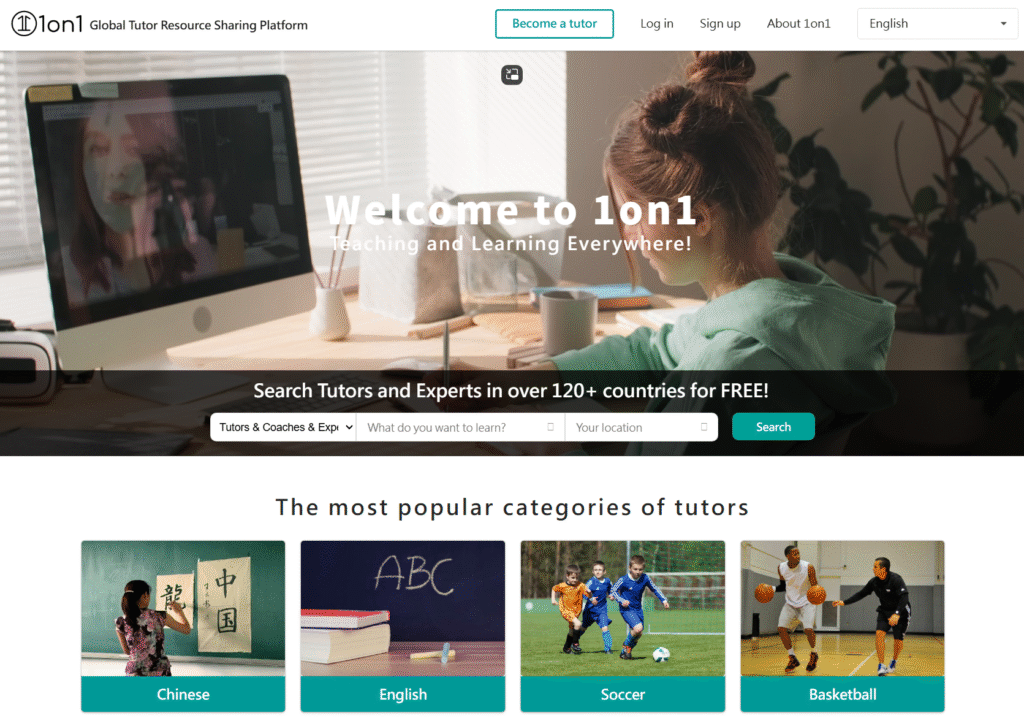
Some origin stories involve garage startups and energy drinks.
This one involves two six-year-old kids becoming best friends and, two decades later, building a tutoring marketplace serving students in 120+ countries.
Meet Hao Zhuang and William Hsu—friends since childhood who turned their shared dream of democratizing education into 1on1, a platform connecting students with tutors for virtually any subject imaginable.
But here’s where the story gets gut-wrenching…
William fell ill during their journey building this business. Seriously ill. The kind of illness where most people would quit, rest, and focus solely on recovery. Instead, William kept building. He kept coding. He kept supporting students and tutors until his final days.
Before he passed away, William made Hao promise to continue their vision. To keep building. To keep connecting learners and teachers worldwide.
That promise became $4,000 monthly revenue and a platform that’s changed thousands of lives.
Now, I know what you’re thinking: “That’s a great story, but can we talk about the actual business?” Absolutely. Because while the emotional foundation is compelling, the business model is what turned inspiration into income.
And more importantly, it’s a model you could replicate (minus the tragic backstory, hopefully) in countless education niches.
Let me show you exactly how 1on1 works, what separates it from competitors, and the surprising leaks in their revenue model that are costing them thousands monthly.
Ad 🎯 After studying 400+ business models, here’s what actually works for beginners…
Most “make money online” advice is garbage. Complex affiliate schemes. Dropshipping nightmares. Social media “influencing.”
We found something better: lead-generation funnels for manufacturers. Simple. Profitable. Fast results.
Our Max Incubator Phase 1 students are proof—they’re going from zero to their first $1,000 in 90 days with this exact model.
→ See the business idea that’s working for beginners this year
Why Tutoring Marketplaces Are Exploding Right Now
The online tutoring market is absolutely massive and growing exponentially. According to Research and Markets analysis, the global online tutoring market is projected to reach tens of billions of dollars within the next few years, driven by increasing demand for personalized learning and geographic flexibility.
Here’s what makes this market especially attractive:
The COVID pandemic permanently shifted attitudes toward online learning. What was once “better than nothing” became “sometimes better than in-person.” That mindset shift opened massive market opportunities.
The gig economy trained an entire generation to think of teaching as a flexible side hustle or full-time business. Tutors who previously needed brick-and-mortar tutoring centers can now operate globally from their bedrooms.
Geographic barriers disappeared. A student in rural Kansas can access a specialist tutor in Singapore. A retired teacher in Florida can tutor students across South America. The market suddenly became truly global.
Parents and students increasingly seek personalized learning over one-size-fits-all classroom approaches. When traditional education fails a student, tutoring becomes the solution.
And here’s the kicker: this isn’t just academic subjects.
People are paying for tutors in cooking, music, fitness, languages, professional skills, hobbies—literally anything teachable. That diversity is what makes 1on1’s model so scalable.
Inside 1on1: The $4K Monthly Blueprint
Let’s crack open the business model and see exactly how this generates consistent revenue.
The 5% Transaction Fee Model
1on1’s core revenue comes from taking a 5% commission on every tutoring session booked through the platform. With over 20,000 tutors offering lessons across countless subjects, these small percentages compound quickly.
Let’s do the math: At $4K monthly revenue with a 5% commission rate, that means approximately $80,000 in gross monthly transactions flowing through the platform. If the average lesson costs $25-30, that’s roughly 2,700-3,200 lessons monthly, or about 90-105 lessons per day.
That’s completely achievable with 20,000 tutors—it only requires a tiny fraction of them to be actively teaching. Even if just 5% of tutors are active in any given month (1,000 tutors), they’d only need to teach 3-4 sessions each to hit those numbers.
The beauty of marketplace models? The platform doesn’t scale linearly. As tutor count grows from 20,000 to 40,000, the operational burden doesn’t double—but revenue potential does.
Display Advertising Revenue
Beyond transaction fees, 1on1 monetizes its traffic through display advertising. With thousands of students and tutors visiting the platform monthly, those page views translate into advertising income through networks like Google AdSense or direct advertising partnerships.
While the newsletter doesn’t specify advertising revenue amounts, educational platforms typically earn $5-20 per 1,000 page views depending on geography and user engagement. With decent traffic, this could represent several hundred dollars monthly—not massive, but meaningful supplementary income.
Sponsored Content and Backlink Sales
1on1 also generates revenue by selling sponsored content placements and backlinks on their platform. Educational websites have high domain authority, making them valuable for companies wanting SEO benefits through backlinks.
This revenue stream requires minimal effort once established—it’s essentially renting out small pieces of your platform’s authority to other businesses. Companies pay $50-500+ per backlink depending on domain strength and placement prominence.
Affiliate Marketing Opportunities
The platform incorporates affiliate marketing, promoting educational products, tools, or services that benefit their tutor and student audience. When users purchase these recommended products, 1on1 earns commission.
This could include textbooks, online courses, educational software, tutoring equipment, or learning resources. The key is recommending genuinely valuable products that enhance the learning experience rather than pushing random affiliate offers.
What 1on1 Absolutely Crushed
Hao and William didn’t just build a generic tutoring site. Several strategic decisions differentiated 1on1 in a crowded market.
Extraordinary Subject Diversity
Most tutoring platforms focus narrowly on academic subjects—math, science, languages, test prep. 1on1 took a radically different approach: they support virtually everything teachable.
You can find tutors for traditional academics, but also for cooking, music lessons, fitness coaching, professional skills, creative arts, hobbyist pursuits, and niche specialized knowledge.
This diversity creates multiple advantages. It attracts a broader user base since the platform serves more potential needs. It reduces dependency on any single subject category—if demand for math tutoring drops, music lessons pick up the slack. It generates interesting word-of-mouth as people discover tutors for unexpected subjects. And it creates a more interesting, dynamic platform that people want to explore.
According to marketplace theory, diversity increases stickiness. Users visit more frequently when they might find solutions to multiple problems rather than just one.
True Global Reach Across 120+ Countries
While many tutoring platforms claim to be “global,” 1on1 actually operates in 120+ countries with real tutors and students actively using the platform worldwide.
This geographic diversity matters enormously. Different regions have different peak times—when U.S. students are sleeping, Asian students are actively learning. This creates 24/7 platform activity and revenue generation.
Global reach also provides currency arbitrage opportunities. A tutor in the Philippines charging $8/hour is affordable for American students while providing excellent income in their local economy. A specialized U.S. professional charging $80/hour is affordable for wealthy international students seeking native English instruction.
Multilingual Content Strategy
1on1 publishes content in both English and Mandarin—the two most spoken languages globally. This immediately doubles their potential audience compared to English-only platforms.
This multilingual approach signals cultural awareness and accessibility. Chinese students see content in their native language and feel welcomed. English speakers get the same treatment. Neither group feels like an afterthought.
Building truly multilingual platforms requires significant effort—translation, cultural localization, separate SEO strategies—but the payoff in expanded market reach justifies the investment.
Social Proof Through Testimonials
Throughout the platform, 1on1 showcases success stories from satisfied students who achieved their learning goals through the service. These testimonials serve as powerful social proof, reducing hesitation among new users considering the platform.
When a prospective student sees stories of others who learned guitar, passed calculus, or became conversational in Spanish through 1on1, they think, “If it worked for them, it can work for me.”
According to Spiegel Research Center studies, displaying reviews can increase conversion rates by up to 270%. For marketplaces where trust is everything, testimonials aren’t optional—they’re essential.
The Affiliate/Referral Program
1on1 implemented an affiliate program encouraging users to promote the platform in exchange for commissions on referred tutors or ad placements they facilitate.
This creates a distributed marketing force. Instead of spending thousands on advertising, they incentivize users to spread the word organically. Every person who benefits from the platform becomes a potential marketer.
This strategy works brilliantly for marketplaces because satisfied users have genuine enthusiasm. They’re not reading from corporate scripts—they’re sharing something that genuinely helped them.
The Critical Leaks (Where $10K+ Escapes Monthly)
Now here’s where things get really interesting. Despite solid fundamentals, 1on1 has significant leaks in their revenue model—problems that could easily double or triple monthly income with proper fixes.
The Off-Platform Payment Hemorrhage
Here’s the big one: 1on1 doesn’t have foolproof systems ensuring all payments happen through the platform. Tutors and students can connect through 1on1, then arrange payment directly via PayPal, Venmo, Zelle, or cash, completely bypassing the platform’s 5% fee.
This is marketplace economics 101: if you can’t capture the transaction, you can’t monetize it.
Think about the math. If even 30% of lessons are being paid off-platform, 1on1 is losing $1,200+ monthly in commission revenue. If it’s 50%? That’s $2,000 monthly walking out the door.
The fix requires several complementary approaches:
Implement mandatory escrow payment systems where money flows through the platform for security, making legitimate case for keeping payments on-platform rather than just policy enforcement. Create tutor incentives for on-platform payments—maybe reduced commission rates or promoted listings for tutors who maintain high on-platform payment percentages. Add convenience features making on-platform payment easier than alternatives—saved payment methods, automatic scheduling/payment, invoicing, and receipts. Monitor for suspicious patterns like tutors with many bookings but few transactions, and address directly.
Platforms like Upwork solved this by making on-platform payment so convenient and secure that going off-platform feels risky and inconvenient by comparison. That’s the standard 1on1 needs to meet.
The Performance Problem That Kills Conversions
The newsletter specifically mentions that website and app performance “aren’t top-notch.” This is a conversion killer.
In 2025, users expect instant loading. According to Google’s mobile speed research, 53% of mobile visits are abandoned if pages take longer than three seconds to load.
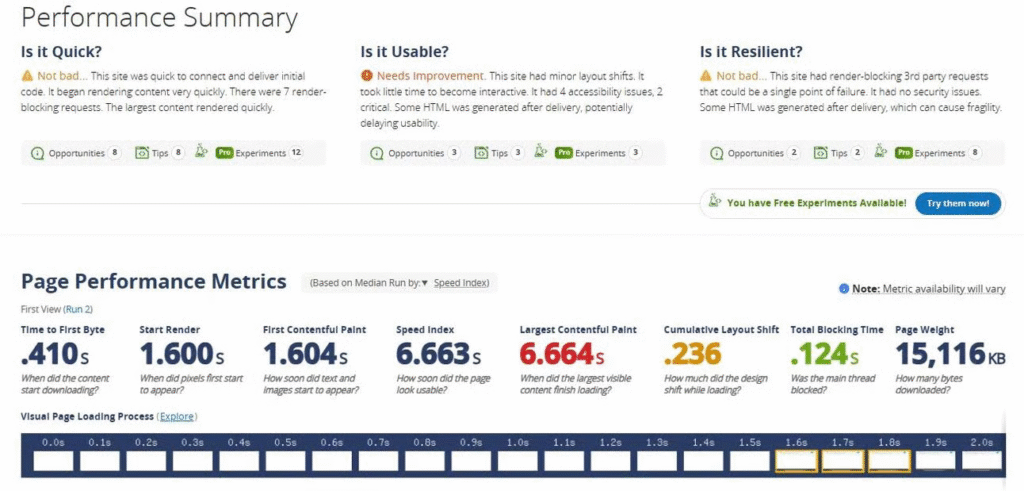
Every second of delay costs conversions. If 1on1’s slow performance causes even a 10% conversion rate drop, they’re losing hundreds of potential bookings monthly.
The fix involves several technical improvements: optimize images and assets for faster loading, implement content delivery networks (CDN) for global speed, upgrade hosting infrastructure if current setup is underpowered, minimize unnecessary scripts and plugins, and implement caching strategies for frequently accessed content.
Performance optimization isn’t sexy, but it directly impacts revenue. A faster platform means more bookings, more transactions, more commissions.
The Missing Content Marketing Engine
1on1 has a blog publishing content in English and Mandarin, but they’re barely scratching the surface of content marketing potential. The education space is incredibly hungry for helpful content:
Study tips and learning strategies for different subjects, tutor success stories and teaching methodologies, parent guides for supporting children’s learning, career-switching guides for aspiring tutors, subject-specific deep dives that rank for educational searches, and comparison guides helping students choose the right tutoring approach.
Comprehensive content marketing publishing 3-5 valuable articles weekly would dramatically increase organic search traffic, establish 1on1 as a thought leader in online education, create backlink opportunities from educational sites and parent blogs, and provide social media and email marketing content that drives platform sign-ups.
Educational content has particularly strong SEO potential because people constantly search for learning resources. Ranking for “how to learn Spanish quickly” or “best way to prepare for SAT math” drives highly qualified traffic.
The Underutilized Email Marketing
1on1 presumably collects email addresses from tutors and students, but there’s no evidence of sophisticated email marketing campaigns. This is leaving money on the table.
Strategic email marketing could include welcoming new students with curated tutor recommendations based on expressed interests, sending tutors tips for improving bookings and student satisfaction, highlighting success stories and testimonials, promoting seasonal subject demands (SAT prep before testing seasons, music lessons before holidays), and re-engaging dormant users who signed up but never booked lessons.
Email marketing typically delivers exceptional ROI for marketplaces because you’re reaching people who’ve already shown interest. They’re warm leads, not cold prospects.
The Social Media Silence
Students and tutors gather constantly on social media—particularly educational Facebook groups, Reddit communities, YouTube channels, TikTok learning content, and LinkedIn professional networks. Yet 1on1 maintains minimal social presence.
Strategic social media engagement could include showcasing student transformation stories, featuring “tutor spotlights” highlighting interesting teachers, sharing quick learning tips and educational content, running contests and community challenges, and partnering with educational influencers for exposure.
Social media isn’t just marketing—it’s community building. Creating spaces where students and tutors interact, share experiences, and support each other strengthens platform stickiness and creates organic advocacy.
Ad 🎯 Ready to put these strategies into action?
Theory is great, but execution is what drives growth. That’s where Max Business School™ comes in.
Inside, you’ll find step-by-step digital marketing courses (SEO, ads, email, social, content, and more) — taught by professionals, designed for beginners and business owners alike.
And the best part? It’s 100% free, online, and flexible.
→ Join Max Business School Today — Free
The Skills You Actually Need
Building a tutoring marketplace doesn’t require education industry experience or technical genius. Here’s what you actually need:
You need understanding of marketplace dynamics and how to balance supply (tutors) and demand (students). You need basic web development skills or ability to hire/partner with developers. You need customer service abilities to support both tutors and students. And you need willingness to solve the “cold start problem”—building initial supply before demand appears.
What you DON’T need: Teaching credentials or education background. Advanced programming expertise (marketplace platforms exist). Existing network of tutors. Massive startup capital to build custom technology.
Platforms like Sharetribe, Kreezalid, and Arcadier allow you to launch marketplace websites without custom development. You can have a functional tutoring marketplace live within weeks.
The barrier to entry is surprisingly accessible for someone willing to hustle through the early growth phase.
Getting Started: The Realistic Path
If a tutoring marketplace (or similar education model) intrigues you, here’s the actual path forward:
Choose your niche within education—maybe you specialize in music lessons, language learning, professional certifications, fitness coaching, or academic subjects. Specificity helps you stand out initially.
Research that niche deeply to understand pain points on both sides. What do learners complain about when finding tutors? What prevents tutors from reaching students efficiently?
Build your minimum viable marketplace using existing platforms rather than custom development. Get something functional online quickly rather than waiting for perfection.
Recruit your first 20-50 tutors manually—personally reach out, explain your vision, and get them onboard even if you need to offer favorable terms initially. Supply must come before demand.
Only then launch to students. Market through content, SEO, and niche community engagement. Paid advertising often doesn’t work until you have enough tutor supply to convert visitors.
Personally facilitate your first transactions even if it requires heroic effort. Learn what works, what breaks, and what users actually need.
Get testimonials and use them to recruit more tutors. The flywheel starts slowly but accelerates as network effects kick in.
Continuously recruit new tutors while improving student experience. Both sides matter equally.
Why This Works in 2025 (And Beyond)
Some business models depend on temporary trends. This isn’t one of them.
People will always need to learn things. That fundamental human need isn’t going anywhere. The shift toward online learning, remote work, and global connectivity has permanently changed how education happens.
According to HolonIQ’s education market analysis, the global education technology market continues growing at double-digit rates annually. The pandemic accelerated digital adoption by 5-10 years, and that change is permanent.
More importantly, traditional education systems continue failing millions of students who need personalized approaches. Tutoring marketplaces fill that gap by connecting learners with teachers who match their specific needs, learning styles, and schedules.
This opportunity isn’t disappearing—it’s expanding.
The Uncomfortable Truth About Marketplace Building
Here’s what the “build a marketplace” courses won’t tell you: you’re building two businesses simultaneously while taking responsibility for both sides’ success.
Tutors blame you when they don’t get enough students. Students blame you when tutors are unresponsive or low-quality. Payment issues? Your problem. Technical glitches? Your fault. Bad experiences on either side? You’re the one who hears about it.
Hao and William’s $4K monthly didn’t come from launching a website and watching money roll in. It came from personally recruiting thousands of tutors, handling customer service issues at all hours, continuously improving platform functionality, and solving countless problems that threatened to derail everything.
The revenue is real. The opportunity is real. The relentless operational demands are also real.
The Legacy Question
William built this marketplace while fighting illness. He could have rested. He could have quit. Instead, he kept building because he believed education could change lives.
That belief created something that outlasted him—a platform still connecting students and teachers worldwide, still generating revenue, still fulfilling the vision two six-year-olds dreamed about decades ago.
You probably don’t have a friendship story quite that profound. But the question remains the same:
What would you build if you knew it would outlive you? What impact would you create if you committed fully regardless of obstacles?
Your Next Move
If you’re seriously considering this, stop researching and start building:
Pick your education niche—something you understand or care deeply about. Manually recruit 10-20 tutors without building anything—just validate they’re interested in your vision. If they are, build your minimum viable marketplace using existing platforms. Personally drive your first 50 transactions even if it requires extraordinary effort. Get testimonials and use them to recruit more tutors and students. Only then scale up marketing and growth efforts.
The students who need your marketplace exist right now, searching for tutors in your chosen niche. The tutors willing to teach exist right now, looking for students they can help.
You’re just the connector. The bridge. The platform that makes it possible.
The question is whether you’re willing to do the unglamorous work of building both sides simultaneously until network effects take over and the marketplace starts running itself.
Because that’s what it takes.
That’s what Hao and William did. That’s what every successful marketplace builder before you has done.
The opportunity is real. The revenue is real. The hard work is also real.
Now what are you going to do about it?